

NEFCISA
NEFCISA

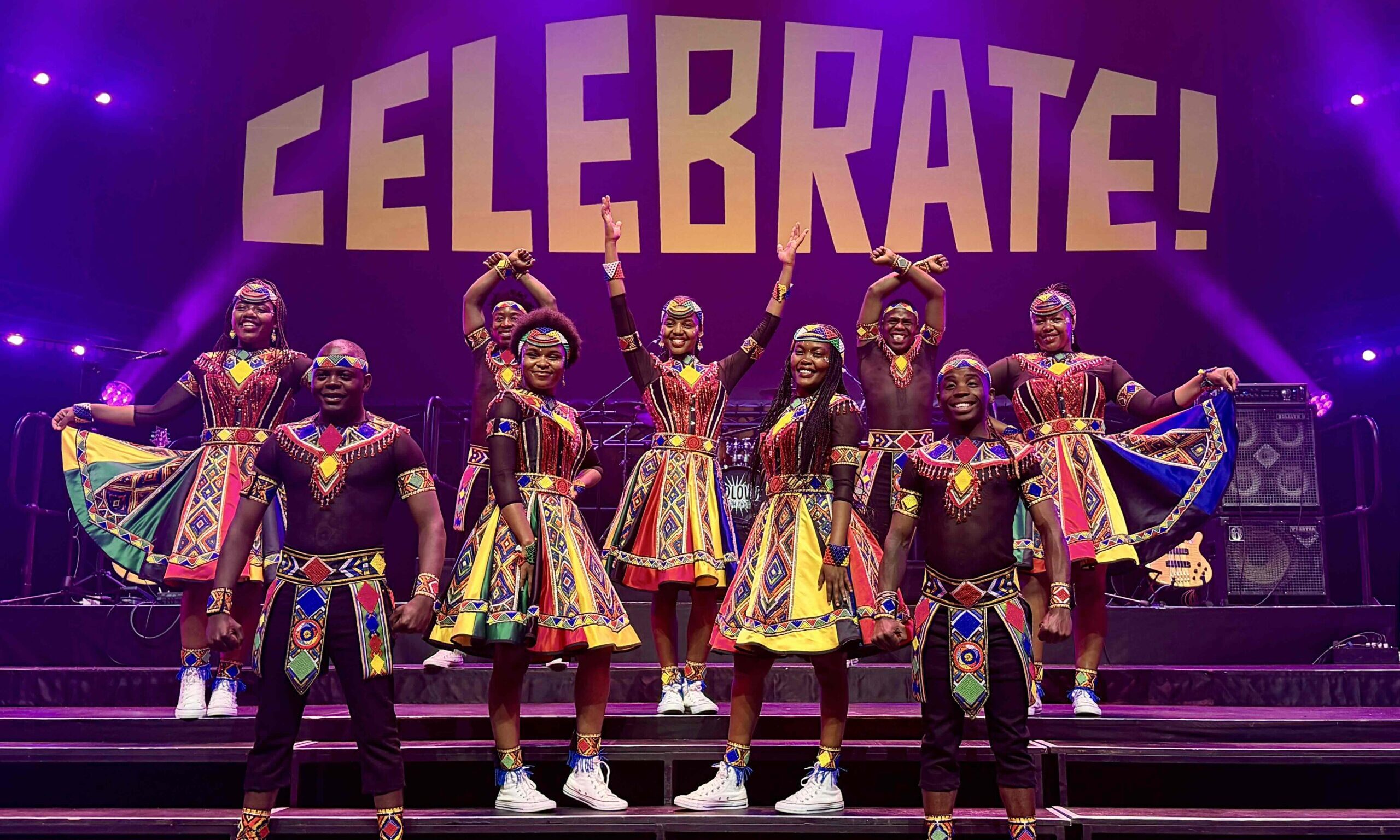
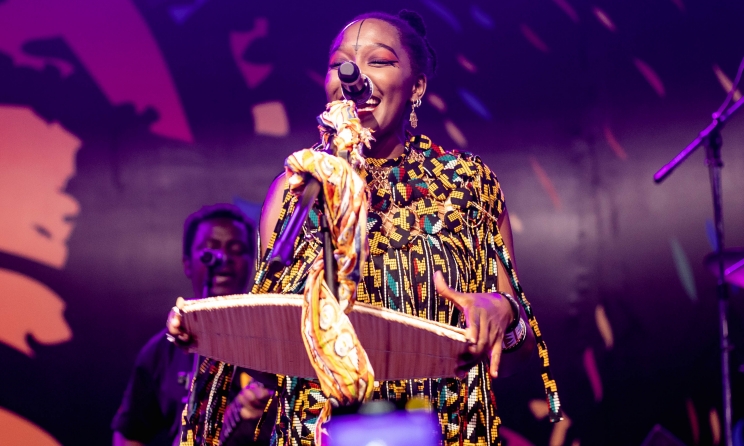
The Music In Africa Foundation (MIAF) is proud of its partnership with the Industrial Development Corporation (IDC) as a Strategic Implementing Partner (SIP) for its Social Employment Fund (SEF). Through this collaboration, MIAF is running a national programme that is creating jobs, addressing skills gaps, and strengthening South Africa's creative industries — in line with the SEF's overarching goal to generate work for the common good and build community value through employment, social contribution, and inclusive economic participation. Operating under the banner NEFCISA (National Employment Facility for Creative Industries in South Africa), the initiative is recruiting and training participants, matching them with host organisations, and has already placed 1 500 workers across the country — surpassing its original target of 1 000. NEFCISA is delivered through a network of 20 host organisations spanning five provinces, who are actively hosting participants and contributing to work for the common good across South Africa's creative and cultural industries. Key Objectives: Support employment and entrepreneurship in the creative industries. Offer skills development and training programmes. Foster partnerships between public and private creative sectors. Promote South African creativity at both provincial and national levels Foster community development through social contribution.

ACCES
ACCES

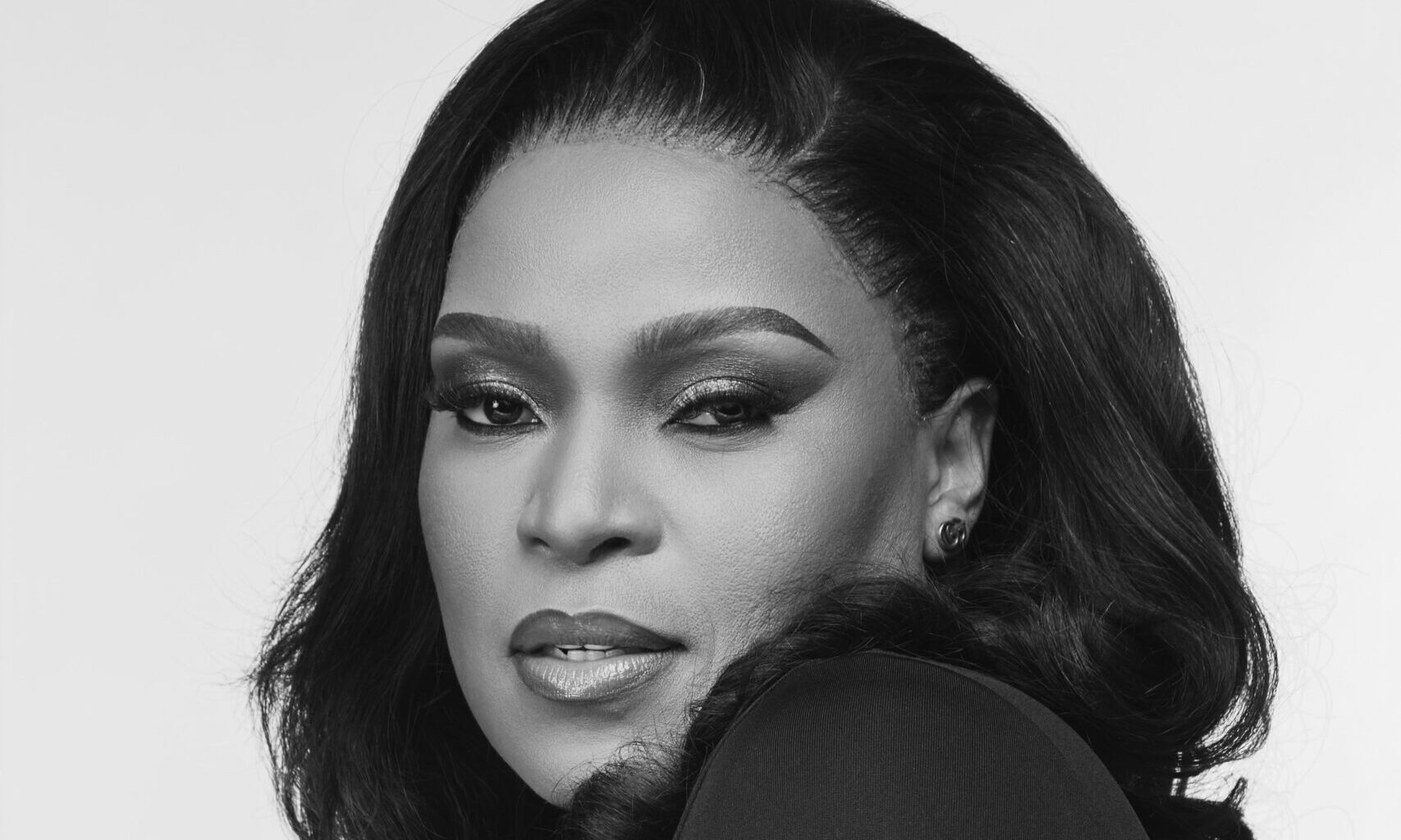
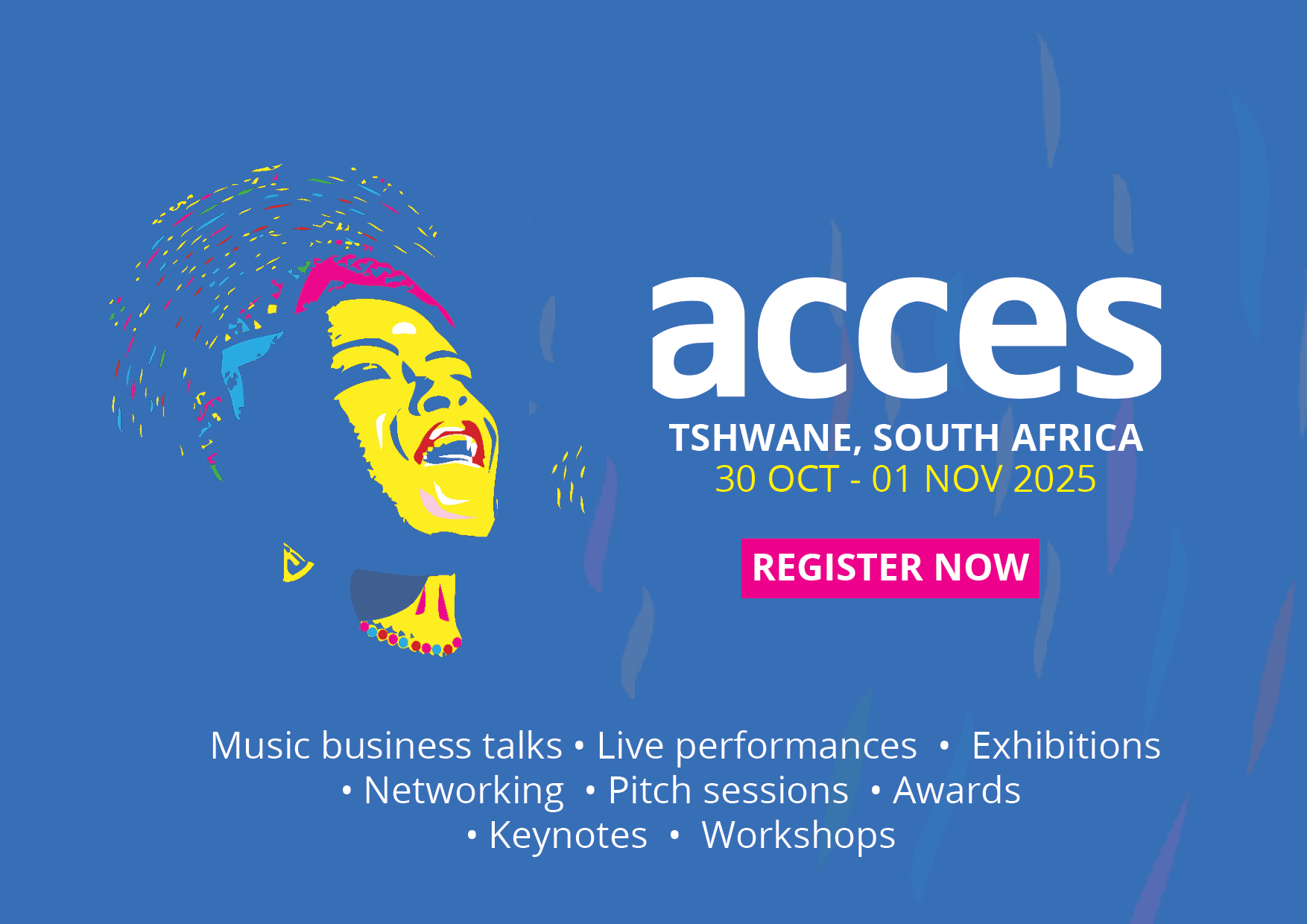
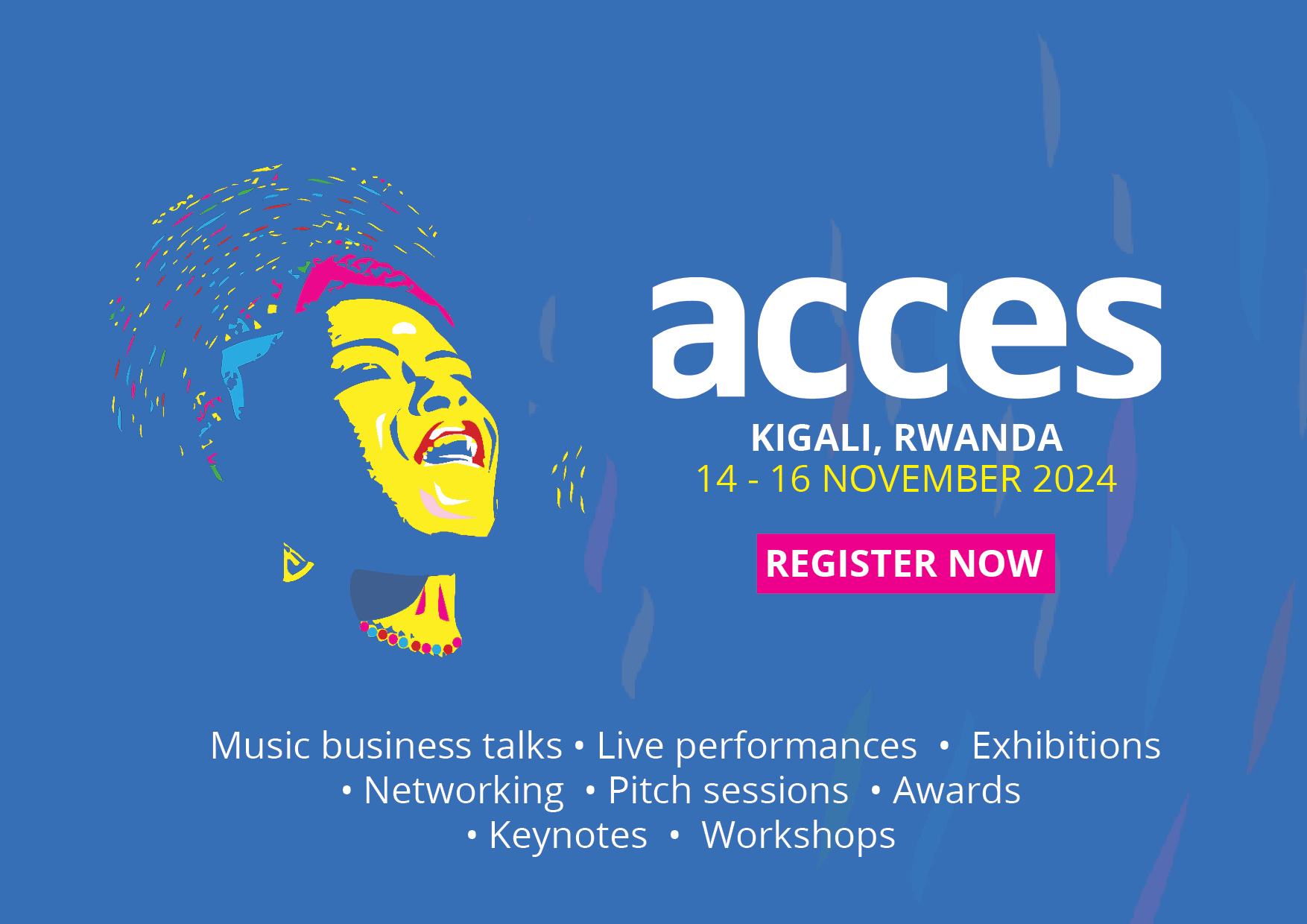
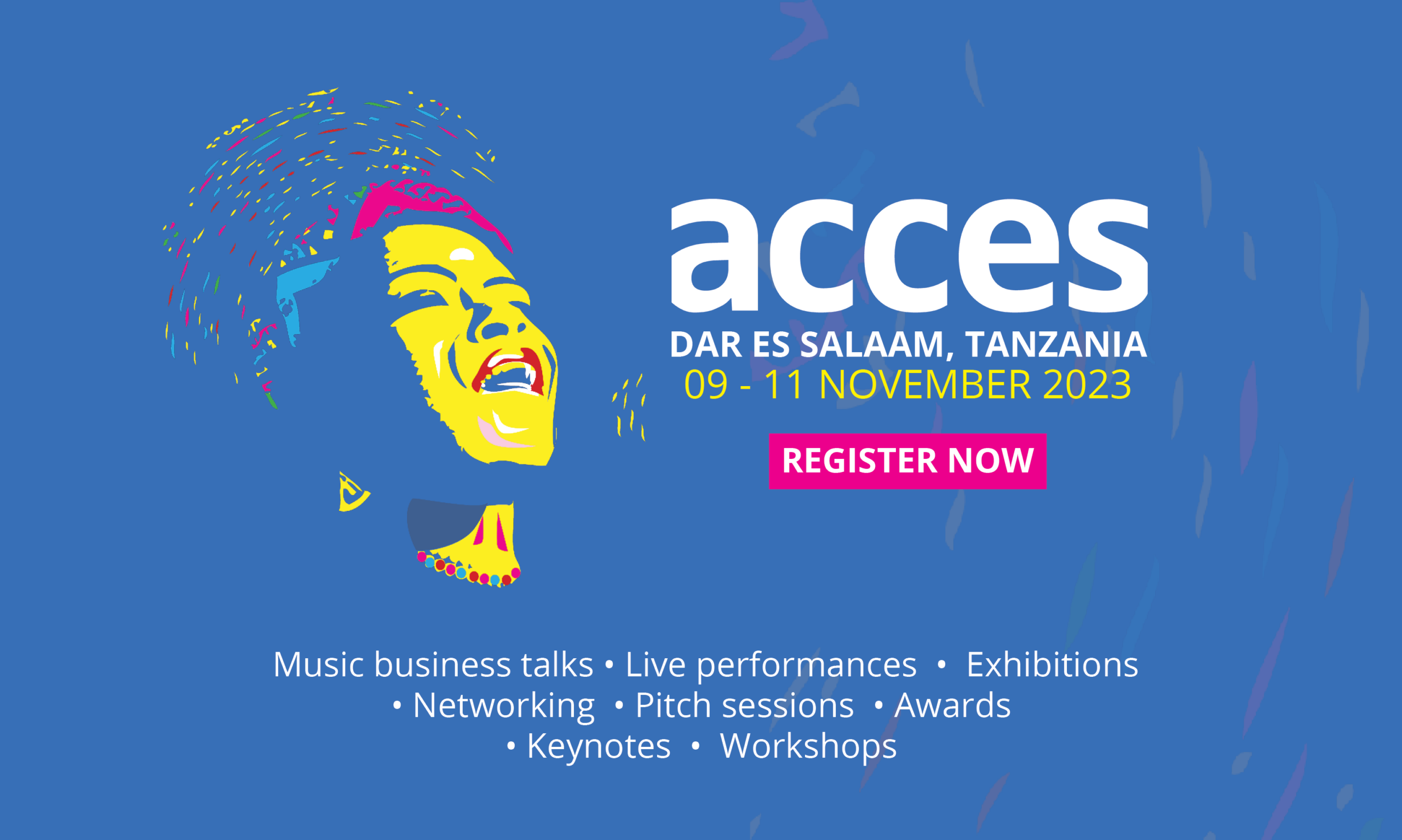
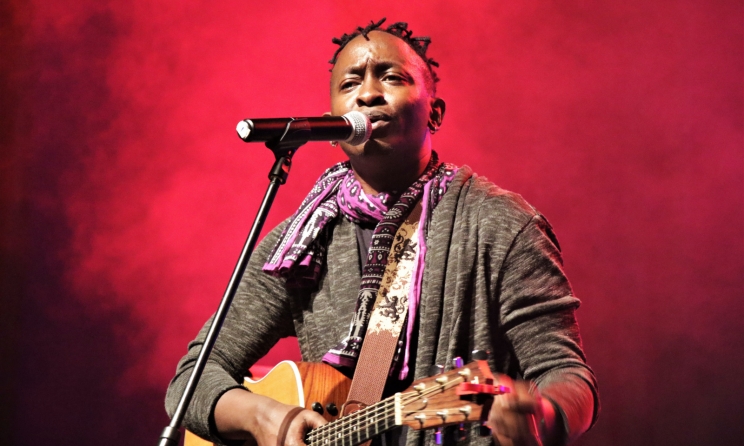
ACCES Conference and Showcase Festival is Africa's leading music industry gathering, bringing together the people shaping the future of the continent's music business. Artists, entrepreneurs, executives, investors, policymakers and cultural leaders from across Africa and around the world come to ACCES to build partnerships, exchange ideas, discover talent and create new business opportunities. Since its launch in 2017, ACCES has become the continent's premier platform for professional exchange and music market development. Combining a high-level conference with a curated showcase festival, networking, exhibitions and industry programmes, ACCES offers a unique space where creativity meets business and where African music connects with the global industry.

Gender@Work
Gender@Work

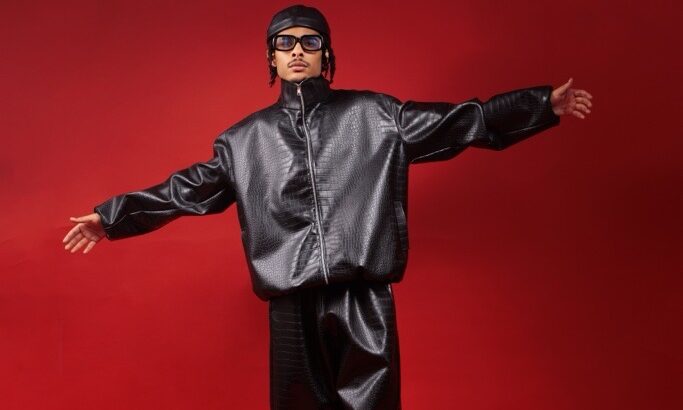
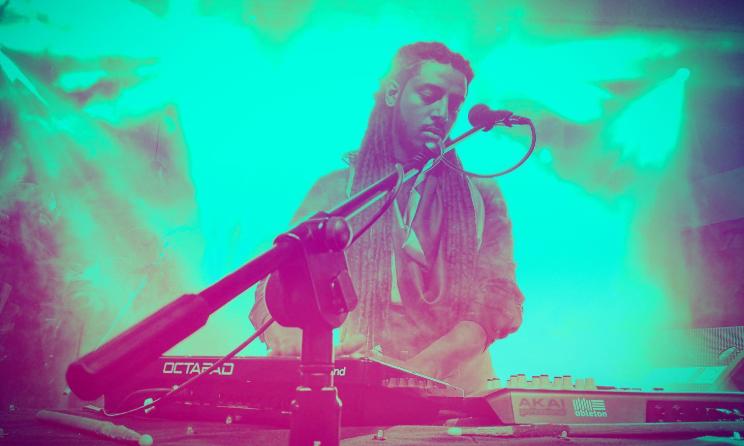
Music In Africa Gender @ Work is a three-year training programme aimed at upskilling and increasing the participation of female professionals in the African music sector. Launched by the Music In Africa Foundation (MIAF) in April 2019, the programme is connected to the MIAF’s ACCES music conference – a pan-African event held in a different African country every year. This connection enables the programme to reach new participants in a different African country every year. The programme marks the beginning of a more concerted effort by the Foundation to support the participation and inclusion of women in all facets of its programmes and the music sector in Africa as a whole. Over the three years, the programme will aim to address gender imbalances in the sector through training, lobbying, facilitating knowledge exchange and dialogues that foster the interest of women. The broader objectives of the programme are to: Provide industry training for women on critical music industry skills, focusing on: Stage management Electronic music production and recording Music business management Technical knowledge Provide an opportunity for both professional and aspiring women to benefit from the Music In Africa network and its broad range of activities in 2019, 2020 and 2021. Provide a solution-based platform in the form of a round table at ACCES with a view to identify challenges, discuss opportunities and lobby for the interests of female practitioners. Offer participants the opportunity to benefit from programmes offered by MIAF’s partners. Increase access to educational materials. Integrate participants in the broader ACCES programme to maximise experience and exposure to the industry. Record and present training materials on the www.musicinafrica.net, including but not limited to tutorials, templates and other best-practice materials. Communicate women-based themes that support the initiatives and messages of the programme. MAIN TRAINING ACTIVITIES Training in first country (Ghana): In the first year, participants will be trained on all aspects of stage management by a team of experienced stage managers from 10 to 17 November 2019. The programme will offer robust classroom training as well as practical, hands-on training in which participants will also be given the opportunity to manage various aspects of the ACCES performance programme. Training in second country: The second training iteration will take place at ACCES 2020 when the programme will diversify its course to include music production lessons and training on other music business topics. A round-table platform will also be introduced to coincide with the ACCES programme. Training in third country: The third training iteration will take place at ACCES 2021 in a different country, offering an advanced course. HOW DO YOU GET INVOLVED?  As a participant, facilitator or trainer: The programme enrolls up to 12 trainees every year. All opportunities are advertised publicly on this website, and will be added to this page. Please keep checking this page for new calls (below under UPDATES & CURRENT OPPORTUNITIES). As a partner Please contact Claire Metais at [email protected]. APPLY The call for applications for 2020 will be announced soon. The Music In Africa Gender @ Work programme is made possible with the support of the Prince Claus Fund, Siemens Stiftung and Goethe-Institut.

Sound Connects Fund
Sound Connects Fund

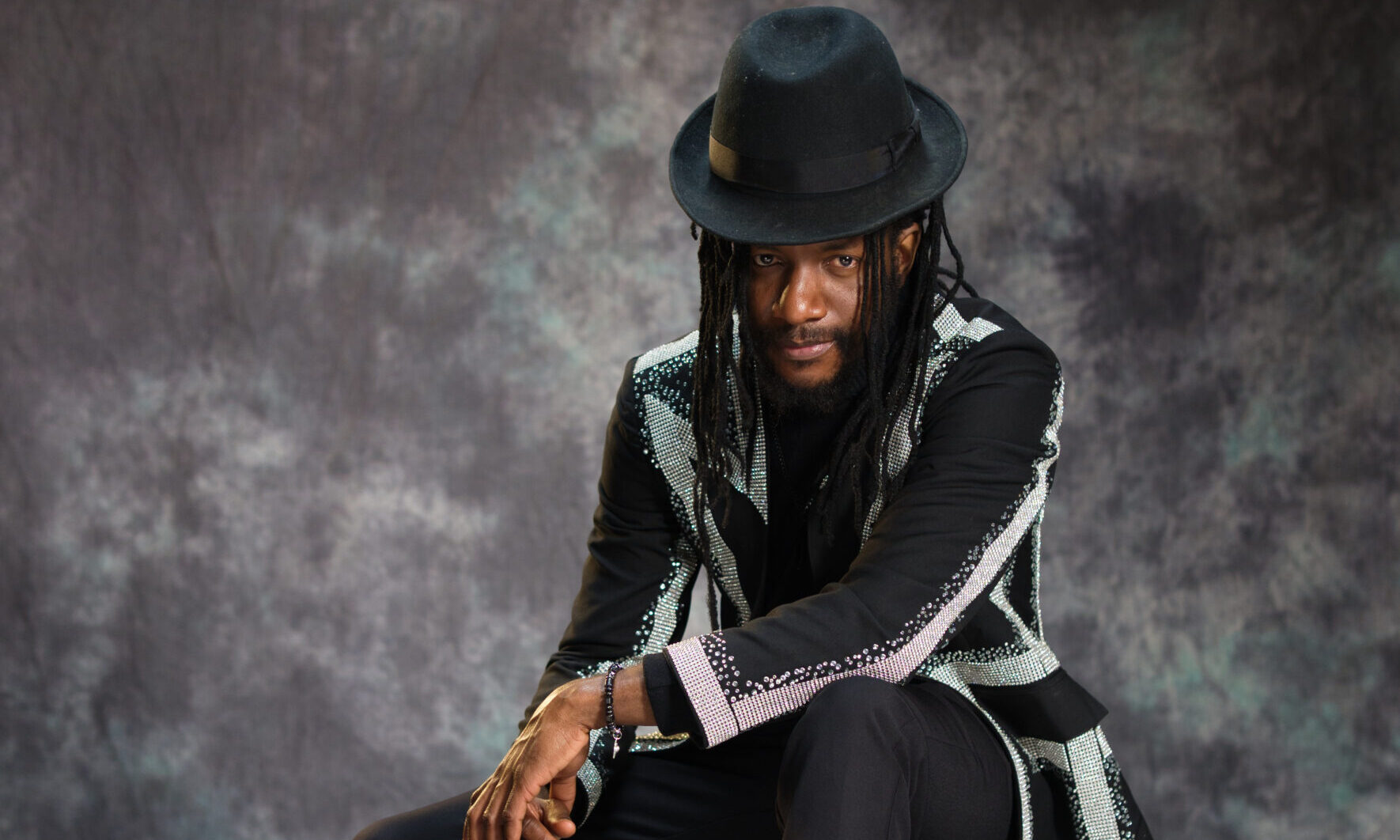
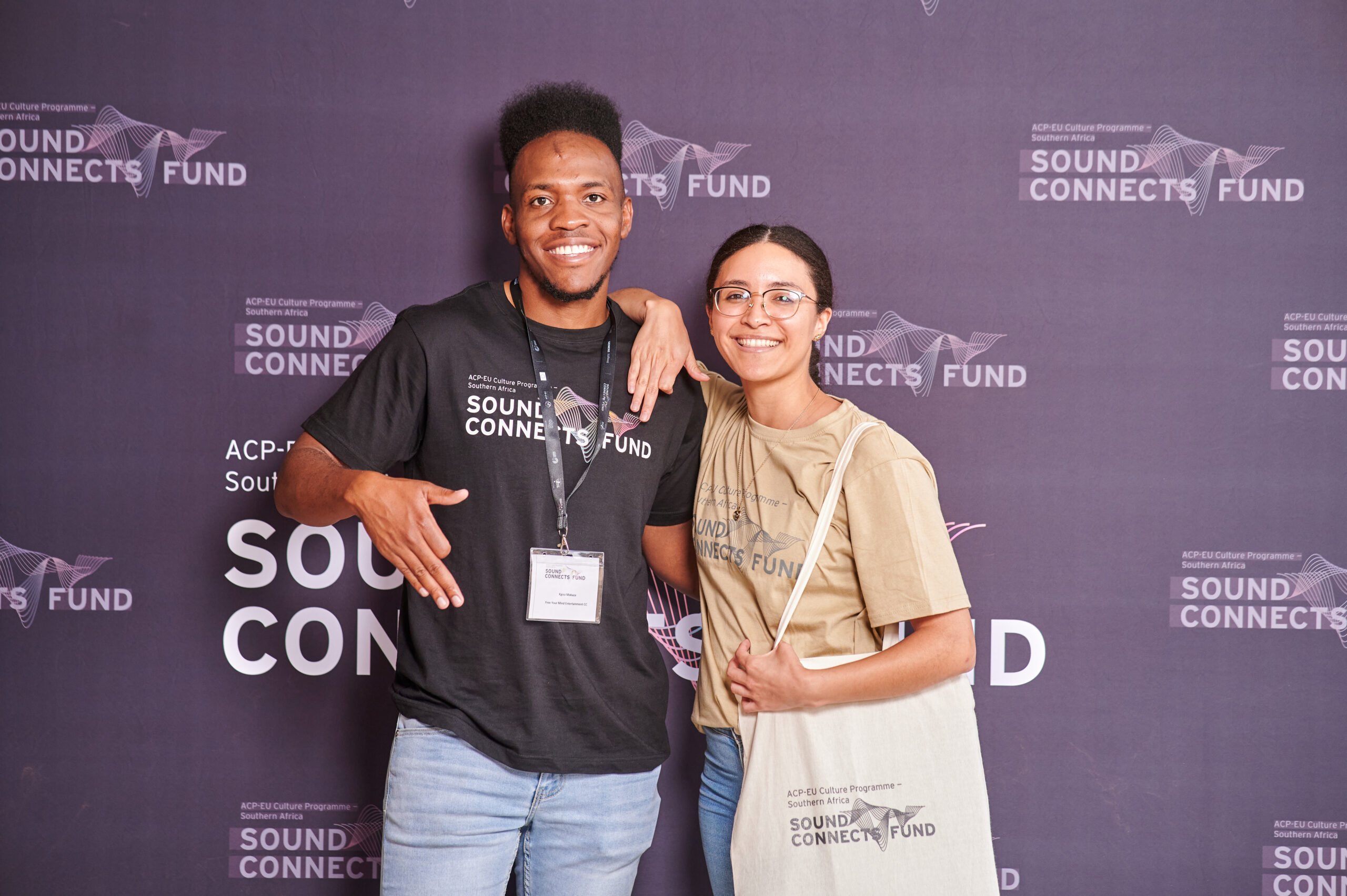
For cultural and creative practitioners and organisations operating in southern Africa, access to funding remains a major challenge. The COVID-19 pandemic has also had a massive impact on government policy, spending and the economy in general, and has seen spending on culture being moved further down the list of priorities. Further, the cultural and creative industries repeatedly cite four main areas where investment is needed for growth, which are increased visibility, mobility including access to new markets, finance and support structures.

Instrument Building And Repair Project

Experience the Vibrations African Instruments Exhibition online in 3D

banner image

14 chansons pour la Journée des droits de l'homme en Afrique du Sud

Home/Non classé/14 chansons pour la Journée des droits de l’homme en Afrique du Sud

Dans les années qui ont précédé l’avènement de la démocratie en 1994, des artistes tels que Miriam Makeba, Hugh Masekela, Abdullah Ibrahim, Johnny Clegg et Brenda Fassie, parmi tant d’autres, ont mené la lutte contre l’apartheid avec leur musique et leur activisme. Pendant leur exil, Masekela, Makeba et Ibrahim ont continué à publier des chansons de protestation malgré les lois de censure dans leur pays, sensibilisant l’Occident au traitement inhumain des personnes par le gouvernement de l’apartheid.

D’autres du continent et d’ailleurs comme Youssou N’Dour, Stevie Wonder, Peter Gabriel et Eddy Grant ont également rejoint le chœur pour dénoncer le régime. Depuis 1994, la musique continue de jouer un rôle majeur dans la lutte contre la brutalité policière et l’oppression socio-économique, de nombreux artistes poursuivant le travail des grands noms susmentionnés.

À l’occasion de cette commémoration nationale sud-africaine, nous vous proposons une playlist de chansons qui racontent l’injustice sociale et les violations des droits de l’homme, tout en honorant les acteurs anti-apartheid qui ont consacré leur vie à l’activisme pour la liberation. 

Bring Him Back Home (Nelson Mandela) by Hugh Masekela

[video:https://www.youtube.com/watch?v=NG3oKb2JQow width:744 height:446 autoplay:0]

It’s Wrong (Apartheid) by Stevie Wonder

[video:https://www.youtube.com/watch?v=S2HD4IvKjMI width:744 height:446 autoplay:0]

Ndod’emnyama (Beware Verwoerd) by Miriam Makeba

[video:https://www.youtube.com/watch?v=5lwdJYHyffk width:744 height:446 autoplay:0]

Black President by Brenda Fassie

[video:https://www.youtube.com/watch?v=aRkSi3tJDlE width:744 height:446 autoplay:0]

Fire in Soweto by Sonny Okosun

[video:https://www.youtube.com/watch?v=inCMdSWYKOo width:744 height:446 autoplay:0]

Never Again by Prophets of Da City

[video:https://www.youtube.com/watch?v=vhN_GzCbH0I&t=1s width:744 height:446 autoplay:0] 

Nelson Mandela by Youssou N’Dour.

[video:https://www.youtube.com/watch?v=vXV8-yOrk2o&t=102s width:744 height:446 autoplay:0]

Asimbonanga by Johnny Clegg and Savuka

[video:https://www.youtube.com/watch?v=rMxeXTnrRV0 width:744 height:446 autoplay:0] 

Sun City by Artists United Against Apartheid

[video:https://www.youtube.com/watch?v=bEhZ55dZKFY width:744 height:446 autoplay:0]

Gimme Hope Jo’anna by Eddy Grant

[video:https://www.youtube.com/watch?v=qFcmNu4KdGI width:744 height:446 autoplay:0]

Sizophelelaphi by Oskido & Msaki

[video:https://www.youtube.com/watch?v=UR5u0Jph0W0 width:744 height:446 autoplay:0] 

Biko by Peter Gabriel

[video:https://www.youtube.com/watch?v=jsVieeccpQs width:744 height:446 autoplay:0]

Tutu by Miles Davis 

[video:https://www.youtube.com/watch?v=0Jnqz62d9oM width:744 height:446 autoplay:0]

The End Is Near by Malopoets

[video:https://www.youtube.com/watch?v=tmJ7zRwTMxw&t=33s width:744 height:446 autoplay:0]

Vous pouvez consulter l’article original en anglais ici.
newsletter banner

Subscribe to our monthly Newsletter

Follow us on social media