



























NEFCISA
NEFCISA

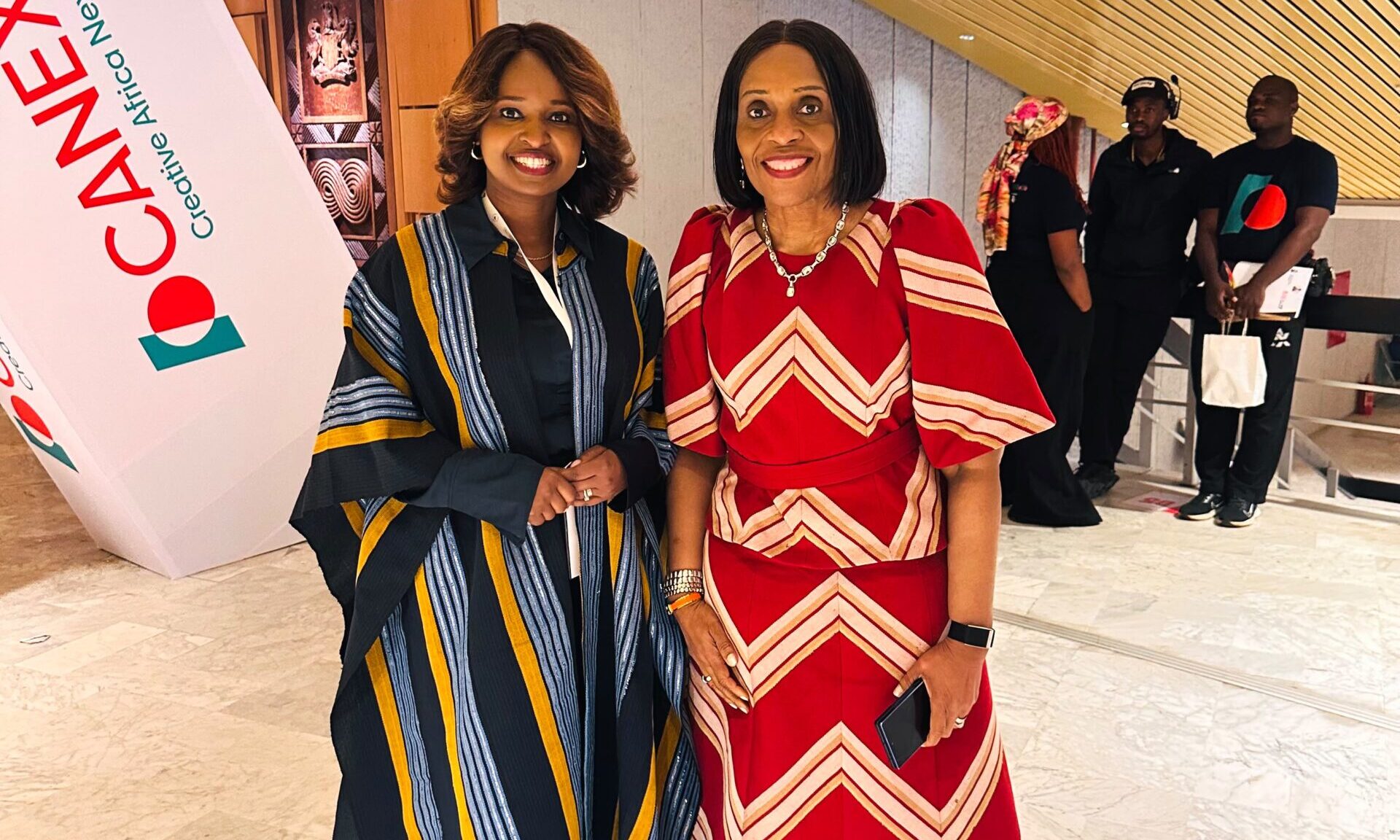
The Music In Africa Foundation (MIAF) is proud of its partnership with the Industrial Development Corporation (IDC) as a Strategic Implementing Partner (SIP) for its Social Employment Fund (SEF). Through this collaboration, MIAF is running a national programme that is creating jobs, addressing skills gaps, and strengthening South Africa's creative industries — in line with the SEF's overarching goal to generate work for the common good and build community value through employment, social contribution, and inclusive economic participation. Operating under the banner NEFCISA (National Employment Facility for Creative Industries in South Africa), the initiative is recruiting and training participants, matching them with host organisations, and has already placed 1 500 workers across the country — surpassing its original target of 1 000. NEFCISA is delivered through a network of 20 host organisations spanning five provinces, who are actively hosting participants and contributing to work for the common good across South Africa's creative and cultural industries. Key Objectives: Support employment and entrepreneurship in the creative industries. Offer skills development and training programmes. Foster partnerships between public and private creative sectors. Promote South African creativity at both provincial and national levels Foster community development through social contribution.

ACCES
ACCES

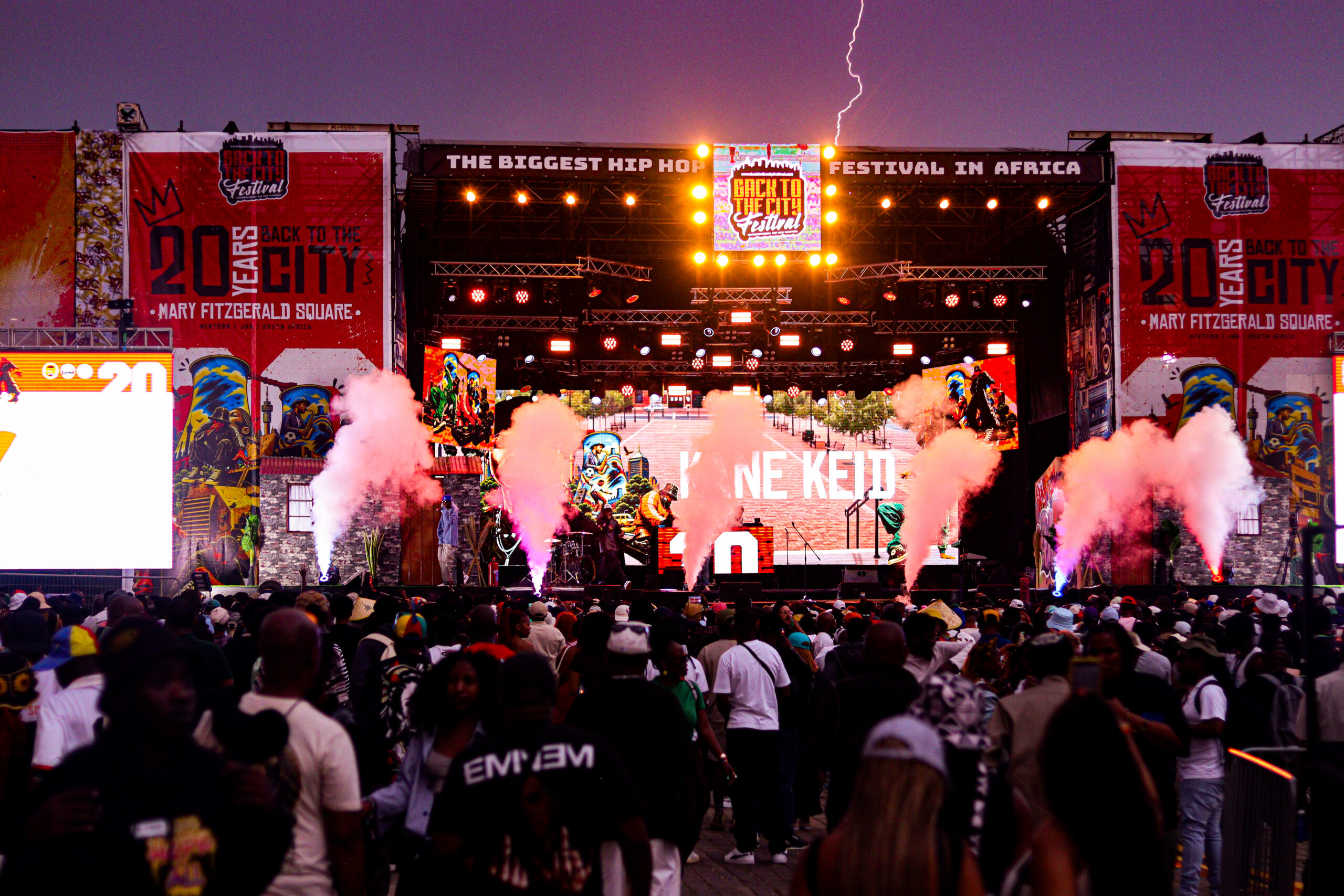
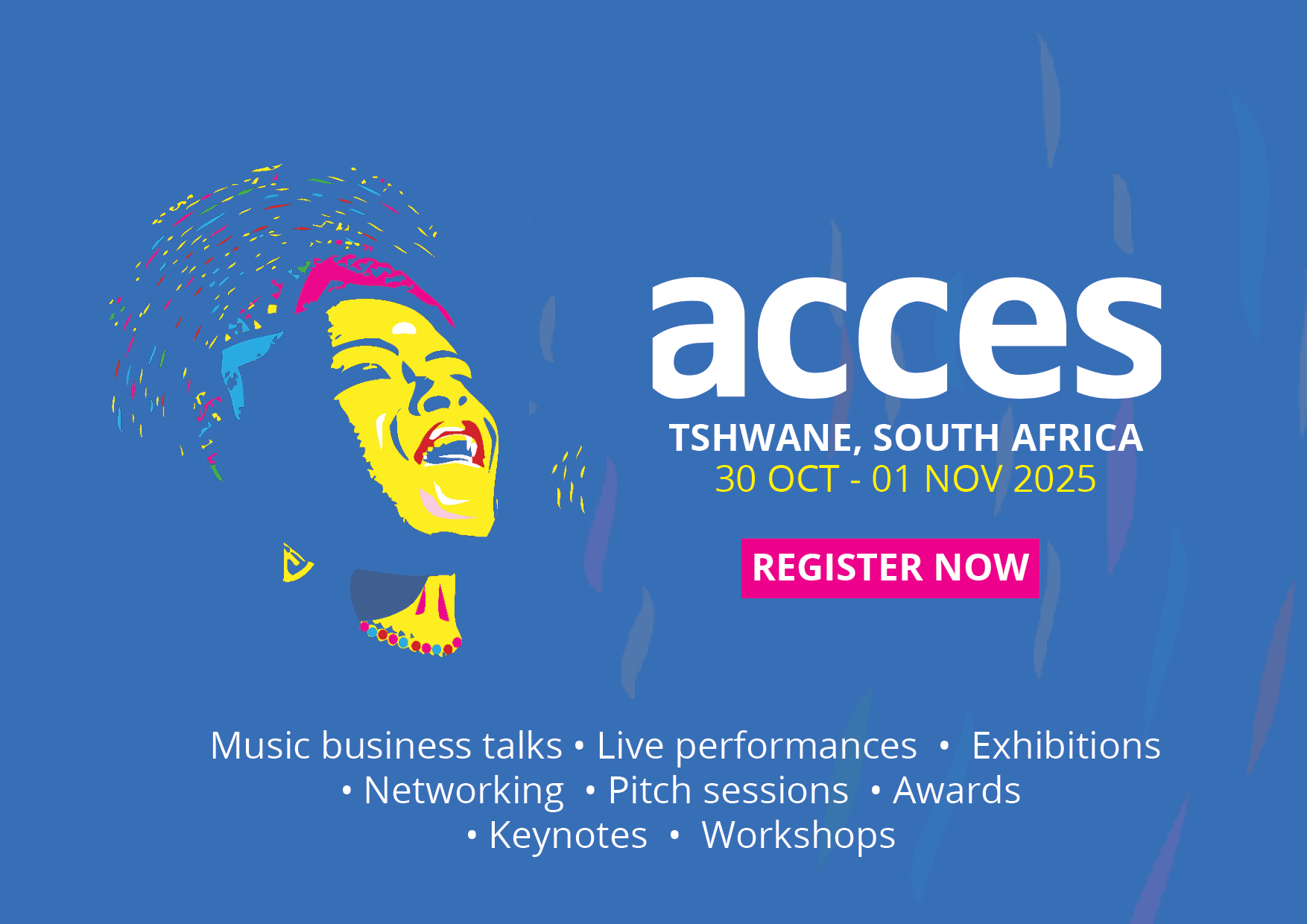
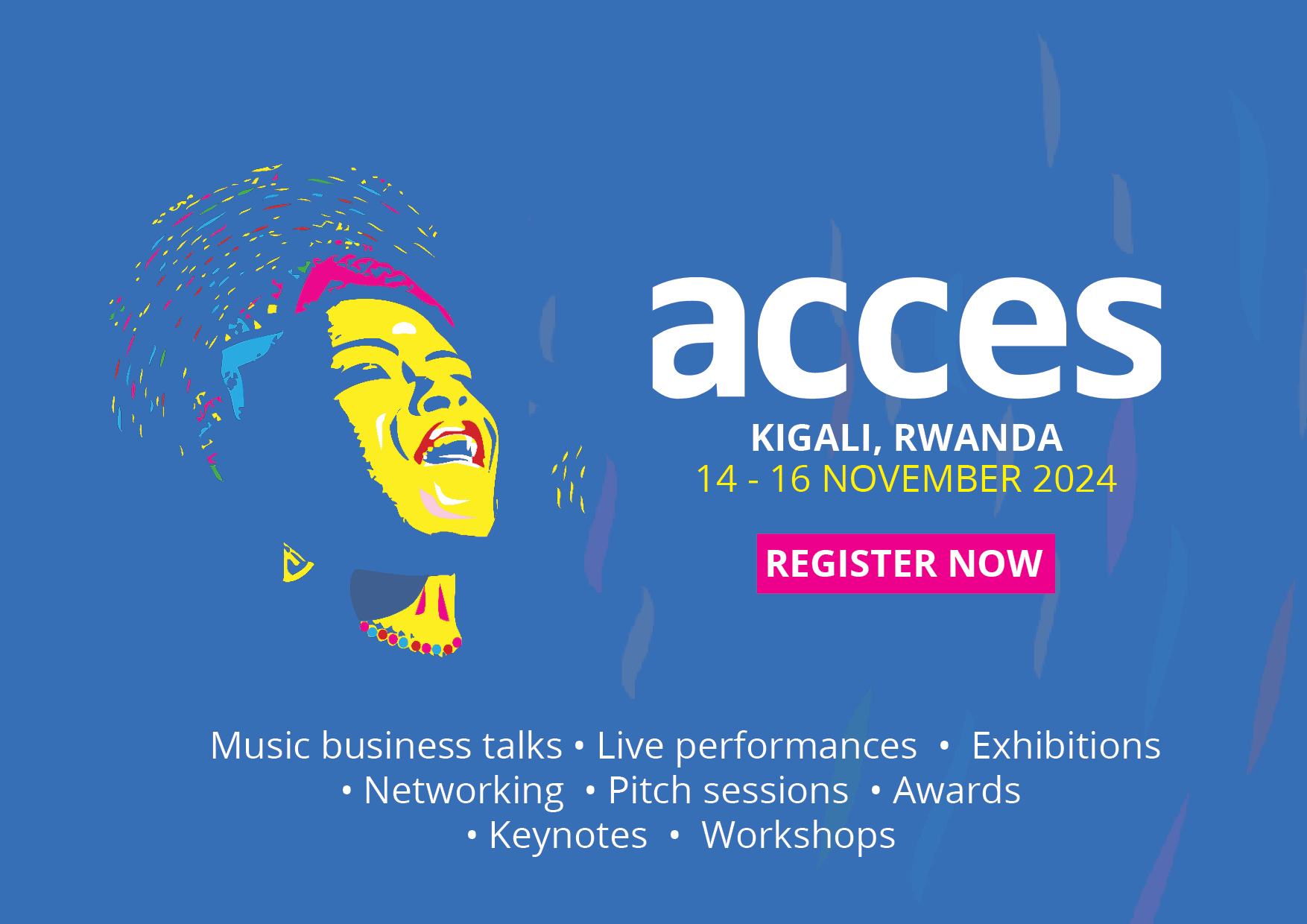
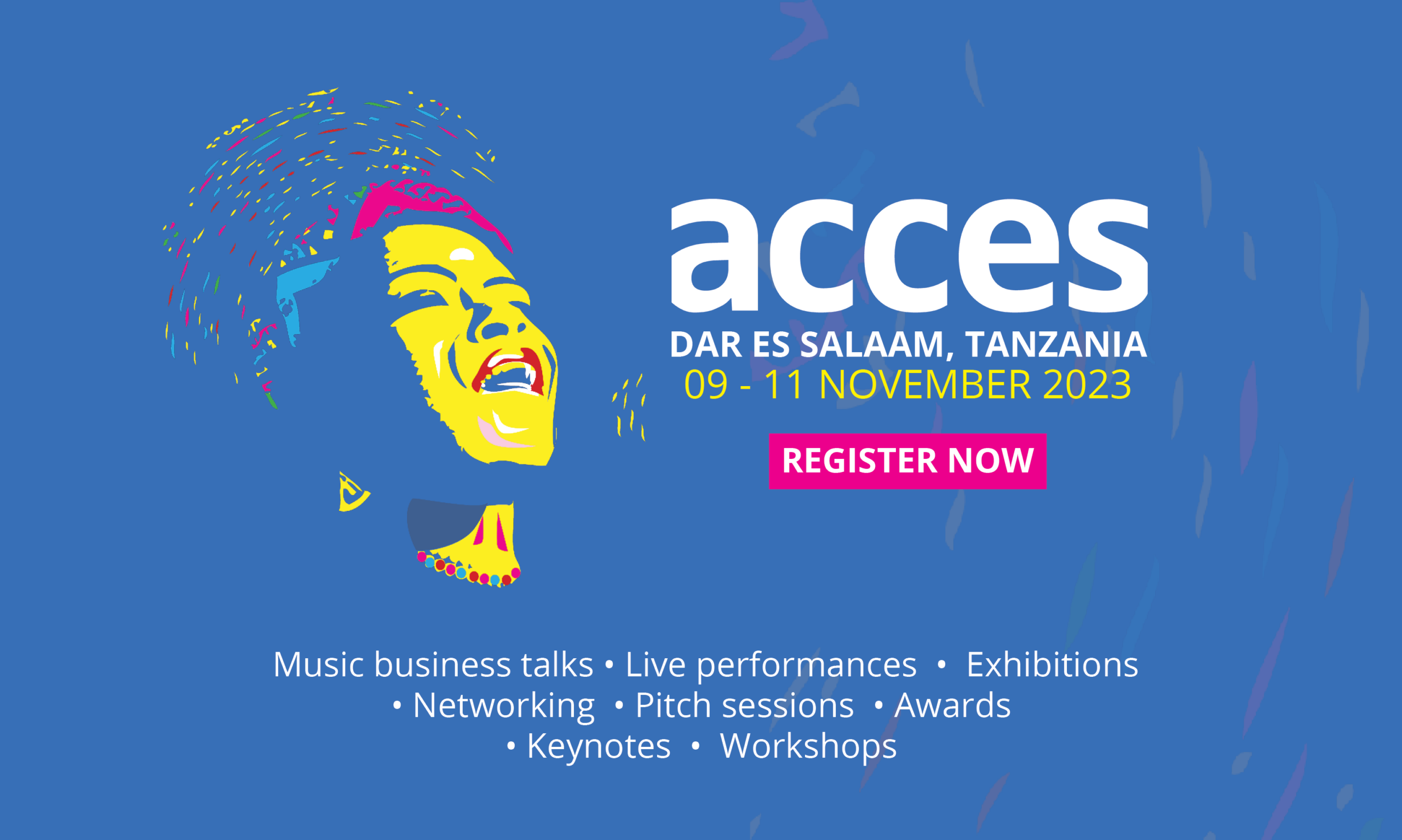
ACCES Conference and Showcase Festival is Africa's leading music industry gathering, bringing together the people shaping the future of the continent's music business. Artists, entrepreneurs, executives, investors, policymakers and cultural leaders from across Africa and around the world come to ACCES to build partnerships, exchange ideas, discover talent and create new business opportunities. Since its launch in 2017, ACCES has become the continent's premier platform for professional exchange and music market development. Combining a high-level conference with a curated showcase festival, networking, exhibitions and industry programmes, ACCES offers a unique space where creativity meets business and where African music connects with the global industry.

Gender@Work
Gender@Work

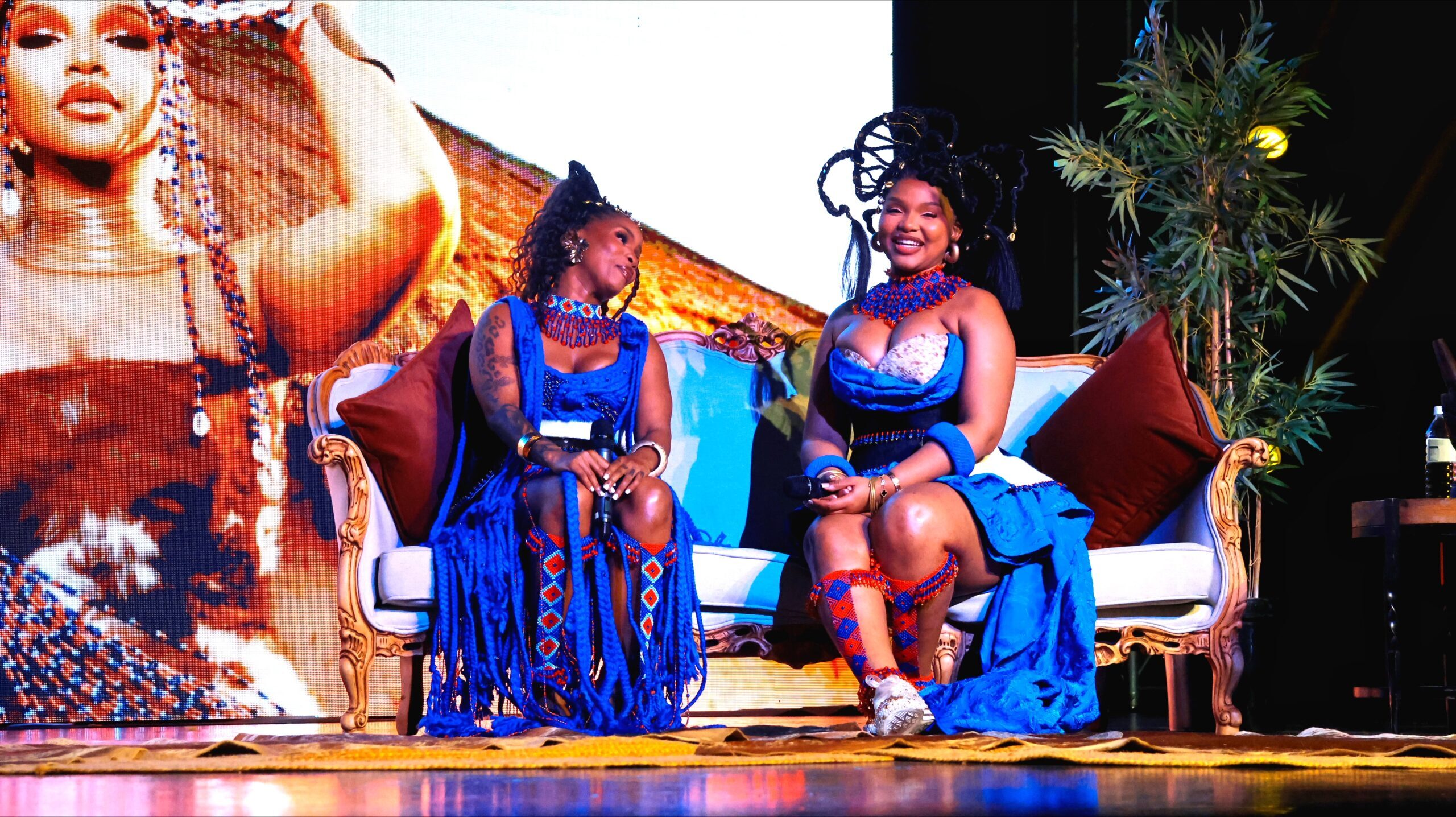
Music In Africa Gender @ Work is a three-year training programme aimed at upskilling and increasing the participation of female professionals in the African music sector. Launched by the Music In Africa Foundation (MIAF) in April 2019, the programme is connected to the MIAF’s ACCES music conference – a pan-African event held in a different African country every year. This connection enables the programme to reach new participants in a different African country every year. The programme marks the beginning of a more concerted effort by the Foundation to support the participation and inclusion of women in all facets of its programmes and the music sector in Africa as a whole. Over the three years, the programme will aim to address gender imbalances in the sector through training, lobbying, facilitating knowledge exchange and dialogues that foster the interest of women. The broader objectives of the programme are to: Provide industry training for women on critical music industry skills, focusing on: Stage management Electronic music production and recording Music business management Technical knowledge Provide an opportunity for both professional and aspiring women to benefit from the Music In Africa network and its broad range of activities in 2019, 2020 and 2021. Provide a solution-based platform in the form of a round table at ACCES with a view to identify challenges, discuss opportunities and lobby for the interests of female practitioners. Offer participants the opportunity to benefit from programmes offered by MIAF’s partners. Increase access to educational materials. Integrate participants in the broader ACCES programme to maximise experience and exposure to the industry. Record and present training materials on the www.musicinafrica.net, including but not limited to tutorials, templates and other best-practice materials. Communicate women-based themes that support the initiatives and messages of the programme. MAIN TRAINING ACTIVITIES Training in first country (Ghana): In the first year, participants will be trained on all aspects of stage management by a team of experienced stage managers from 10 to 17 November 2019. The programme will offer robust classroom training as well as practical, hands-on training in which participants will also be given the opportunity to manage various aspects of the ACCES performance programme. Training in second country: The second training iteration will take place at ACCES 2020 when the programme will diversify its course to include music production lessons and training on other music business topics. A round-table platform will also be introduced to coincide with the ACCES programme. Training in third country: The third training iteration will take place at ACCES 2021 in a different country, offering an advanced course. HOW DO YOU GET INVOLVED?  As a participant, facilitator or trainer: The programme enrolls up to 12 trainees every year. All opportunities are advertised publicly on this website, and will be added to this page. Please keep checking this page for new calls (below under UPDATES & CURRENT OPPORTUNITIES). As a partner Please contact Claire Metais at [email protected]. APPLY The call for applications for 2020 will be announced soon. The Music In Africa Gender @ Work programme is made possible with the support of the Prince Claus Fund, Siemens Stiftung and Goethe-Institut.

Sound Connects Fund
Sound Connects Fund

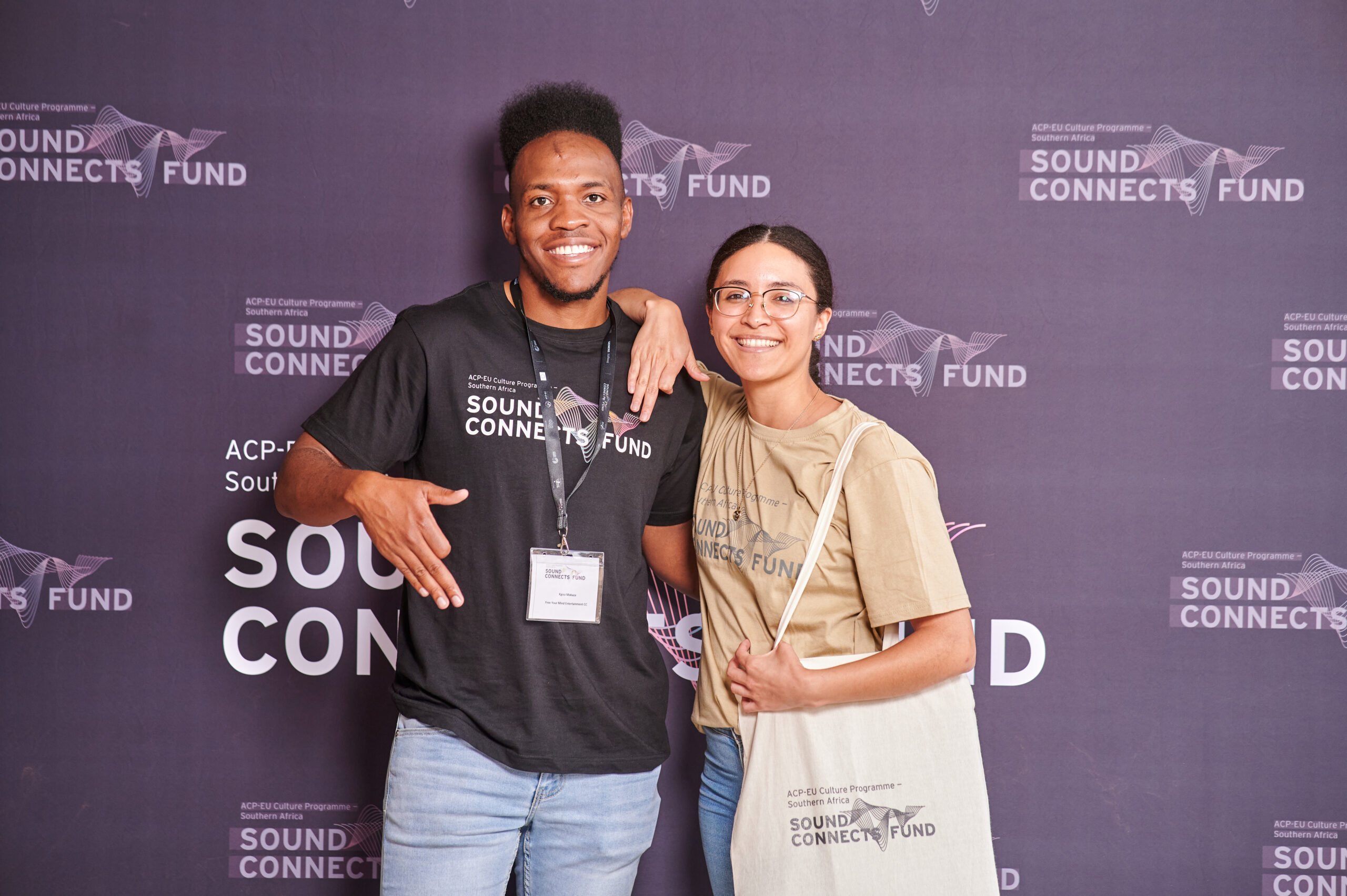
For cultural and creative practitioners and organisations operating in southern Africa, access to funding remains a major challenge. The COVID-19 pandemic has also had a massive impact on government policy, spending and the economy in general, and has seen spending on culture being moved further down the list of priorities. Further, the cultural and creative industries repeatedly cite four main areas where investment is needed for growth, which are increased visibility, mobility including access to new markets, finance and support structures.

Instrument Building And Repair Project

Experience the Vibrations African Instruments Exhibition online in 3D

banner image

Avis de recrutement : chef de bureau et représentant de l'UNESCO en Côte d'Ivoire

Home/Non classé/Avis de recrutement : chef de bureau et représentant de l’UNESCO en Côte d’Ivoire

Missions

Sous l’autorité générale du sous-directeur général pour la Priorité Afrique et les Relations extérieures et sous la supervision directe du directeur du Bureau Régional Multisectoriel pour l’Afrique de l’Ouest, le/la titulaire gèrera, en étroite coopération avec le Bureau Régional Multisectoriel pour l’Afrique de l’Ouest, le programme pluridisciplinaire de ce bureau national en assurant la direction intellectuelle, stratégique et opérationnelle de la planification et de l’exécution des activités répondant aux besoins prioritaires de la Côte d’Ivoire dans l’ensemble des domaines de compétence de l’UNESCO (éducation, sciences, culture, communication et information).

Cette gestion inclura la gestion efficace et efficiente des opérations du Bureau, y compris des problèmes liés à la sécurité et de ses ressources humaines et financières, conformément aux politiques et procédures de l’Organisation, notamment l’application de contrôles internes efficaces.

Par ailleurs, le/la titulaire participera, ou assurera la participation du Bureau, aux réunions et activités de l’équipe de pays Nations Unies (UNCT) en Côte d’Ivoire.

Profil recherché

Qualifications requises :

  • Diplôme universitaire supérieur (master ou équivalent) dans une discipline en rapport avec le mandat de l’UNESCO, en administration publique ou des entreprises, ou dans le domaine des relations internationales.
  • Au moins dix (10) années d’expérience professionnelle à des postes de direction appropriés au sein du système des Nations Unies ou d’autres institutions internationales ou nationales, dont une vaste expérience des questions de développement en rapport avec les domaines de compétence de l’UNESCO, acquise en association avec des organisations nationales ou internationales.
  • Expérience de la conception, de la mise en œuvre et de la gestion de projet ainsi que dans le domaine du plaidoyer et de la mobilisation des ressources et de partenariats.
  • Adhésion au mandat, à la vision, à l’orientation stratégique et aux priorités de l’Organisation.
  • Aptitude au leadership institutionnel et sens poussé de l’objectivité et de l’intégrité professionnelle, tact, diplomatie et finesse politique.
  • Compétences avérées en matière d’administration et de gestion des ressources financières et humaines.
  • Aptitude démontrée à la planification stratégique et à la gestion et, notamment, capacité de gérer des programmes et des projets, des ressources humaines et financières, et d’exercer la supervision et le contrôle requis.
  • Qualités d’organisation, particulièrement aptitude à établir et mettre en œuvre des plans et des priorités.
  • Capacité à interagir avec un large éventail de partenaires de haut niveau, et expérience avérée en matière de développement de partenariats et de collecte de fonds.
  • Aptitude à exercer un leadership intellectuel pour guider le personnel, et capacité de créer un climat de confiance, de résoudre, diriger et motiver des équipes dans un environnement multiculturel avec tact et dans le respect de la diversité et d’assurer la formation continue et le perfectionnement du personnel.
  • Aptitude à communiquer efficacement et de façon convaincante, oralement et par écrit ; aptitude avérée à dialoguer avec divers partenaires et autres parties prenantes, ainsi que les médias.
  • Excellente connaissance et aptitude à la rédaction en français et bonne connaissance pratique de l’anglais.

Qualifications souhaitées :

  • Cours/diplôme/formation dans une discipline en rapport avec la gestion.
  • Expérience dans la conduite de dialogue politique au niveau gouvernemental ou non-gouvernemental, ou dans le secteur public ou privé.
  • Bonne culture générale, bonne connaissance géopolitique de la région et solides capacités d’analyse.
  • Leadership et compétences managériales démontrées, associés à une grande flexibilité.
  • Compétences décisionnelles et de jugement.
  • Capacité à identifier les questions stratégiques clés, les objectifs, les opportunités et les risques.
  • Excellentes compétences interpersonnelles et capacité à prendre des initiatives et à entretenir des relations de travail efficaces avec des partenaires de différentes nationalités et origines culturelles.
  • Bonne connaissance du système des Nations Unies.
  • Connaissance d’autres langues officielles de l’UNESCO (arabe, chinois, russe ou espagnol).

Salaires et indemnités

Les traitements de l’UNESCO se composent d’un traitement de base et d’autres prestations pouvant inclure, le cas échéant : 30 jours de congé annuel, allocations pour charge de famille, assurance maladie, régime de retraite, etc.

Comment postuler ?

Les personnes intéressées peuvent soumettre leurs candidatures au plus tard le 30 juin 2022 à minuit (heure de Paris) sur le site officiel de l’Unesco en cliquant ici.

Vous pouvez consulter l’annonce officielle ici.

newsletter banner

Subscribe to our monthly Newsletter

Follow us on social media