






NEFCISA
NEFCISA

The Music In Africa Foundation (MIAF) is proud of its partnership with the Industrial Development Corporation (IDC) as a Strategic Implementing Partner (SIP) for its Social Employment Fund (SEF). Through this collaboration, MIAF is running a national programme that is creating jobs, addressing skills gaps, and strengthening South Africa's creative industries — in line with the SEF's overarching goal to generate work for the common good and build community value through employment, social contribution, and inclusive economic participation. Operating under the banner NEFCISA (National Employment Facility for Creative Industries in South Africa), the initiative is recruiting and training participants, matching them with host organisations, and has already placed 1 500 workers across the country — surpassing its original target of 1 000. NEFCISA is delivered through a network of 20 host organisations spanning five provinces, who are actively hosting participants and contributing to work for the common good across South Africa's creative and cultural industries. Key Objectives: Support employment and entrepreneurship in the creative industries. Offer skills development and training programmes. Foster partnerships between public and private creative sectors. Promote South African creativity at both provincial and national levels Foster community development through social contribution.

ACCES
ACCES

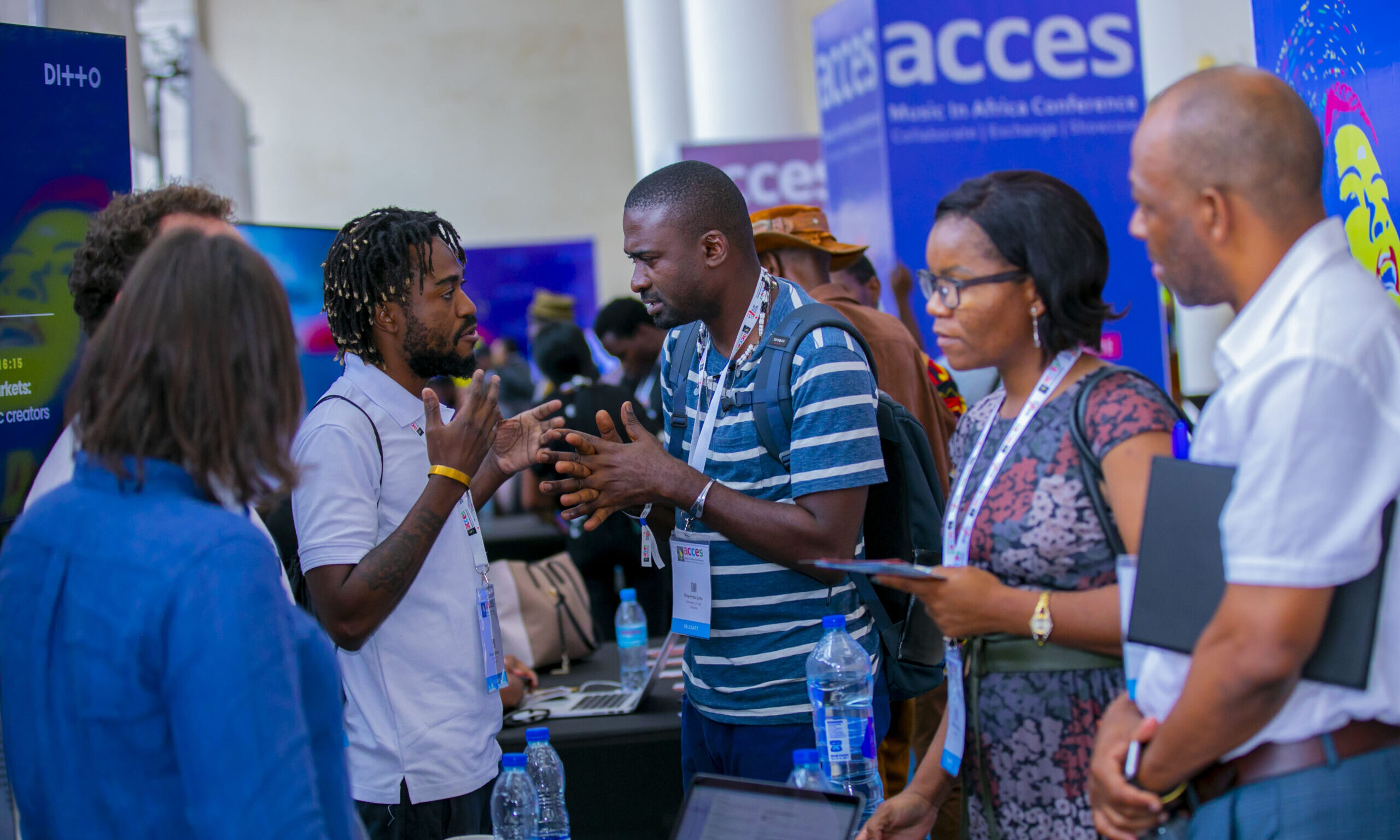
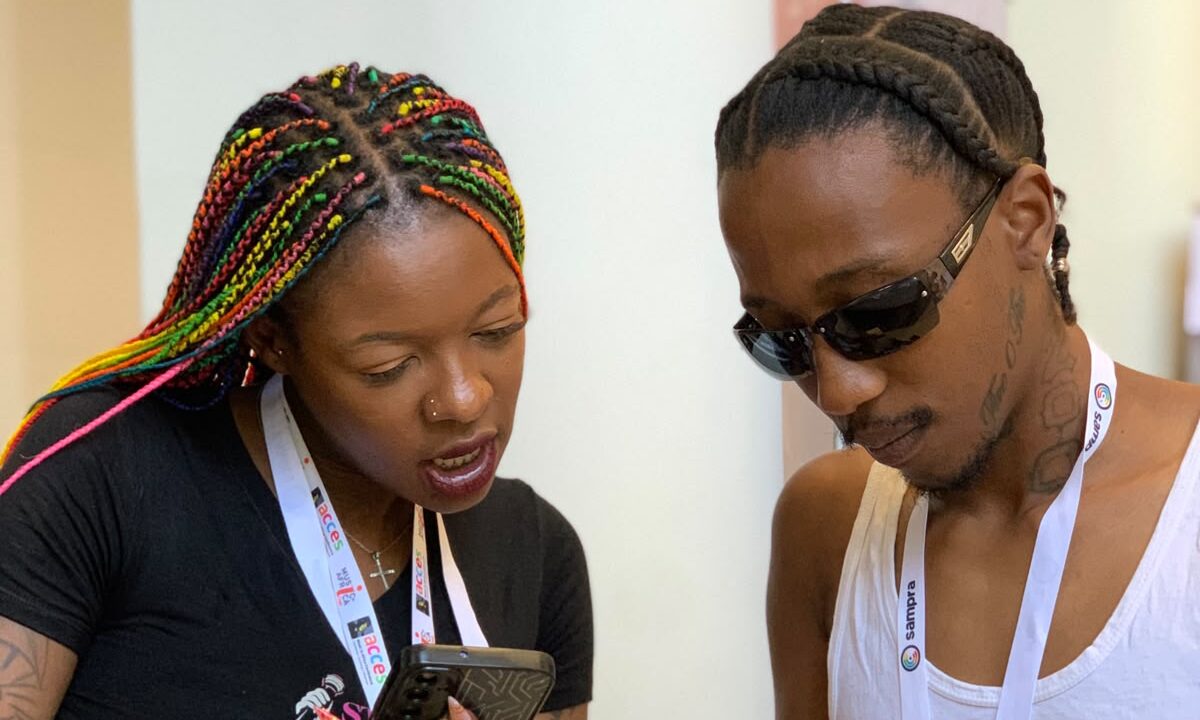
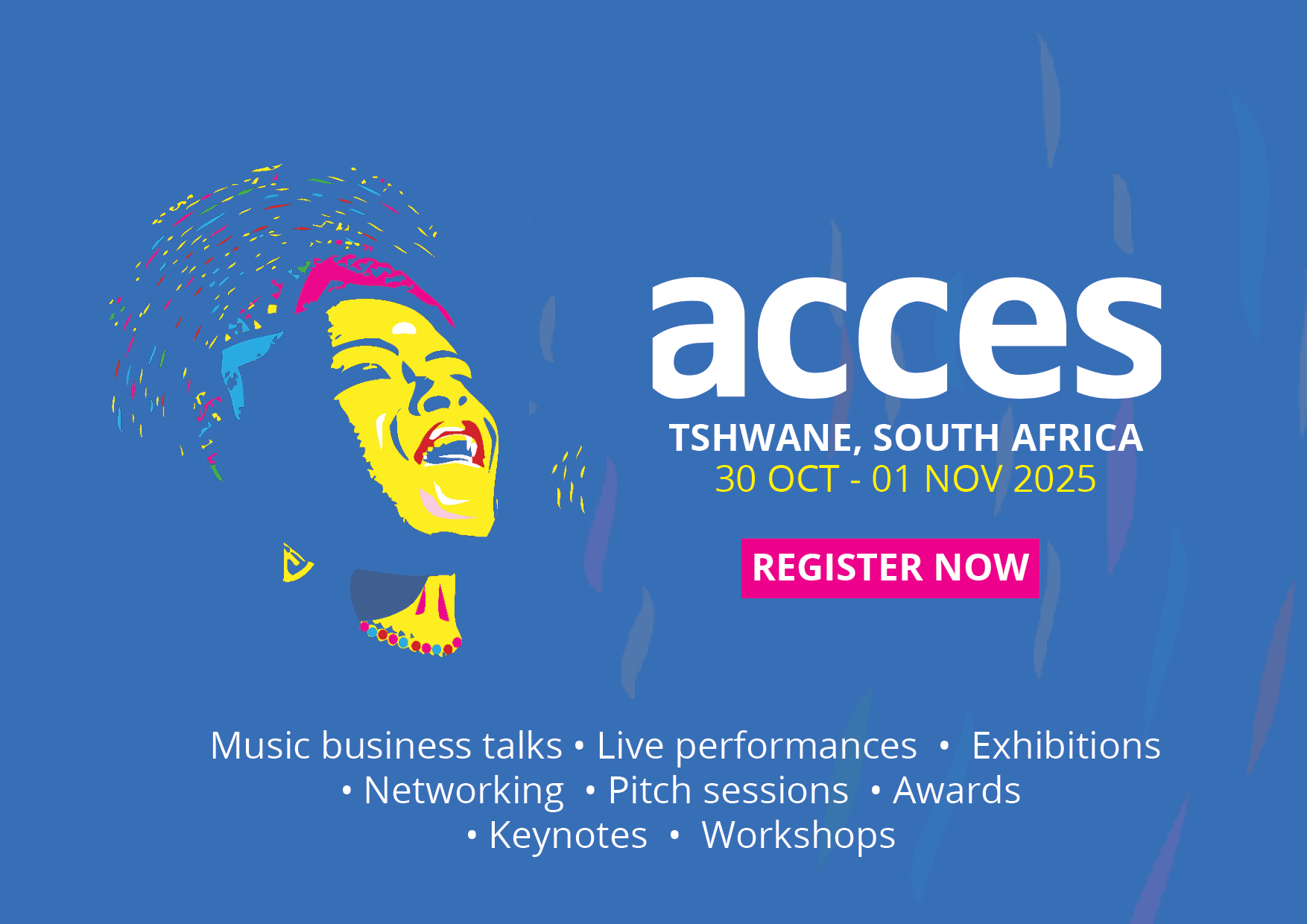
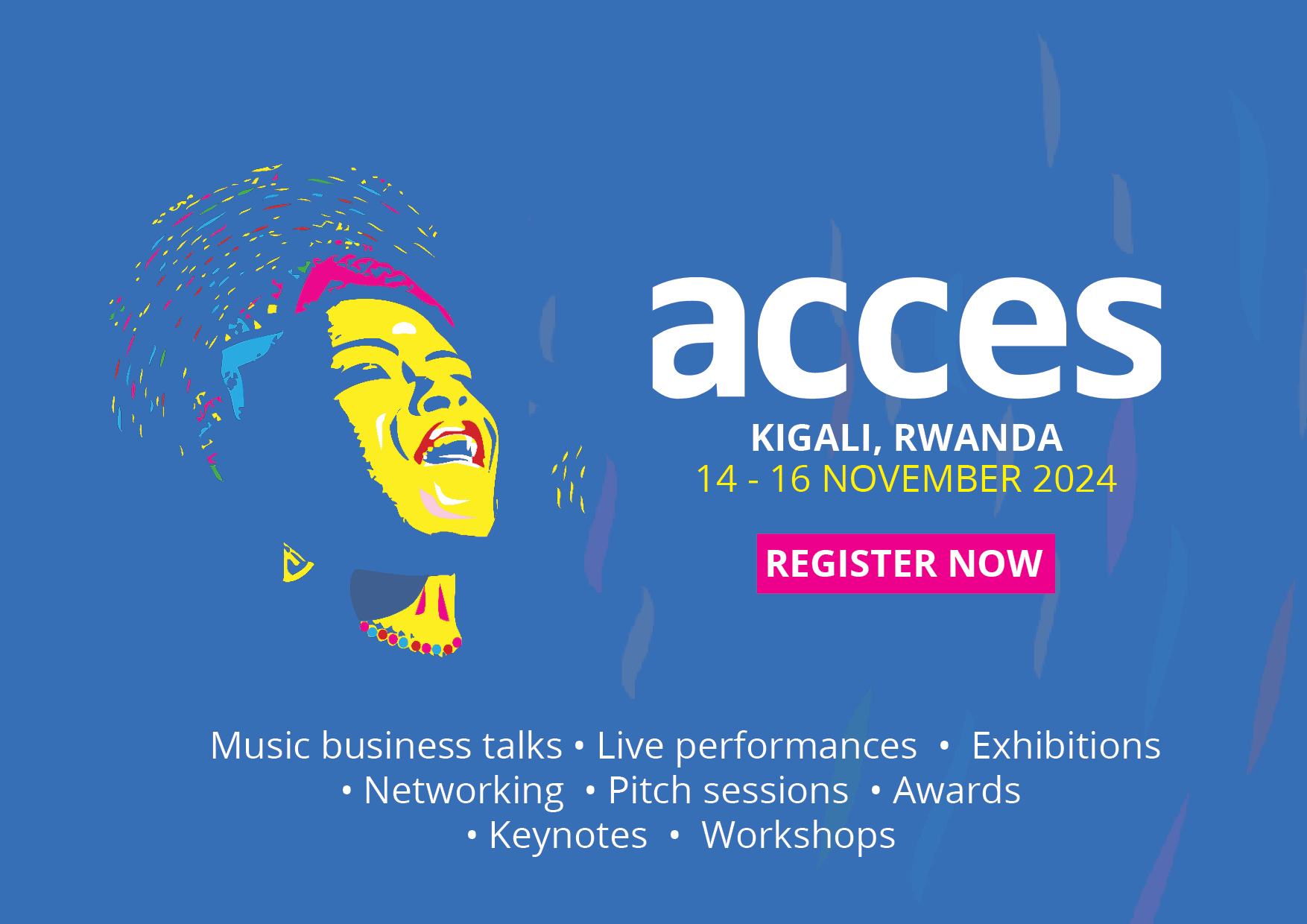
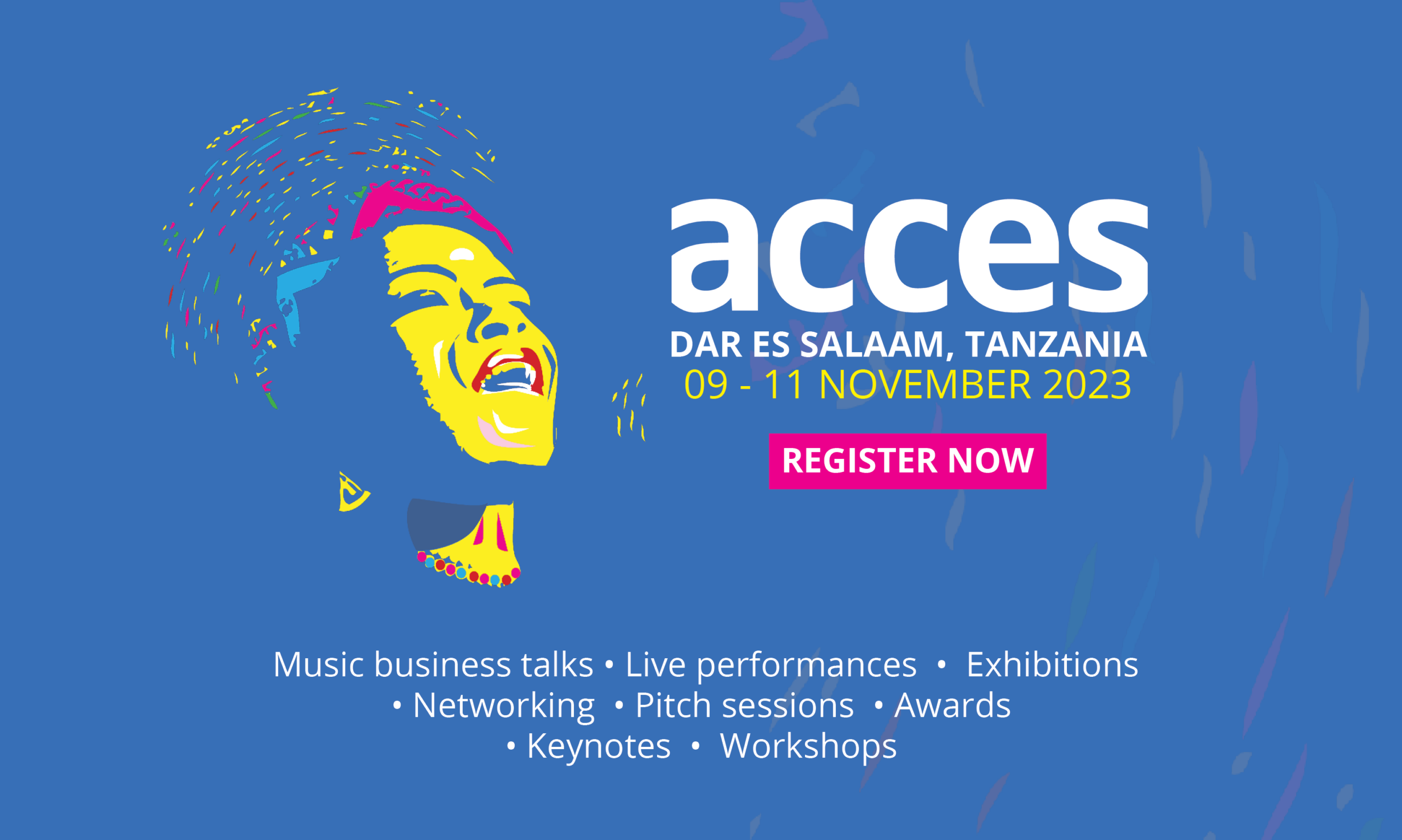
ACCES Conference and Showcase Festival is Africa's leading music industry gathering, bringing together the people shaping the future of the continent's music business. Artists, entrepreneurs, executives, investors, policymakers and cultural leaders from across Africa and around the world come to ACCES to build partnerships, exchange ideas, discover talent and create new business opportunities. Since its launch in 2017, ACCES has become the continent's premier platform for professional exchange and music market development. Combining a high-level conference with a curated showcase festival, networking, exhibitions and industry programmes, ACCES offers a unique space where creativity meets business and where African music connects with the global industry.

Gender@Work
Gender@Work

Music In Africa Gender @ Work is a three-year training programme aimed at upskilling and increasing the participation of female professionals in the African music sector. Launched by the Music In Africa Foundation (MIAF) in April 2019, the programme is connected to the MIAF’s ACCES music conference – a pan-African event held in a different African country every year. This connection enables the programme to reach new participants in a different African country every year. The programme marks the beginning of a more concerted effort by the Foundation to support the participation and inclusion of women in all facets of its programmes and the music sector in Africa as a whole. Over the three years, the programme will aim to address gender imbalances in the sector through training, lobbying, facilitating knowledge exchange and dialogues that foster the interest of women. The broader objectives of the programme are to: Provide industry training for women on critical music industry skills, focusing on: Stage management Electronic music production and recording Music business management Technical knowledge Provide an opportunity for both professional and aspiring women to benefit from the Music In Africa network and its broad range of activities in 2019, 2020 and 2021. Provide a solution-based platform in the form of a round table at ACCES with a view to identify challenges, discuss opportunities and lobby for the interests of female practitioners. Offer participants the opportunity to benefit from programmes offered by MIAF’s partners. Increase access to educational materials. Integrate participants in the broader ACCES programme to maximise experience and exposure to the industry. Record and present training materials on the www.musicinafrica.net, including but not limited to tutorials, templates and other best-practice materials. Communicate women-based themes that support the initiatives and messages of the programme. MAIN TRAINING ACTIVITIES Training in first country (Ghana): In the first year, participants will be trained on all aspects of stage management by a team of experienced stage managers from 10 to 17 November 2019. The programme will offer robust classroom training as well as practical, hands-on training in which participants will also be given the opportunity to manage various aspects of the ACCES performance programme. Training in second country: The second training iteration will take place at ACCES 2020 when the programme will diversify its course to include music production lessons and training on other music business topics. A round-table platform will also be introduced to coincide with the ACCES programme. Training in third country: The third training iteration will take place at ACCES 2021 in a different country, offering an advanced course. HOW DO YOU GET INVOLVED?  As a participant, facilitator or trainer: The programme enrolls up to 12 trainees every year. All opportunities are advertised publicly on this website, and will be added to this page. Please keep checking this page for new calls (below under UPDATES & CURRENT OPPORTUNITIES). As a partner Please contact Claire Metais at [email protected]. APPLY The call for applications for 2020 will be announced soon. The Music In Africa Gender @ Work programme is made possible with the support of the Prince Claus Fund, Siemens Stiftung and Goethe-Institut.

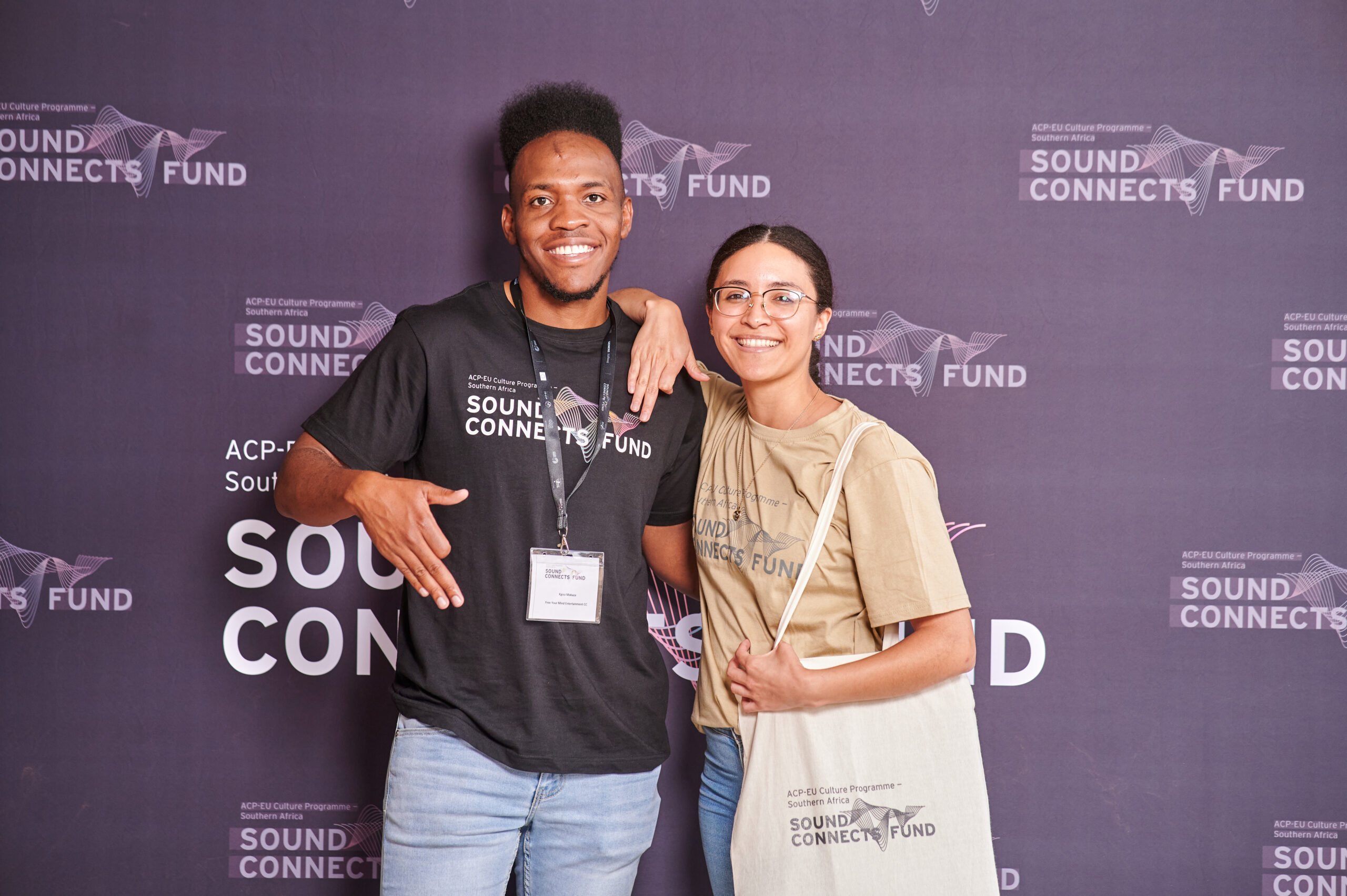
Sound Connects Fund
Sound Connects Fund

For cultural and creative practitioners and organisations operating in southern Africa, access to funding remains a major challenge. The COVID-19 pandemic has also had a massive impact on government policy, spending and the economy in general, and has seen spending on culture being moved further down the list of priorities. Further, the cultural and creative industries repeatedly cite four main areas where investment is needed for growth, which are increased visibility, mobility including access to new markets, finance and support structures.

Instrument Building And Repair Project

Experience the Vibrations African Instruments Exhibition online in 3D

banner image

FrancoBeats 2025 : Trois jours pour célébrer les musiques urbaines francophones

Home/Non classé/FrancoBeats 2025 : Trois jours pour célébrer les musiques urbaines francophones

Du 20 au 22 mars 2025, la ville accueillera des artistes venus de plusieurs horizons, des figures incontournables aux jeunes étoiles montantes, dans un esprit de célébration, de découverte et d’échange. Après une première édition marquée par une programmation éclectique et une belle affluence, FrancoBeats 2025 revient avec une ambition encore plus grande en mettant cette année le Sénégal à l’honneur, un choix qui s’impose tant ce pays a joué un rôle central dans l’essor des musiques urbaines en Afrique francophone.

Le Sénégal est une terre de musique où le hip-hop s’est construit comme un véritable mouvement social. Depuis les années 90, il s’est imposé comme une voix du peuple, un porte-voix des préoccupations des jeunes et une manière d’interpeller les autorités sur les réalités sociales. Des pionniers comme Positive Black Soul, avec Awadi et Duggy Tee, ont tracé la voie à une génération d’artistes engagés, capables de mêler sonorités locales et influences internationales. Pour rendre hommage à cette tradition, FrancoBeats a fait appel à plusieurs figures majeures de la scène hip-hop sénégalaise qui se produiront sur scène et prendront part aux échanges organisés durant ces trois jours.

Didier Awadi est l’un de ces artistes qui incarnent l’histoire du rap sénégalais et sa portée militante. Cofondateur du groupe Positive Black Soul, il est considéré comme une légende du rap africain, un artiste dont les textes dénoncent les injustices, questionnent les politiques et célèbrent l’identité africaine. Toujours actif, il continue d’influencer la nouvelle génération et sera l’une des têtes d’affiche du festival. Matador, autre pionnier du rap sénégalais, sera également présent. Son parcours est marqué par une constance remarquable, une capacité à adapter son art aux évolutions du temps tout en restant fidèle à son message et à ses racines. À leurs côtés, Samba Peuzzi, l’une des figures montantes du rap sénégalais, apportera une touche plus actuelle, reflétant le dynamisme et l’évolution du mouvement. Entre rap, afropop et drill, il incarne cette génération d’artistes qui savent allier mélodies accrocheuses et textes percutants, séduisant aussi bien les puristes que les nouvelles audiences.

Mais le festival ne se limite pas au Sénégal. Il se veut un carrefour des musiques urbaines francophones, un espace où les artistes de divers horizons peuvent se rencontrer et croiser leurs influences. Ahamada Smis, rappeur et poète d’origine comorienne, viendra apporter une touche métissée, lui qui navigue entre les musiques traditionnelles des îles et les rythmes urbains. Tiss Warren Jazz, artiste gabonais à la croisée du jazz, du rap et des musiques afro, viendra quant à lui proposer un univers singulier, ancré dans la tradition tout en étant résolument tourné vers l’innovation. Patche Di Rima, originaire de Guinée-Bissau, complétera cette mosaïque musicale avec son style influencé par le reggae et les sonorités afro-portugaises.

Trois lieux accueilleront cette programmation foisonnante. La Case ouvrira le festival avec une soirée dédiée aux femmes dans les musiques urbaines, mettant en avant Nabashu, artiste sénégalaise à la plume incisive, et Claire Roignant, artiste française qui mêle spoken word et électro pour un univers musical unique. Le Trianon Transatlantique sera le théâtre de la soirée Sénégal en Seine, un moment clé du festival où Awadi, Matador et Samba Peuzzi partageront la scène, offrant une plongée dans le rap sénégalais d’hier et d’aujourd’hui. Enfin, le Palais des Congrès de Oissel accueillera Franco Fusion, une soirée où se croiseront les influences africaines et les musiques urbaines dans une ambiance festive et enivrante.

FrancoBeats est aussi un espace de dialogue, de réflexion et de transmission. Plusieurs rencontres et conférences sont prévues tout au long de l’événement, permettant aux artistes et au public d’échanger sur des thématiques majeures telles que la place des femmes dans les musiques urbaines ou les défis du numérique dans l’industrie musicale. Didier Awadi proposera également une projection-débat autour de son court-métrage Quand on refuse on dit non, une œuvre engagée qui interroge la mémoire et l’engagement des artistes africains.

Grâce au soutien de nombreux partenaires locaux et internationaux, dont Sibafo Productions, le Trianon Transatlantique et la Ville d’Oissel, FrancoBeats 2025 s’annonce comme une édition charnière, marquant un tournant pour le festival et renforçant son ancrage dans le paysage musical francophone. En mettant en avant le Sénégal tout en restant ouvert aux influences diverses, le festival confirme son ambition de devenir un rendez-vous incontournable pour tous ceux qui font vivre et évoluer les musiques urbaines francophones.

Les billets sont disponibles dès maintenant sur les plateformes habituelles, et il ne fait aucun doute que cette édition saura séduire aussi bien les passionnés de hip-hop que les curieux avides de découvertes musicales. Pendant trois jours, Rouen sera le centre névralgique de la francophonie musicale, un lieu où les rythmes et les mots tissent des liens entre les générations et les cultures, affirmant avec force que les musiques urbaines francophones ont encore beaucoup à dire et à offrir.
newsletter banner

Subscribe to our monthly Newsletter

Follow us on social media