
























NEFCISA
NEFCISA

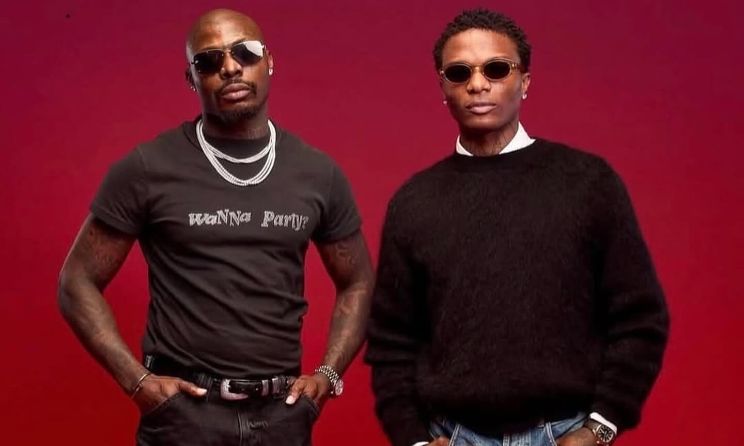
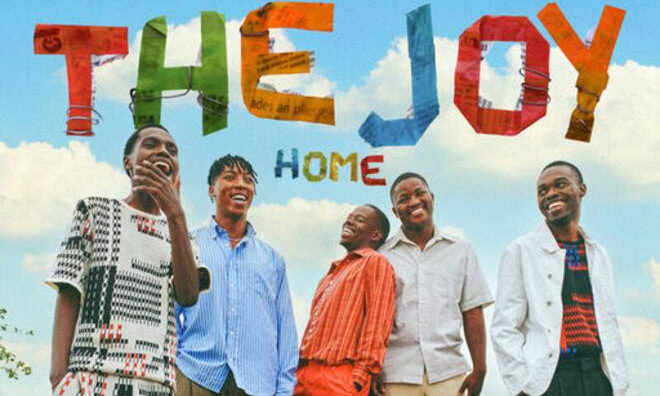
The Music In Africa Foundation (MIAF) is proud of its partnership with the Industrial Development Corporation (IDC) as a Strategic Implementing Partner (SIP) for its Social Employment Fund (SEF). Through this collaboration, MIAF is running a national programme that is creating jobs, addressing skills gaps, and strengthening South Africa's creative industries — in line with the SEF's overarching goal to generate work for the common good and build community value through employment, social contribution, and inclusive economic participation. Operating under the banner NEFCISA (National Employment Facility for Creative Industries in South Africa), the initiative is recruiting and training participants, matching them with host organisations, and has already placed 1 500 workers across the country — surpassing its original target of 1 000. NEFCISA is delivered through a network of 20 host organisations spanning five provinces, who are actively hosting participants and contributing to work for the common good across South Africa's creative and cultural industries. Key Objectives: Support employment and entrepreneurship in the creative industries. Offer skills development and training programmes. Foster partnerships between public and private creative sectors. Promote South African creativity at both provincial and national levels Foster community development through social contribution.

ACCES
ACCES

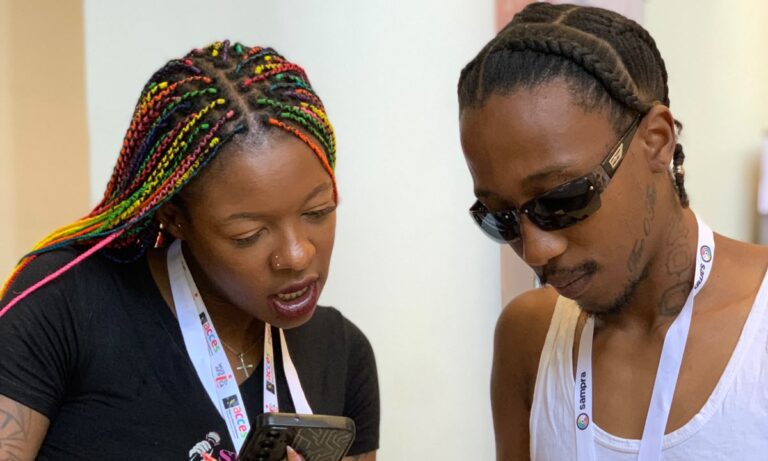
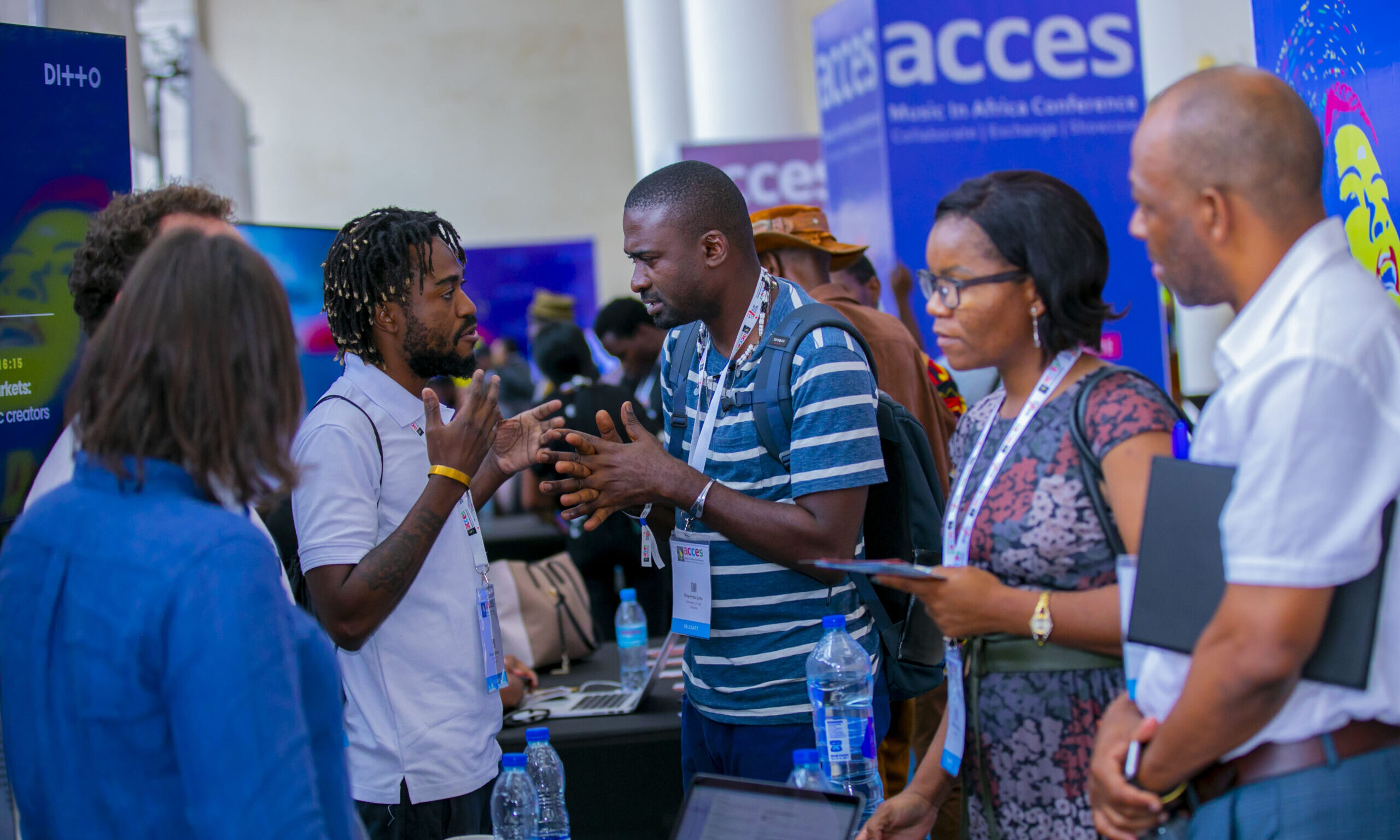
ACCES Conference and Showcase Festival is Africa's leading music industry gathering, bringing together the people shaping the future of the continent's music business. Artists, entrepreneurs, executives, investors, policymakers and cultural leaders from across Africa and around the world come to ACCES to build partnerships, exchange ideas, discover talent and create new business opportunities. Since its launch in 2017, ACCES has become the continent's premier platform for professional exchange and music market development. Combining a high-level conference with a curated showcase festival, networking, exhibitions and industry programmes, ACCES offers a unique space where creativity meets business and where African music connects with the global industry.

Gender@Work
Gender@Work

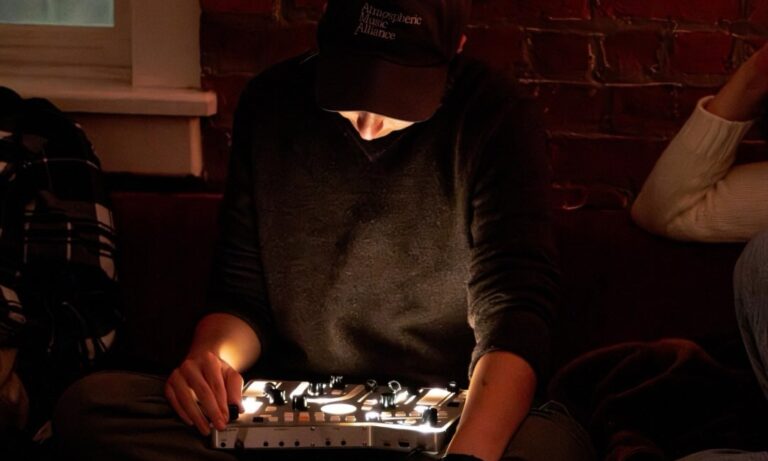
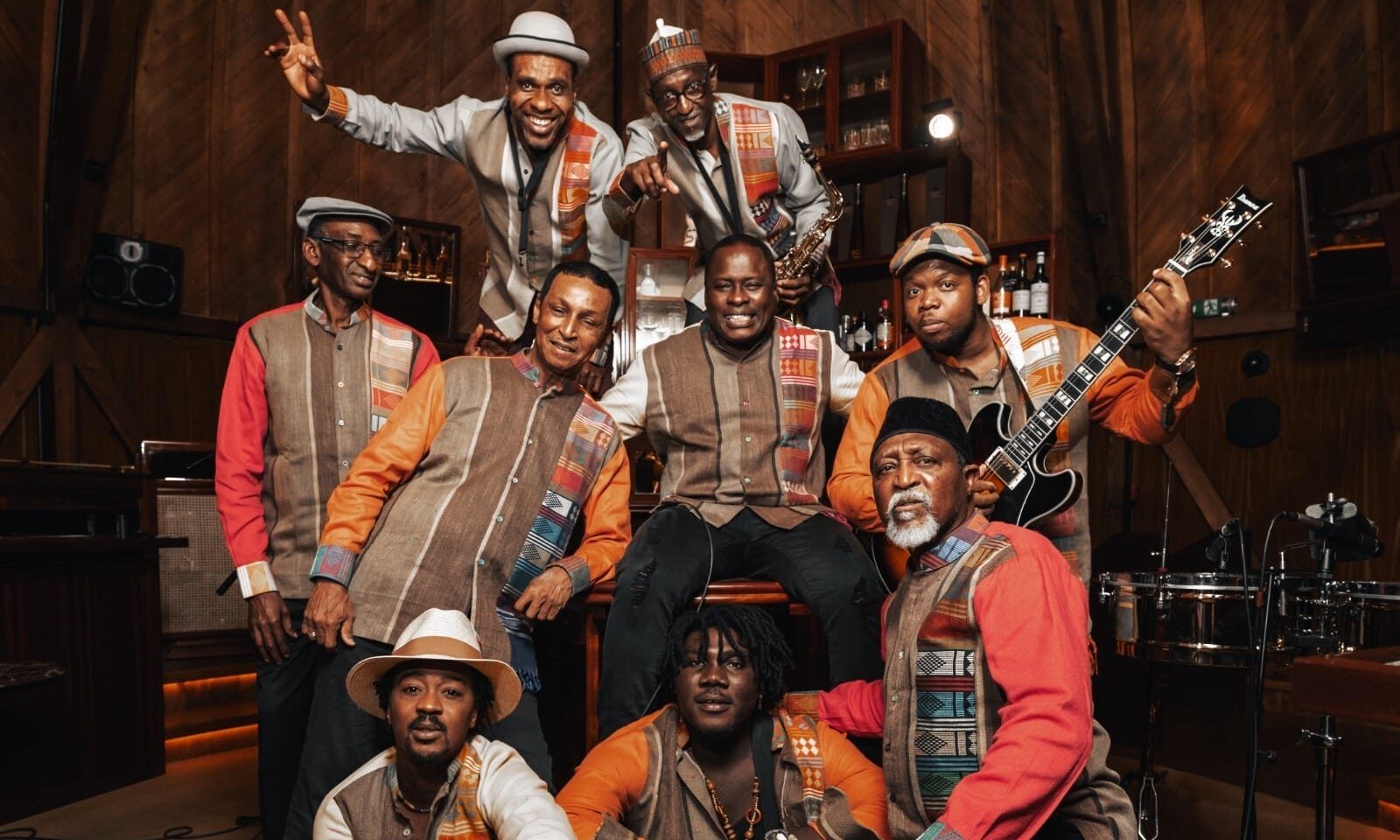
Music In Africa Gender @ Work is a three-year training programme aimed at upskilling and increasing the participation of female professionals in the African music sector. Launched by the Music In Africa Foundation (MIAF) in April 2019, the programme is connected to the MIAF’s ACCES music conference – a pan-African event held in a different African country every year. This connection enables the programme to reach new participants in a different African country every year. The programme marks the beginning of a more concerted effort by the Foundation to support the participation and inclusion of women in all facets of its programmes and the music sector in Africa as a whole. Over the three years, the programme will aim to address gender imbalances in the sector through training, lobbying, facilitating knowledge exchange and dialogues that foster the interest of women. The broader objectives of the programme are to: Provide industry training for women on critical music industry skills, focusing on: Stage management Electronic music production and recording Music business management Technical knowledge Provide an opportunity for both professional and aspiring women to benefit from the Music In Africa network and its broad range of activities in 2019, 2020 and 2021. Provide a solution-based platform in the form of a round table at ACCES with a view to identify challenges, discuss opportunities and lobby for the interests of female practitioners. Offer participants the opportunity to benefit from programmes offered by MIAF’s partners. Increase access to educational materials. Integrate participants in the broader ACCES programme to maximise experience and exposure to the industry. Record and present training materials on the www.musicinafrica.net, including but not limited to tutorials, templates and other best-practice materials. Communicate women-based themes that support the initiatives and messages of the programme. MAIN TRAINING ACTIVITIES Training in first country (Ghana): In the first year, participants will be trained on all aspects of stage management by a team of experienced stage managers from 10 to 17 November 2019. The programme will offer robust classroom training as well as practical, hands-on training in which participants will also be given the opportunity to manage various aspects of the ACCES performance programme. Training in second country: The second training iteration will take place at ACCES 2020 when the programme will diversify its course to include music production lessons and training on other music business topics. A round-table platform will also be introduced to coincide with the ACCES programme. Training in third country: The third training iteration will take place at ACCES 2021 in a different country, offering an advanced course. HOW DO YOU GET INVOLVED?  As a participant, facilitator or trainer: The programme enrolls up to 12 trainees every year. All opportunities are advertised publicly on this website, and will be added to this page. Please keep checking this page for new calls (below under UPDATES & CURRENT OPPORTUNITIES). As a partner Please contact Claire Metais at [email protected]. APPLY The call for applications for 2020 will be announced soon. The Music In Africa Gender @ Work programme is made possible with the support of the Prince Claus Fund, Siemens Stiftung and Goethe-Institut.

Sound Connects Fund
Sound Connects Fund

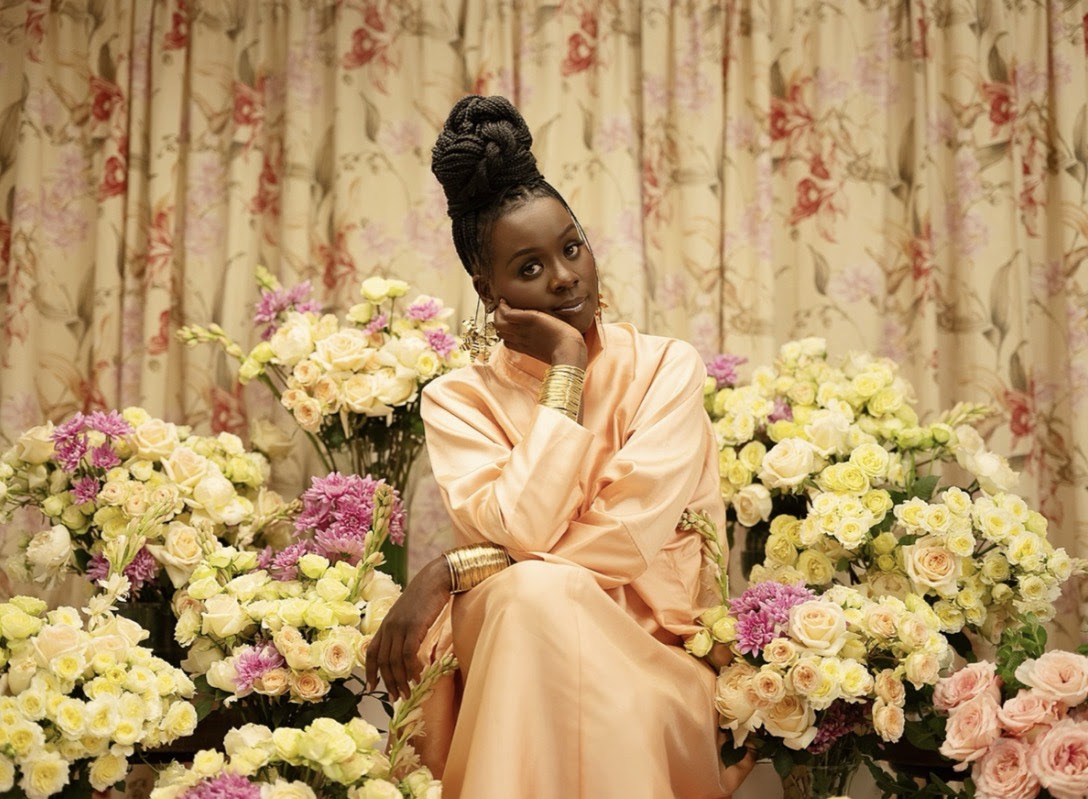
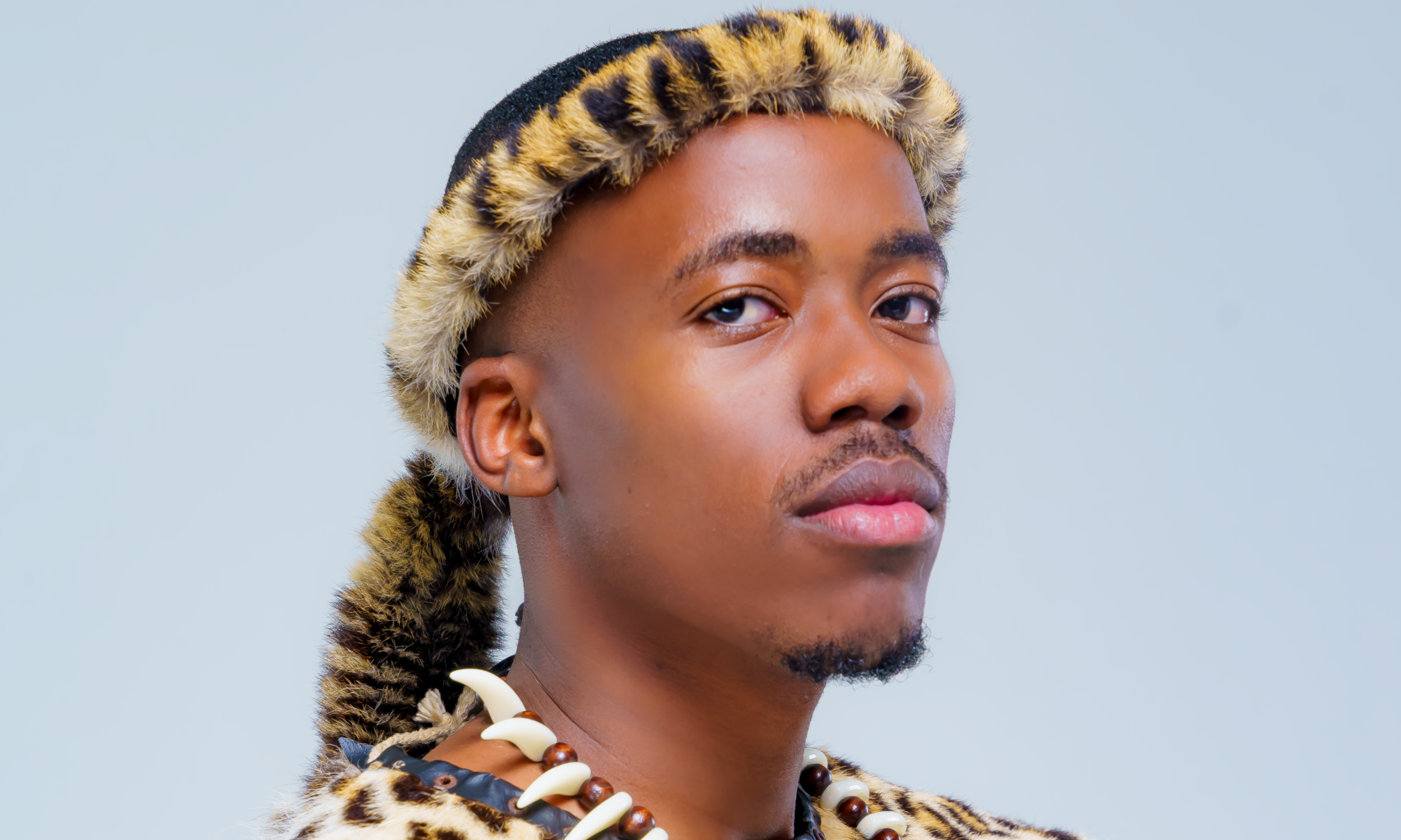
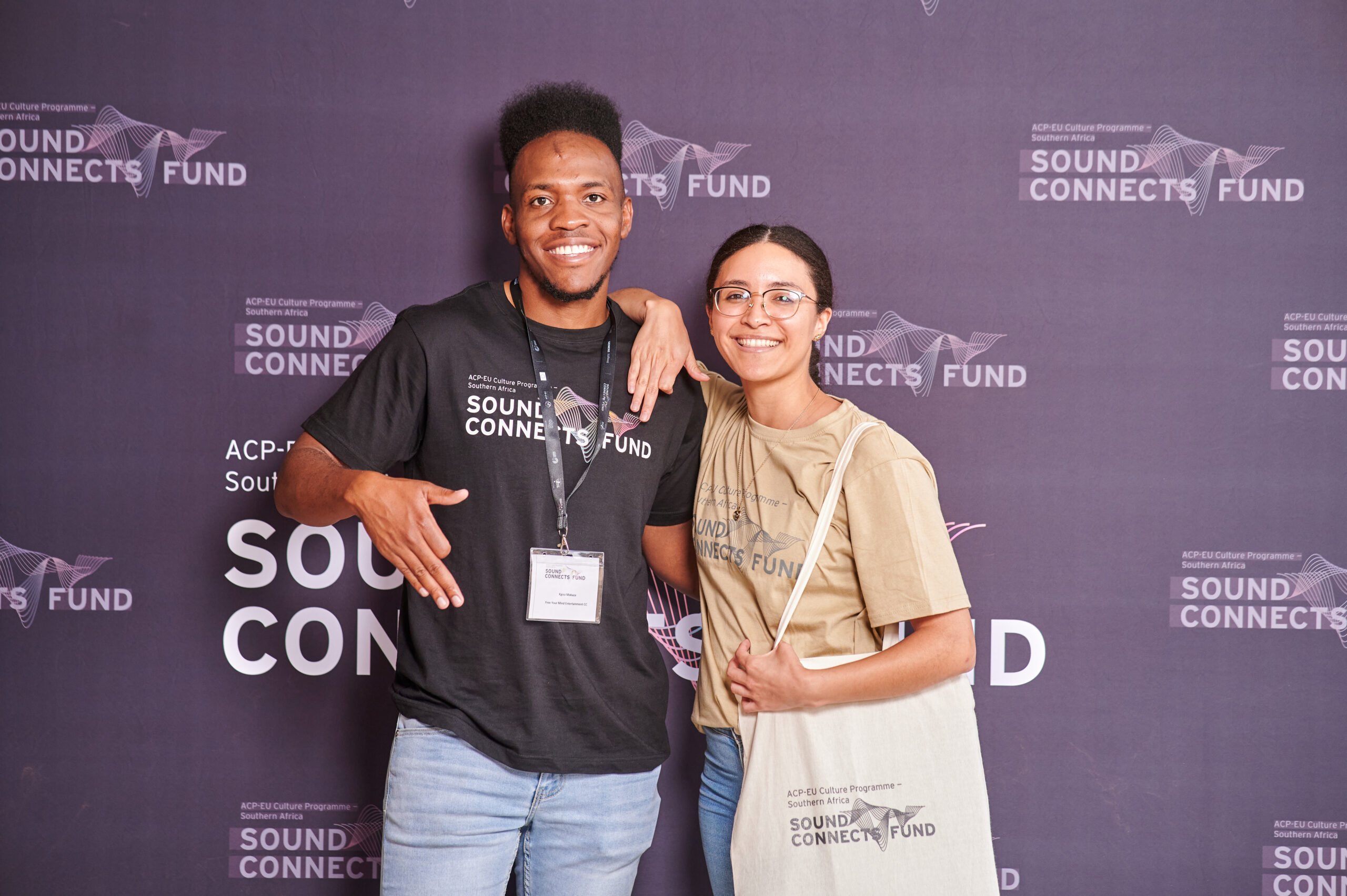
For cultural and creative practitioners and organisations operating in southern Africa, access to funding remains a major challenge. The COVID-19 pandemic has also had a massive impact on government policy, spending and the economy in general, and has seen spending on culture being moved further down the list of priorities. Further, the cultural and creative industries repeatedly cite four main areas where investment is needed for growth, which are increased visibility, mobility including access to new markets, finance and support structures.

Instrument Building And Repair Project

Experience the Vibrations African Instruments Exhibition online in 3D

Features

The story of Ghana’s favourite genre – part 1

18 Apr 2017 - 16:44

cc-img flag-img

Hiplife, a relatively new genre of music from Ghana, has provided a source of livelihood to millions of the country's citizens along the entire value chain of the music industry.

Reggie Rockstone is popularly called the Godfather of Hiplife.

So much has transpired over the past 20 years on the music landscape that it is amazing when you consider the transformations from the days when selling cassettes and CDs was the main source of revenue to these days when the main revenue sources are now performance fees and sponsorships or endorsements. The history of popular music in Ghana reads from the days of highlife.

From the glory days of highlife, the scene underwent some transformations till the arrival of Burger highlife ala George Darko and Co. On the heels of the Burger highlife explosion was the hiplife movement which came with a whole new lifestyle and culture, becoming a source of livelihood for many Ghanaians and indeed foreigners alike.

The likes of Native Funk Lords (NFL), Nananom and X Doe were some of the names that resonated after the legendary Reggie Rockstone midwifed the genre, which is a fusion of hip hop beats with local language rap and in some cases some local rhythms. After Reggie’s trailblazing work, Nananom, NFL and the kids who used to hang around Kays Frequency and Nana King’s Studio in Dansoman churned out numerous ditties. Around the same mid-90s, you had the Fun World at National Theatre where under the eagle eyes of Auntie Korkor talents like Tic Tac, Buk Bak and Terry Bonchaka earned their stripes.

All this was happening while live music tethered on the ropes. This was the era of miming when all you needed was a hit and you could perform to a playback track. Naturally with the liberalised airwaves, which meant numerous outlets for music, one-hit wonders became the order of the day with the likes of Deeba, T Blaze and others flashing like comets across the galaxy and disappearing in a twinkle. The genre itself underwent various stages when you had the crank jama and other versions just like we now have azonto, alqaeda and other blends of the genre.

Then of course there has been a fair share of not so savoury news about the business. None outdoes the disappearance of hiplife artist Castro and his partner Janet Bandu in Ada where they had gone to revel with some friends. Two years after his disappearance when the couple was last seen in the river Volta in Ada, they have not been found and the police says it is still investigating the matter. Then of course there were the infamous sex tapes involving the swanky Tema-based lass Tiffany, which made many of the tapes swirling around pale into insignificance. The release of the tapes led to a separation with the label of UK-based Ghanaian singer Fuse ODG. Tiffany has since moved on and is still rocking.

Evolution of hiplife

Hiplife writer Halifu Osumare notes in her book, The Hiplife in Ghana: West African Indigenization of Hip Hop, that “Hiplife, a hybrid music that has established itself as a unique pop music genre in Africa, is an important contribution to world culture”. There is no doubt that hiplife music is a hybrid of highlife and hip hop. The debate is about the mix of the two genres and the extent of the mix or the dominance of which influence should be acceptable.

From the 1990s, as highlife music experienced a lull with the predominance of spinning groups of the 1980s, the influence of Western music, particularly American R&B and hip hop, increased. Hiplife historians Jesse Shipley and Osumare both agree that the indigenisation of hip hop in Africa is more than a simplistic imitation of the genre but rather a reinterpretation of the genre based on the local context and dynamics. There is no doubt that the presence of rap music on the Ghanaian scene was happening prior to the return of Reggie Rockstone from the UK where he had been based.

This development had been fuelled by the spinning groups that played mainly Western music and spawned dancers like Adjetey Sowah, Slim Buster, Sir Robot and Reggie Rockstone himself. However, there is no disputing the fact that it was Rockstone who coined the word hiplife, which marked the turning point in the genre’s development.

Along with his musical partners Freddie Funkstone and DJ Rab Bakari, a half Ghanaian who had also returned from New York, they sampled beats from a global basket that was predominantly Afro-based and blended them with hip hop infected raps delivered in a potpourri of English, Pidgin English and Twi. Rockstone went on to consistently release a slew of hit tunes setting off a whole movement which today is a multimillion dollar global industry.


This is an excerpt from Ahuma Bosco Ocansey’s forthcoming book Conversations on the Creative Arts in Ghana. Stay tuned for the second instalment of this four-part serial.

Please log in to post a comment.

Most popular

Disclaimer: Music In Africa provides a platform for musicians and contributors to embed music and videos solely for promotional purposes. If any track or video embedded on this platform violates any copyrights please inform us immediately and we will take it down. Please read our Terms of Use for more.

newsletter banner

Subscribe to our monthly Newsletter

Follow us on social media