



































NEFCISA
NEFCISA

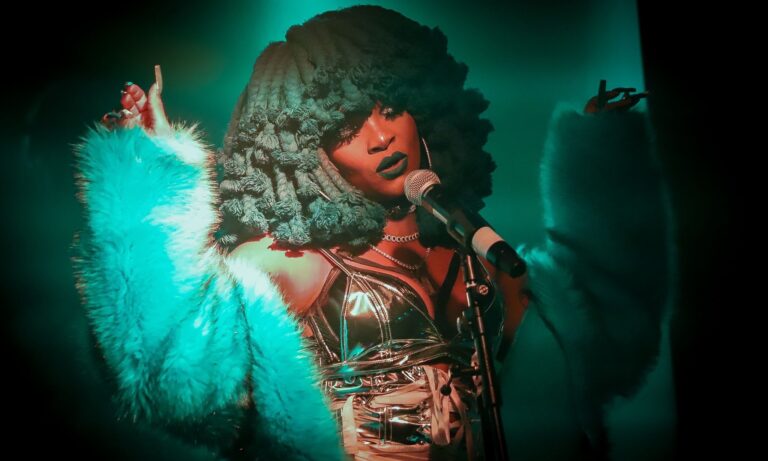
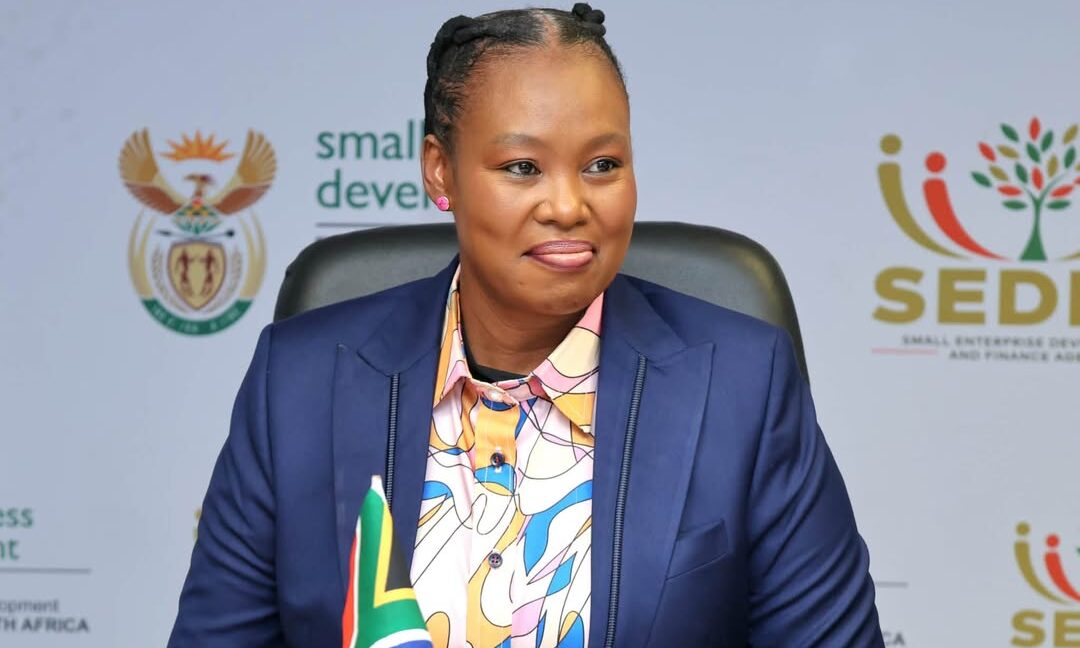
The Music In Africa Foundation (MIAF) is proud of its partnership with the Industrial Development Corporation (IDC) as a Strategic Implementing Partner (SIP) for its Social Employment Fund (SEF). Through this collaboration, MIAF is running a national programme that is creating jobs, addressing skills gaps, and strengthening South Africa's creative industries — in line with the SEF's overarching goal to generate work for the common good and build community value through employment, social contribution, and inclusive economic participation. Operating under the banner NEFCISA (National Employment Facility for Creative Industries in South Africa), the initiative is recruiting and training participants, matching them with host organisations, and has already placed 1 500 workers across the country — surpassing its original target of 1 000. NEFCISA is delivered through a network of 20 host organisations spanning five provinces, who are actively hosting participants and contributing to work for the common good across South Africa's creative and cultural industries. Key Objectives: Support employment and entrepreneurship in the creative industries. Offer skills development and training programmes. Foster partnerships between public and private creative sectors. Promote South African creativity at both provincial and national levels Foster community development through social contribution.

ACCES
ACCES

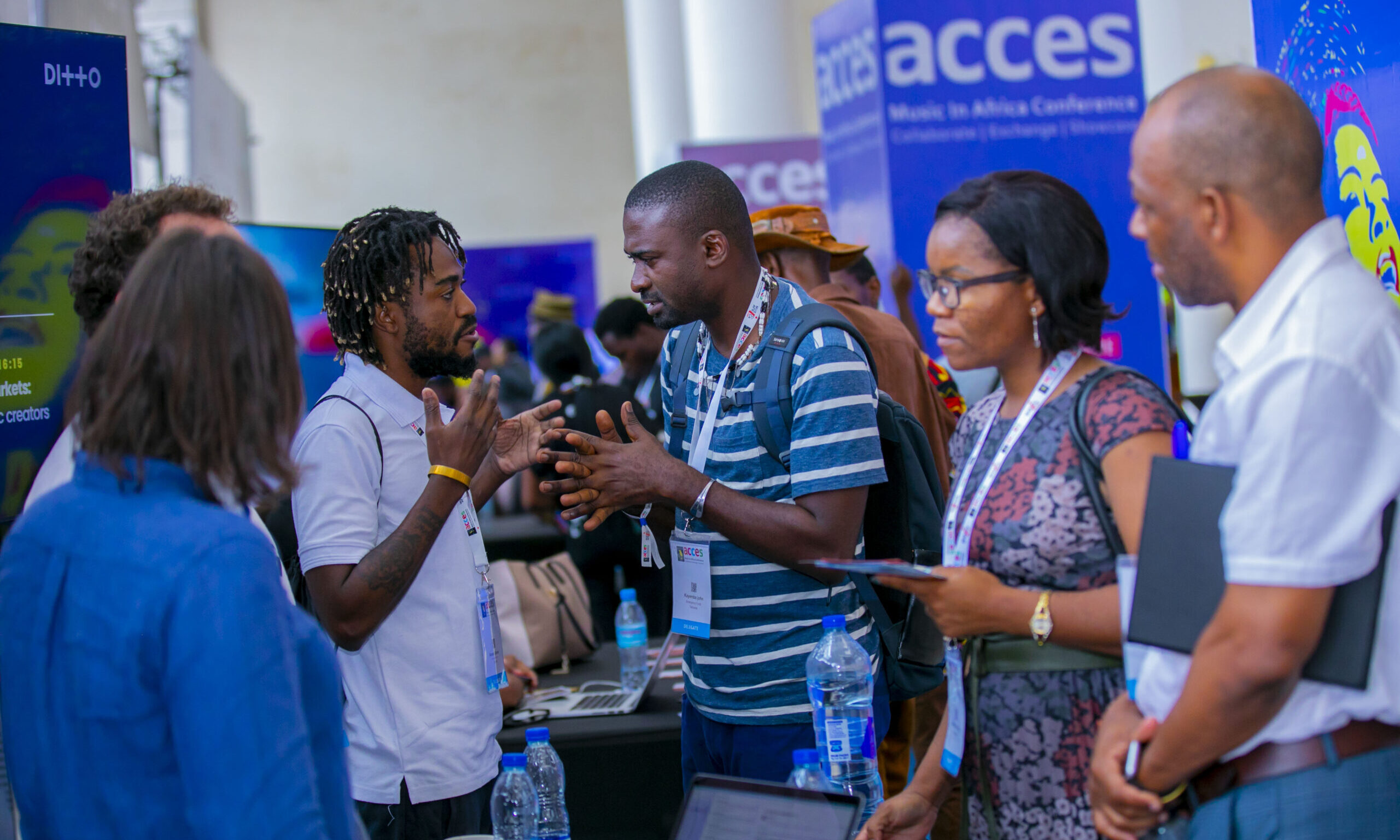
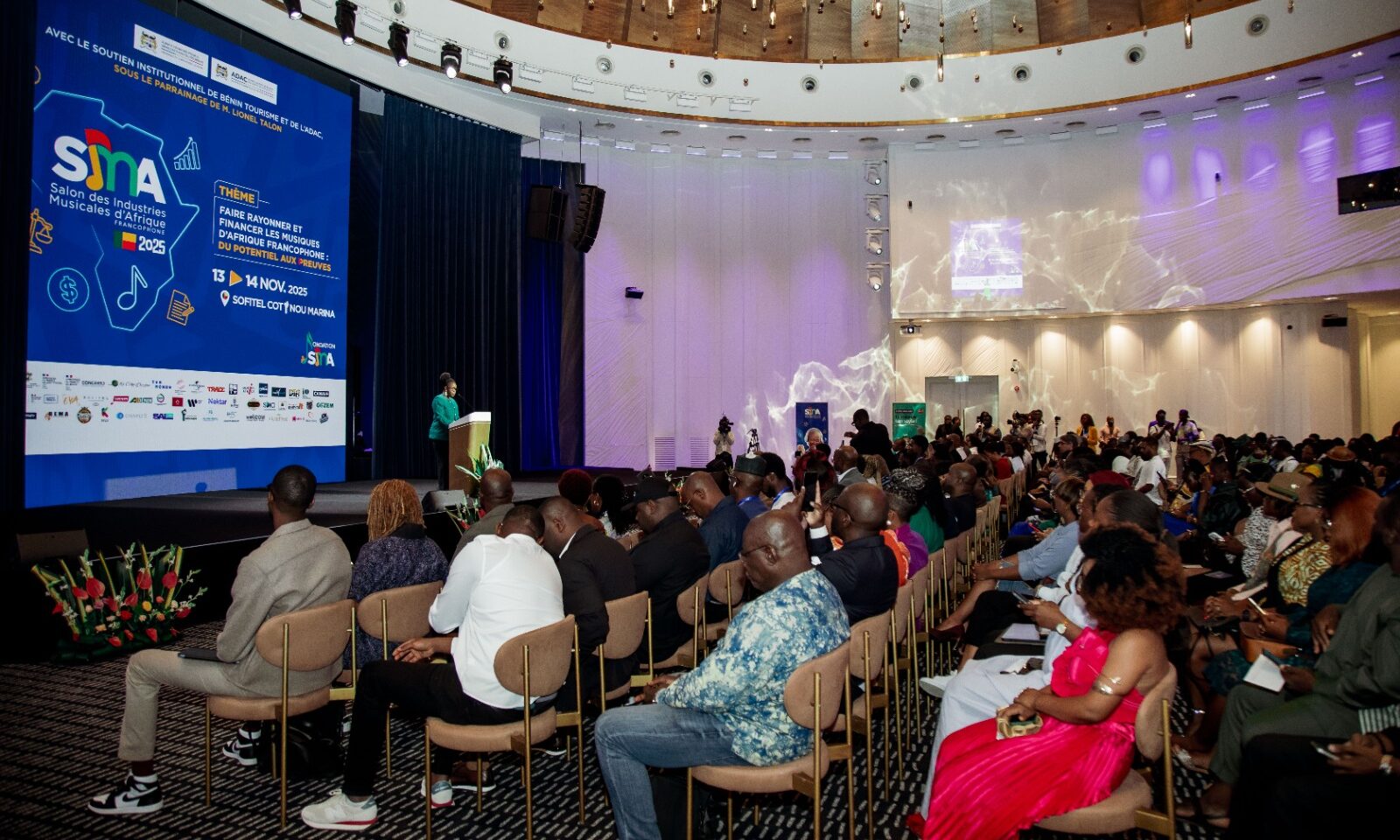
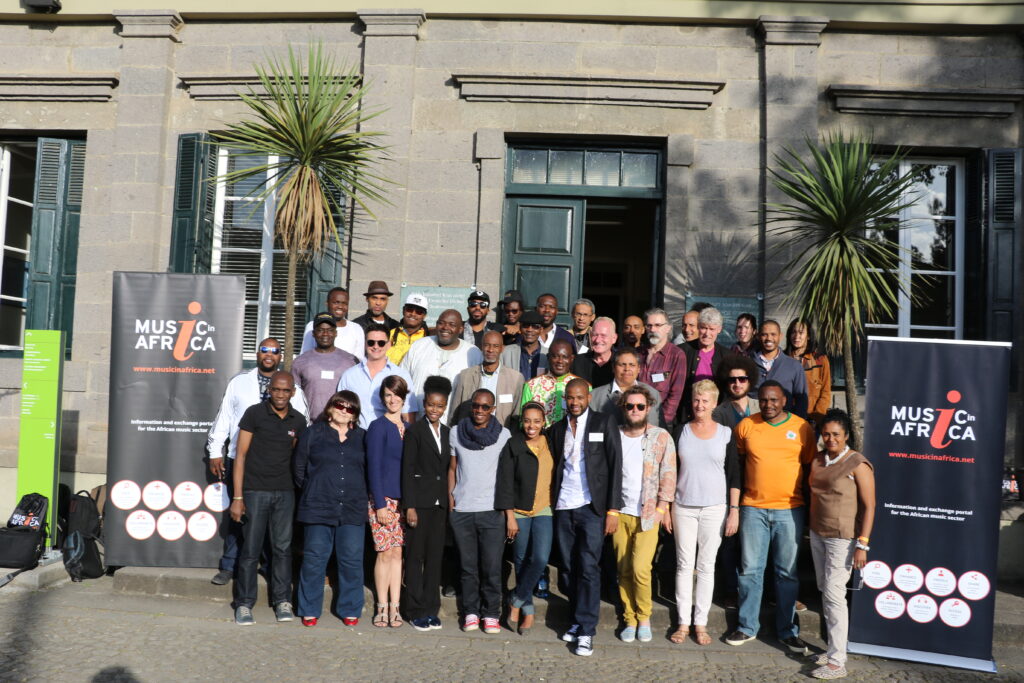
ACCES Conference and Showcase Festival is Africa's leading music industry gathering, bringing together the people shaping the future of the continent's music business. Artists, entrepreneurs, executives, investors, policymakers and cultural leaders from across Africa and around the world come to ACCES to build partnerships, exchange ideas, discover talent and create new business opportunities. Since its launch in 2017, ACCES has become the continent's premier platform for professional exchange and music market development. Combining a high-level conference with a curated showcase festival, networking, exhibitions and industry programmes, ACCES offers a unique space where creativity meets business and where African music connects with the global industry.

Gender@Work
Gender@Work

Music In Africa Gender @ Work is a three-year training programme aimed at upskilling and increasing the participation of female professionals in the African music sector. Launched by the Music In Africa Foundation (MIAF) in April 2019, the programme is connected to the MIAF’s ACCES music conference – a pan-African event held in a different African country every year. This connection enables the programme to reach new participants in a different African country every year. The programme marks the beginning of a more concerted effort by the Foundation to support the participation and inclusion of women in all facets of its programmes and the music sector in Africa as a whole. Over the three years, the programme will aim to address gender imbalances in the sector through training, lobbying, facilitating knowledge exchange and dialogues that foster the interest of women. The broader objectives of the programme are to: Provide industry training for women on critical music industry skills, focusing on: Stage management Electronic music production and recording Music business management Technical knowledge Provide an opportunity for both professional and aspiring women to benefit from the Music In Africa network and its broad range of activities in 2019, 2020 and 2021. Provide a solution-based platform in the form of a round table at ACCES with a view to identify challenges, discuss opportunities and lobby for the interests of female practitioners. Offer participants the opportunity to benefit from programmes offered by MIAF’s partners. Increase access to educational materials. Integrate participants in the broader ACCES programme to maximise experience and exposure to the industry. Record and present training materials on the www.musicinafrica.net, including but not limited to tutorials, templates and other best-practice materials. Communicate women-based themes that support the initiatives and messages of the programme. MAIN TRAINING ACTIVITIES Training in first country (Ghana): In the first year, participants will be trained on all aspects of stage management by a team of experienced stage managers from 10 to 17 November 2019. The programme will offer robust classroom training as well as practical, hands-on training in which participants will also be given the opportunity to manage various aspects of the ACCES performance programme. Training in second country: The second training iteration will take place at ACCES 2020 when the programme will diversify its course to include music production lessons and training on other music business topics. A round-table platform will also be introduced to coincide with the ACCES programme. Training in third country: The third training iteration will take place at ACCES 2021 in a different country, offering an advanced course. HOW DO YOU GET INVOLVED?  As a participant, facilitator or trainer: The programme enrolls up to 12 trainees every year. All opportunities are advertised publicly on this website, and will be added to this page. Please keep checking this page for new calls (below under UPDATES & CURRENT OPPORTUNITIES). As a partner Please contact Claire Metais at [email protected]. APPLY The call for applications for 2020 will be announced soon. The Music In Africa Gender @ Work programme is made possible with the support of the Prince Claus Fund, Siemens Stiftung and Goethe-Institut.

Sound Connects Fund
Sound Connects Fund

For cultural and creative practitioners and organisations operating in southern Africa, access to funding remains a major challenge. The COVID-19 pandemic has also had a massive impact on government policy, spending and the economy in general, and has seen spending on culture being moved further down the list of priorities. Further, the cultural and creative industries repeatedly cite four main areas where investment is needed for growth, which are increased visibility, mobility including access to new markets, finance and support structures.

Instrument Building And Repair Project

Experience the Vibrations African Instruments Exhibition online in 3D

Features

Hamba kahle Johnny ‘White Zulu’ Clegg

18 Jul 2019 - 12:41

cc-img flag-img

By the Arts & Culutre Trust

The Arts & Culture Trust (ACT) is deeply saddened by the death of South African music and culture luminary Johnny Clegg, on Tuesday, after a four-year battle with pancreatic cancer.
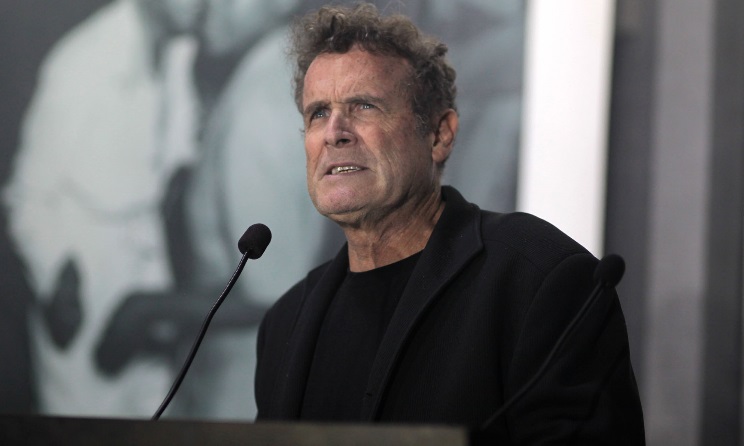
The late Johnny Clegg. Photo: John Hogg

He was diagnosed with pancreatic cancer in 2015 and is survived by his wife of 31 years, Jenny and their two sons Jesse and Jaron.

Clegg’s music career spanned over three decades and he sold more than 5 million albums worldwide. Besides being an incomparable figure in music, dance and culture, Clegg was also an anthropologist and sometimes fondly referred to as Le Zoulou Blanc (The White Zulu).

To many South Africans, Clegg’s music was the soundtrack for the new South Africa. His music represented freedom and a united South Africa. His iconic status earned him numerous awards from various international and local bodies for his contribution to music such as the Order of Ikhamanga from the South African government in 2012 and the Knight of Arts and Letters by the French government in 1991.

In 2016, Clegg was also honoured with the ACT Lifetime Achievement Award for music, sponsored by the Southern African Music Rights Organisation (SAMRO), to celebrate his extraordinary career that contributed significantly to the enrichment of cultural life in South Africa.

“ACT is proud to have had the opportunity to honour Johnny Clegg and his contribution as a barrier-breaking cultural figure,” ACT CEO Marcus Desando said. “Clegg has had a profound and lasting impact on music, not only in South Africa but worldwide. The music industry in South Africa would not be what it is today without the dedication and fearlessness of Johnny Clegg and his music.”

The renowned music legend was born in Bacup, England, in 1953, to an English father and Zimbabwean mother, a cabaret and jazz singer. He moved to South Africa with his mother at the age of seven, when his mother married a South African crime journalist. It is through his mother and stepfather, who took him to the townships, that Clegg was exposed to various cultural perspectives from an early age.

At the age of 14, Clegg met with Mntonganazo Mzila, who played street music near his home in Johannesburg, and he learnt the Zulu language, maskandi guitar and ihhlangwini (Zulu stick dancing). Following the meeting with Mzila, Clegg met with Sipho Mcunu, a self-taught guitarist, and they released their debut single ‘Woza Friday’ in 1976.

In 1979, the duo became the Juluka we all know. In the same year, they released their critically acclaimed debut album Universal Men. The album paid homage to the migrant workers who left their homes to go work in the cities. The album did not receive any airplay due to apartheid laws that prevailed at the time but received positive traction among South Africans through word of mouth.

Their second album African Litany was released two years following the first album and featured Juluka’s well known hit single ‘Impi’. The band gained international recognition two years later with their fourth album Scatterlings which catapulted the band onto the world stage.

Although Juluka eventually split in 1985, following the success of two platinum and five gold albums, Clegg and Mchunu remained friends. Clegg then formed his second band, Savuka, whose sound was a mixture of African music with a wider music base and international rock sounds.

Savuka’s 1987 debut album Third World Child sold more than 2 million copies and broke international sales records in France, Switzerland and Belgium. The album featured the ‘Asimbonanga’ song which became a struggle anthem, as it was dedicated to former president Nelson Mandela, who was in jail at the time of it release.

Savuka’s fourth album Heat, Dust & Dreams was nominated for a Grammy in the Best World Music category and won the Best World Music Album Award at the Billboard Music Awards in 1993. Following the breakup of Savuka in 1993, Clegg joined Mchunu to reform Juluka and they recorded Ya Vuka Inkunzi (also released as Crocodile Love).

Clegg then released several successful solo projects such as New World Survivor in 2002 and One Life in 2007. His latest album, Best, Live and Unplugged at the Baxter Theatre, Cape Town, was released in 2014 after it srecording a year earlier.

SAMRO Foundation managing director Andre Le Roux said: “When the news of Johnny Clegg’s passing hit me yesterday, I found solace in the tribute from 50 top artists singing ‘The Crossing’ for Johnny Clegg, and among them, the late mum Dorothy Masuku, who is also an ACT Lifetime Achievement Award recipient and is now deceased.

“SAMRO is deeply saddened by the passing of one of our longest-serving members. Johnny Clegg is undoubtedly an iconic and highly celebrated artist not just in our country, but worldwide. We are honoured to have been a small part of Mr Clegg’s great legacy in music. Partnering with ACT in the sponsorship of the ACT Lifetime Achievement Awards of which Mr Clegg was the 2016 recipient, represents one of the many initiatives that demonstrates SAMRO’s appreciation of great talent in the South African music industry. Mr Clegg is a huge loss to this country and may his music live on.”

Please log in to post a comment.

Most popular

Disclaimer: Music In Africa provides a platform for musicians and contributors to embed music and videos solely for promotional purposes. If any track or video embedded on this platform violates any copyrights please inform us immediately and we will take it down. Please read our Terms of Use for more.

newsletter banner

Subscribe to our monthly Newsletter

Follow us on social media