



































NEFCISA
NEFCISA

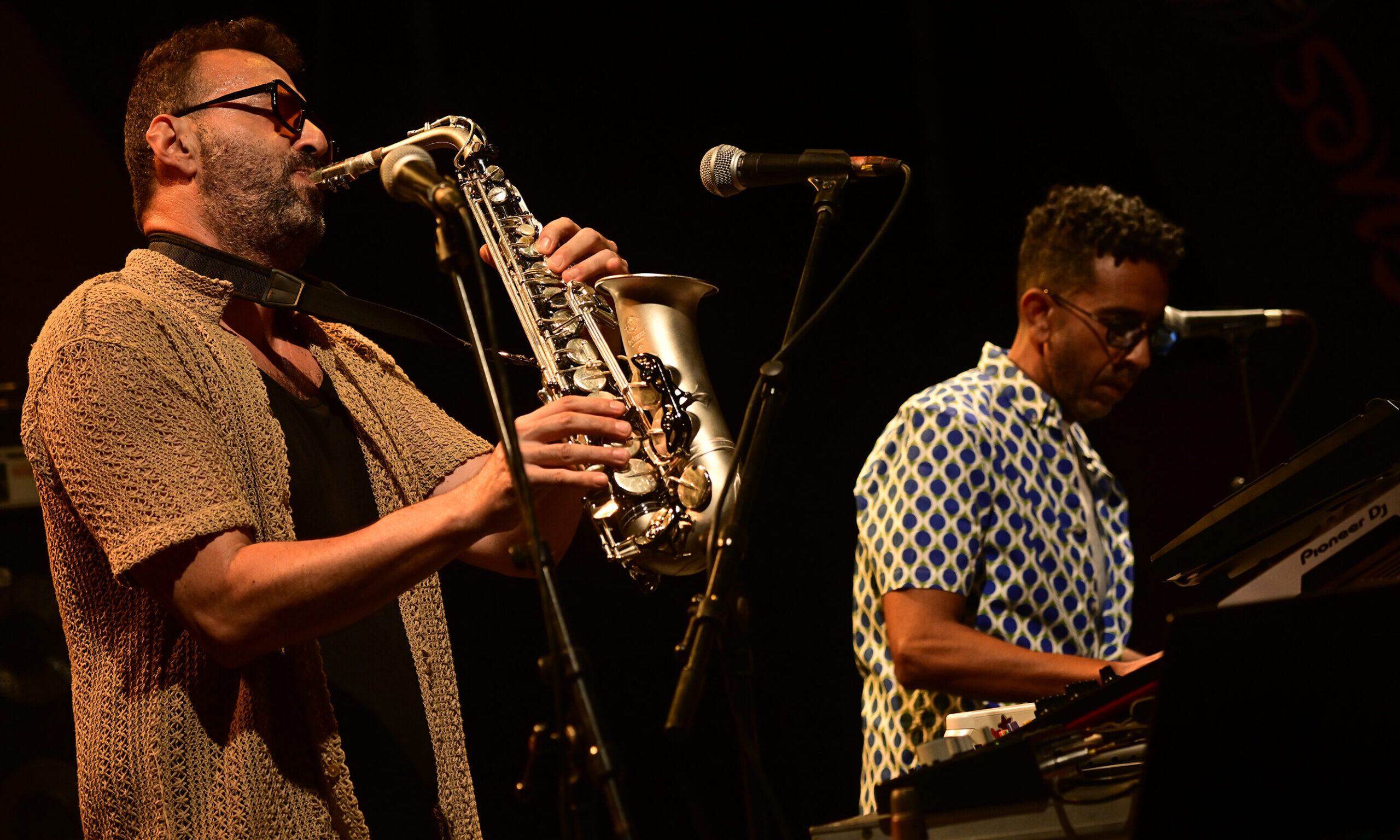
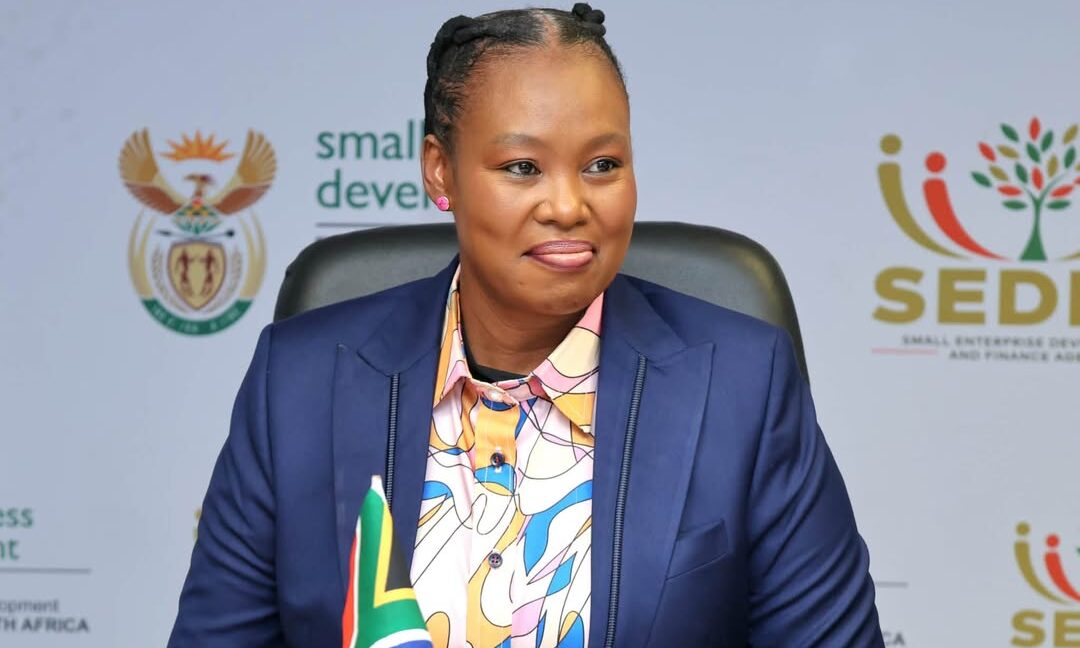
The Music In Africa Foundation (MIAF) is proud of its partnership with the Industrial Development Corporation (IDC) as a Strategic Implementing Partner (SIP) for its Social Employment Fund (SEF). Through this collaboration, MIAF is running a national programme that is creating jobs, addressing skills gaps, and strengthening South Africa's creative industries — in line with the SEF's overarching goal to generate work for the common good and build community value through employment, social contribution, and inclusive economic participation. Operating under the banner NEFCISA (National Employment Facility for Creative Industries in South Africa), the initiative is recruiting and training participants, matching them with host organisations, and has already placed 1 500 workers across the country — surpassing its original target of 1 000. NEFCISA is delivered through a network of 20 host organisations spanning five provinces, who are actively hosting participants and contributing to work for the common good across South Africa's creative and cultural industries. Key Objectives: Support employment and entrepreneurship in the creative industries. Offer skills development and training programmes. Foster partnerships between public and private creative sectors. Promote South African creativity at both provincial and national levels Foster community development through social contribution.

ACCES
ACCES

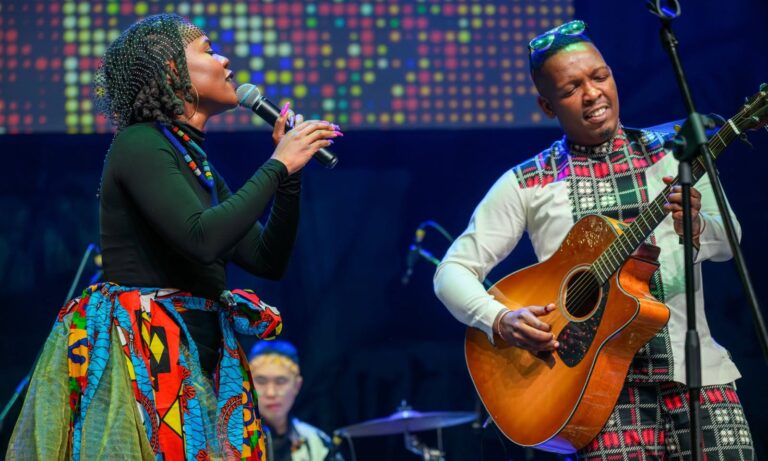
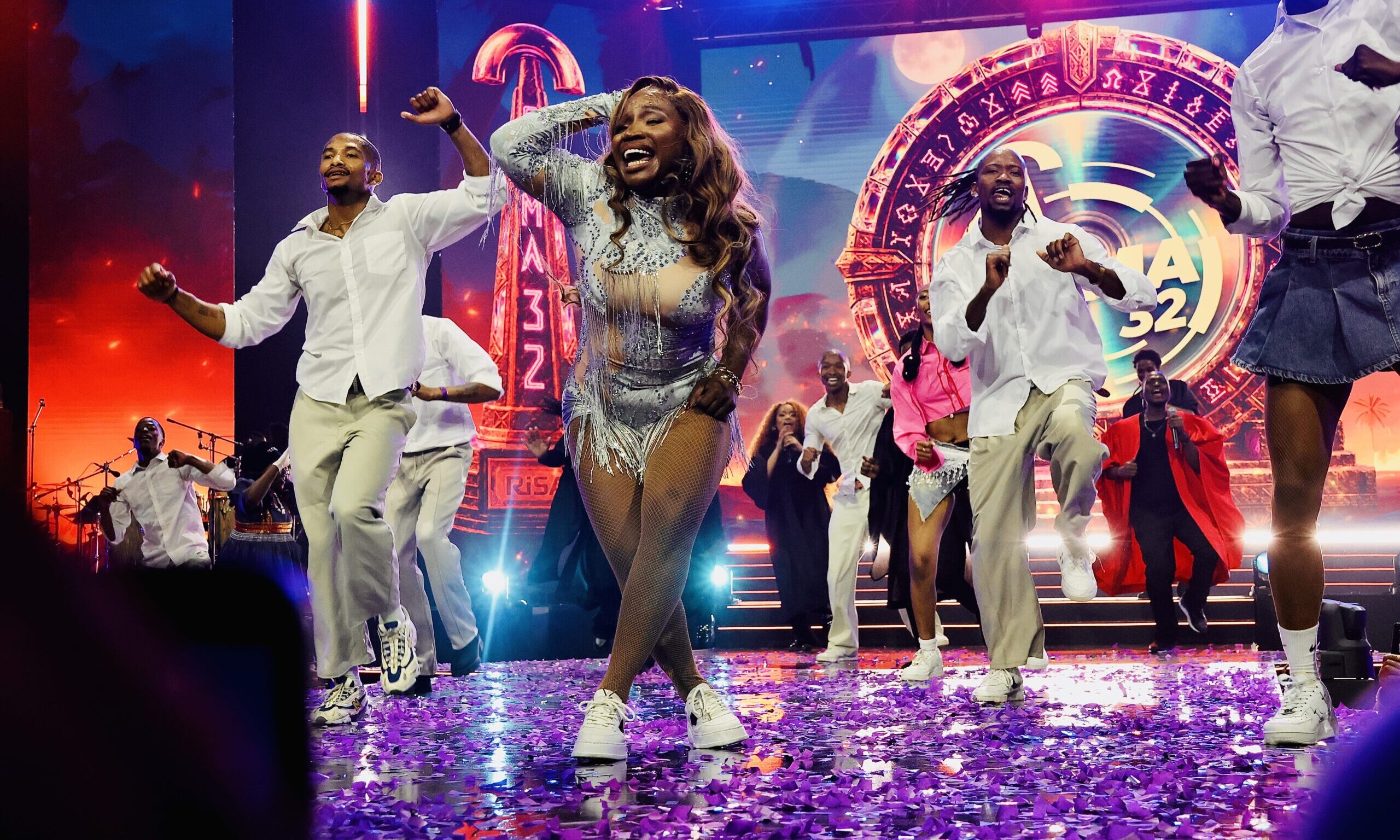
ACCES Conference and Showcase Festival is Africa's leading music industry gathering, bringing together the people shaping the future of the continent's music business. Artists, entrepreneurs, executives, investors, policymakers and cultural leaders from across Africa and around the world come to ACCES to build partnerships, exchange ideas, discover talent and create new business opportunities. Since its launch in 2017, ACCES has become the continent's premier platform for professional exchange and music market development. Combining a high-level conference with a curated showcase festival, networking, exhibitions and industry programmes, ACCES offers a unique space where creativity meets business and where African music connects with the global industry.

Gender@Work
Gender@Work

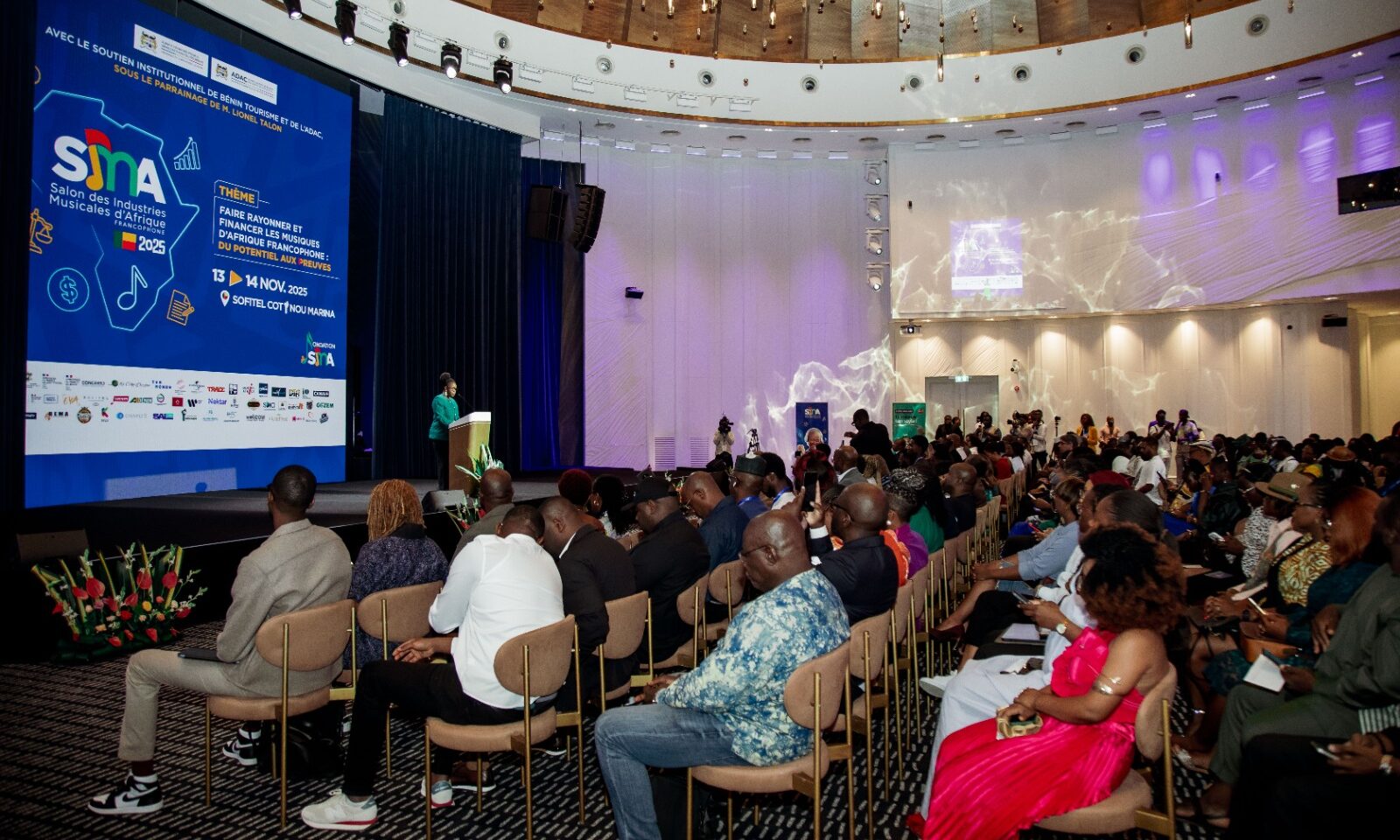
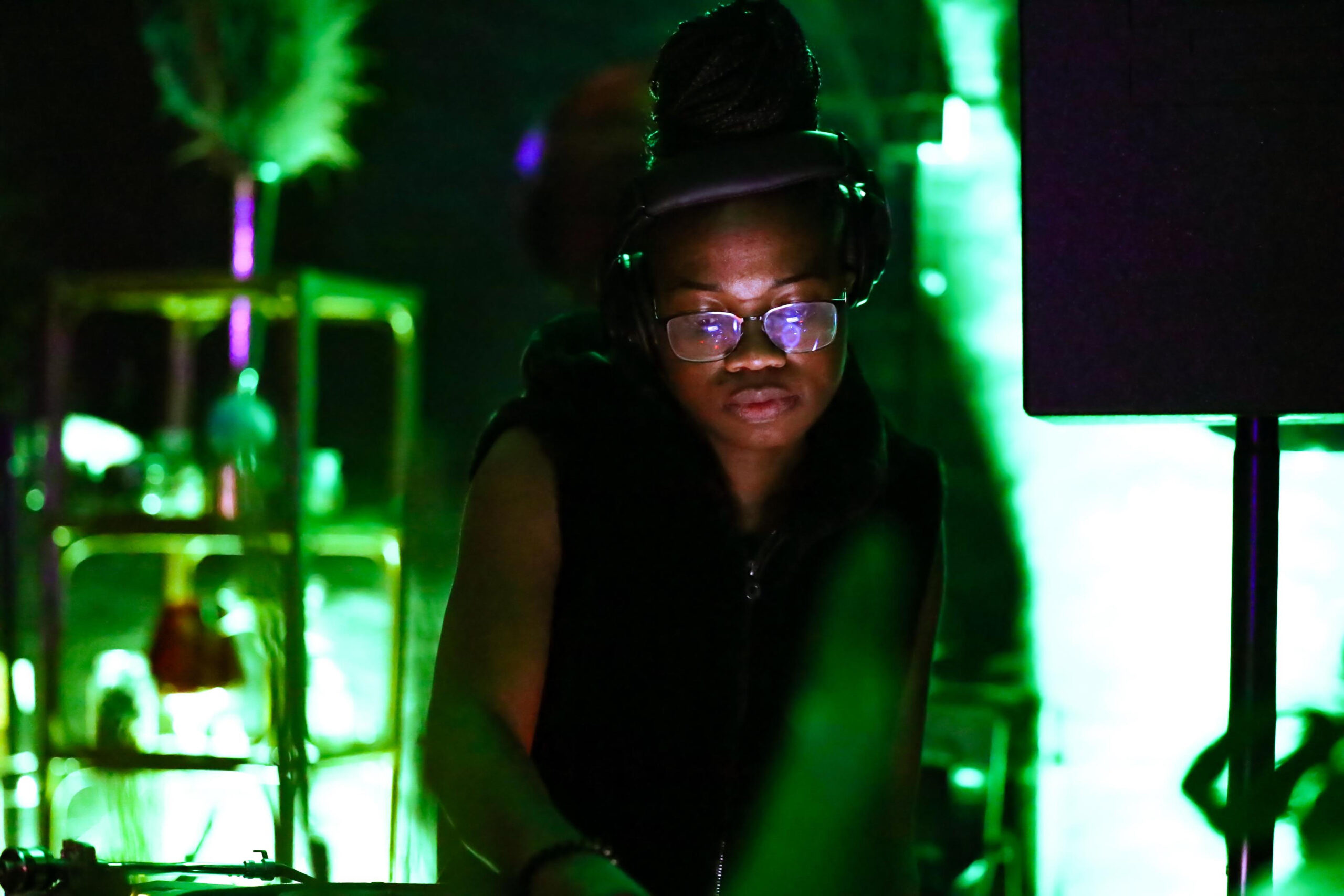
Music In Africa Gender @ Work is a three-year training programme aimed at upskilling and increasing the participation of female professionals in the African music sector. Launched by the Music In Africa Foundation (MIAF) in April 2019, the programme is connected to the MIAF’s ACCES music conference – a pan-African event held in a different African country every year. This connection enables the programme to reach new participants in a different African country every year. The programme marks the beginning of a more concerted effort by the Foundation to support the participation and inclusion of women in all facets of its programmes and the music sector in Africa as a whole. Over the three years, the programme will aim to address gender imbalances in the sector through training, lobbying, facilitating knowledge exchange and dialogues that foster the interest of women. The broader objectives of the programme are to: Provide industry training for women on critical music industry skills, focusing on: Stage management Electronic music production and recording Music business management Technical knowledge Provide an opportunity for both professional and aspiring women to benefit from the Music In Africa network and its broad range of activities in 2019, 2020 and 2021. Provide a solution-based platform in the form of a round table at ACCES with a view to identify challenges, discuss opportunities and lobby for the interests of female practitioners. Offer participants the opportunity to benefit from programmes offered by MIAF’s partners. Increase access to educational materials. Integrate participants in the broader ACCES programme to maximise experience and exposure to the industry. Record and present training materials on the www.musicinafrica.net, including but not limited to tutorials, templates and other best-practice materials. Communicate women-based themes that support the initiatives and messages of the programme. MAIN TRAINING ACTIVITIES Training in first country (Ghana): In the first year, participants will be trained on all aspects of stage management by a team of experienced stage managers from 10 to 17 November 2019. The programme will offer robust classroom training as well as practical, hands-on training in which participants will also be given the opportunity to manage various aspects of the ACCES performance programme. Training in second country: The second training iteration will take place at ACCES 2020 when the programme will diversify its course to include music production lessons and training on other music business topics. A round-table platform will also be introduced to coincide with the ACCES programme. Training in third country: The third training iteration will take place at ACCES 2021 in a different country, offering an advanced course. HOW DO YOU GET INVOLVED?  As a participant, facilitator or trainer: The programme enrolls up to 12 trainees every year. All opportunities are advertised publicly on this website, and will be added to this page. Please keep checking this page for new calls (below under UPDATES & CURRENT OPPORTUNITIES). As a partner Please contact Claire Metais at [email protected]. APPLY The call for applications for 2020 will be announced soon. The Music In Africa Gender @ Work programme is made possible with the support of the Prince Claus Fund, Siemens Stiftung and Goethe-Institut.

Sound Connects Fund
Sound Connects Fund

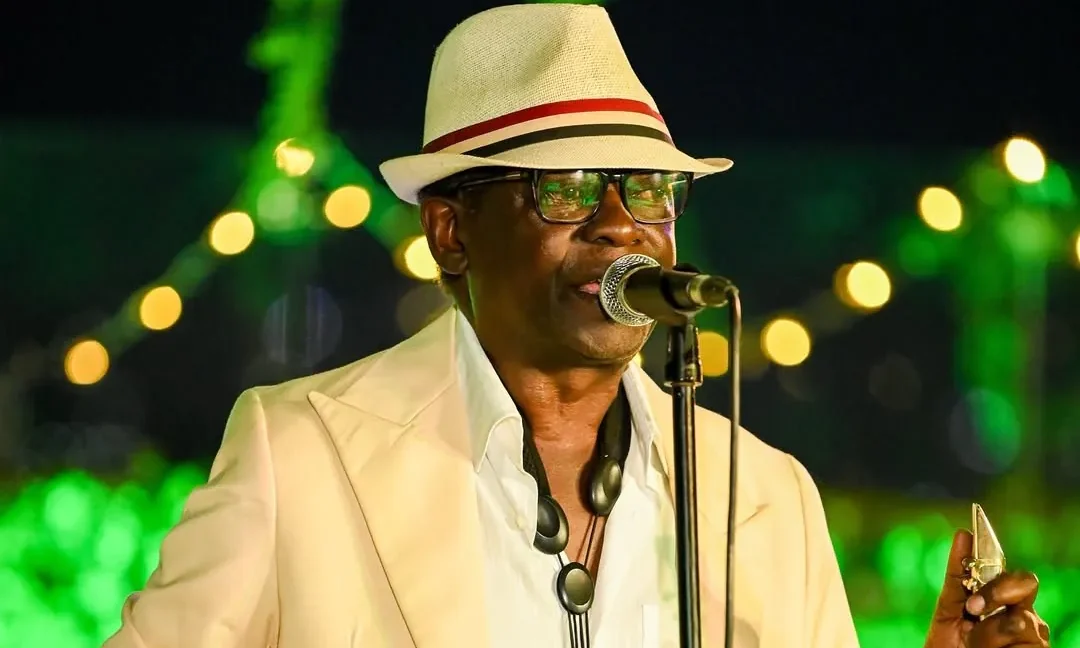
For cultural and creative practitioners and organisations operating in southern Africa, access to funding remains a major challenge. The COVID-19 pandemic has also had a massive impact on government policy, spending and the economy in general, and has seen spending on culture being moved further down the list of priorities. Further, the cultural and creative industries repeatedly cite four main areas where investment is needed for growth, which are increased visibility, mobility including access to new markets, finance and support structures.

Instrument Building And Repair Project

Experience the Vibrations African Instruments Exhibition online in 3D

Features

Rex Lawson: Decades of highlife reverberation

01 Aug 2019 - 14:17

cc-img flag-img

Highlife music was the foremost sound from West Africa, mainly Ghana and Nigeria, in the 1950s, reaching a remarkable height in the '60s and '70s. The genre originated in present-day Ghana in the early 20th century and uses the melodic and main rhythmic structures of traditional Akan music, but is played with Western instruments.
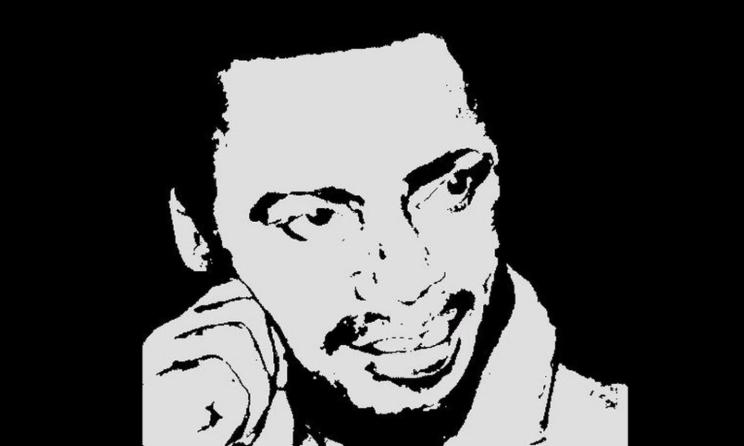
Rex Jim Lawson provided a musical template for modern-day Nigerian artist.

In the 1920s, Ghanaian musicians incorporated foreign influences like the foxtrot and calypso and blended them with Ghanaian rhythms like osibisaba (Fante). Highlife was associated with the local African aristocracy during the colonial period and was played by numerous bands such as the Jazz Kings, Cape Coast Sugar Babies and Accra Orchestra, along the country's coast.

The upper-class audience that enjoyed the genre in select clubs gave the music its name. Highlife is characterized by jazzy horns and multiple guitars leading the band. Recently it has acquired an up-tempo, synth-driven sound, with highlife guitar lines modeled after the Afro-Cuban guajeo. The bell pattern known in Cuba as the clave is indigenous to Ghana and Nigeria and is used in highlife music.

As young Nigerians of that era embraced highlife and added local ingenuity to their renditions, it became the toast of entertainment in the country. Among the multitalented proponents of this music were Bobby Benson, Fela Ransome Kuti’s Koola Lobitos, Sir Victor Olaiya and many others, taking the airwaves by storm.

The list of Nigeria’s highlife icons of the 1960-70s is incomplete without mentioning the one and only Rex Jim Lawson. Lawson was born on 4 March 1938 to a Kalabari (Rivers State today) father and an Igbo mother from Owerri. Starting out in Port Harcourt, with a mastery of the trumpet and rhythm guitar, he moved to Lagos in 1958, according to his percussionist Tony Odili, who is 92 years old today.

Lawson played with the top Nigeria highlife musicians of the time, such as Sammy Obot, Bobby Benson, Chris Ajilo and Victor Olaiya before moving to Cameroon to refine a style that would reverberate for decades to come.

Coming back to Nigeria in the early '60s, his genius was obvious and in the following years he produced tracks like 'Angelina Pay My Money', 'Baby Play Me Wayo', 'Ata Bla Woman', 'So Ala Temen', 'Bere Bote', 'Ibinabo' and 'Jolly Papa'. He also sang 'Yellow Sisi' that was later covered in the early 1980s by Orlando Owoh. Another rare track of note 'Okoh', a rhythmic singalong with a guitar and muted trumpet dominating its flow. 'Okoh' was later covered by Cameroonian master Manu Dibango in 1980 to great acclaim.

Highlife before Rex Lawson had been centered around Igbo, English and Yoruba. He opened up the Niger Delta sound, which had not enjoyed national exposure before his time. The track 'Tamuno Bo Iboro Ma' was his first big hit in Kalabari and made big waves in Nigeria. He introduced a visceral style that was authentically Delta: the native beat!

While most other bands were working towards the refined big-band format, Lawson was a street fighter who combined the fine sounds he learnt from Bobby Benson with his traditional Kalabari phrasing and expressions that spoke of an ethnic identity that had been silent before him. He was one of the first to record singles in Pidgin, which gave ordinary people the impression that he could not speak English. Of course, Lawson spoke perfect English despite such rumours.

After his heyday, artists such as Fela Kuti began emplying Pidgin in his music, followed by several highlifers and Naija 'hip-hoppers' today. His melodies and phrases continue to be recycled to this day.

These direct references by artists such as Flavour ('Sawale'), Larry Gaaga & 2Baba (Iworiwo), Zubby ('Love Adure') and several others. His influence is also easily recognisable in J Martins, Wizkid and Duncan Mighty.

The imprints of Rex Jim Lawson are large in West African music today. Sadly, many are not aware that they are working with his templates. In June 2018, Rivers State governor Nyesom Wike and the Ooni of Ife, Adeyeye Enitan Ogunwusi, commissioned the Rex Lawson Cultural Centre in Port Harcourt, recognising his great contribution to African music.

Please log in to post a comment.

Most popular

Disclaimer: Music In Africa provides a platform for musicians and contributors to embed music and videos solely for promotional purposes. If any track or video embedded on this platform violates any copyrights please inform us immediately and we will take it down. Please read our Terms of Use for more.

newsletter banner

Subscribe to our monthly Newsletter

Follow us on social media