













NEFCISA
NEFCISA

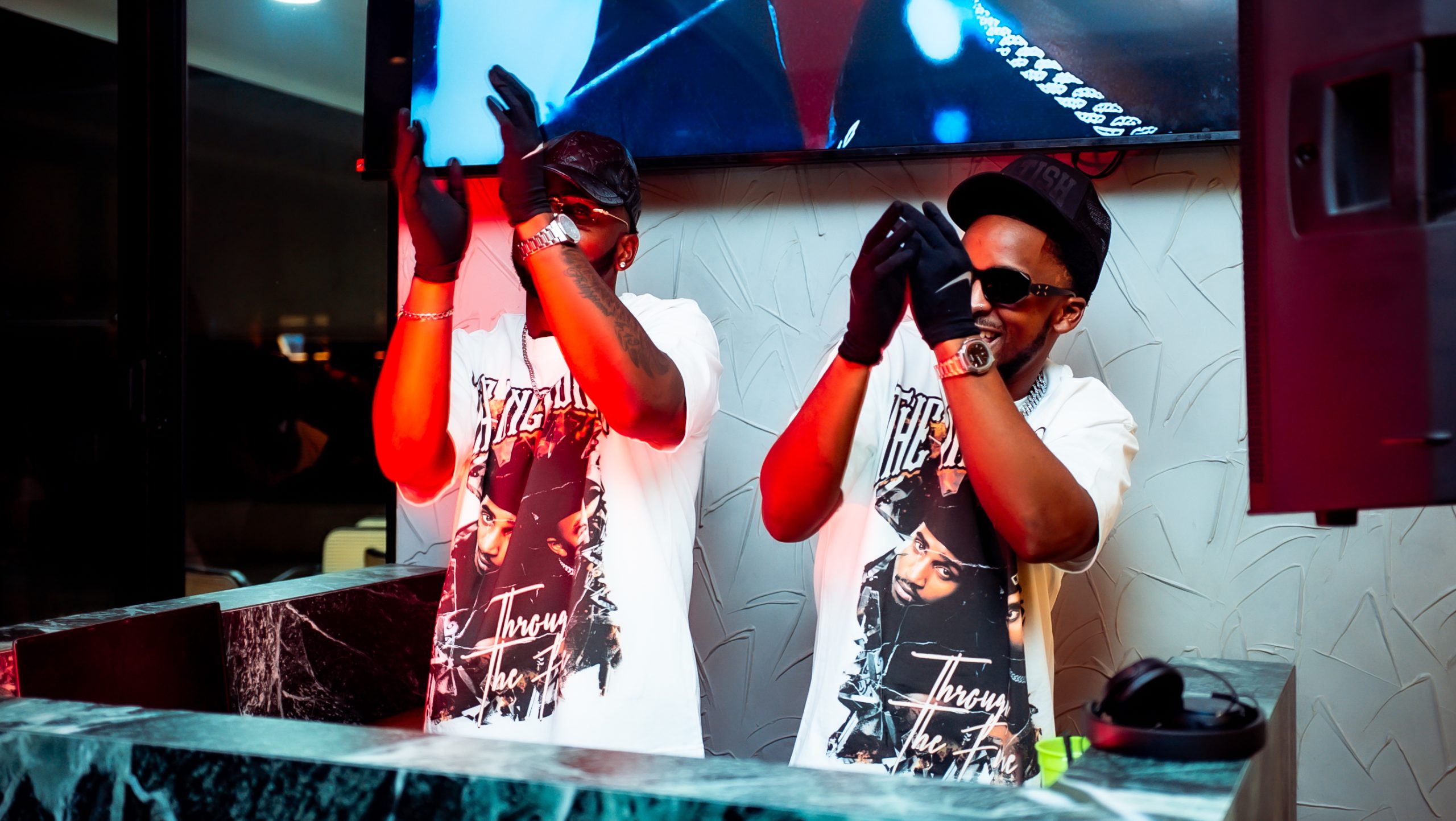
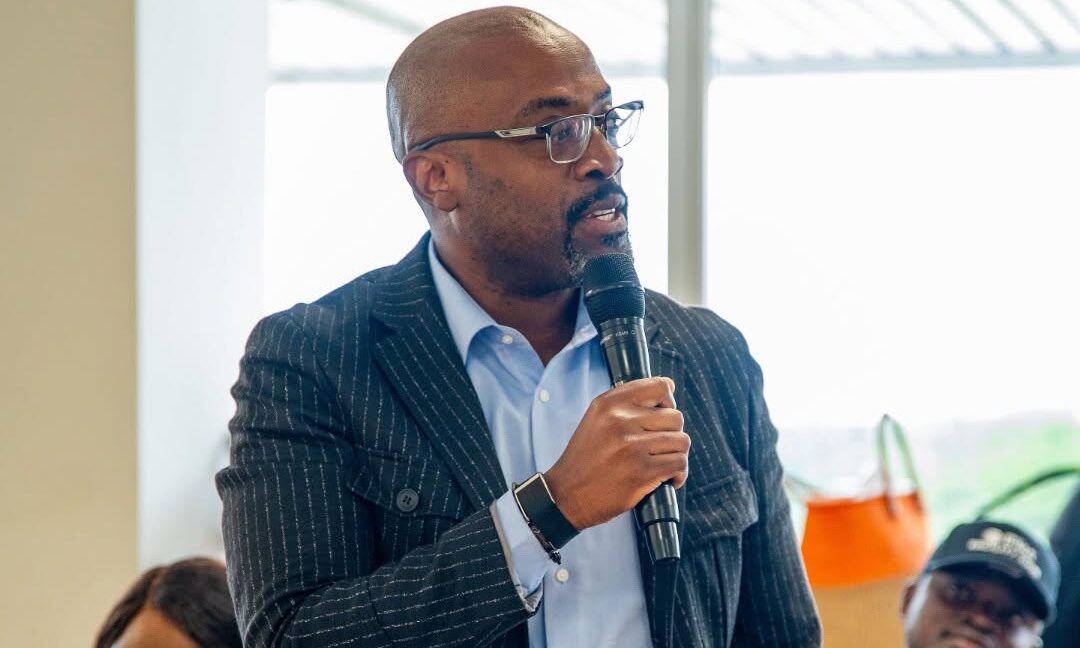
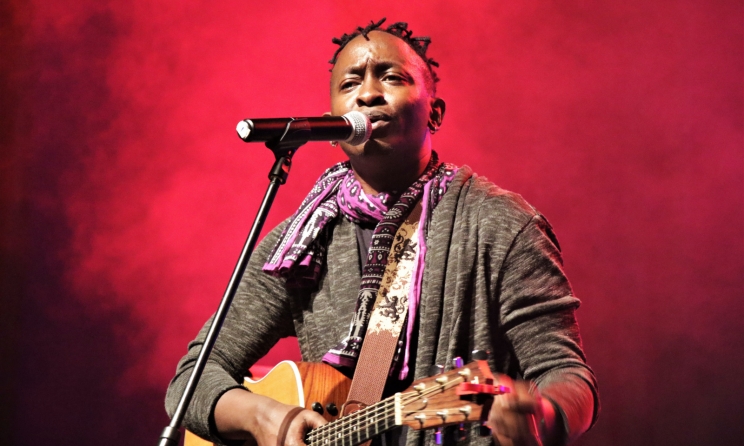
The Music In Africa Foundation (MIAF) is proud of its partnership with the Industrial Development Corporation (IDC) as a Strategic Implementing Partner (SIP) for its Social Employment Fund (SEF). Through this collaboration, MIAF is running a national programme that is creating jobs, addressing skills gaps, and strengthening South Africa's creative industries — in line with the SEF's overarching goal to generate work for the common good and build community value through employment, social contribution, and inclusive economic participation. Operating under the banner NEFCISA (National Employment Facility for Creative Industries in South Africa), the initiative is recruiting and training participants, matching them with host organisations, and has already placed 1 500 workers across the country — surpassing its original target of 1 000. NEFCISA is delivered through a network of 20 host organisations spanning five provinces, who are actively hosting participants and contributing to work for the common good across South Africa's creative and cultural industries. Key Objectives: Support employment and entrepreneurship in the creative industries. Offer skills development and training programmes. Foster partnerships between public and private creative sectors. Promote South African creativity at both provincial and national levels Foster community development through social contribution.

ACCES
ACCES

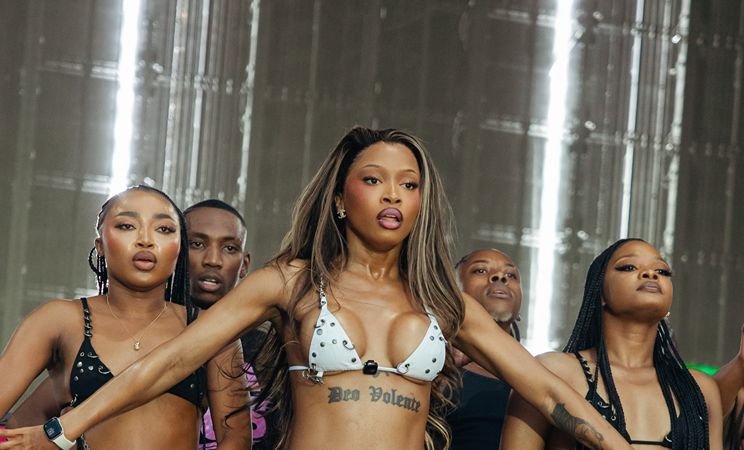
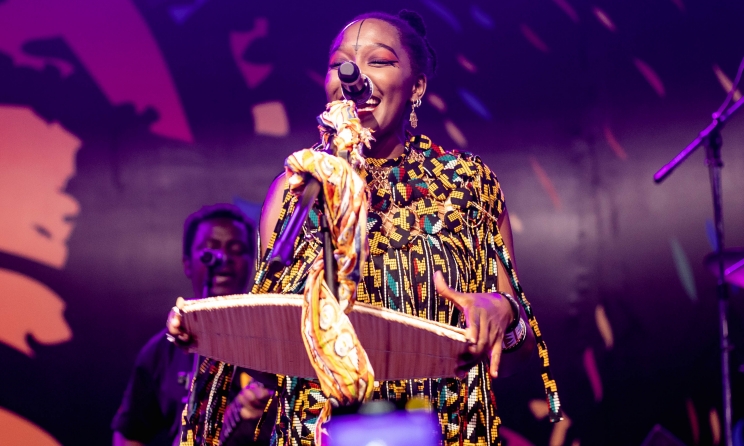
ACCES Conference and Showcase Festival is Africa's leading music industry gathering, bringing together the people shaping the future of the continent's music business. Artists, entrepreneurs, executives, investors, policymakers and cultural leaders from across Africa and around the world come to ACCES to build partnerships, exchange ideas, discover talent and create new business opportunities. Since its launch in 2017, ACCES has become the continent's premier platform for professional exchange and music market development. Combining a high-level conference with a curated showcase festival, networking, exhibitions and industry programmes, ACCES offers a unique space where creativity meets business and where African music connects with the global industry.

Gender@Work
Gender@Work

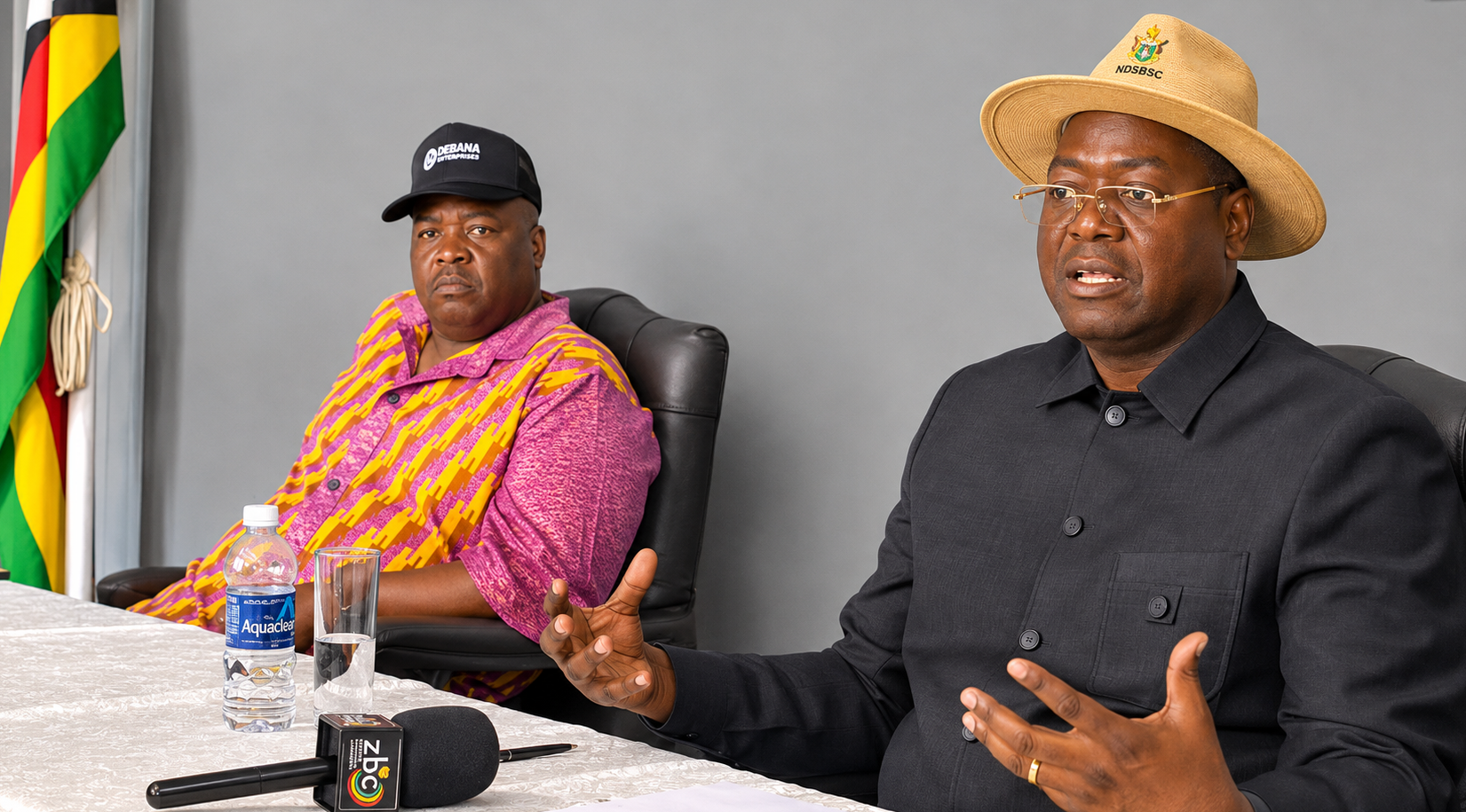
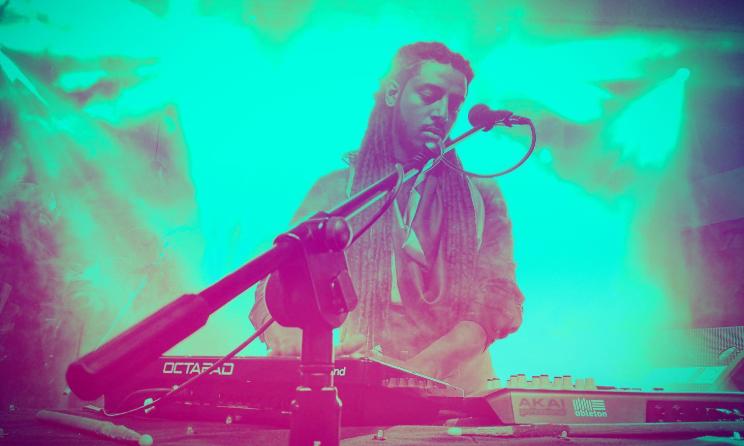
Music In Africa Gender @ Work is a three-year training programme aimed at upskilling and increasing the participation of female professionals in the African music sector. Launched by the Music In Africa Foundation (MIAF) in April 2019, the programme is connected to the MIAF’s ACCES music conference – a pan-African event held in a different African country every year. This connection enables the programme to reach new participants in a different African country every year. The programme marks the beginning of a more concerted effort by the Foundation to support the participation and inclusion of women in all facets of its programmes and the music sector in Africa as a whole. Over the three years, the programme will aim to address gender imbalances in the sector through training, lobbying, facilitating knowledge exchange and dialogues that foster the interest of women. The broader objectives of the programme are to: Provide industry training for women on critical music industry skills, focusing on: Stage management Electronic music production and recording Music business management Technical knowledge Provide an opportunity for both professional and aspiring women to benefit from the Music In Africa network and its broad range of activities in 2019, 2020 and 2021. Provide a solution-based platform in the form of a round table at ACCES with a view to identify challenges, discuss opportunities and lobby for the interests of female practitioners. Offer participants the opportunity to benefit from programmes offered by MIAF’s partners. Increase access to educational materials. Integrate participants in the broader ACCES programme to maximise experience and exposure to the industry. Record and present training materials on the www.musicinafrica.net, including but not limited to tutorials, templates and other best-practice materials. Communicate women-based themes that support the initiatives and messages of the programme. MAIN TRAINING ACTIVITIES Training in first country (Ghana): In the first year, participants will be trained on all aspects of stage management by a team of experienced stage managers from 10 to 17 November 2019. The programme will offer robust classroom training as well as practical, hands-on training in which participants will also be given the opportunity to manage various aspects of the ACCES performance programme. Training in second country: The second training iteration will take place at ACCES 2020 when the programme will diversify its course to include music production lessons and training on other music business topics. A round-table platform will also be introduced to coincide with the ACCES programme. Training in third country: The third training iteration will take place at ACCES 2021 in a different country, offering an advanced course. HOW DO YOU GET INVOLVED?  As a participant, facilitator or trainer: The programme enrolls up to 12 trainees every year. All opportunities are advertised publicly on this website, and will be added to this page. Please keep checking this page for new calls (below under UPDATES & CURRENT OPPORTUNITIES). As a partner Please contact Claire Metais at [email protected]. APPLY The call for applications for 2020 will be announced soon. The Music In Africa Gender @ Work programme is made possible with the support of the Prince Claus Fund, Siemens Stiftung and Goethe-Institut.

Sound Connects Fund
Sound Connects Fund

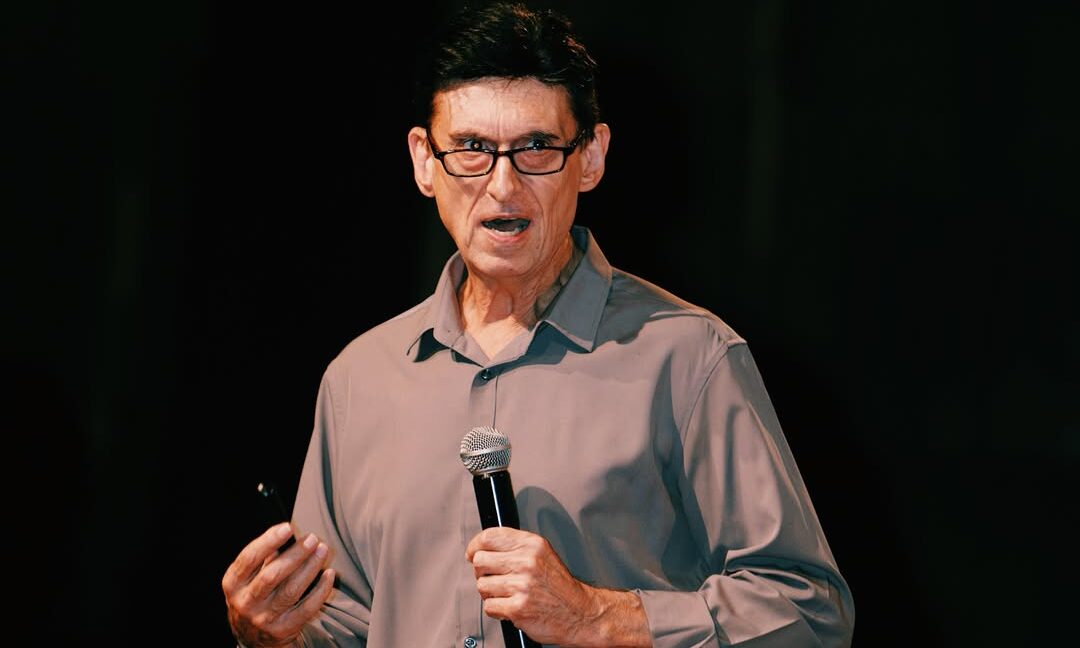
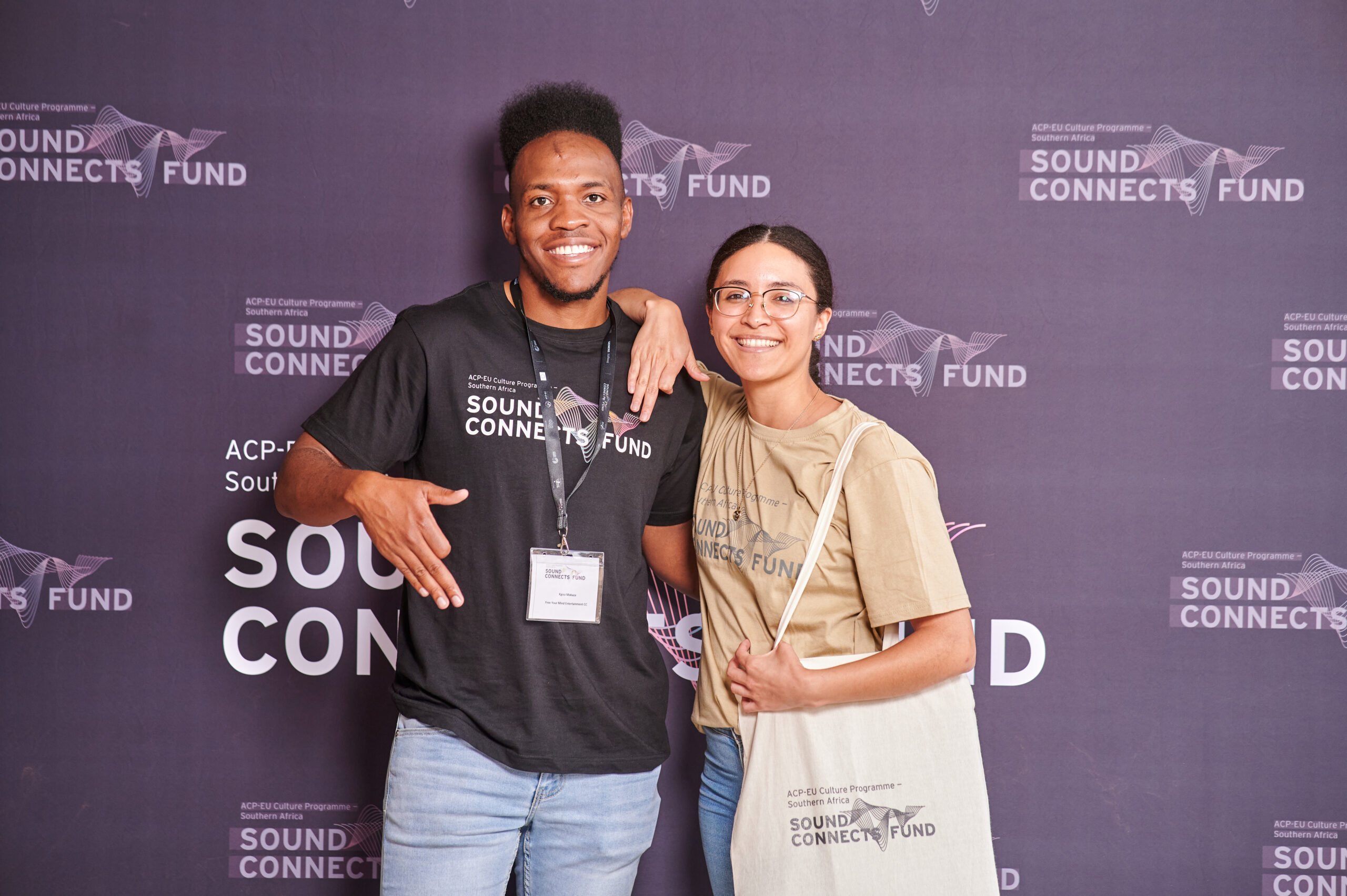
For cultural and creative practitioners and organisations operating in southern Africa, access to funding remains a major challenge. The COVID-19 pandemic has also had a massive impact on government policy, spending and the economy in general, and has seen spending on culture being moved further down the list of priorities. Further, the cultural and creative industries repeatedly cite four main areas where investment is needed for growth, which are increased visibility, mobility including access to new markets, finance and support structures.

Instrument Building And Repair Project

Experience the Vibrations African Instruments Exhibition online in 3D

Tshala Muana

Tshala Muana

Solo artists

linkedin

Profile added by Sisi Nkabinde on 11 Feb 2026

Claim this profile

flag-img

Kinshasa, Congo (Kinshasa)

In operation since:

1970

Contact person:

Tshala Muana

BIO

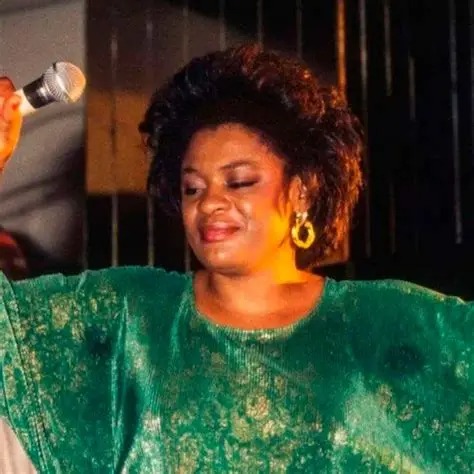
Tshala Muana was one of the most influential female performers in the history of Congolese popular music, celebrated for bringing regional folk traditions into the national and international spotlight. Born Élisabeth Tshala Muana on 13 May 1958 in Kananga, Democratic Republic of the Congo, she became widely known as the “Queen of Mutuashi”, a dance-driven genre rooted in the traditional rhythms of the Luba people of the Kasai region.

Her musical career began at a young age, first as a dancer and later as a singer within professional ensembles. She initially gained prominence in the 1970s as part of the group Tsheke Tsheke Love, where her stage charisma and command of traditional dance forms distinguished her from her peers. These early years provided her with a foundation in performance and allowed her to develop a musical identity grounded in both folklore and popular song structures.

Tshala Muana’s breakthrough came in the 1980s when she embarked on a solo career and began adapting mutuashi rhythms for urban audiences. Songs such as Karibu Yangu and Mulopwe demonstrated how traditional percussion patterns and call-and-response melodies could be translated into commercially successful recordings. Her work played a central role in transforming mutuashi from a regional style into a national genre, accessible to audiences far beyond Kasai.

Throughout the late 1980s and 1990s, she maintained a strong presence in the Congolese music industry with a steady output of albums and singles that fused folk rhythms with modern instrumentation. Her music addressed themes of love, social conduct and cultural pride, while her performances were marked by elaborate choreography and costumes inspired by traditional attire. This visual and musical synthesis reinforced her status as a cultural ambassador for Kasai heritage.

In addition to her artistic career, Tshala Muana became a visible public figure in Congolese cultural life. She was appointed as a Goodwill Ambassador for the United Nations Population Fund (UNFPA), reflecting her involvement in campaigns around women’s rights and social development. Her prominence also extended into political discourse, with some of her later songs interpreted as social commentary on governance and leadership.

Tshala Muana died in December 2022, but her legacy remains deeply embedded in Congolese music history. Through songs such as Karibu Yangu, Mulopwe and Salongo, and through her lifelong promotion of mutuashi, she established a model for how regional traditions could be preserved and modernised within popular music frameworks.

Her career illustrates the enduring power of local musical forms when carried by a strong artistic vision. By elevating mutuashi to the national stage, Tshala Muana not only reshaped the role of women in Congolese performance but also ensured that the rhythms of Kasai remained central to the country’s evolving popular culture.

Photos

No photos available

Social Networks and Websites

Disclaimer: Music In Africa provides a platform for musicians and contributors to embed music and videos solely for promotional purposes. If any track or video embedded on this platform violates any copyrights please inform us immediately and we will take it down. Please read our Terms of Use for more.
newsletter banner

Subscribe to our monthly Newsletter

Follow us on social media