
































NEFCISA
NEFCISA

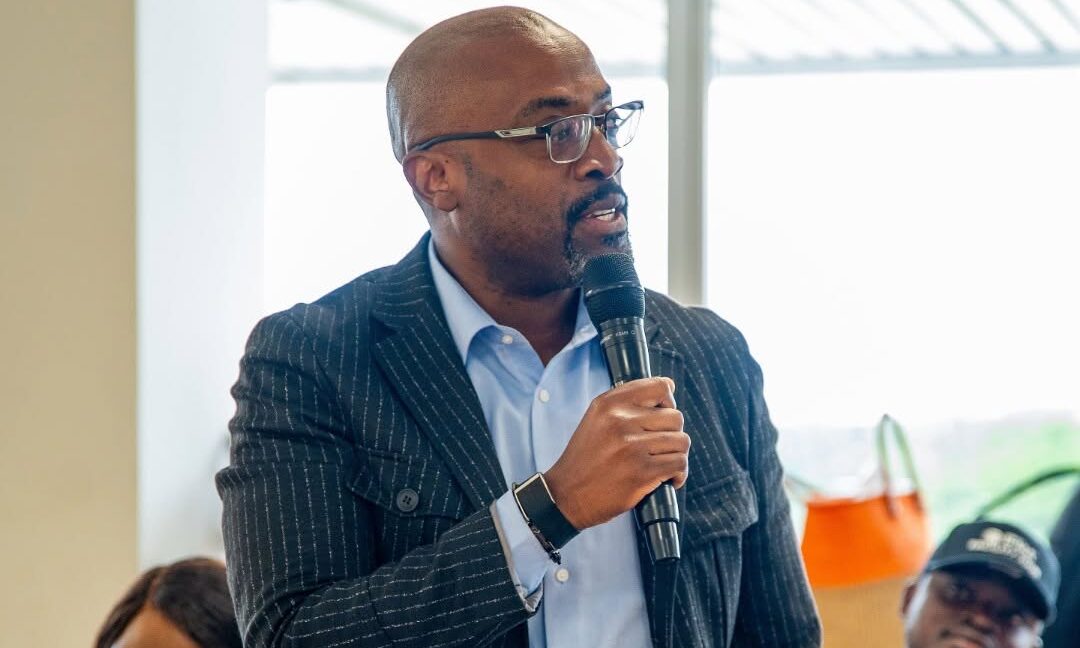
The Music In Africa Foundation (MIAF) is proud of its partnership with the Industrial Development Corporation (IDC) as a Strategic Implementing Partner (SIP) for its Social Employment Fund (SEF). Through this collaboration, MIAF is running a national programme that is creating jobs, addressing skills gaps, and strengthening South Africa's creative industries — in line with the SEF's overarching goal to generate work for the common good and build community value through employment, social contribution, and inclusive economic participation. Operating under the banner NEFCISA (National Employment Facility for Creative Industries in South Africa), the initiative is recruiting and training participants, matching them with host organisations, and has already placed 1 500 workers across the country — surpassing its original target of 1 000. NEFCISA is delivered through a network of 20 host organisations spanning five provinces, who are actively hosting participants and contributing to work for the common good across South Africa's creative and cultural industries. Key Objectives: Support employment and entrepreneurship in the creative industries. Offer skills development and training programmes. Foster partnerships between public and private creative sectors. Promote South African creativity at both provincial and national levels Foster community development through social contribution.

ACCES
ACCES

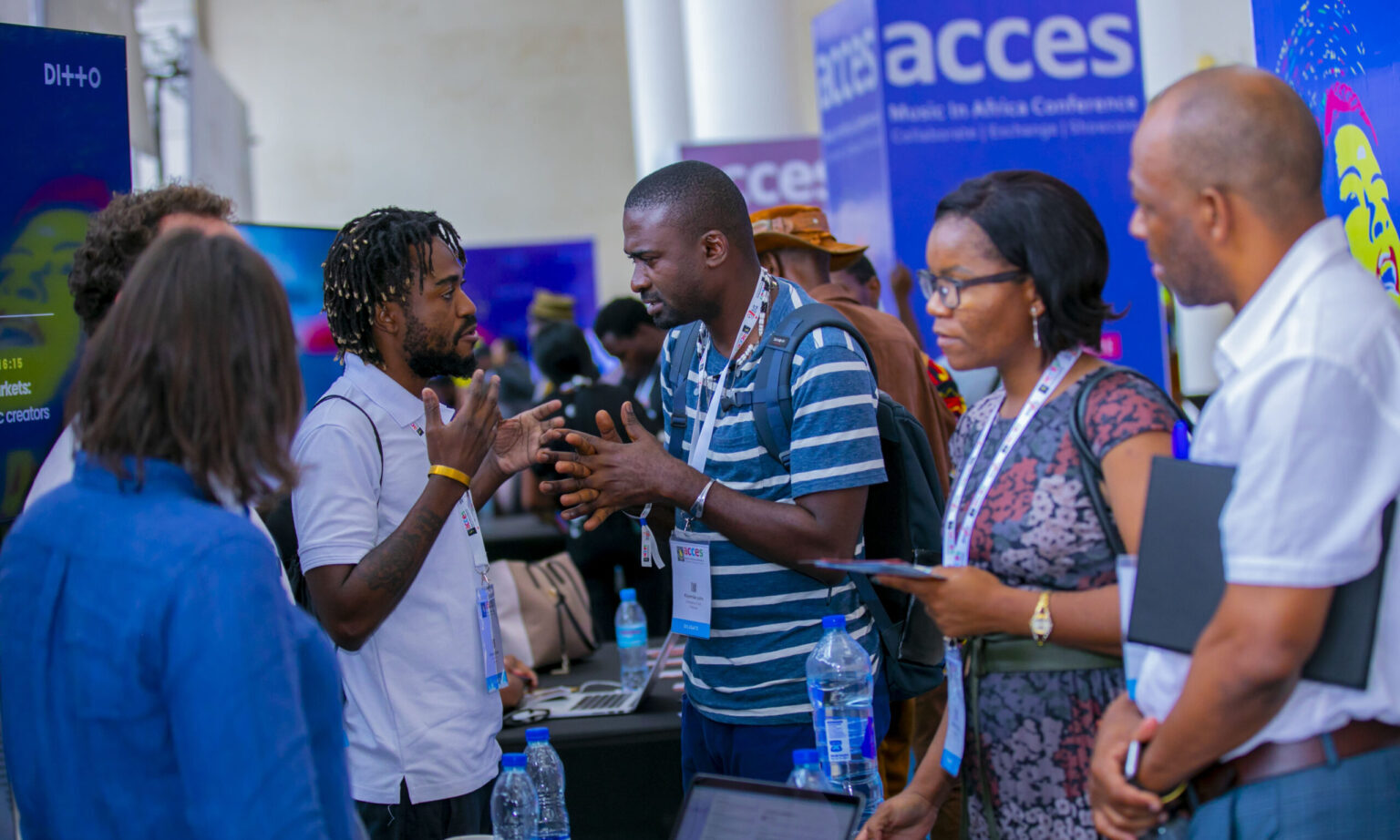
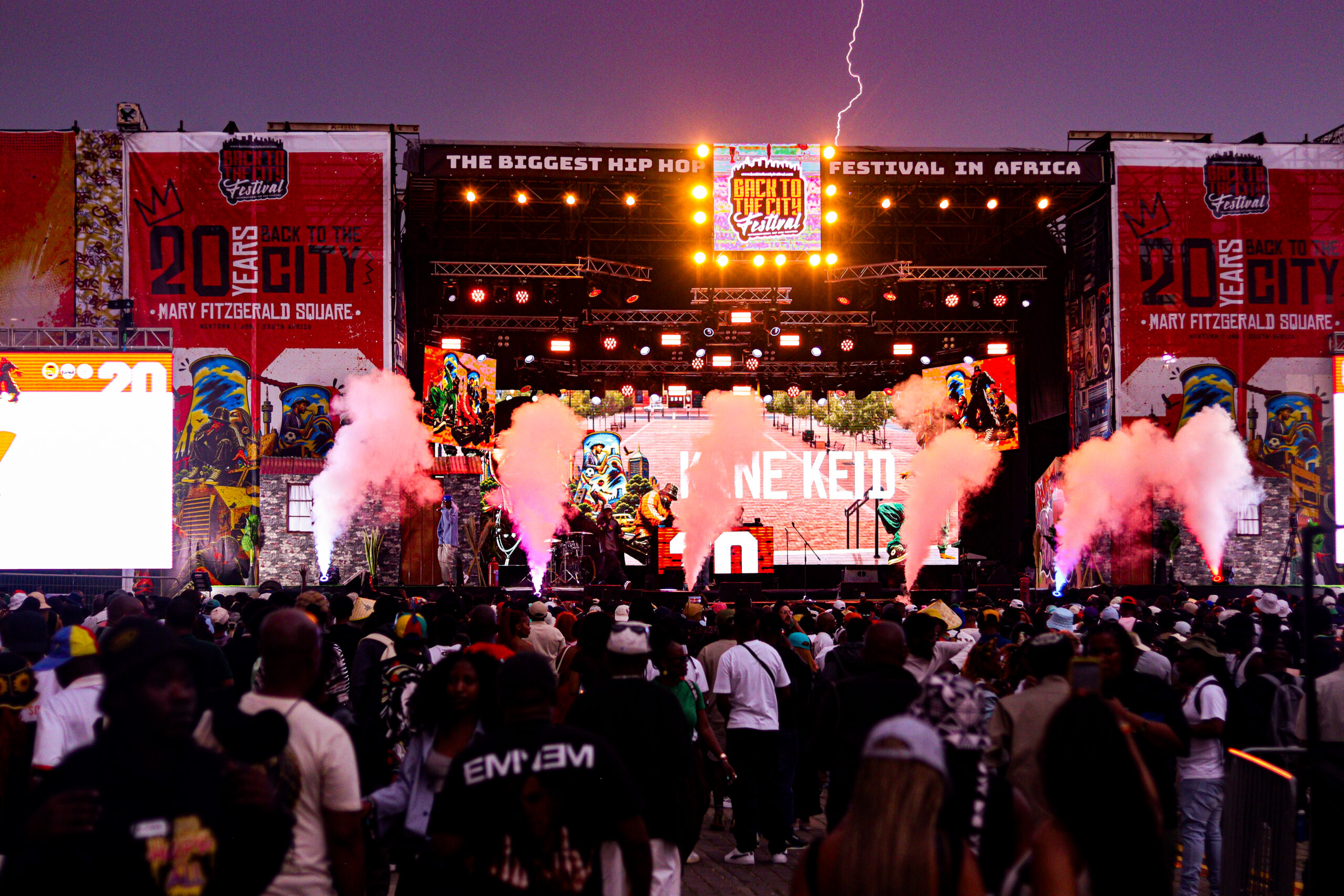
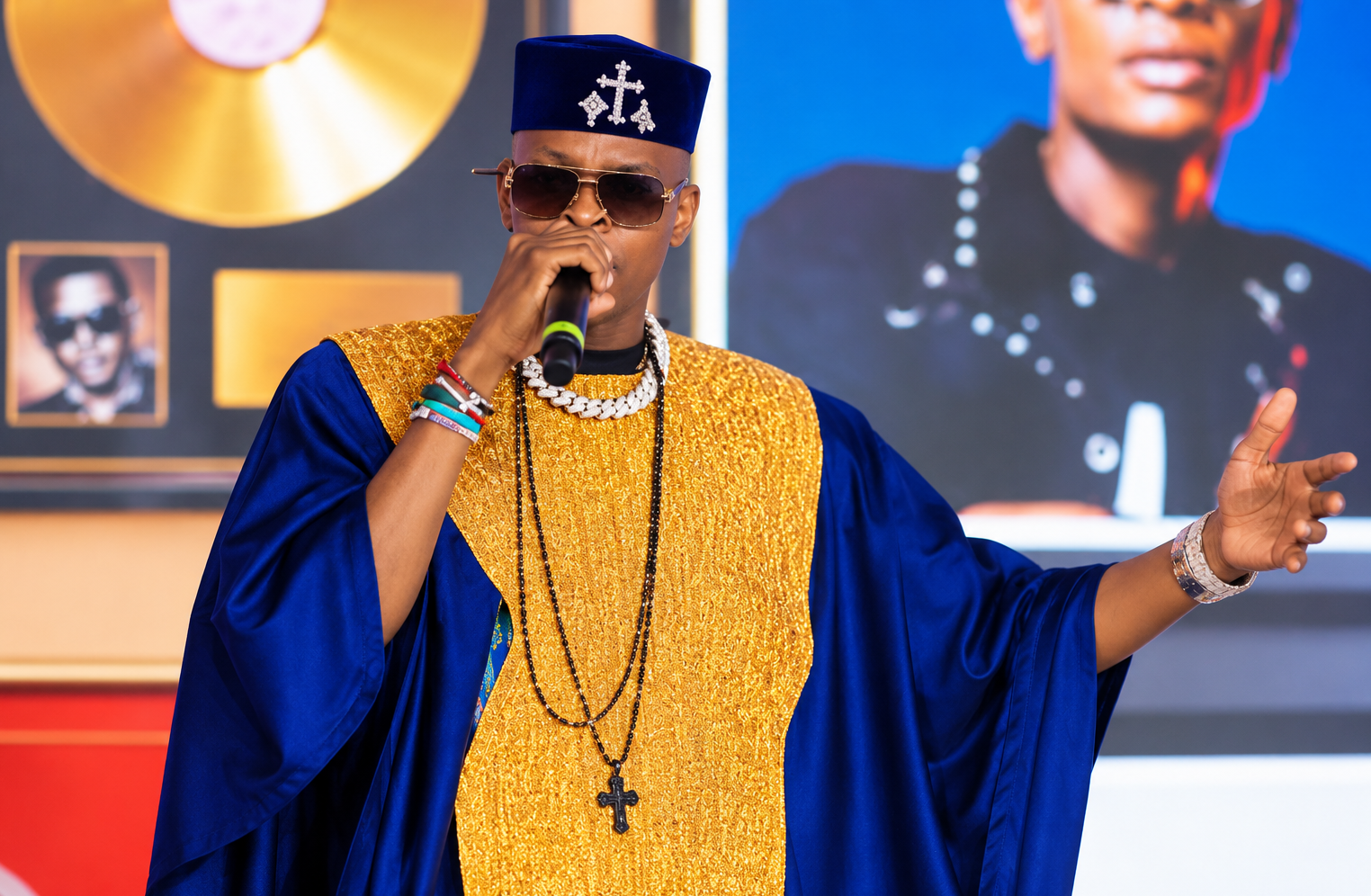
ACCES Conference and Showcase Festival is Africa's leading music industry gathering, bringing together the people shaping the future of the continent's music business. Artists, entrepreneurs, executives, investors, policymakers and cultural leaders from across Africa and around the world come to ACCES to build partnerships, exchange ideas, discover talent and create new business opportunities. Since its launch in 2017, ACCES has become the continent's premier platform for professional exchange and music market development. Combining a high-level conference with a curated showcase festival, networking, exhibitions and industry programmes, ACCES offers a unique space where creativity meets business and where African music connects with the global industry.

Gender@Work
Gender@Work

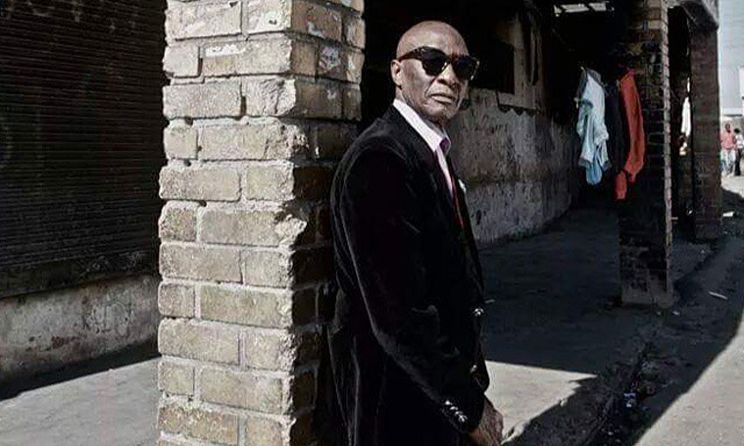
Music In Africa Gender @ Work is a three-year training programme aimed at upskilling and increasing the participation of female professionals in the African music sector. Launched by the Music In Africa Foundation (MIAF) in April 2019, the programme is connected to the MIAF’s ACCES music conference – a pan-African event held in a different African country every year. This connection enables the programme to reach new participants in a different African country every year. The programme marks the beginning of a more concerted effort by the Foundation to support the participation and inclusion of women in all facets of its programmes and the music sector in Africa as a whole. Over the three years, the programme will aim to address gender imbalances in the sector through training, lobbying, facilitating knowledge exchange and dialogues that foster the interest of women. The broader objectives of the programme are to: Provide industry training for women on critical music industry skills, focusing on: Stage management Electronic music production and recording Music business management Technical knowledge Provide an opportunity for both professional and aspiring women to benefit from the Music In Africa network and its broad range of activities in 2019, 2020 and 2021. Provide a solution-based platform in the form of a round table at ACCES with a view to identify challenges, discuss opportunities and lobby for the interests of female practitioners. Offer participants the opportunity to benefit from programmes offered by MIAF’s partners. Increase access to educational materials. Integrate participants in the broader ACCES programme to maximise experience and exposure to the industry. Record and present training materials on the www.musicinafrica.net, including but not limited to tutorials, templates and other best-practice materials. Communicate women-based themes that support the initiatives and messages of the programme. MAIN TRAINING ACTIVITIES Training in first country (Ghana): In the first year, participants will be trained on all aspects of stage management by a team of experienced stage managers from 10 to 17 November 2019. The programme will offer robust classroom training as well as practical, hands-on training in which participants will also be given the opportunity to manage various aspects of the ACCES performance programme. Training in second country: The second training iteration will take place at ACCES 2020 when the programme will diversify its course to include music production lessons and training on other music business topics. A round-table platform will also be introduced to coincide with the ACCES programme. Training in third country: The third training iteration will take place at ACCES 2021 in a different country, offering an advanced course. HOW DO YOU GET INVOLVED?  As a participant, facilitator or trainer: The programme enrolls up to 12 trainees every year. All opportunities are advertised publicly on this website, and will be added to this page. Please keep checking this page for new calls (below under UPDATES & CURRENT OPPORTUNITIES). As a partner Please contact Claire Metais at [email protected]. APPLY The call for applications for 2020 will be announced soon. The Music In Africa Gender @ Work programme is made possible with the support of the Prince Claus Fund, Siemens Stiftung and Goethe-Institut.

Sound Connects Fund
Sound Connects Fund

For cultural and creative practitioners and organisations operating in southern Africa, access to funding remains a major challenge. The COVID-19 pandemic has also had a massive impact on government policy, spending and the economy in general, and has seen spending on culture being moved further down the list of priorities. Further, the cultural and creative industries repeatedly cite four main areas where investment is needed for growth, which are increased visibility, mobility including access to new markets, finance and support structures.

Instrument Building And Repair Project

Experience the Vibrations African Instruments Exhibition online in 3D

Home / Artists & Industry / Mishi – Labda Kesho
Mishi – Labda Kesho

Mishi – Labda Kesho

Solo artists
linkedin
flag-img

Zanzibar, Tanzania

In operation since:

2016

Contact person:

Mishi – Labda Kesho

BIO

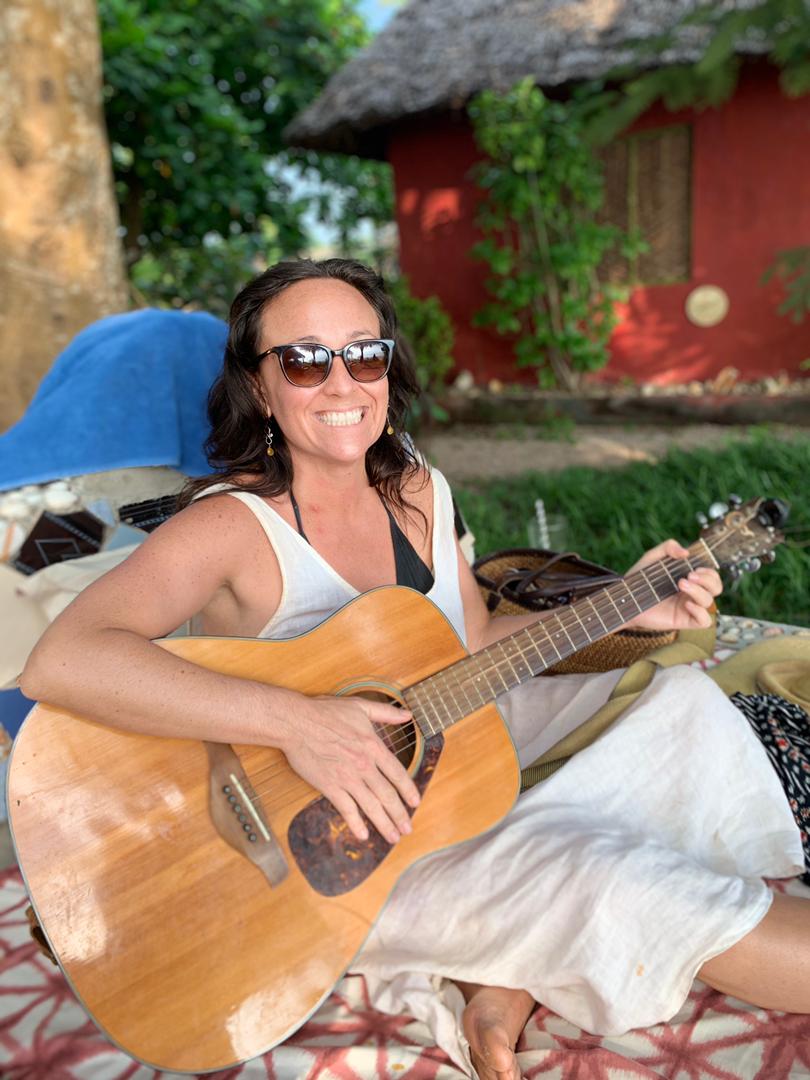
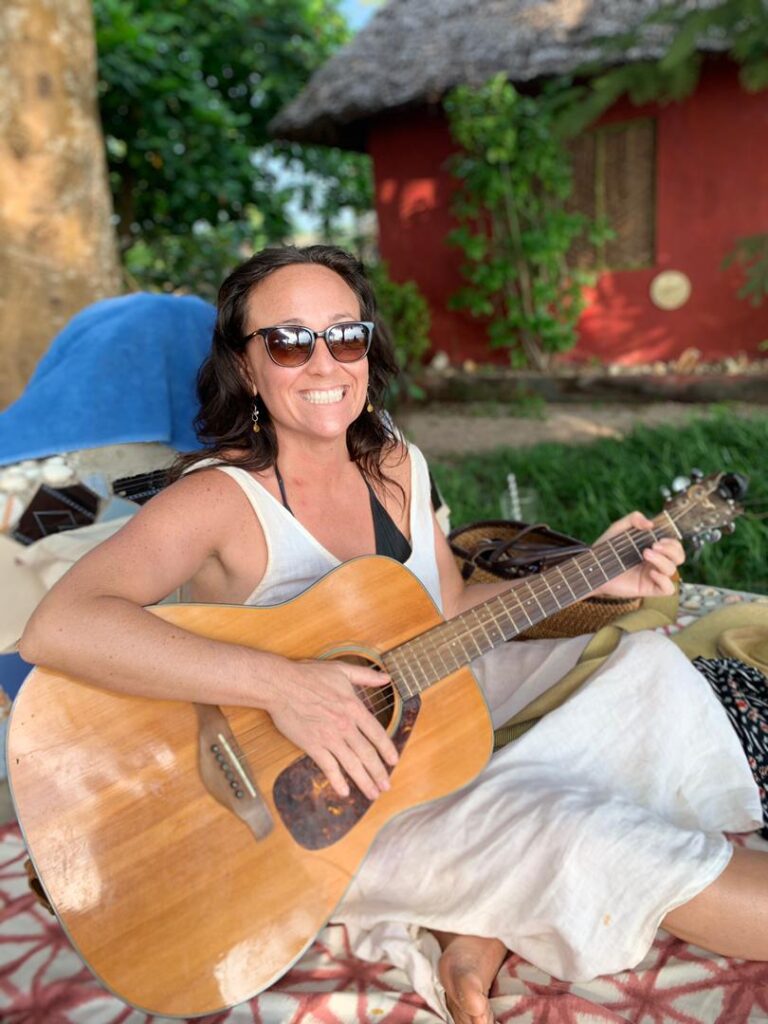
Mishi is an American-Italian musician who has spent 10 of the past 14 years working, living and making music throughout Tanzania, "kutoka porini mpaka mjini...na njiani pia" ( from the bush to town and even on the road ). Labda Kesho means " Maybe Tomorrow " in Swahili and captures the often unpredictable and spontaneous happenings of daily life in Tanzania. Mishi's original Kiswanglish music is a new style—crossing genres—that brings the everyday joys, frustrations, and hilarious experiences of Swahili life into song. Mishi first started writing songs when she was growing up in Pennsylvania, on the eastern coast of the United States as a young child, and has loved singing and making music for as long as she can remember.
Her first songs written in Swahili were about Tanzanian breakfast foods while learning Swahili in the Peace Corps in Kilosa, Morogoro and then in Ilembo, Mbeya from 2008-2010. After the Peace Corps, she lived in Baltimore on a boat (The Takiteze - a 1976 44’ Trojan Motor Yacht) she owned for 4 years and would often play music for guests aboard, occasionally performing Janis Joplin cover songs at bars, or on the streets of Fells Point to entertain friends. In 2015, she moved to Dar es Salaam where she continued her work with an NGO in public health and began playing her original music for the first time while performing regularly at The Slow Leopard in Masaki at Chi Temu's Open Mic events and John Kagaruki’s Friday shows, with Shane Palko and at the Isimila Music Festival in Iringa in 2017. In 2017 and 2018, Mishi led Labda Kesho & Friends in musical parades in Stone Town for Sauti za Busara which created some magical impromptu musical moments in Mashallah Cafe with Ribab Fusion followed by late night performances at Livingstone's. In April 2018, after becoming completely burnt out, unhealthy, and disenchanted after a decade with the development and aid system, Mishi quit her job and moved to a friend's farm outside of Njombe where she has been residing, writing, creating, spending long quiet times in wild nature and doing deep inner transformational work for the past 3 years.
During this time, her performances included shows at Iringa Sunset Hotel's welcoming sundowner deck built around the natural boulders and rocks with views of the miombo woodlands, and surrounding valleys. She also had the pleasure of playing at the annual Kisolanza Touch Rugby Tournaments in 2019 and 2020 for wonderful crowds in the southern highlands and around the country. She even played in early 2021 for hundreds of passengers aboard the overnight journey on Lake Nyasa on the new MV Mbeya II ferry from Mbamba Bay to Lipingu. Now she has emerged from the mountains of the southern highlands and finds herself living on a boat in Zanzibar starting up an AirBnB, retreat and performance space, and mobile boat safari camp on "The Indiana", a double deck catamaran currently based in Kendwa. In June and July 2021 alone, she has had the honor of performing at Crazy Monday at Coral Rocks in Jambiani, Demani Lodge's Thursday Night party in Paje, La Fontana Bungalows in Kendwa, Sunrise Bar in Stone Town, a musical interview performance with ZCTV's "The Beats", multiple house parties in Stone Town and Mbweni, Under the Shade Safari Lodge's grand opening in Arusha, and hosted a musical boat brunch with Fadhilee Itulya. She is now touring throughout the island on land and sea to promote her first album, “Bajaji Kisses”, which contains 8 songs in English, Swahili and Kiswanglish--including some Labda Kesho classics such as "Fundi, Uko Wapi?" and "Simama", about getting stopped by the local traffic police. Bajaji Kisses was produced by Bob Julie, Prosper Boaz and Kenny Mackyao at KenMack Studios in Moshi in 2020--where Mishi drove herself across the country after BongoZozo heard her playing from his room and invited her to a studio session with other artists. She ended up camping in her tent on the roof of the studio with clear views of Kilimanjaro and recorded the album a day and a half before driving back to Njombe, camping in Kondoa and playing music along the way. Bajaji Kisses is now available on digital platforms including Spotify and iTunes. Mishi most often plays guitar but grew up learning the piano and has recently added ukulele, melodica and accordion to the list of instruments she incorporates into her songs. She loves playing with other musicians, inviting crowd participation, and will always welcome additional voices, rhythm eggs and tambourines to liven up the often improvised on-the-spot songwriting. Whether it's on stage, playing for a crowded bar, in Ruaha National Park playing around the campfire, or even playing her ukulele in a dalla dalla on the way to town, Mishi brings a new authentic vibe and style that seeks to lighten and uplift those around her. For Mishi, her life is the gig. Musiki ni maisha!

Photos

No photos available

Music

No tracks available

--:--

Social Networks and Websites

Disclaimer: Music In Africa provides a platform for musicians and contributors to embed music and videos solely for promotional purposes. If any track or video embedded on this platform violates any copyrights please inform us immediately and we will take it down. Please read our Terms of Use for more.

newsletter banner

Subscribe to our monthly Newsletter

Follow us on social media