















































NEFCISA
NEFCISA

The Music In Africa Foundation (MIAF) is proud of its partnership with the Industrial Development Corporation (IDC) as a Strategic Implementing Partner (SIP) for its Social Employment Fund (SEF). Through this collaboration, MIAF is running a national programme that is creating jobs, addressing skills gaps, and strengthening South Africa's creative industries — in line with the SEF's overarching goal to generate work for the common good and build community value through employment, social contribution, and inclusive economic participation. Operating under the banner NEFCISA (National Employment Facility for Creative Industries in South Africa), the initiative is recruiting and training participants, matching them with host organisations, and has already placed 1 500 workers across the country — surpassing its original target of 1 000. NEFCISA is delivered through a network of 20 host organisations spanning five provinces, who are actively hosting participants and contributing to work for the common good across South Africa's creative and cultural industries. Key Objectives: Support employment and entrepreneurship in the creative industries. Offer skills development and training programmes. Foster partnerships between public and private creative sectors. Promote South African creativity at both provincial and national levels Foster community development through social contribution.

ACCES
ACCES

ACCES Conference and Showcase Festival is Africa's leading music industry gathering, bringing together the people shaping the future of the continent's music business. Artists, entrepreneurs, executives, investors, policymakers and cultural leaders from across Africa and around the world come to ACCES to build partnerships, exchange ideas, discover talent and create new business opportunities. Since its launch in 2017, ACCES has become the continent's premier platform for professional exchange and music market development. Combining a high-level conference with a curated showcase festival, networking, exhibitions and industry programmes, ACCES offers a unique space where creativity meets business and where African music connects with the global industry.

Gender@Work
Gender@Work

Music In Africa Gender @ Work is a three-year training programme aimed at upskilling and increasing the participation of female professionals in the African music sector. Launched by the Music In Africa Foundation (MIAF) in April 2019, the programme is connected to the MIAF’s ACCES music conference – a pan-African event held in a different African country every year. This connection enables the programme to reach new participants in a different African country every year. The programme marks the beginning of a more concerted effort by the Foundation to support the participation and inclusion of women in all facets of its programmes and the music sector in Africa as a whole. Over the three years, the programme will aim to address gender imbalances in the sector through training, lobbying, facilitating knowledge exchange and dialogues that foster the interest of women. The broader objectives of the programme are to: Provide industry training for women on critical music industry skills, focusing on: Stage management Electronic music production and recording Music business management Technical knowledge Provide an opportunity for both professional and aspiring women to benefit from the Music In Africa network and its broad range of activities in 2019, 2020 and 2021. Provide a solution-based platform in the form of a round table at ACCES with a view to identify challenges, discuss opportunities and lobby for the interests of female practitioners. Offer participants the opportunity to benefit from programmes offered by MIAF’s partners. Increase access to educational materials. Integrate participants in the broader ACCES programme to maximise experience and exposure to the industry. Record and present training materials on the www.musicinafrica.net, including but not limited to tutorials, templates and other best-practice materials. Communicate women-based themes that support the initiatives and messages of the programme. MAIN TRAINING ACTIVITIES Training in first country (Ghana): In the first year, participants will be trained on all aspects of stage management by a team of experienced stage managers from 10 to 17 November 2019. The programme will offer robust classroom training as well as practical, hands-on training in which participants will also be given the opportunity to manage various aspects of the ACCES performance programme. Training in second country: The second training iteration will take place at ACCES 2020 when the programme will diversify its course to include music production lessons and training on other music business topics. A round-table platform will also be introduced to coincide with the ACCES programme. Training in third country: The third training iteration will take place at ACCES 2021 in a different country, offering an advanced course. HOW DO YOU GET INVOLVED?  As a participant, facilitator or trainer: The programme enrolls up to 12 trainees every year. All opportunities are advertised publicly on this website, and will be added to this page. Please keep checking this page for new calls (below under UPDATES & CURRENT OPPORTUNITIES). As a partner Please contact Claire Metais at [email protected]. APPLY The call for applications for 2020 will be announced soon. The Music In Africa Gender @ Work programme is made possible with the support of the Prince Claus Fund, Siemens Stiftung and Goethe-Institut.

Sound Connects Fund
Sound Connects Fund

For cultural and creative practitioners and organisations operating in southern Africa, access to funding remains a major challenge. The COVID-19 pandemic has also had a massive impact on government policy, spending and the economy in general, and has seen spending on culture being moved further down the list of priorities. Further, the cultural and creative industries repeatedly cite four main areas where investment is needed for growth, which are increased visibility, mobility including access to new markets, finance and support structures.

Instrument Building And Repair Project

Experience the Vibrations African Instruments Exhibition online in 3D

Features

10 steps to setting up a performance stage
19 Mar 2025 - 15:03

cc-img flag-img

By Thompho Nyabane

Setting up a performance stage is a complex process that requires careful planning, technical expertise, and perfect coordination between multiple teams. The success of a live performance is dependent on this and to ensure the audience experiences the show as intended.
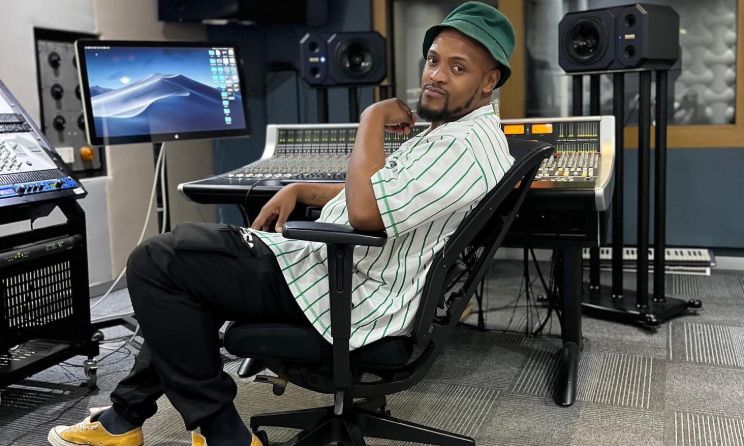
Thompho Nyabane.

As live entertainment and music festivals continue to expand across the country, the demand for skilled live sound engineers is growing. Institutions like Academy of Sound Engineering play a crucial role in equipping the next generation of professionals with hands-on training. Aspiring sound engineers should embrace continuous learning and mentorship to build a rewarding and dynamic career in this fast-paced industry.

Whether you’re planning to host a concert, festival, or corporate event, below are 10 essential steps to consider when setting up a stage:

1. Pre-event planning

Stage setup starts long before the equipment arrives on-site. This phase involves understanding the event’s technical requirements, coordinating with performers, and ensuring all logistical details, such as permits, staffing, and schedules are in place.

2. Choosing the right venue

Selecting the venue is crucial, as it determines the available space, acoustics, power sources, and accessibility. Outdoor and indoor venues require different considerations, such as weather protection and sound reinforcement strategies.

3. Assembling the stage structure

Once on-site, the physical stage is built. Platforms, rigging, and safety rails are securely positioned to provide a stable foundation for performers and equipment. Rigging must be carefully designed to support lighting, screens, and sound systems safely.

4. Setting up power distribution

Power is the backbone of any live production. Proper cable management ensures a safe and efficient power supply to lighting, audio, and visual systems. Tripping hazards and electrical failures are prevented through careful planning and organisation.

5. Positioning the backline equipment

The backline consists of instruments, amplifiers, and microphones as per the performers' technical rider. The correct placement of these elements is essential for sound balance and accessibility during the performance.

6. Installing the sound system

A well-designed PA (public address) system, including subwoofers and monitor speakers, is installed and aligned for optimal acoustics. Sound engineers meticulously place speakers to ensure clear, balanced audio across the entire venue.

7. Integrating lighting and visual effects

Lighting transforms the atmosphere and enhances audience engagement. Lights are rigged to highlight performers and create dynamic effects. LED screens, projectors, and special effects (such as fog machines or pyrotechnics) are integrated and tested for synchronisation.

8. Conducting sound checks and system calibration

Before doors open, each microphone, instrument, and speaker are tested individually to identify and resolve technical issues. The sound engineer fine-tunes the mix to suit the venue’s acoustics and the performers’ needs.

9. Managing the live performance

During the show, sound and lighting teams continuously monitor and adjust settings in real time. Sound engineers ensure the audio mix remains balanced while lighting technicians execute programmed cues to enhance the visual experience.

10. Load-out and breakdown

Once the performance concludes, the teardown process begins. Equipment is safely powered down, dismantled, and packed for transportation. The venue is restored to its original condition, and rental gear is returned.

Setting up a performance stage is both a technical and creative process, requiring expertise in multiple disciplines. For those passionate about live sound, Academy of Sound Engineering offers industry-leading training to develop the skills needed for success in this exciting field.

Thompho Nyabane is a lecturer and avid venue certified instructor at Academy of Sound Engineering. The opinions and views expressed herein are solely his own and do not reflect the position or stance of the publication.

Please log in to post a comment.

Most popular

Disclaimer: Music In Africa provides a platform for musicians and contributors to embed music and videos solely for promotional purposes. If any track or video embedded on this platform violates any copyrights please inform us immediately and we will take it down. Please read our Terms of Use for more.

newsletter banner

Subscribe to our monthly Newsletter

Follow us on social media



