




































NEFCISA
NEFCISA

The Music In Africa Foundation (MIAF) is proud of its partnership with the Industrial Development Corporation (IDC) as a Strategic Implementing Partner (SIP) for its Social Employment Fund (SEF). Through this collaboration, MIAF is running a national programme that is creating jobs, addressing skills gaps, and strengthening South Africa's creative industries — in line with the SEF's overarching goal to generate work for the common good and build community value through employment, social contribution, and inclusive economic participation. Operating under the banner NEFCISA (National Employment Facility for Creative Industries in South Africa), the initiative is recruiting and training participants, matching them with host organisations, and has already placed 1 500 workers across the country — surpassing its original target of 1 000. NEFCISA is delivered through a network of 20 host organisations spanning five provinces, who are actively hosting participants and contributing to work for the common good across South Africa's creative and cultural industries. Key Objectives: Support employment and entrepreneurship in the creative industries. Offer skills development and training programmes. Foster partnerships between public and private creative sectors. Promote South African creativity at both provincial and national levels Foster community development through social contribution.

ACCES
ACCES

ACCES Conference and Showcase Festival is Africa's leading music industry gathering, bringing together the people shaping the future of the continent's music business. Artists, entrepreneurs, executives, investors, policymakers and cultural leaders from across Africa and around the world come to ACCES to build partnerships, exchange ideas, discover talent and create new business opportunities. Since its launch in 2017, ACCES has become the continent's premier platform for professional exchange and music market development. Combining a high-level conference with a curated showcase festival, networking, exhibitions and industry programmes, ACCES offers a unique space where creativity meets business and where African music connects with the global industry.

Gender@Work
Gender@Work

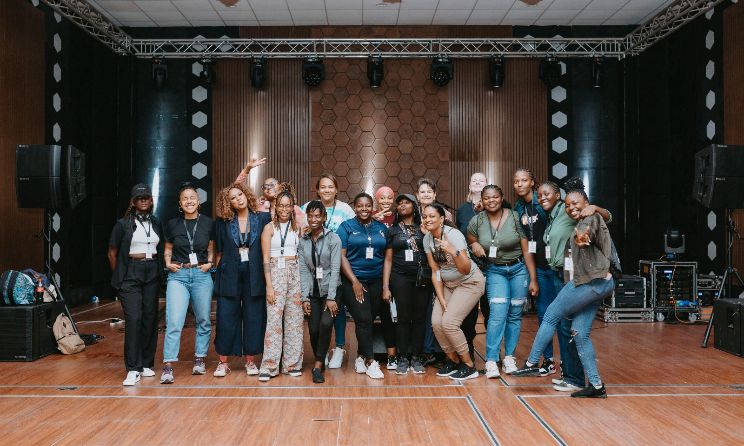
Music In Africa Gender @ Work is a three-year training programme aimed at upskilling and increasing the participation of female professionals in the African music sector. Launched by the Music In Africa Foundation (MIAF) in April 2019, the programme is connected to the MIAF’s ACCES music conference – a pan-African event held in a different African country every year. This connection enables the programme to reach new participants in a different African country every year. The programme marks the beginning of a more concerted effort by the Foundation to support the participation and inclusion of women in all facets of its programmes and the music sector in Africa as a whole. Over the three years, the programme will aim to address gender imbalances in the sector through training, lobbying, facilitating knowledge exchange and dialogues that foster the interest of women. The broader objectives of the programme are to: Provide industry training for women on critical music industry skills, focusing on: Stage management Electronic music production and recording Music business management Technical knowledge Provide an opportunity for both professional and aspiring women to benefit from the Music In Africa network and its broad range of activities in 2019, 2020 and 2021. Provide a solution-based platform in the form of a round table at ACCES with a view to identify challenges, discuss opportunities and lobby for the interests of female practitioners. Offer participants the opportunity to benefit from programmes offered by MIAF’s partners. Increase access to educational materials. Integrate participants in the broader ACCES programme to maximise experience and exposure to the industry. Record and present training materials on the www.musicinafrica.net, including but not limited to tutorials, templates and other best-practice materials. Communicate women-based themes that support the initiatives and messages of the programme. MAIN TRAINING ACTIVITIES Training in first country (Ghana): In the first year, participants will be trained on all aspects of stage management by a team of experienced stage managers from 10 to 17 November 2019. The programme will offer robust classroom training as well as practical, hands-on training in which participants will also be given the opportunity to manage various aspects of the ACCES performance programme. Training in second country: The second training iteration will take place at ACCES 2020 when the programme will diversify its course to include music production lessons and training on other music business topics. A round-table platform will also be introduced to coincide with the ACCES programme. Training in third country: The third training iteration will take place at ACCES 2021 in a different country, offering an advanced course. HOW DO YOU GET INVOLVED?  As a participant, facilitator or trainer: The programme enrolls up to 12 trainees every year. All opportunities are advertised publicly on this website, and will be added to this page. Please keep checking this page for new calls (below under UPDATES & CURRENT OPPORTUNITIES). As a partner Please contact Claire Metais at [email protected]. APPLY The call for applications for 2020 will be announced soon. The Music In Africa Gender @ Work programme is made possible with the support of the Prince Claus Fund, Siemens Stiftung and Goethe-Institut.

Sound Connects Fund
Sound Connects Fund

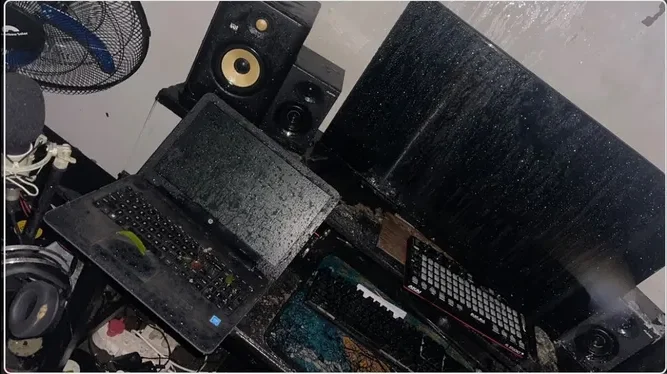
For cultural and creative practitioners and organisations operating in southern Africa, access to funding remains a major challenge. The COVID-19 pandemic has also had a massive impact on government policy, spending and the economy in general, and has seen spending on culture being moved further down the list of priorities. Further, the cultural and creative industries repeatedly cite four main areas where investment is needed for growth, which are increased visibility, mobility including access to new markets, finance and support structures.

Instrument Building And Repair Project

Experience the Vibrations African Instruments Exhibition online in 3D

Features

5 female artists redefining the Ugandan music scene
17 May 2016 - 11:44

cc-img flag-img

All over the continent, Africa is blessed with amazing female talent. The East African nation of Uganda is no different; here too there is no shortage of successful and influential female artists.
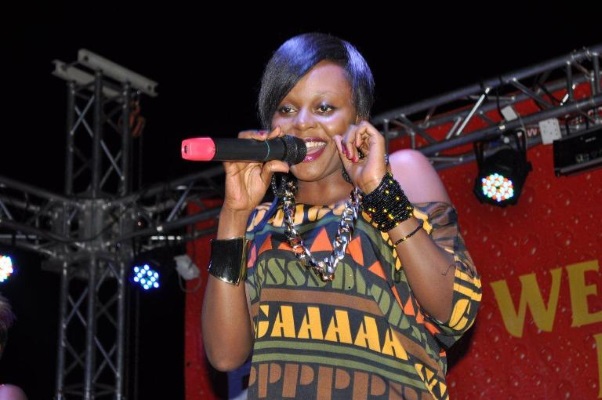
Ugandan artist Rema Namakula. Photo: www.xclusive.co.ug

Fresh new talent is emerging regularly, as new artists seek to stake a claim of Uganda's vibrant and diverse music industry. While many of the country's female artists started in groups and tend to sound similar, there are still plenty of distinct female voices that bring a breath of fresh air to the Ugandan music scene. Here are five of them...

Angella Katatumba

In 2011 Angela Katatumba made history when she was chosen as the first artist to accompany the police, army and prisons bands by singing the Ugandan national anthem in front of 13 heads of state. She made her debut in 2005 and has so far released two albums: Peace and Glad I'm Alive. She is currently working on her third album, Supernatural Girl, and has collaborated with other Ugandan artists such as Keko. Angella is more than just an artist. Besides working in her family’s hotel business, she is heavily involved with humanitarian works. With the Angela Katatumba Development Foundation, Angela ran the ‘For You Gulu' project with the intention of using music to raise awareness of the plight of Northern Uganda after 21 years of war. She has also been involved with the 'Let’s Go Green' campaign that sought to enlighten the Ugandan public about climate change. Angela performed at the first ever United Nations World Humanitarian Summit between on 23 and 24 May in Istanbul, Turkey.


Phina Mugerwa

Singer and dancer Phina Mugerwa first emerged on Uganda’s music scene in 2007. After completing high school she heard of an audition being conducted by Kato Lubwama, She auditioned with about 300 others and was among the final three to be chosen. On stage she is famous for her energetic dancing as well as her singing. Her singles such as ‘Fundukululu’, ‘Gyobera’ and others have made her a household name in Uganda.


Jemimah Sanyu

Jemimah Sanyu, known as the 'stage gladiator' among her music fans, embarked on a professional music career in 2007 when she joined Grace Records. She quickly became a fan favourite because of her wild live performances and powerful voice. With the release of her single 'Ziba Amaaso' in 2010, Sanyu earned further attention and respect in the Ugandan music scen, scoring widespread radio airplay and embarking on a national tour. Throughout 2011, she was the lead singer in one of East Africa's biggest bands, Bantu Band. Nowadays Jemimah performs with her own band, named Unit 446. Her debut solo album Amaaso Go Googera achieved considerable success. Learn more about her in this interview.


Tshila

Sarah Tshila - or simply Tshila - first got onto the music scene in 2005 as a member of the pioneering Ugandan hip-hop group Bataka Squad. She started out as the group's female MC, then later began to explore a solo career as an 'Afro-fusion' artist. Tshila gave up a promising career in computer science in the USA to dedicate herself to music. From opening for Jaqee (a Berlin-based jazz artist) on her first unplugged show in Kampala to singing with UK group Kinobe, Tshila quickly made a name for herself as a versatile musician. In 2007 she participated in the BBC World Service talent search called The Next Big Thing, in which Tshila was named one of the 20 best unsigned artists in the world. Her music was considered by one of the judges as being “a perfect soundtrack to nice summer day".


Rema Namakula

Rema Namakula is one of the most most talented female artists to emerge from Uganda in recent years. Her musical repertoire is full of uplifting songs celebrating life and love. Rehema 'Rema' Namakula began her music career as a backup singer for Ugandan star Bebe Cool in his Gagamel crew. They parted ways in 2013 and Rema embarked on a solo career, releasing the single 'Oli Wange' that year to much acclaim. Since then she has released singles consistently, including the 2015 hit 'Katonotono' that further expanded her popularity in Uganda.


Of course this list does not claim to be exhaustive; Uganda is blessed with many other talented female artists other than the five listed above. For example, Juliana Kanyomozi, Judith Babirye and Iryn Namubiru are some of the artists that cannot go unnoticed among Ugandan music fans. Kanyomozi in particularly has done exceptionally well to promote her brand beyond Uganda's borders. Others like Irene Ntale, Sheebah and saxophonist Maureen Rutabingwa, popularly known as MoRoots, are some of the other female artists helping to keep the Ugandan music scene vibrant.

Please log in to post a comment.

Most popular

Disclaimer: Music In Africa provides a platform for musicians and contributors to embed music and videos solely for promotional purposes. If any track or video embedded on this platform violates any copyrights please inform us immediately and we will take it down. Please read our Terms of Use for more.

newsletter banner

Subscribe to our monthly Newsletter

Follow us on social media