


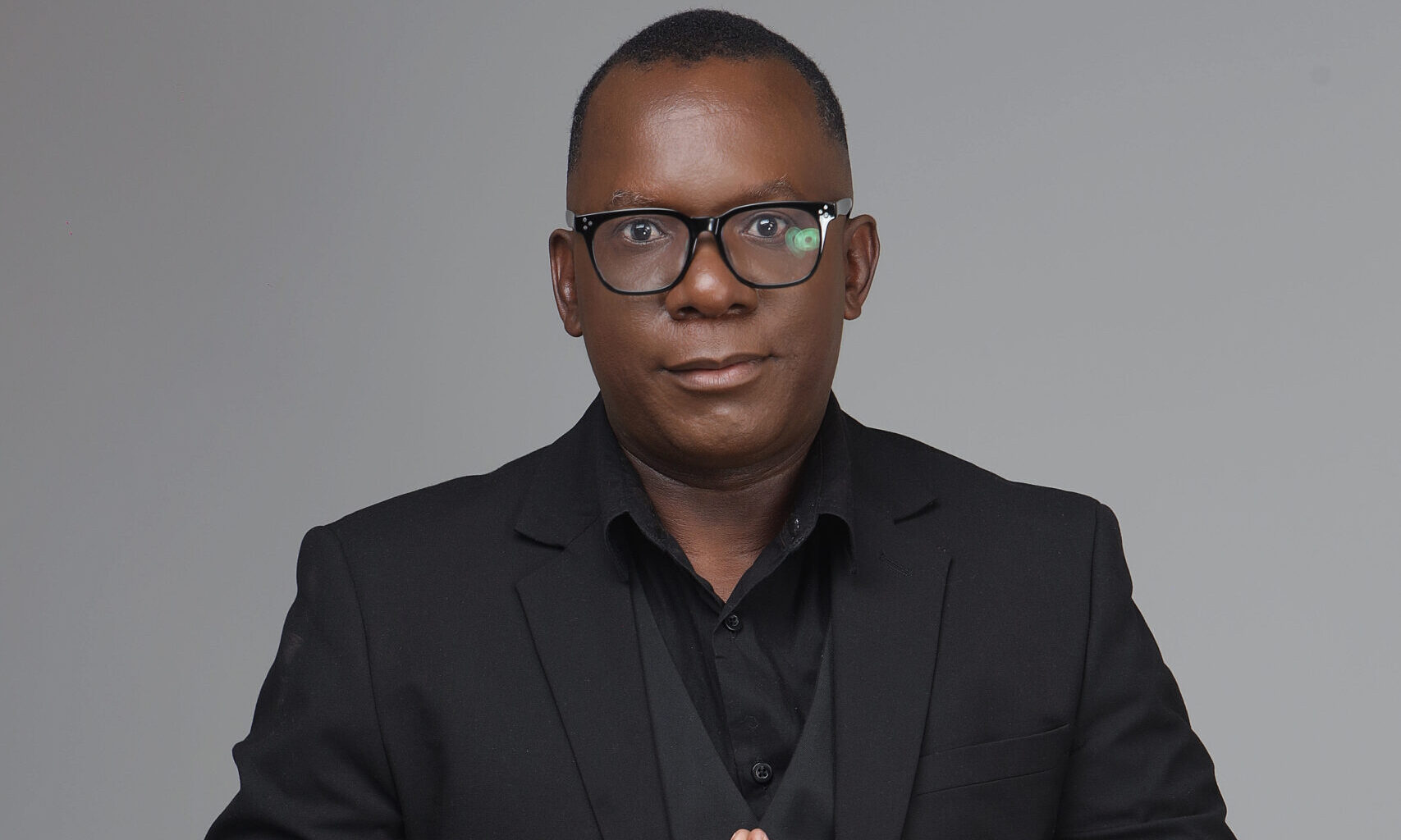















































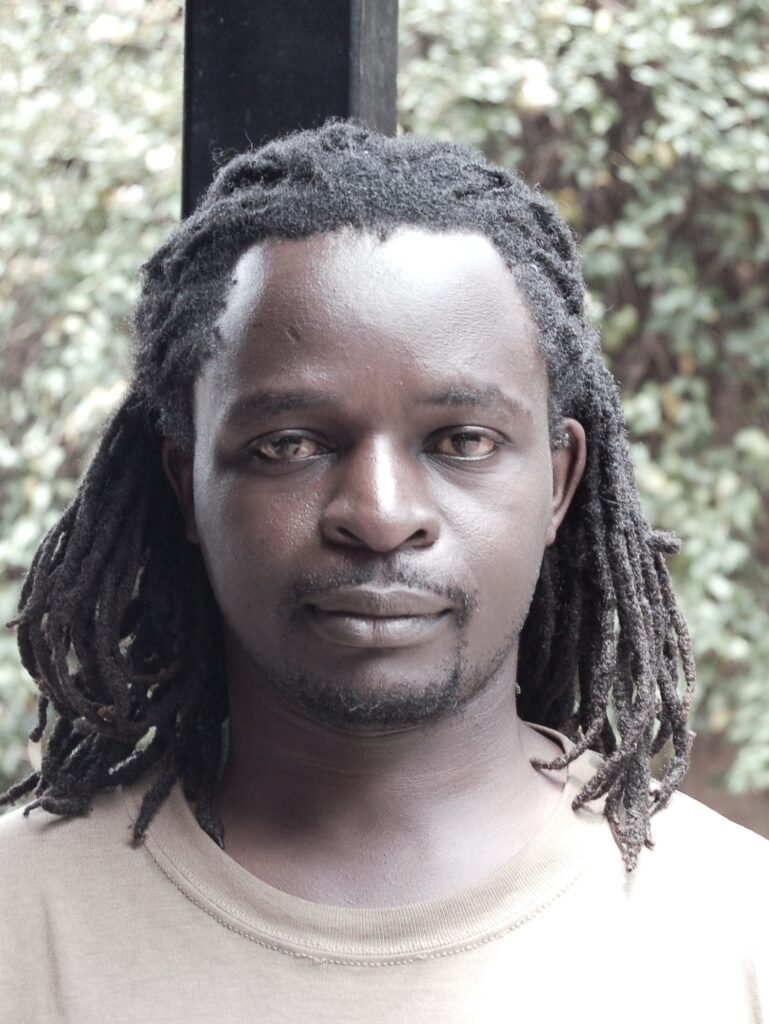
Abdi Rashid Jibril, the force behind Choices Thursday Night Live
29 May 2015 - 12:15


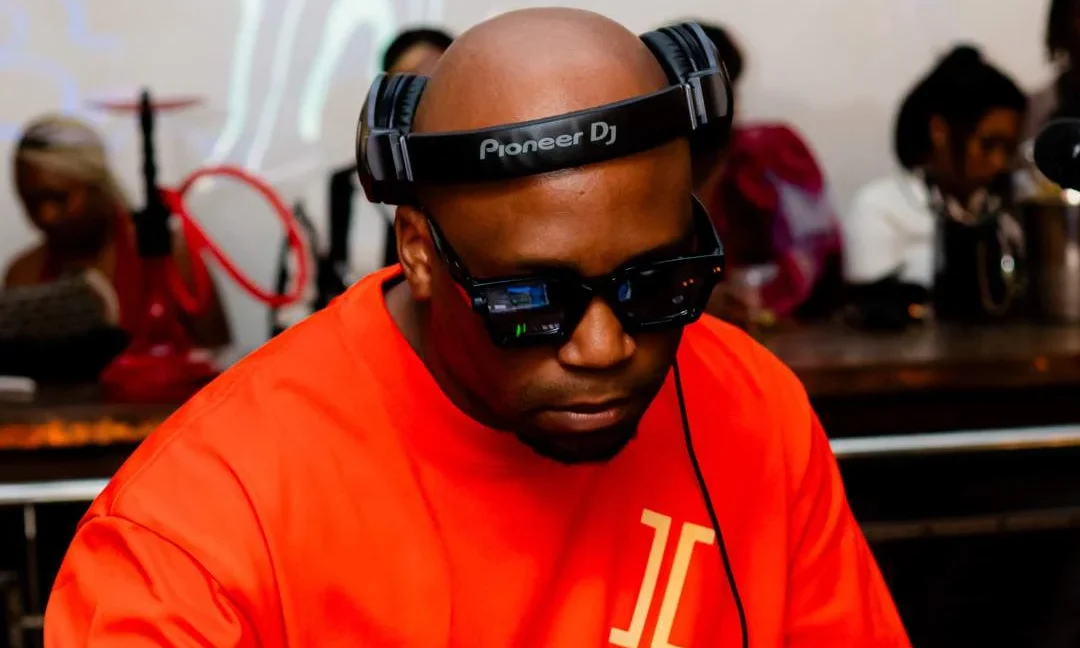
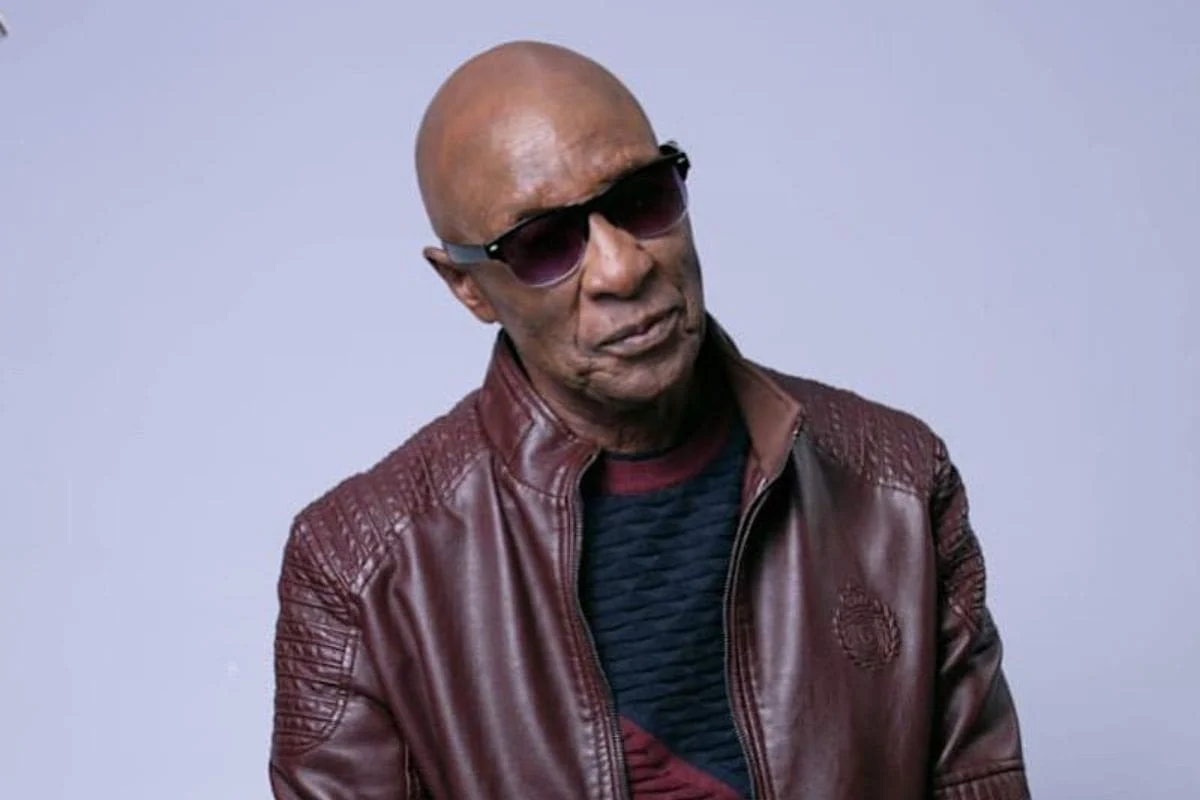
Abdi Rashid Jibril runs the hugely popular Choices Thursday Night Live in Nairobi under his company Roots International, a promotion company presenting artists performing live music which has been running now for about three years. The event is held at Choices Club located in Nairobi’s Industrial Area.

Started in November 2011, Choices Thursday Night Live features an artist who performs their own content, which is what differentiates it from other live music acts that showcase artists doing cover versions. The weekly event showcases mostly material produced in the East Africa region.
“The initial intent for creating the platform was inspired by the dearth of platforms for people performing their own material” said Jibril in an interview. Initially based in the US, Jibril had come back to live in Kenya in 2009, and was working as a percussionist in a couple of different bands in Nairobi. He observed that there weren’t any events that would try to market Kenyan music in a regular manner.
“There were monthly events and artists would be working festivals once every three months or so, but I felt that most of the venues around town were featuring artists doing cover versions of music from elsewhere; Nigeria, Congo, the US, Europe etc. I got tired of listening to this cover music and felt like there was need to provide a forum for those artists who wanted to showcase their own compositions,” he said. “We decided to create Choices Thursday Night Live for artists who are looking for a venue where they can showcase their material and develop their sound and launch themselves into bigger platforms within the region.”
Usually Jibril books all the artists a few weeks before the next month starts, works on the publicity, and develops the mailing list for the people who will be coming. He reaches out to the music-loving community in Nairobi in time to tell them what is coming up. To further make the event a success some of the artists have helped to publicize their events.
“Choices Thursday Night Live essentially showcases my musical taste. Due to this I take the responsibility of being the curator very seriously. Most Nairobians do not know the artists who are emerging, and so my role as a curator is to be able to examine all the different things happening and select what I feel has great potential and give it a platform” he said.
One reason why the event took off smoothly was that at inception there was a burgeoning of live music in Nairobi. “The last two and a half years have seen a lot more venues around town interested in booking artist performances by Kenyan musicians playing their own material,” he said. “There have also been a growing number of smaller festivals in the city, which translates to more employment creation, spreading an active night life in the city. Still, compared to Kinshasa, Cape Town, Dakar and Bamako Nairobi has never really ranked highly as a live-music city in Africa. Actually the broader East Africa has yet to receive that attention on the continent.”
Jibril hopes that by working with the various players in Nairobi they can develop the city to such a status.
Reflecting on In the 1970s when Nairobi was well known as a burgeoning live-music city, Jibril wishes there were more horn sections in modern bands. According to him this was the distinct characteristic of the bands of the 70s which is lacking today. He feels music sounds richer with a horn section. However he admits it is not easy to maintain a big band with horn-players in this age. Having a three-piece horn section in a band for instance would mean that the whole band would be ten-piece or so, which can be difficult to sustain with the rates at which local gigs pay.
Although Nairobi has had its fair share of shysters when it comes to music promotion, there are a few individuals who are doing well for the live music business. According to Jibril, Muthoni DQ (Drama Queen) is one of the emergent music promoters who is proving to be focused and honest. With her regular Blankets & Wine platform she has quickly earned the respect of the other players, and has grown to a level where she can bring in big stars from other African countries. Other notables are Sarakasi Dome, the organizers of the SawaSawa Festival and The GoDown Arts Centre with their monthly show, The GoDown Gig.
Jibril sees a bright future for live music in the East Africa region. Before starting Thursday Night Live he had lived and worked in the music business in California in the US for 18 years. When he compares the American experience to Kenya, he feels that unlike the American scene that has already reached a point of saturation, Kenya -- and East Africa in general -- is still creating the eco-system, still filling the gaps. According to his projection, in 10 to 15 years’ time the guys who are working on the ground right now will be the established players in the industry. He feels privileged to be in there knocking up the superstructure of this projected success right now.
He cites the disaster of the World Bank-sanctioned Structural Adjustment Programmes at the end of the 70s which destroyed the income for many Kenyans and destroyed the ability for people to buy music. He also cites dictatorships that limited freedom of expression. All these almost brought the live music business to its knees.
“In the last 10 to15 years -- and especially the last 3 or 4 years – the industryhas been on a comeback,” he said. “I believe if managed well, music can create economic channels for young people to earn a dignified living, from the musicians themselves to everyone else involved in the industry, from ticket-sellers, event suppliers, all the way down to the people who clean up after a gig.”
Regarding the obstacles that have hampered growth in the sector, Jibril would like the Government to scrap duty on instruments so that we can have more music schools. “The import duties slapped on imported instruments deter musicians from owning their own instruments, forcing them to either rent or borrow. The government can also invest in art education in schools, including providing the funding. Lastly it should enforce legislation on copyright ownership to weed out bootleg music, ensuring the musicians receive what is due to them,” he said.
He would like institutional commitments from the government as opposed to the occasional recognition of musicians. However, in order to make government institutions (which the world over are steeped in bureaucratic malaise) to pay attention he believes the active players should create their own momentum first.
Jibril has no illusions about a return to the professionalism that was on the scene in the 1970s and 1980s when multinational companies like EMI, CBS and Polygram were still based in Kenya and Nairobi was the recording capital of the region. “The internet has generally put the music industry in general in a flux, forcing a number of previously successful record companies to close,” he said. “Although I don’t foresee the multi-nationals returning, I have hope in the few serious digital distribution companies that are setting up shop. However, the ecosystem is still in its infancy, given we lost all we had in the 70s and 80s. Now that we are starting to reestablish what was lost we need to fill the numerous gaps. We need more booking agents on the ground, managers, quality rehearsal and performance venues, studios, access to affordable instruments, access to music education …there are lots of things that need to be done.”
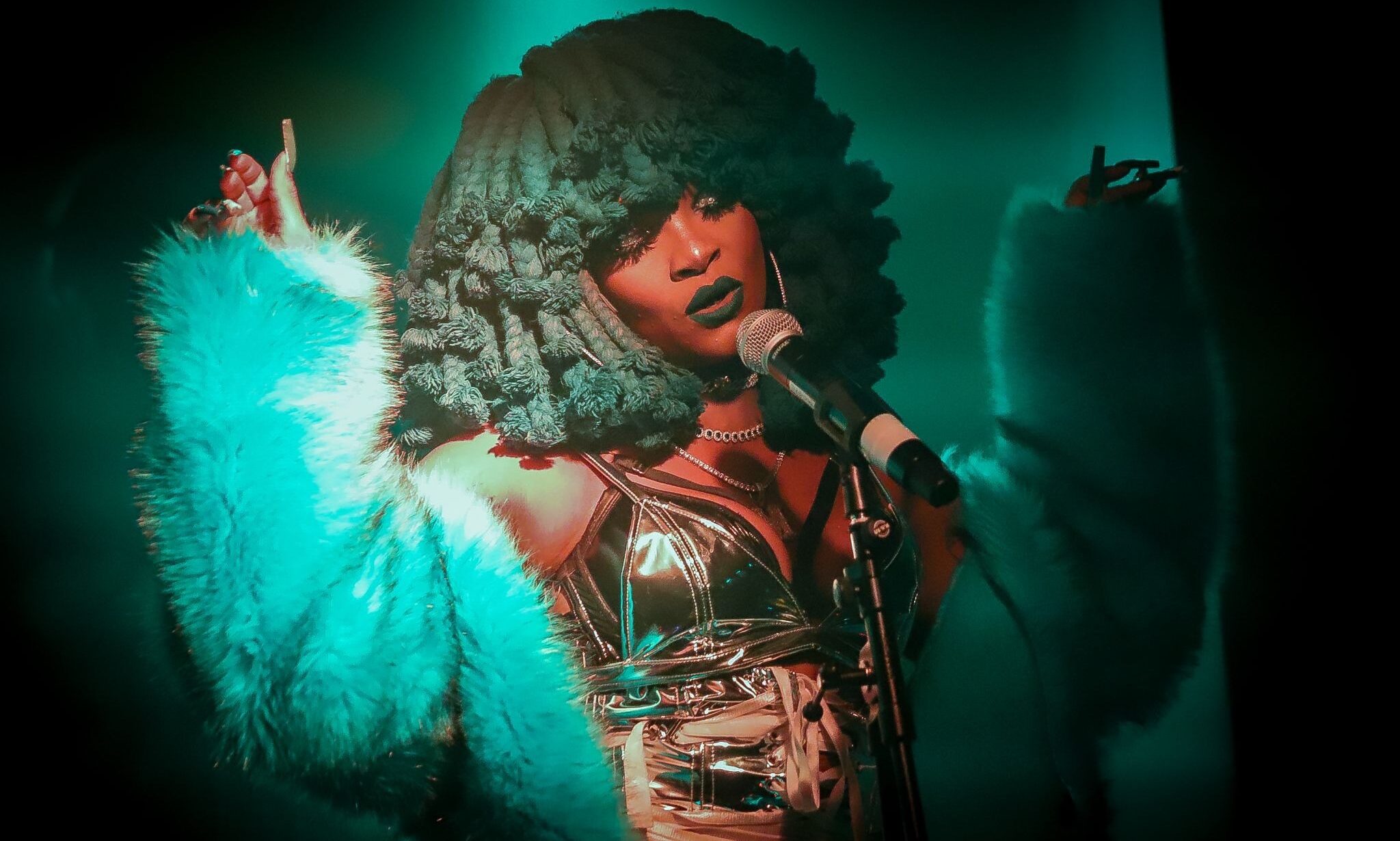
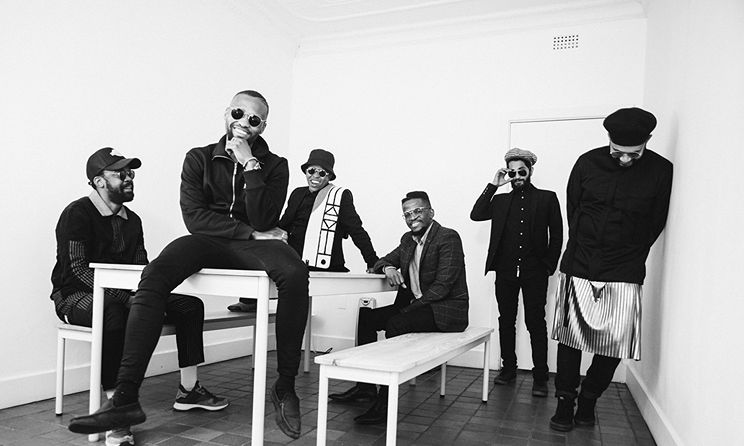
So far Thursday Night Live has featured over 80 different artists, some duo, some trio, some full 8-piece bands. The genres featured range from acoustic jazz, fusion, Afro and roots music (a fusion of some traditional elements with modern instrumentation). A variety of bands have graced Thursday Night Live, a mix of upcoming musicians and veterans, including Them Mushrooms, Suzanna Owiyo, Eric Wainaina, Sauti Sol, Just a Band, Octave Band, Lydia Dola and Walter Koga, to name but a few.


Most popular

Top amapiano songs of 2026
16 Feb 2026

Call for applications: ACCES 2026 Emerging Artist Spotlight Competition
01 Oct 2026

Top Naija songs of 2026
31 Mar 2026
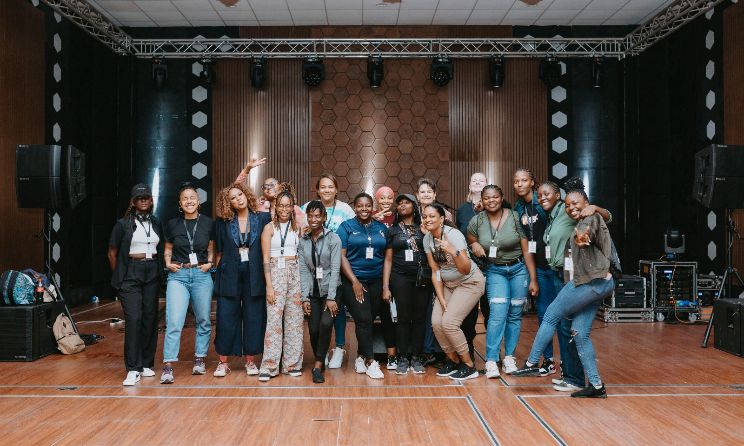
Open call: 2026 Gender@Work music industry training in Johannesburg
03 Oct 2026

Top Afrobeats songs of 2026
19 Mar 2026
AFRIMA 2026: All the winners
12 Jan 2026
Disclaimer: Music In Africa provides a platform for musicians and contributors to embed music and videos solely for promotional purposes. If any track or video embedded on this platform violates any copyrights please inform us immediately and we will take it down. Please read our Terms of Use for more.

Subscribe to our monthly Newsletter
Follow us on social media


Please log in to post a comment.