















































The African music industry lost a legend when Manu Dibango passed away from the coronavirus on Tuesday.
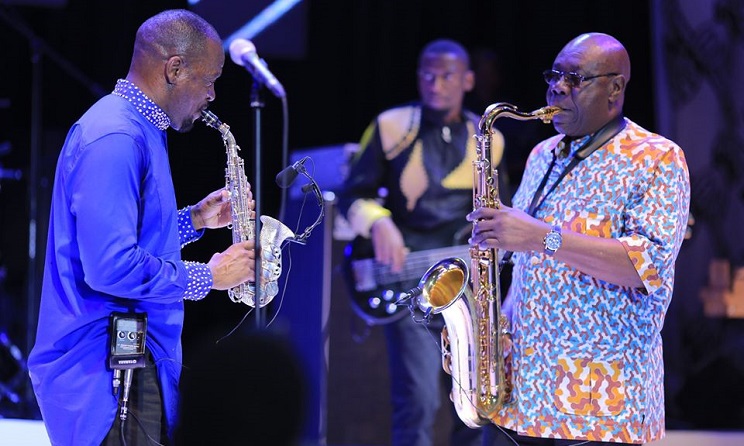
After hearing the tragic news, many African artists and music professionals shared on social media condolence messages, photos and footage of Dibango's live performances throughout the years, while Music In Africa received a number of messages from people involved in the African music industry in tribute of the great musician.
Below is what they had to say:
Isaiah Katumwa (jazz musician, Uganda)
"The late legendary Bra Hugh [Hugh Masekela] introduced me to many great African legends, which included the great Dibango a few months before he passed. I have grown up musically with admiration of not so many musicians, but among those few Dibango was one of them. In 2018, I had the honour of inviting him for my 2018 annual show, Jazz with Isaiah Katumwa, where together we gave a tribute to Masekela, the friend we shared and who also brought us together. I treasured the opportunity to watch him closely and learn from his wealth of knowledge, experience, and consistency. I particularly remember a one-on-one we had with him after the show. He was a happy man, humble, a true legend, an inspiration, and a role model. Africa has recently lost the people who could remind us where we are coming from to help us know better where we are going."
Erick Soul (Afrogroov founder, Rwanda)
"I was hanging out with his good friend and long-time collaborator, Cheick Tidiane Seck, a musician-producer, and we were talking about a collaboration with Rwandan music and Manu Dibango was supposed to be part of it. Even after hearing of his hospitalisation, I was entertaining the idea of having him doing his first show in Rwanda, to celebrate his iconic status and his contribution to music. It is of the utmost importance to celebrate an icon while they are alive. We have a youth-obsessed culture but these few guys we have left are the foundation. That connection is important. Dibango managed to remain relevant through trends, fashion – decade after decade for 60 years! So influential to many, so impactful. He was nothing short of a true magician, endowed with spirits and power to accomplish all that he did, and so effortlessly."
Christine Kamau (jazz musician, Kenya)
"It is not possible to adequately describe the contribution that a musician of Manu Dibango's stature made to African music. I admired him a lot. I remember being blown away by his music when I first encountered it: the catchy horn lines, not to mention his unmistakable soothing deep bass voice. Songs like 'Africa' and 'Soul Makossa' were the soundtracks of a young liberated Africa in the 1970s. The fusion of funk and soul music without losing the African touch and identity was distinctive and unique to his music. He was one of the few African music legends left. Losing him leaves a gap that can never be filled. May he rest in peace."
Alif Naaba (musician and producer, Burkina Faso)
"The first time I met Manu Dibango was in July 2007. I was on tour in France and I was supposed to do a show with him on Radio Africa N°1. That day I met a father, a scout and a great artist. He told me he liked the song 'Boin Gninga' from my album Foo. This meant a lot coming from a giant in music like him. Since then I kept an image of him as a man immensely rich in soul and spirit. Papa Manu Dibango was a compass for Africa. This is a great loss for world music."
Liban Noah (Dur-Dur Band International manager, Somalia)
"Growing up, I vaguely remember a picture of my mum listening and dancing to Manu Dibango's 'Soul Makossa'. As a band, we shared a platform at Oslo Mela 2019 in Norway where he was also performing. I have some pictures I took with him and Maryan Mursal, Somalia's greatest singer and performer, as well as singers Abdillahi Ujerry and Saleh Hariri. They were all excited to meet him, they couldn’t believe it. He was one of the best musicians the continent has ever produced and his influence spread across the continent. May he rest in peace."
Doudou Sarr (Youssou N'Dour manager and founder of the Dakar Music Expo, Senegal)
"It was a sad day for Africa and the music family. A huge loss. God bless his soul. He will always be remembered as an excellent musician and one of the pioneers of African music crossing over to new audiences around the world with his classic Soul Makossa style."
Mory Touré (cultural journalist, Mali)
"Manu Dibango opened the door of African music to the world stage. He's been a compass for African artists and a beacon for us, cultural journalists, to magnify African music. Alongside his excellent mastery of music, he had unparalleled generosity. That is why he rubbed shoulders with all the big names in world music. There are people who write history and people who make history. Dibango did both."
Lydol (slam poet, Cameroon)
"There are no perfect words that could describe the vastness of your talent. In the hour on the day before you fade, a brighter light comes out. You go from life to eternity because legends don't die. You have inspired generations and tomorrow our sons will learn from you. I didn't have the chance to see him up close, but his melodies have accompanied me in many situations. Those who had the chance to talk to him have told me that behind the icon was a man of great humanity. The stage and our hearts will miss him. Rest in power, Papy Groove."
Tabu Osusa (music producer and author, Kenya)
"I was fortunate to meet Manu Dibango and the conversation we had was on the evolution of Congolese music. He had a deep knowledge of the continent's diverse musical traditions, having played with African Jazz, which was Congolese rumba maestro Joseph Kabasele's band in the early 1960s. Dibango was not only a legend but one of Africa's musical geniuses, in the league of Miriam Makeba, Fela Kuti and Hugh Masekela. History will remember him for being among the first few African musicians who made it both locally and internationally. His blend of jazz though deeply rooted African rhythms, Cameroonian makossa to be precise, was still very much appreciated by fans and connoisseurs of traditional Western jazz. His legacy should go on. Someone needs to take up his mantle."
Fiston Lusambo (composer and guitarist, DRC/UK)
"I did not play with Manu Dibango but my father, Yaka Antoine Depuissant, played in the same band with him in African Jazz. Growing up and interacting with his music, I came to appreciate his skills in song composition and arrangement. He was brilliant and a proud son of Africa."
Juma Tutu (jazz musician, Kenya)
"It's indeed very sad losing a great African icon and great saxophonist. His achievements over the years kept me believing that it's doable and I'm sure it motivated most African saxophonists. It was great sharing moments with him both on and offstage during his maiden performance in Kenya at the Safaricom International Jazz Festival in 2018. His coming to Kenya excited me. I got the opportunity to play a set with him alongside my mentor, Mzee Ngala, who travelled from Mombasa to Nairobi just to have a few minutes on stage with Dibango. That moment remains one of the highlights of my career as a jazz musician."
Etuk Ubong (jazz musician, Nigeria)
"I would say Manu Dibango was the African John Coltrane and Charlie Parker put together. He was one of Africa's great because of his brilliant and unique ways of fussing jazz with traditional makossa dance music. His style and approach towards improvisation were breathtaking. That affected me and funny enough it reflects in my music as well. That way his legacy will continue to live in me, and I'm sure many others."
Hassan Mahenge (saxophonist and educator, Tanzania)
"Manu Dibango was a mentor and role model to many Tanzanian Afro-fusion artists. Most of us learned his music through tapes, CDs and YouTube. I used to teach music to young Afro-fusion artists in 2003 and I made them listen to Dibango's musical arrangements. Frank Massamba, who is arguably among the best saxophone players in East Africa, called me after Dibango's death and said: 'The great Manu Dibango is gone. He was my teacher and role model on the saxophone. I learned how to play the saxophone from him and Ben Webster.' May he rest in peace."
George Charonitis (music editor, Greece)
"Manu Dibango's 'Soul Makossa' was a big hit in Greece between 1972 and 1973. It introduced us to a new trend called Afro-soul and afro-jazz. In the late 1980s to the early 1990s, Dibango became one of the most successful African musicians. He gave a lot of performances in Greek cities, nine of them in the last decade. We had the chance to meet a wonderful musician and a very humble person. His legacy is evident in music such as jazz, soul, reggae, Latin and so on. The rest is history, recorded music, and memories. May he rest in peace."
Isack Abeneko (musician, Tanzania)
"Manu Dibango's music has been so diverse and evident in many genres and cultures. He placed Africa on the world map in terms of music. The COVID-19 outbreak has affected our economic, social, creative and cultural sectors. So for many artists losing Dibango was like adding salt to an open wound. I urge the public to follow the advice on how to combat this virus and we shall overcome. We cannot afford to lose more people. May his soul rest in peace."


Most popular

Top Naija songs of 2026
31 Mar 2026

Top Afrobeats songs of 2026
19 Mar 2026
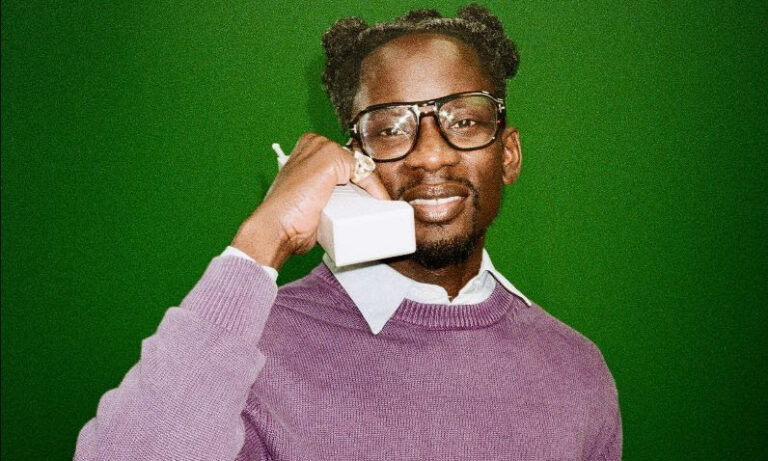
Ghana: Mr Eazi and MOLIY’s ‘Comfort’ earns Urban Music Awards nomination
21 Oct 2026

Top amapiano songs of 2026
16 Feb 2026
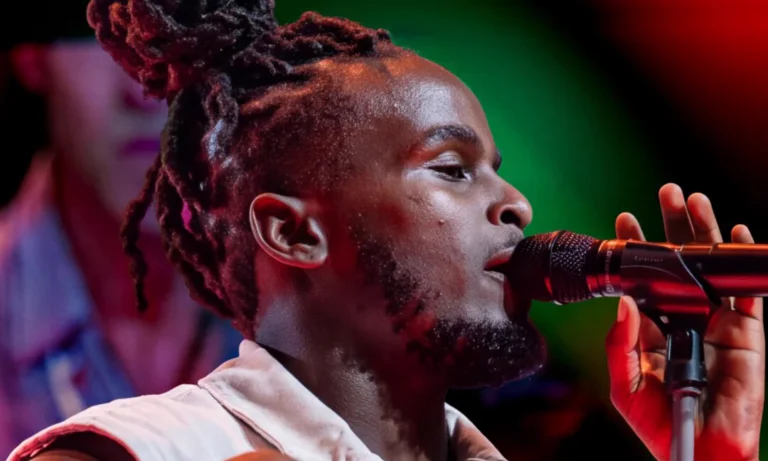
Open call: CANEX Music Business Lab and Songwriting Camp
15 Oct 2026
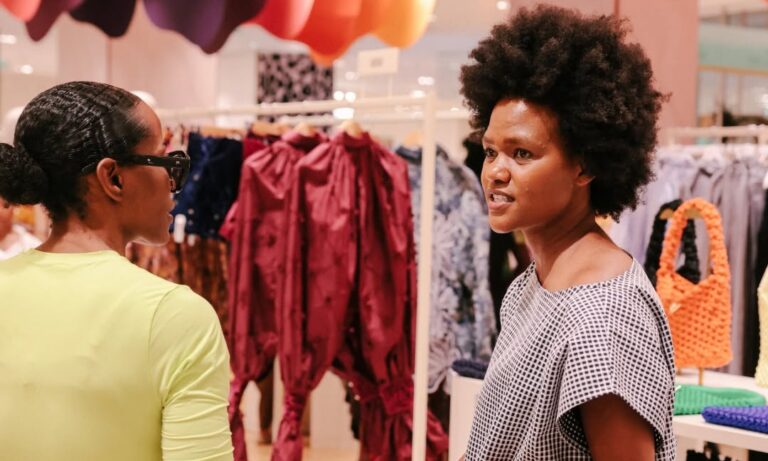
Nigeria: CANEX WKND unveils 2026 programme
21 Oct 2026
Disclaimer: Music In Africa provides a platform for musicians and contributors to embed music and videos solely for promotional purposes. If any track or video embedded on this platform violates any copyrights please inform us immediately and we will take it down. Please read our Terms of Use for more.

Subscribe to our monthly Newsletter
Follow us on social media


Please log in to post a comment.