


































NEFCISA
NEFCISA

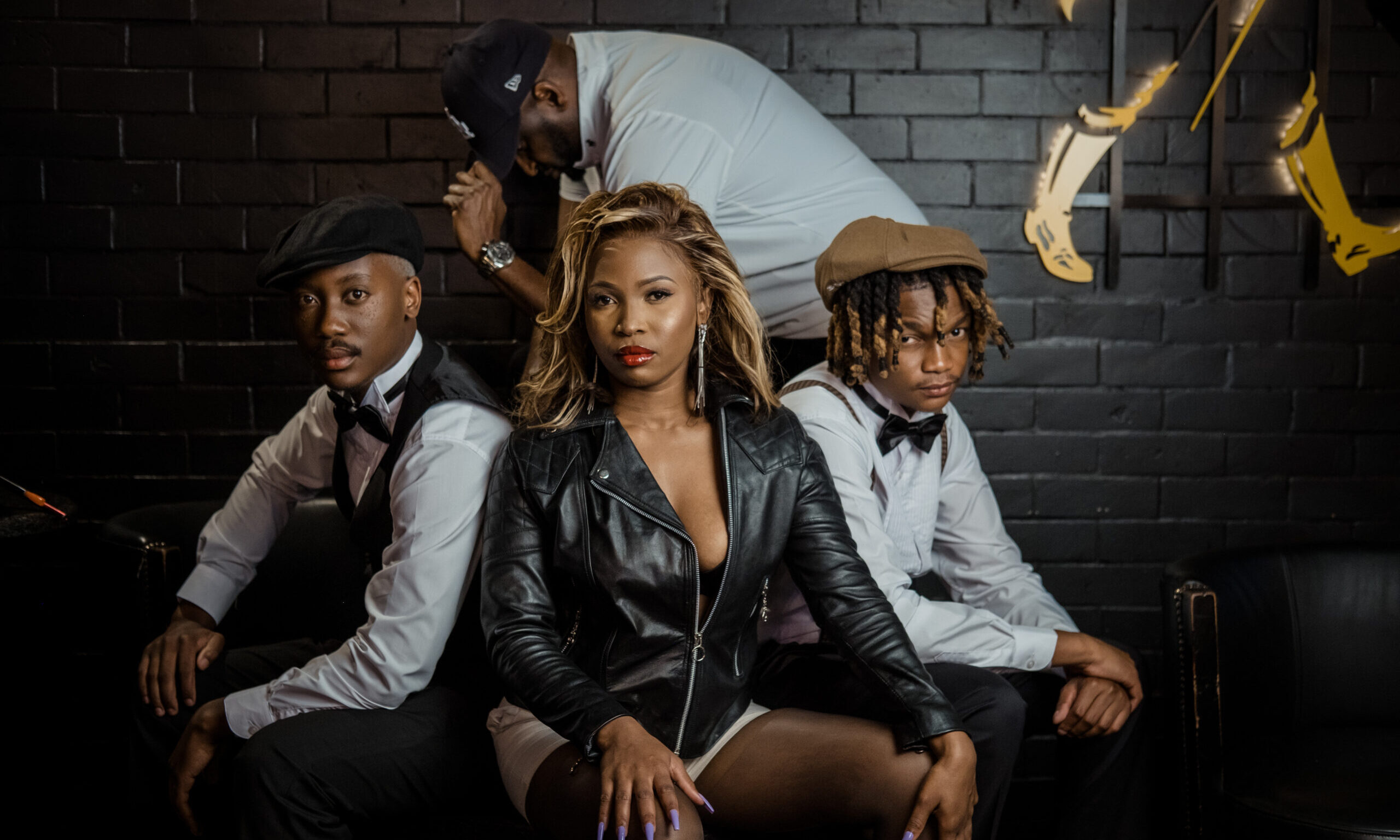
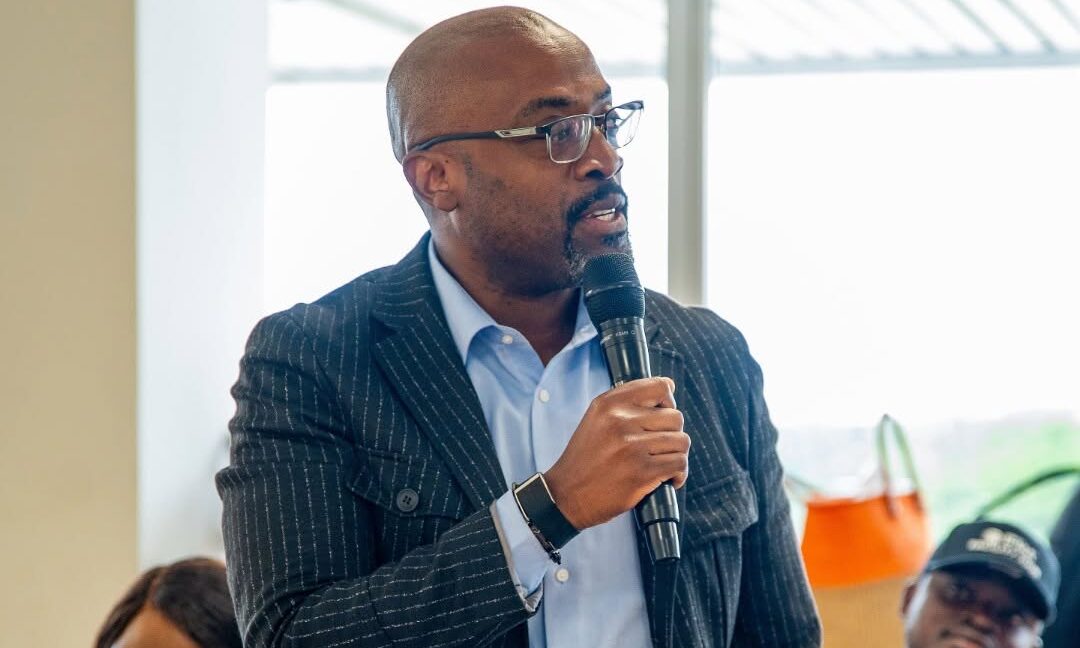
The Music In Africa Foundation (MIAF) is proud of its partnership with the Industrial Development Corporation (IDC) as a Strategic Implementing Partner (SIP) for its Social Employment Fund (SEF). Through this collaboration, MIAF is running a national programme that is creating jobs, addressing skills gaps, and strengthening South Africa's creative industries — in line with the SEF's overarching goal to generate work for the common good and build community value through employment, social contribution, and inclusive economic participation. Operating under the banner NEFCISA (National Employment Facility for Creative Industries in South Africa), the initiative is recruiting and training participants, matching them with host organisations, and has already placed 1 500 workers across the country — surpassing its original target of 1 000. NEFCISA is delivered through a network of 20 host organisations spanning five provinces, who are actively hosting participants and contributing to work for the common good across South Africa's creative and cultural industries. Key Objectives: Support employment and entrepreneurship in the creative industries. Offer skills development and training programmes. Foster partnerships between public and private creative sectors. Promote South African creativity at both provincial and national levels Foster community development through social contribution.

ACCES
ACCES

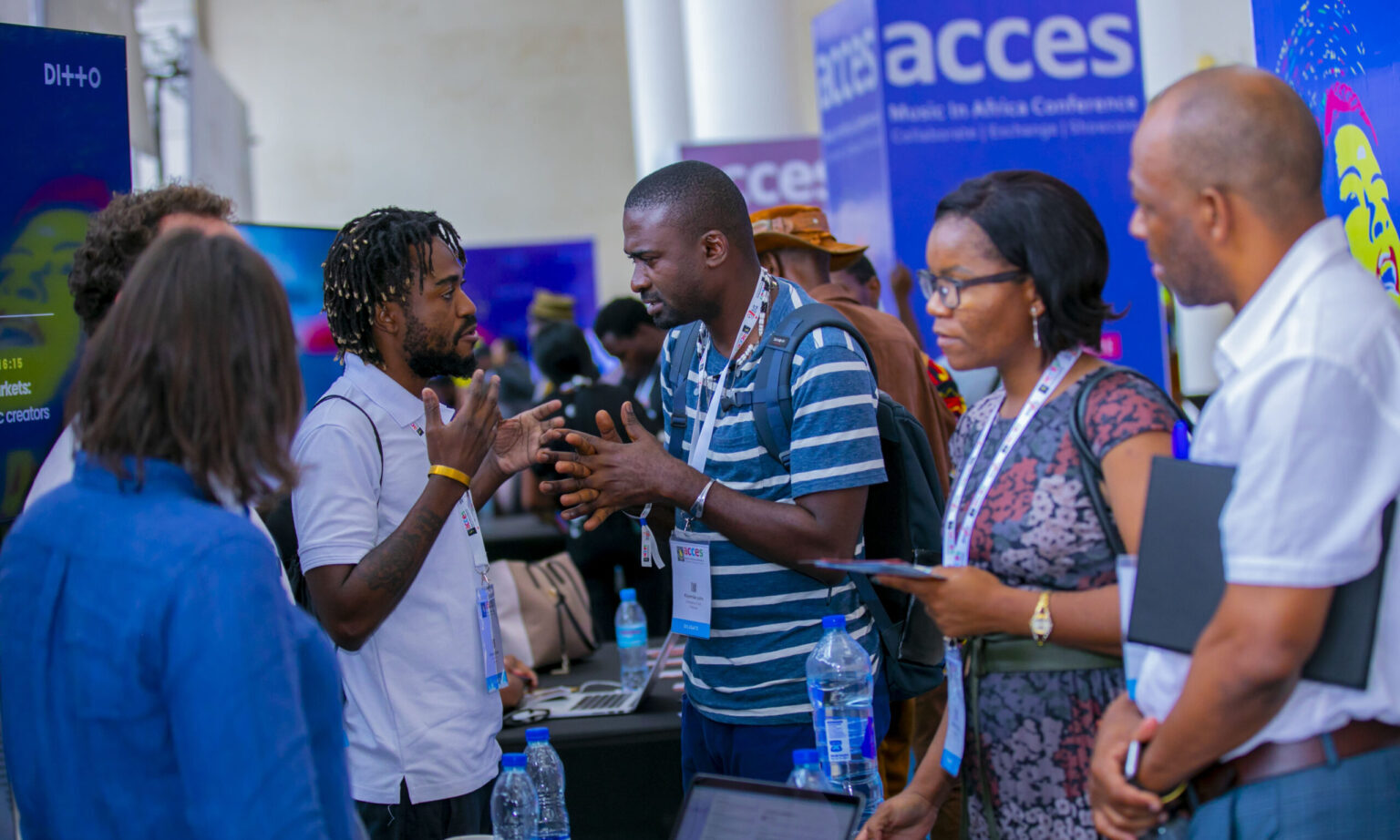
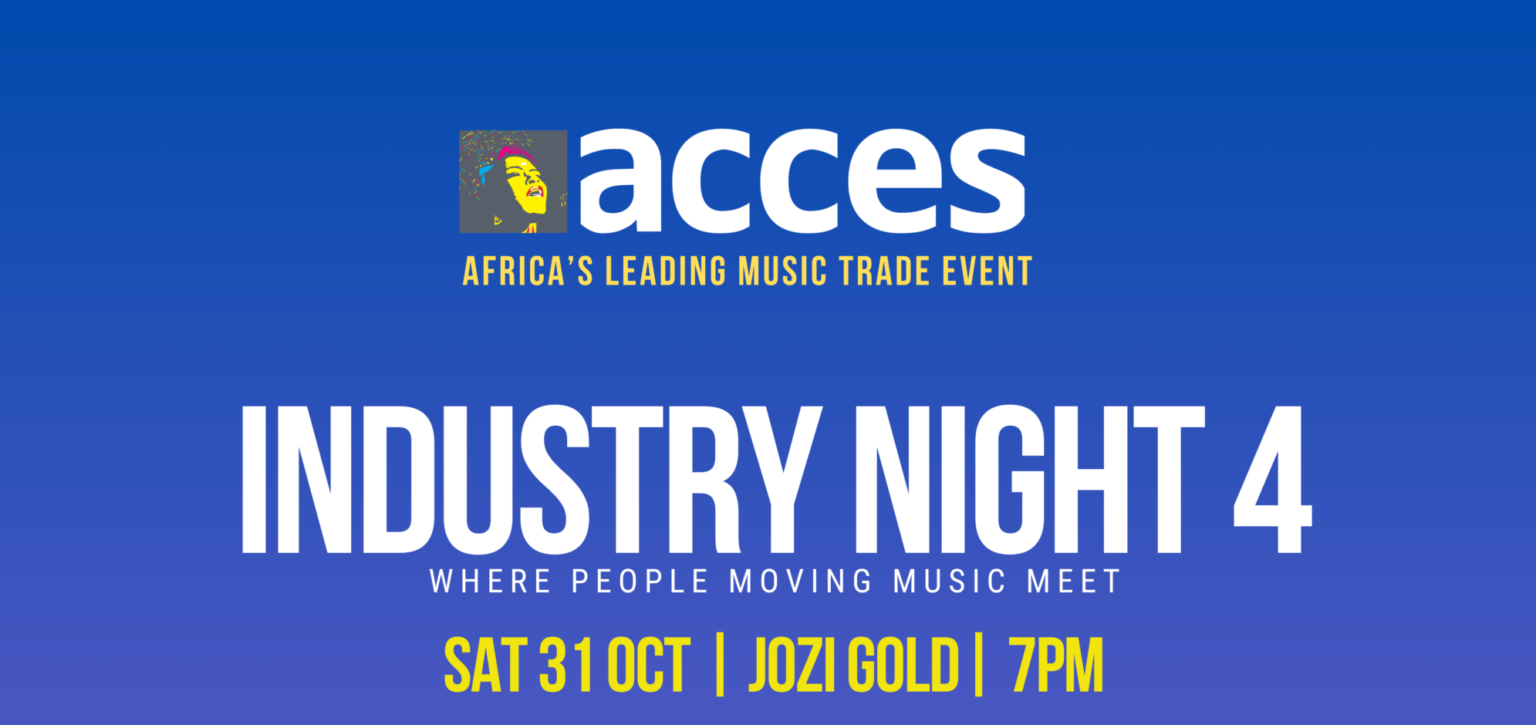
ACCES Conference and Showcase Festival is Africa's leading music industry gathering, bringing together the people shaping the future of the continent's music business. Artists, entrepreneurs, executives, investors, policymakers and cultural leaders from across Africa and around the world come to ACCES to build partnerships, exchange ideas, discover talent and create new business opportunities. Since its launch in 2017, ACCES has become the continent's premier platform for professional exchange and music market development. Combining a high-level conference with a curated showcase festival, networking, exhibitions and industry programmes, ACCES offers a unique space where creativity meets business and where African music connects with the global industry.

Gender@Work
Gender@Work

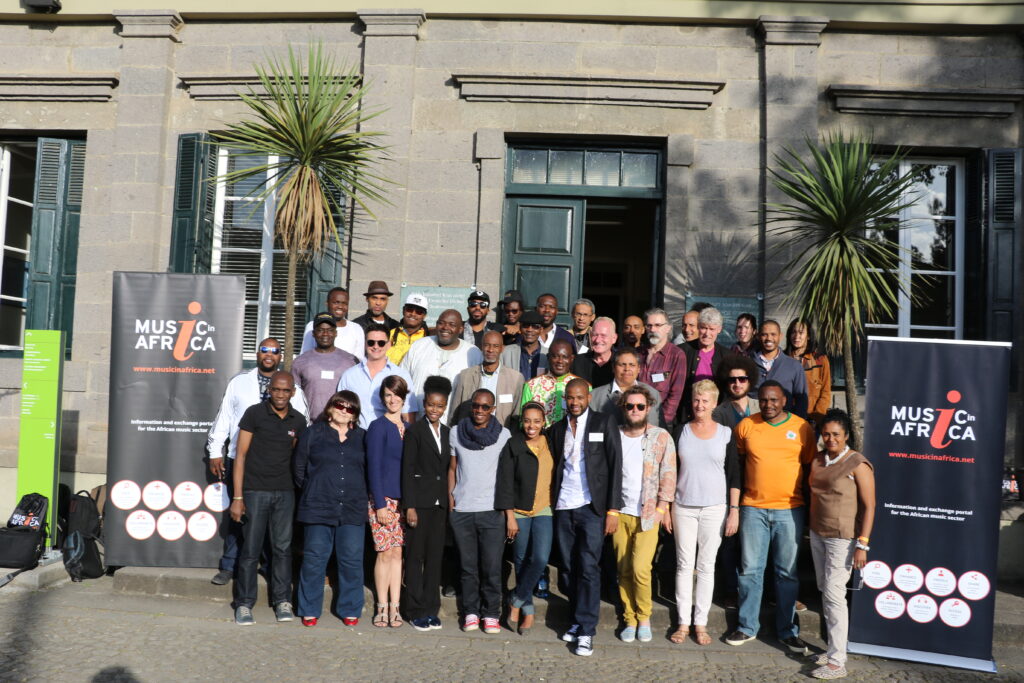
Music In Africa Gender @ Work is a three-year training programme aimed at upskilling and increasing the participation of female professionals in the African music sector. Launched by the Music In Africa Foundation (MIAF) in April 2019, the programme is connected to the MIAF’s ACCES music conference – a pan-African event held in a different African country every year. This connection enables the programme to reach new participants in a different African country every year. The programme marks the beginning of a more concerted effort by the Foundation to support the participation and inclusion of women in all facets of its programmes and the music sector in Africa as a whole. Over the three years, the programme will aim to address gender imbalances in the sector through training, lobbying, facilitating knowledge exchange and dialogues that foster the interest of women. The broader objectives of the programme are to: Provide industry training for women on critical music industry skills, focusing on: Stage management Electronic music production and recording Music business management Technical knowledge Provide an opportunity for both professional and aspiring women to benefit from the Music In Africa network and its broad range of activities in 2019, 2020 and 2021. Provide a solution-based platform in the form of a round table at ACCES with a view to identify challenges, discuss opportunities and lobby for the interests of female practitioners. Offer participants the opportunity to benefit from programmes offered by MIAF’s partners. Increase access to educational materials. Integrate participants in the broader ACCES programme to maximise experience and exposure to the industry. Record and present training materials on the www.musicinafrica.net, including but not limited to tutorials, templates and other best-practice materials. Communicate women-based themes that support the initiatives and messages of the programme. MAIN TRAINING ACTIVITIES Training in first country (Ghana): In the first year, participants will be trained on all aspects of stage management by a team of experienced stage managers from 10 to 17 November 2019. The programme will offer robust classroom training as well as practical, hands-on training in which participants will also be given the opportunity to manage various aspects of the ACCES performance programme. Training in second country: The second training iteration will take place at ACCES 2020 when the programme will diversify its course to include music production lessons and training on other music business topics. A round-table platform will also be introduced to coincide with the ACCES programme. Training in third country: The third training iteration will take place at ACCES 2021 in a different country, offering an advanced course. HOW DO YOU GET INVOLVED?  As a participant, facilitator or trainer: The programme enrolls up to 12 trainees every year. All opportunities are advertised publicly on this website, and will be added to this page. Please keep checking this page for new calls (below under UPDATES & CURRENT OPPORTUNITIES). As a partner Please contact Claire Metais at [email protected]. APPLY The call for applications for 2020 will be announced soon. The Music In Africa Gender @ Work programme is made possible with the support of the Prince Claus Fund, Siemens Stiftung and Goethe-Institut.

Sound Connects Fund
Sound Connects Fund

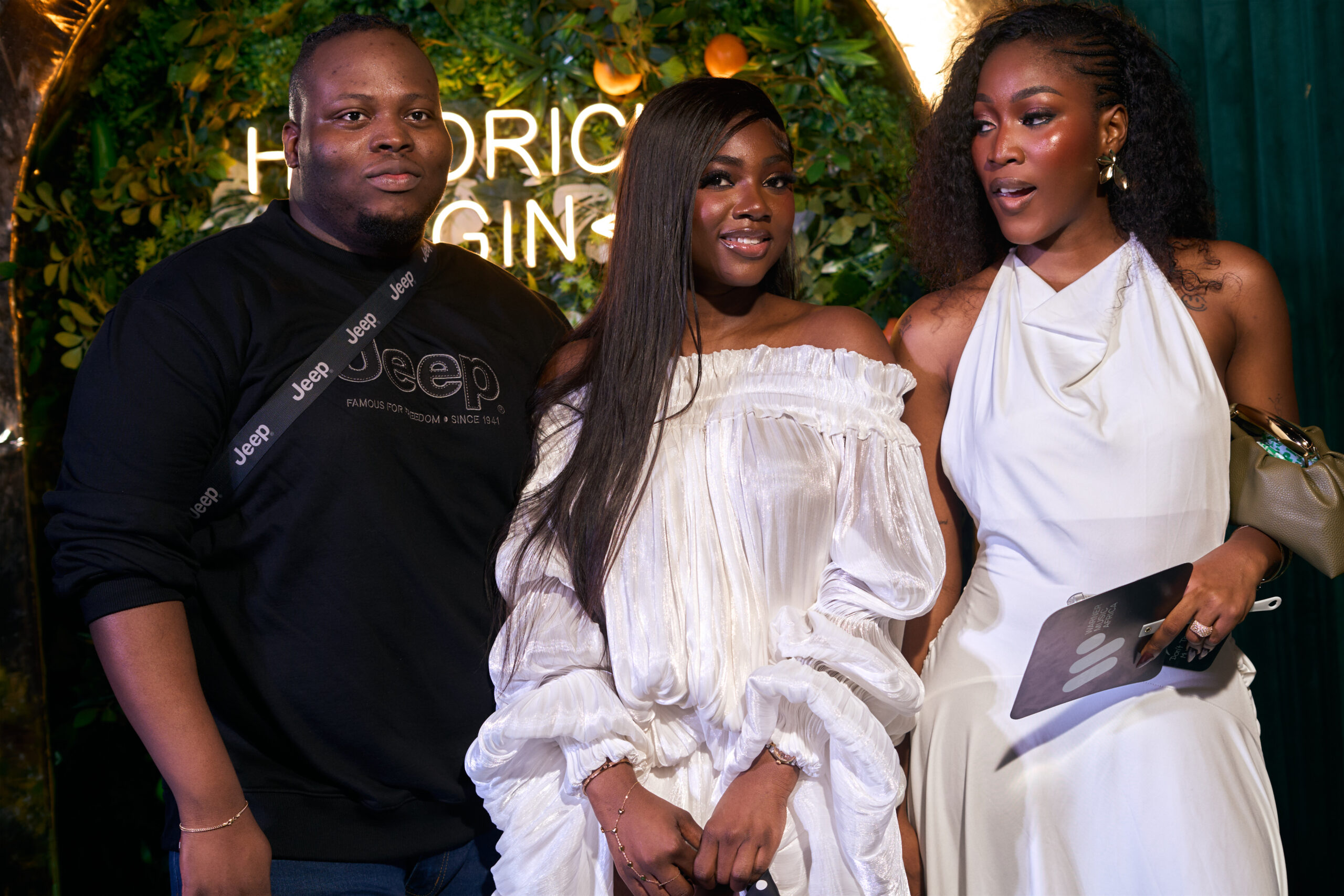
For cultural and creative practitioners and organisations operating in southern Africa, access to funding remains a major challenge. The COVID-19 pandemic has also had a massive impact on government policy, spending and the economy in general, and has seen spending on culture being moved further down the list of priorities. Further, the cultural and creative industries repeatedly cite four main areas where investment is needed for growth, which are increased visibility, mobility including access to new markets, finance and support structures.

Instrument Building And Repair Project

Experience the Vibrations African Instruments Exhibition online in 3D

News

African stars impress at UN headquarters

01 Jul 2015 - 15:37

cc-img flag-img

African musicians recently took centre stage at the United Nations headquarters in New York, USA this week to raise awareness of climate change. Ugandan lawyer Sam Kahamba Kutesa, the President of the 69th session of the UN General Assembly, hosted the concert, dubbed ‘The Transformative Power of Music’ at the General Assembly Hall on Tuesday 30 June from 7pm.
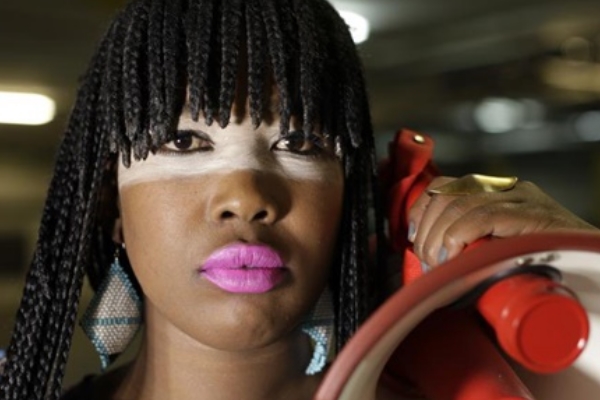
Nomsa Mazwai.

Hosted by President Kutesa in support to the United Nations ‘2015: Time for Global Action’ campaign, the concert aimed to celebrate the musical diversity of the family of nations and to raise awareness about the devastating effects of climate change on both the livelihoods of communities around the world and the planet’s fragile ecosystems. The campaign is designed to bring countries and citizens of the world together to determine the global course of action to address climate change and protect the environment, among others.

More than 140 performers representing five continents and a wide range of musical repertoires were invited to perform. All share the conviction that music has the transformative power to mobilize and bring people together. The MCs on the night were esteemed broadcasters Ann Tripp and George Collinet, who both have decades of experience in the music industry.

African performers at the event included: Ada (Brazil/Nigeria), Ahmad Gamal (Egypt), Ayo (Germany/Nigeria), Children of the MacDella Cooper Foundation (Liberia), D’Nyangi (Tanzania), Geoffrey Oryema (Uganda), Kaïssa (Cameroon), Kika Troupe (Uganda), M’Bilia Bel (DR Congo), Nomsa Mazwai (South Africa), Pierre Akendengué (Gabon) and Watoto Children’s Choir (Uganda).

Artists from elsewhere in the world included Angelo Mazzone (Italy/USA), Csaba Szegedi (Hungary), Ildikó Szakács (Hungary), Jihae (South Korea), Robert Davi (USA), Seiko Lee (Japan), Show Tahiti Nui (French Polynesia), Hervé (Haiti), Kolo Barst (Martinique), Midnight Groovers (Dominica), Marie-Claire (Dominica). Israeli singer Yasmin Levy and Arab-Israeli singer Miriam Toukan performed as a duo. Jamaican reggae and hip-hop artist Ky-Mani Marley performed the single ‘We Are’ from his new album, United, with American reggae rapper Matisyahu and German reggae musician Gentleman. This album was issued on that same day.

"Let us not forget that from the dawn of humanity to the present day music has been a common element present in all cultures," said Kutesa.

The 40 musicians of the New York Symphony Orchestra were conducted by David Eaton, its globally acclaimed Musical Director. The House Band, under the leadership of Music Director Robin DiMaggio, comprised legendary South African bass player Bakithi Kumalo; New York City-based multi-instrumentalist Mark Stewart; French composer Mino Cinélu; and South African multi-instrumentalist Tony Cedras. The House Band was completed by a horn section composed of trumpeter Etienne Charles (Trinidad and Tobago); saxophonist Brian Hogans; trumpeter Jumaane Smith; and trombone Dion Tucker, all from the USA.

South African artist Nomsa Mazwai was invited to represent South Africa at the concert. Mazwai, sister of Thandiswa Mazwai, is known for her innovative sound that draws on neo-soul and Afro-pop influences. She won a SAMA in 2011 for Best Alternative African for her album Nomisupasta (‘nomi–superstar’). Outside of music, Mazwai is also a poet and social activist who strives towards building Southern Africa through arts, education and economic development. She has a masters degree in International Political Economics and Development at Fordam University in New York. Earlier this year, Mazwai performed alongside fellow SAMA winner Nakhane Touré at Constitution Hill in Johannesburg to raise awarenessfor the UN’s ‘My World’ campaign (more details here)

“The levels of excitement in my life are through the roof. There are no words to describe this. Every time I get an email from the UN team, my heart jumps a little,” Mazwai told South African newspaper City Press. “My music speaks to socioeconomic issues. I’m not afraid to talk about political issues. I tackle the reality of living in South Africa, and I think that’s in line with the UN’s values,” she said, before adding: “I think this shows that you don’t have to be the most famous person in South Africa to have a voice that resonates with people."

Please log in to post a comment.

Most popular

Disclaimer: Music In Africa provides a platform for musicians and contributors to embed music and videos solely for promotional purposes. If any track or video embedded on this platform violates any copyrights please inform us immediately and we will take it down. Please read our Terms of Use for more.

newsletter banner

Subscribe to our monthly Newsletter

Follow us on social media