
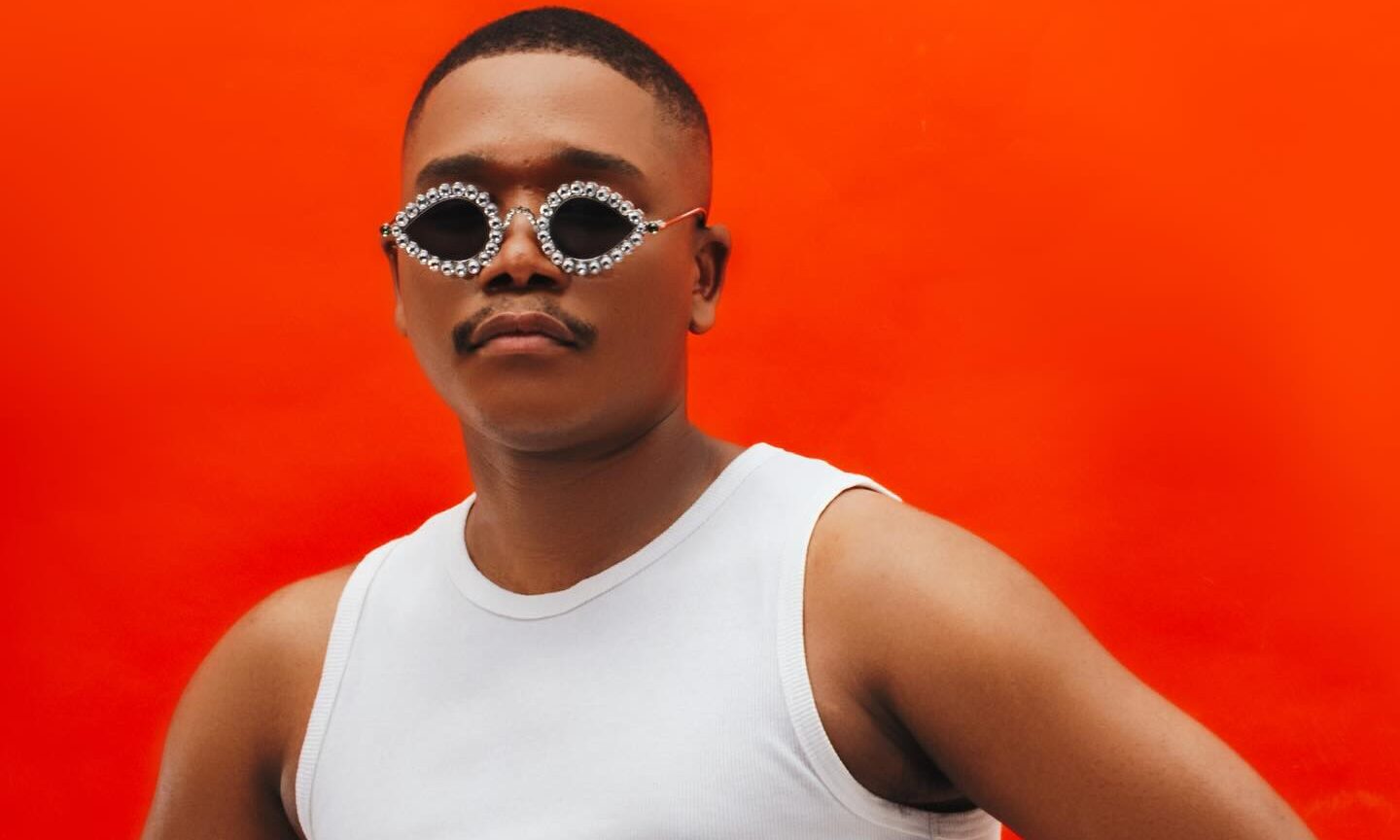











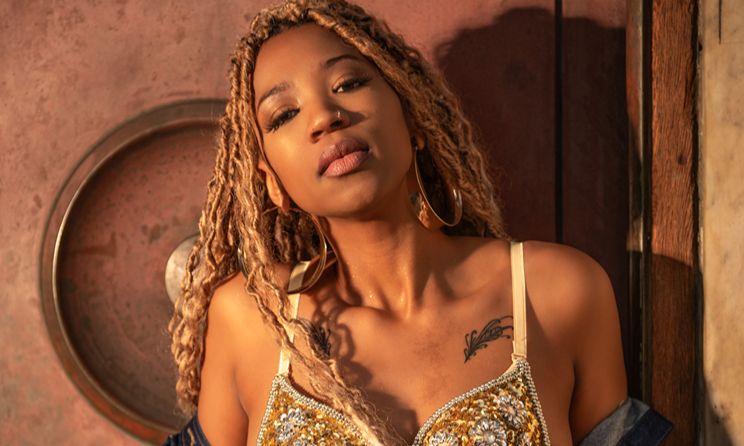

































During a relatively short time in the spotlight, South African singer Amanda Black has had her fair share of challenges, which almost brought her blossoming career to a halt following legal battles with her former record label Ambitiouz Entertainment.
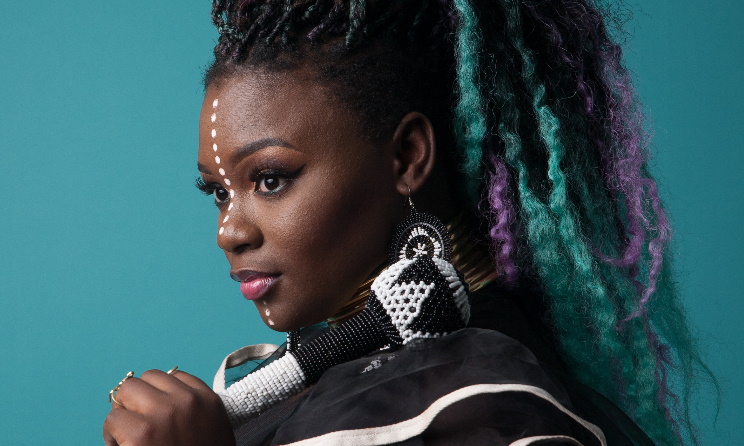
The musician went on a ‘sabbatical’ for almost two years, which saw the former Idols SA contestant battling financial constraints and emotional breakdowns. This period of her life nearly destroyed the livelihood of an artist who shot to fame shortly after the release of ‘Amazulu’, the biggest single off the album of the same name. The album was certified platinum and garnered Amanda Black four South African Music Awards.
The singer releases her second studio offering Power on 25 October, after giving her fans a sneak preview of the 18-track album with the singles 'Afrika', ‘Thandwa Ndim’, ‘Ndizele Wena’, ‘Egoli’ and ‘Hamba’. The highly anticipated album is expected to be one of the biggest releases in South Africa this year and features guest appearances from Anthony Hamilton (US), Adekunle Gold (Nigeria), the Soweto Gospel Choir (South Africa), Ami Faku (South Africa) and Kush Mahleka (South Africa).
Music In Africa spoke with Amanda Black about her new album, the challenges she's faced during the break-up with her former label, and how she's been able to regain her power.
MUSIC IN AFRICA: What inspired the title of your new album?
AMANDA BLACK: The title of the album was inspired by a song that I made called 'Power’, which features on the album. I wasn’t in a very good space and I didn’t want to be in the studio, but ended up in the studio that night. I have a home studio by the way. When I was laying on the couch, my producer was playing a beat and then I started singing 'power’ [sings].
There was a point in the past two years where I felt powerless and hopeless and not being able to do anything about my situation. So this song is me taking back my power. The song is about my past experiences in the industry and everything I've been through, and how I'm in the process of overcoming the challenges that I went through.
Can you share some of the experiences you went through in the past two years?
Some of them are already in the press. These include my challenges with my previous label, expectations, and financial constraints due to a breakdown in relationships with my management and the record label. It felt like it was over for me.
Some personal challenges that I went through were doubting that I wanted to do music because of the situation I was in. They were moments when I felt like I didn’t want to go onstage and I felt like this wasn’t the way I had imagined things would be. You know, coming from the outside and having dreamt of this career for so long and then having basically all of it taken away from me was really hard. But music chose me and I like to think that I chose it. Music chose me since I was very young. Every challenge I have gone through has led to me doing music. Every single time where you think life is going this way, music has always won.
Take our readers through the making of Power.
It was crazy! There was a stage where we were making the songs and not the album and I think after ‘Thandwa Ndim’ that’s when I said, 'Well, we are actually going drop an album.' Making another album was something I always had in mind but there were still some legal issues I was going through with the previous label so we were still sorting out those things.
Some of the songs and stories were already in my head and just waiting to come out. They were lots of back and forths; it's very stressful. The mixing and mastering stage has been an incredible journey for me and it was also part of my healing process. I compiled the tracklist myself, even going song by song trying to paint the picture for the listener.
During the making of the album, I wanted to make sure that I tapped into all the parts of me that had been hidden. I had to basically be vulnerable, so I sat down and I told myself, ‘You need to deal with all these things’ and this is how I got all those 18 tracks, which could have been more but I was like, 'If I add more songs, I will end up with a double disc.'
I feel so privileged and happy that I am at this point, where I'm a huge part of the business itself such as decision-making. It might sound like very small things to someone else, but for me those are part of my power, being able to say, ‘This is how I want it, this how I want the photo shoot to be.' Those type of things are part of my victory because there was a time where I thought I couldn’t do it.
You've already released a few singles off the new album. Based on the performance of these singles, how do you think your album will do when it's released?
[Laughs] So there is ‘Thandwa Ndim’, the official single, and ‘Egoli’, ‘Hamba’, ‘Ndizele Wena’ and 'Africa'. ‘Thandwa Ndim’ touched on different emotional levels in a lot of people. For me it did well because the feedback I have been getting from a lot of people has been very positive. People also loved ‘Egoli’ when it came out. In the past two weeks we made available ‘Ndizele Wena’ and ‘Hamba’.
I think people have been excited. Like I said, I have been quiet for two years and for me it was overwhelming because there was a time when I thought no one would care if I released new music or not. So I went through those psychological and emotional difficulties as well.
Do you intend to shot videos for any of the 18 songs on Power?
Yes! ‘Power’ is one and there are a few others, and if I had it my way, I would do videos for all the songs on the album. I am finding the importance of translating the message in a song and having it portrayed in the video so that people can fully understand. Sometimes people have their own interpretations but when they get the video they will understand better.
Who wrote and produced the songs?
I wrote all the songs and the album was produced by Christer. Christer is the main producer but we collaborated with a few other producers and instrumentalists.


Most popular

Top Naija songs of 2026
31 Mar 2026
Ghana: Mr Eazi and MOLIY’s ‘Comfort’ earns Urban Music Awards nomination
21 Oct 2026

Top Afrobeats songs of 2026
19 Mar 2026

Top amapiano songs of 2026
16 Feb 2026
Open call: CANEX Music Business Lab and Songwriting Camp
15 Oct 2026
Nigeria: CANEX WKND unveils 2026 programme
21 Oct 2026
Disclaimer: Music In Africa provides a platform for musicians and contributors to embed music and videos solely for promotional purposes. If any track or video embedded on this platform violates any copyrights please inform us immediately and we will take it down. Please read our Terms of Use for more.

Subscribe to our monthly Newsletter
Follow us on social media


Please log in to post a comment.