
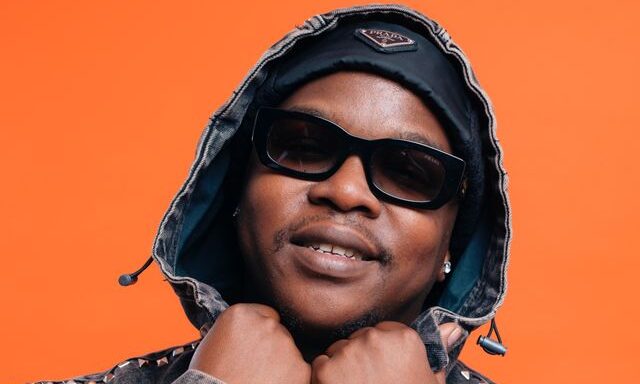

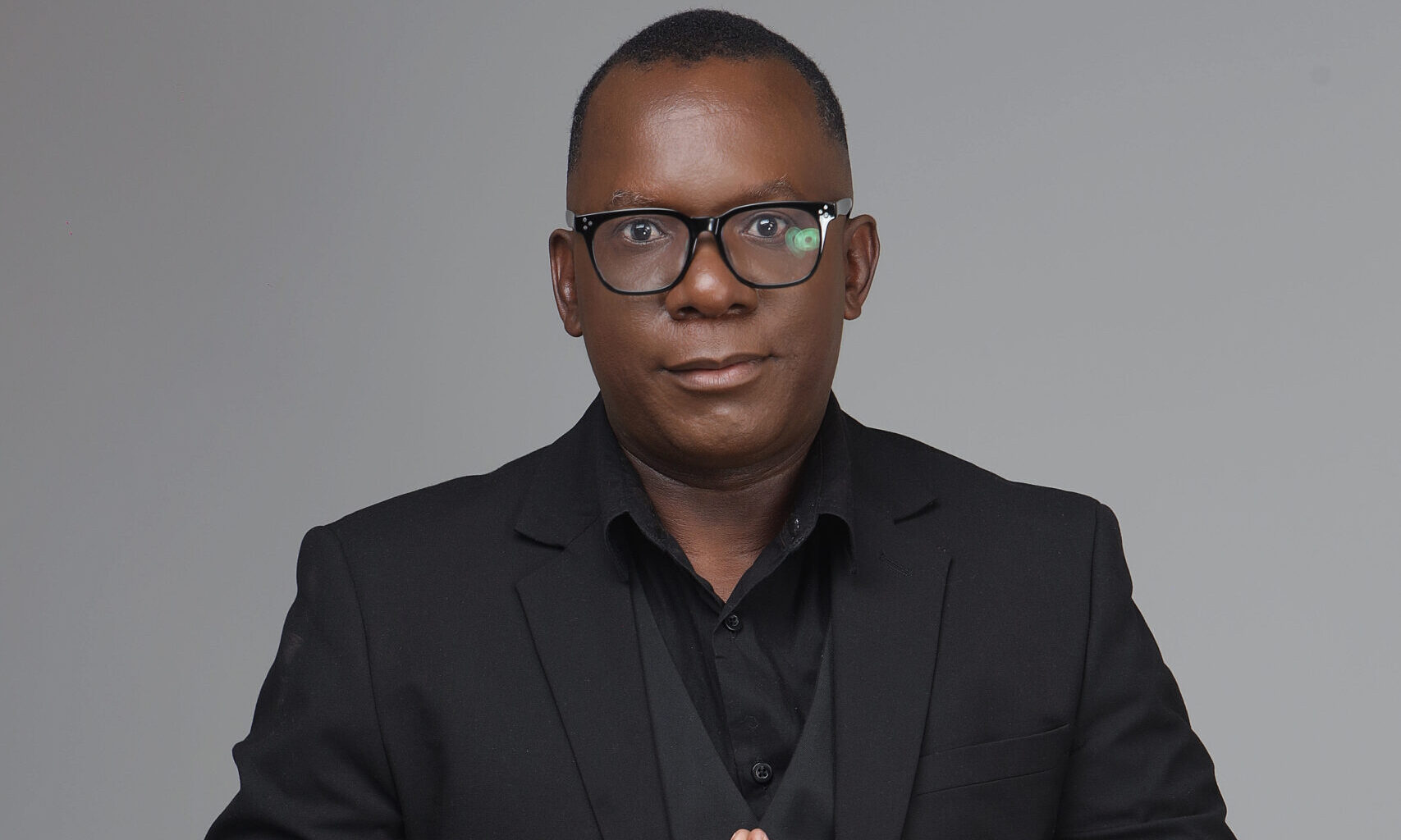

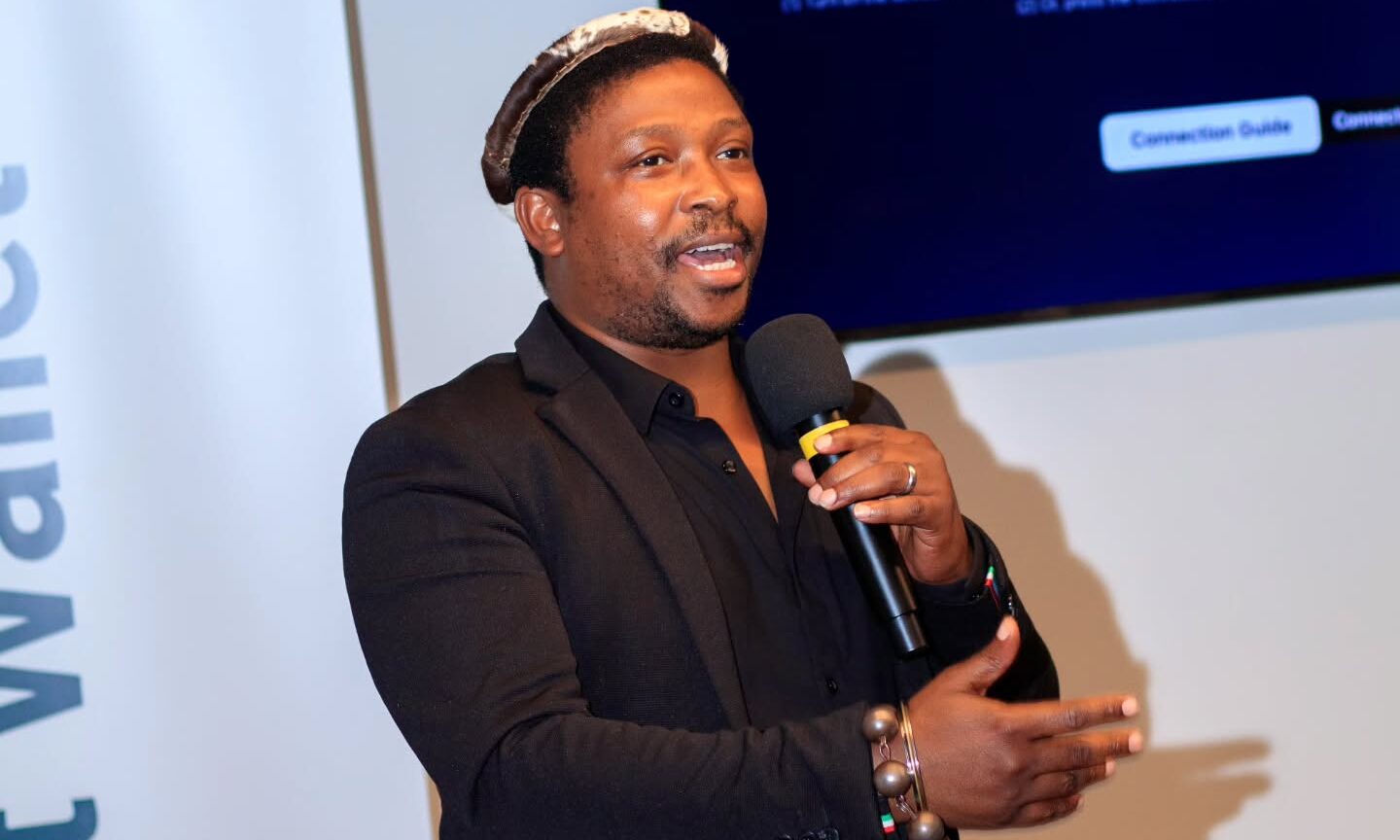

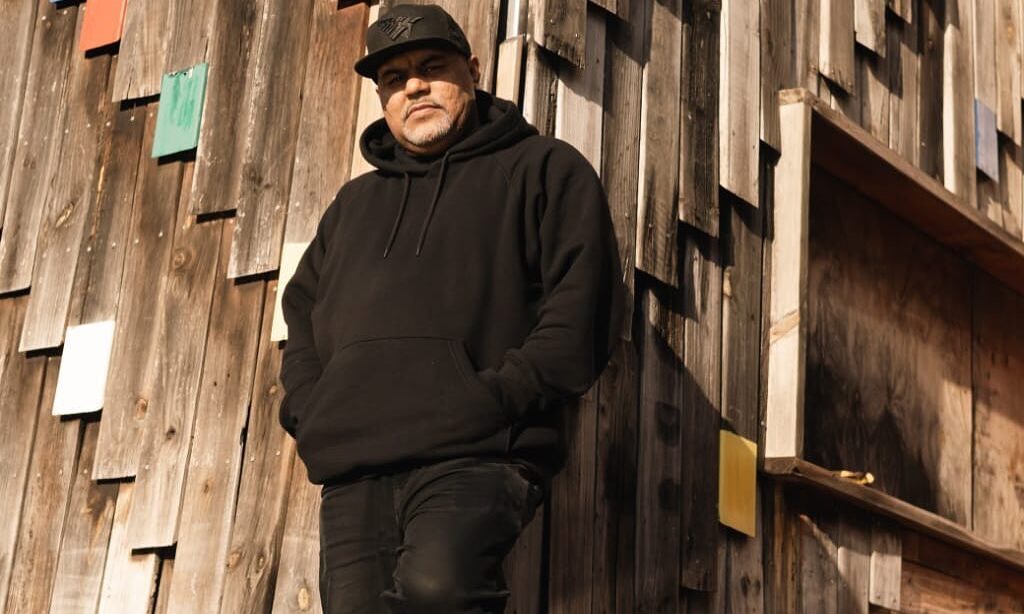

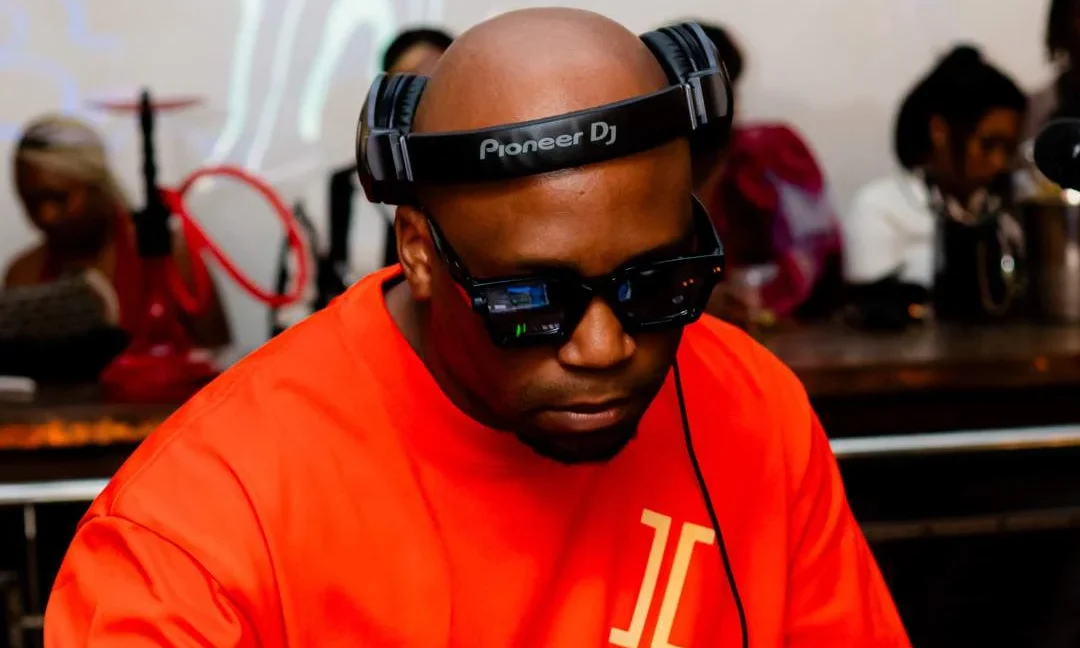
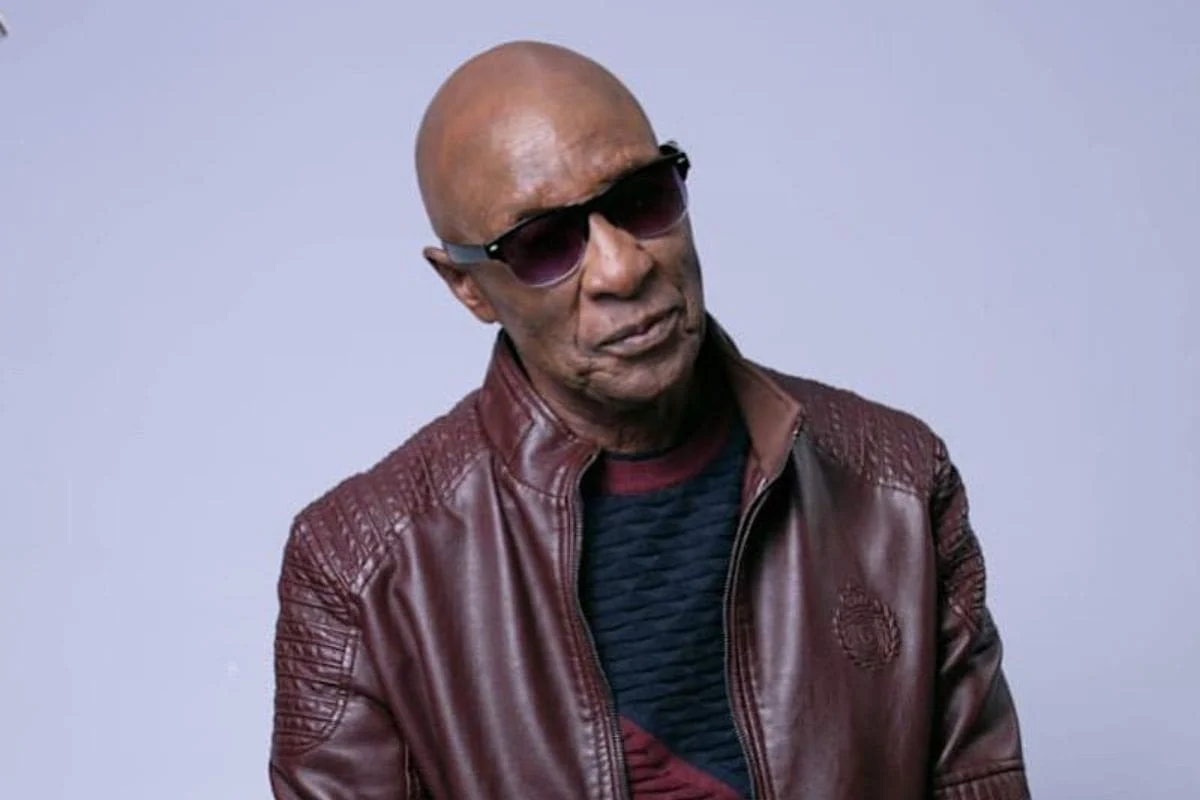
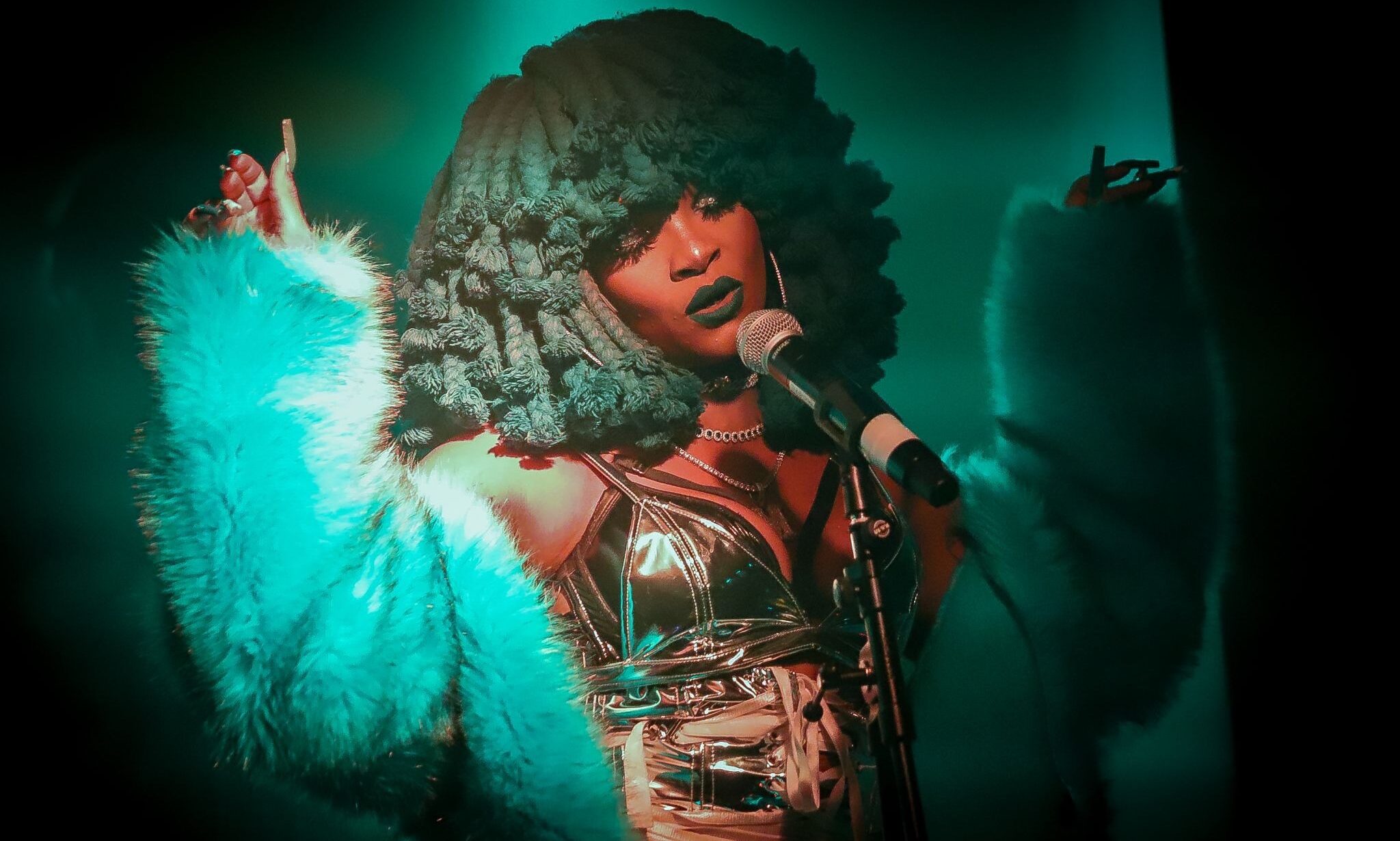
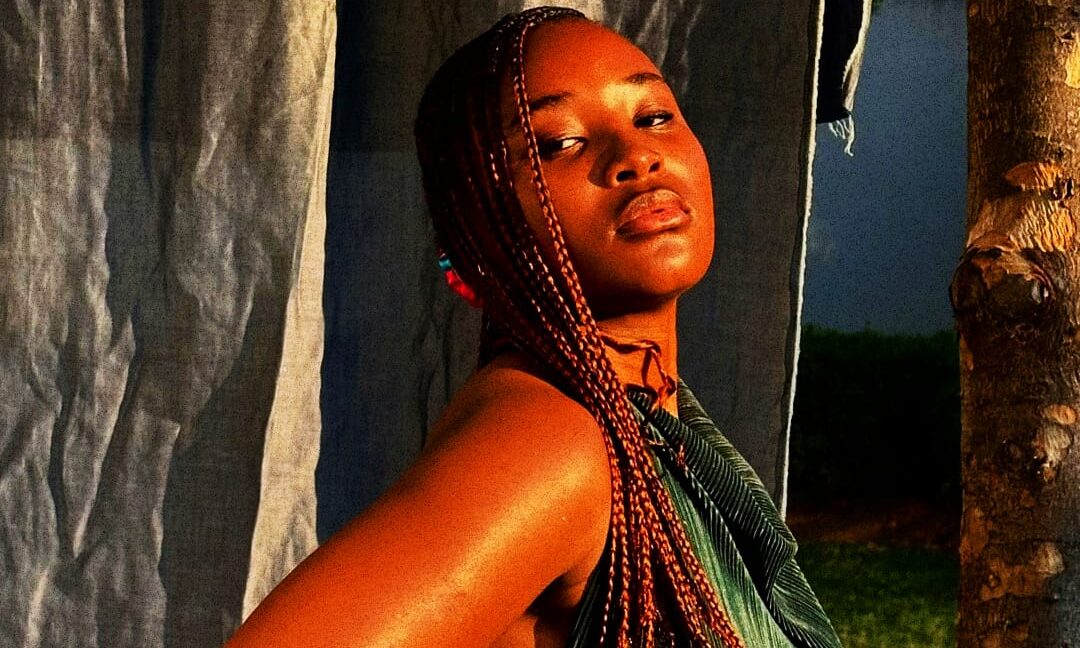

















































BCUC is one of those bands that most execs at mainstream labels would write off as a matter of principle: the band is just too different and creative for a suit to understand and work with. But BCUC is not the kind of outfit that strives for recognition in the mainstream. The Soweto band has found its niche of dedicated listeners beyond South Africa's borders and is slowly winning the hearts of those who actually understand the subtleties of original music; people like the world-renowned radio DJ and label owner Gilles Peterson, who has been elucidating alternative music forms from around the world to English-speaking audiences for decades.
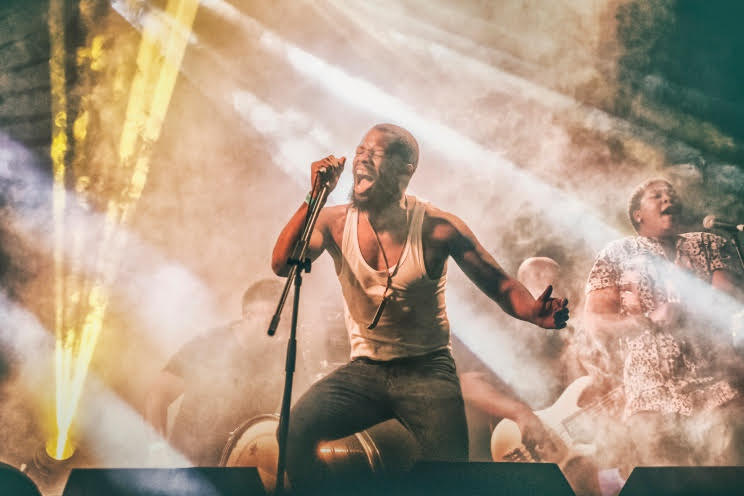
The seven-piece beat machine was formed in 2003 and has since performed at coveted events like WOMADelaide (Australia), Jazz à la Villette (France), Roskilde Festival (Denmark), Worldwide Festival (France) and GlobalFest – and this weekend BCUC will make its debut at Sauti za Busara festival in Zanzibar, where the band will present a distinctive mix of a cappella, hip hop, rock, soul, funk and traditional South African sounds to a diverse audience.
Along with its signature sound, BCUC will also bring messages of unity, consciousness, identity, cooperation and obstinance to political propaganda.
Music In Africa spoke to BCUC members Hloni and Luja ahead of their Sauti za Busara performance:
MUSIC IN AFRICA: What does the BCUC brand stand for?
HLONI: BCUC are artists who are doing their music based on social commentary. We sing about things that happen in the streets, taxis, church and the communities where we come from. Our music also includes some of the songs that were sung in shebeens and there are the kind of songs that we can relate to.
Your music is about black consciousness. How effective is your music in pushing this philosophy?
LUJA: Our music is not necessarily black consciousness; it's human consciousness, because if we term it black consciousness that would mean excluding other people and confining our music to a particular race. That’s why we say we are Bantu Continua Uhuru Consciousness, which means people continue to free themselves from mental slavery and oppression.
HLONI: Our slogan is 'Music for the people, by the people and with the people'. It’s not necessarily about black people because whites and Chinese people too have ancestors. When white people and the Chinese hear the sound of a drum they go crazy. If you are connected to people who were there before you, the colour doesn’t matter. If you hear the sound of the drum you will be like ‘wow’. It shows that there is a connection, so our music is not intended for blacks, it covers all races.
How are you driving home the philosophy of consciousness?
LUJA: We do that through music, which is the tool and weapon that we use to convey our thoughts. We also use music as a means to express our social identity and thoughts. Music is the spear that we carry and it helps us share our thoughts about who we are, where we come from and where we are going. As Hloni said, its social commentary music. Through music, we talk about politics, sports and basically everything that surrounds us.
HLONI: We sing about everything that happens all over the world, hence we consider ourselves ‘world citizens’.
In a previous interview, your lead singer Jovi said: 'The people we gave our all and hope are behaving like the people that we thought we were running away from.' Is the South African struggle one of class or colour?
LUJA: I think it has moved from colour. Racism is still alive but let’s focus more on the classes because there are those people who can afford a good living and those who can’t. Those who can afford will always try to protect their privileges. If you look at the current political situation, as Jovi was saying, he meant that the ones who were fighting against that system are now part of that very system. It’s not about colour because we also have people who are in positions of power who have joined the system.
HLONI: Long back, ngamla [white boss] used to refer to a white person but now the ngamla is also a black person with a lot of authority.
LUJA: The tables have turned but not much has changed in terms of infrastructure, although it’s getting there but if you compare Rosebank [in Johannesburg] and the nearest township, you will see the difference. It’s visible.
So you blame the new oligarchy?
[Laughs] HLONI: For what? We are not politicians and our music is not protest music. We don’t make music that incites people to revolt against the government.
LUJA: We sing about solutions and we are saying, as Hloni said it, down with corruption. You cannot have someone in possession of 10 acres of land while other people have no land. We should share. I'm just giving land as an example, but the basic idea is about sharing wealth, and whoever is sharing should make sure that those resources are sustainable. We don’t want handouts, we need something that is solid so that we can build on that as black people. So we are not blaming the leadership but we are simply saying, it as it is.
Are there differences between the apartheid government and the current leadership?
LUJA: Yes, a lot.
HLONI: Yes, we now have freedom of movement. I wouldn’t be here in Rosebank if it was during apartheid.
LUJA: These are some of the little things that we celebrate, acknowledge and give credit to those who are in power, but we still need more because we still have a long way to go. Our government is still young, we are still juveniles and our 20-year government is still going to 'parties'. Maybe when the government is 30 or 40 years old, then the system will grow and the leadership will change in time.
HLONI: Remember, it’s the people who have the power to change those who are in power.
Has there been resistance or criticism towards your music by certain social groups?
HLONI: No, man. Like I said, we don’t sing revolutionary music.
LUJA: It's revolutionary, yes [laughs] but we are not revolting.
HLONI: We are asking questions and at the same time coming up with solutions to say, maybe let’s do it this way.
LUJA: We make suggestions such as saying, ‘Mr so and so who is in power, maybe do this than taking so much money and using it for such and such.’
HLONI: We have never had any resistance. Our music is festival music, it's party music and people dance to it as if they are crazy.
You dubbed your music ‘Africangungungu’. How does that differ from your initial Afro-psychedelic jazz tag?
HLONI & LUJA: Its the same thing.
HLONI: But ‘ngungungu’ is our word. We just chose not to say psychedelic and we introduced the ‘ngungungu’ word because the sounds of our drums resonate with that.
LUJA: We decided to go with that so that everyone back home could relate to it. What also inspired the change was that we thought, if we don’t name our sound other people will do, so we decided to define our own music.
HLONI: We actually made it easier for the coming generations who might struggle to identify our music.
You are mainly a live band. Is it difficult to translate that energy on an album?
LUJA: It’s not.
HLONI: It used to be when we started but we got used to it and mastered the art afterwards.
LUJA: It’s easy because after performing at many festivals we get to identify areas where we could improve.
Last year you released an album titled Emakhosini. Will you be releasing new music this year?
HLONI: Yes, if all goes well we will be releasing in June. Healing is the title of the album and we recorded it in Paris. The album features Femi Kuti.
LUJA: It’s good for a band that comes from Soweto to collaborate with such great artists. So we are grateful that we have Femi on the album.
You have been touring mostly in Europe. How is that different from the US?
HLONI: We just came from a US tour. We performed in New York, Massachusetts, Washington and two other cities.
LUJA: The response was positive, the crowd was vibrant and they were happy. Some were even surprised this kind of music exists.
Have you performed in East Africa?
HLONI: Yes, but we have only been to Kenya and it will be our first time performing in Zanzibar.
What do you expect from the Sauti za Busara audience?
HLONI: More fun but it’s us who have the duty to give them more entertainment so that they can get down and dance. It’s going to be a party.


Most popular

Call for applications: ACCES 2026 Emerging Artist Spotlight Competition
01 Oct 2026

Top amapiano songs of 2026
16 Feb 2026

Top Naija songs of 2026
31 Mar 2026

Top Afrobeats songs of 2026
19 Mar 2026
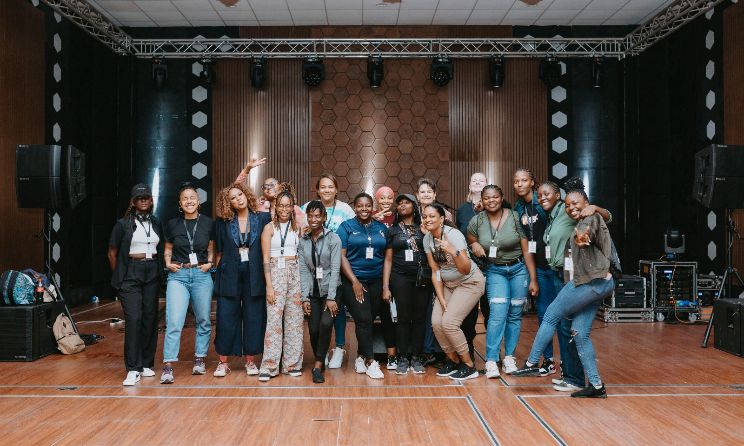
Open call: 2026 Gender@Work music industry training in Johannesburg
03 Oct 2026
AFRIMA 2026: All the winners
12 Jan 2026
Disclaimer: Music In Africa provides a platform for musicians and contributors to embed music and videos solely for promotional purposes. If any track or video embedded on this platform violates any copyrights please inform us immediately and we will take it down. Please read our Terms of Use for more.

Subscribe to our monthly Newsletter
Follow us on social media


Please log in to post a comment.