





















































‘The best feeling ever’ – Haezer on composing Fried Barry film score
04 Mar 2020 - 12:38


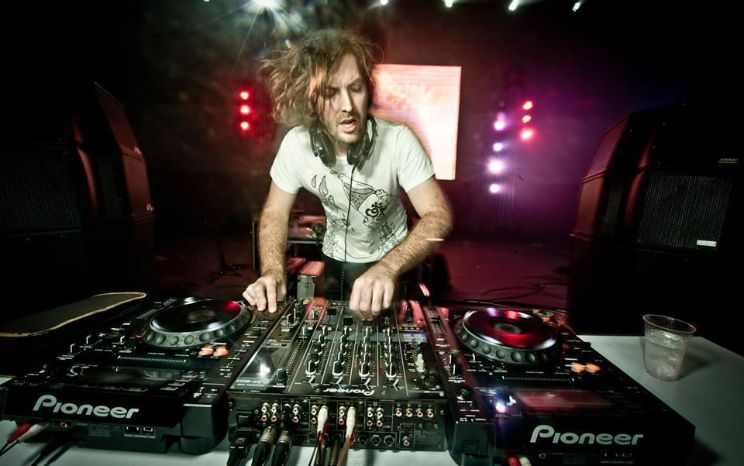
South African DJ and producer Haezer’s score for the film Fried Barry will be heard in the US when it premieres at Cinequest Film Festival on 6 March.
The independent film festival begins on 4 March in San Jose and Redwood City, California, and will feature the South African sci-fi-horror flick.
Haezer, who was born Ebenhaezer Smal, is one of South Africa’s top underground DJs. Coming from Cape Town where he studied film, Haezer has been championing the alternative scene with his signature electro-trash sound since 2008. He has also spread the message that “commercial music is dead” and played at various top events and music festivals around the world.
His body of work includes acclaimed projects such as his 2012 EP The Wrong Kid Died as well as a number of ventures in the film industry similar to his recent work on Fried Barry.
The movie, which was made by award-winning music video director Ryan Kruger, is based on the short film of the same name and follows the outlandish tale of a heroin addict whose body is hijacked by an alien visitor. What ensues is an onslaught of drugs, sex and violence as the alien tourist enters the weird and wonderful world of humankind.
Fried Barry, which is set in Cape Town, is the only African film that will feature at this year's Cinequest Film Festival and has earned 57 official selections and 12 wins at other festivals around the world.
Ahead of Fried Barry's premiere in the US, Music In Africa caught up with Haezer for a glimpse into his film endeavours.
MUSIC IN AFRICA: Fried Barry represents the whole continent as the only African feature at this year’s Cinequest Film Festival. What does this mean for the film score composer?
HAEZER: The greatest reward for me regarding art or any creative work is just for it to reach an audience. Whether they hate it or love it, as long as it evokes a reaction. Having the film feature at a prestigious film festival is such a privilege.
You typically produce songs for clubs, cars and radio. What is different about creating music for film?
I was a film editor before I started my dance producer and DJ career, so I've always felt comfortable in that world. I've scored a series named Die Byl, which threw me in the deep end, writing music for 14 episodes – each episode longer than an hour – before I started with Fried Barry.
The biggest difference is telling a story and supplementing what you see on the screen with music, instead of overpowering it or distracting from it.
How rewarding is it doing a film score in comparison to a dance track?
It's two very different feelings you get. With dance music, I feel the reward when I deejay my music and people react to it with extreme emotion and energy. With film scoring, I feel the reward instantly as my music locks with the picture. That moment when I just hit the perfect tone and I'm like, 'Boom, that’s it!' It’s the best feeling ever.
How did you conceptualise this particular score?
The bulk of the music came from a theme that I conceptualised before I even saw the film. I just sat down with Ryan and we spoke poke about the character and the mood of the film. I work in a similar manner with all my projects. I first create a mood board, or a world. Once the director connects with this world, the whole process becomes much easier, because I already established the direction of the music. Now the 'world' is there and I can write a theme for the main character and certain scenarios, and then I just build it from there.
The experience was very freeing because Ryan left me to experiment and didn't want to interfere in the first draft of writing. We saw eye to eye on most of the score, so the approval process was super smooth.
Where did you draw inspiration?
I drew my inspiration from the picture Ryan painted of what the movie would be. I had this horror-sci-fi idea in mind and didn't want it to come across as cheesy or traditional. Fried Barry is super out there, like super weird, so a traditional cinematic score didn't feel right. I wanted it to be raw and ugly, distorted and dissonant. Barry is not a conventional character, so I couldn't use conventional instruments.
You tend to experiment with dark elements in your music. Was writing for a horror-sci-fi film easy for you?
I mean it's right up my alley but you still want to make something unique and coherent with the mood of the film. I had to rethink a lot of the score, because it was just too clean and not chaotic enough. We would have sessions where we just cut up pieces of music I made for different scenes and stick them together, move them around, stretch them, change the key, reverse things and just kind of mess it all up.
What can people expect from your score and what different styles of music did you experiment with?
The music is pretty in your face. There’re two aspects to it: the composed-to-picture, structured aspect, and then the needle-drop tracks that are from my catalogue as Haezer and Embassy. What can you expect? Mmm, you either love it or hate it. I doubt there will be a middle ground [laughs].
What’s the market like for music producers looking to enter the film space?
Honestly, I have no idea. I've been quite lucky with work coming my way in mysterious ways. Ryan knew me as Haezer and worked with me on his short films. The series I composed came from old fashioned conversations with the producer at a bar. I also did Ander Mens, which was predominantly a classical film score, so very different from Fried Barry. I've done music for plays and contemporary dance shows, just from people hearing something I did and posted on Instagram, or friends who sat in my studio listening to drafts of my music years ago and now they are choreographers or directors.
Do you plan to do more scores in the future?
Absolutely! My long-term goal is to compose for games, but at the moment I'm doing more long-form film composing as well as sound design and final mix for films. With the latest project I was involved in I didn't compose the music, but I did all the foley, sound design and final mix.


Most popular

Top Naija songs of 2026
31 Mar 2026

Ghana: Mr Eazi and MOLIY’s ‘Comfort’ earns Urban Music Awards nomination
21 Oct 2026

Top Afrobeats songs of 2026
19 Mar 2026

Top amapiano songs of 2026
16 Feb 2026

Open call: CANEX Music Business Lab and Songwriting Camp
15 Oct 2026

Nigeria: CANEX WKND unveils 2026 programme
21 Oct 2026
Disclaimer: Music In Africa provides a platform for musicians and contributors to embed music and videos solely for promotional purposes. If any track or video embedded on this platform violates any copyrights please inform us immediately and we will take it down. Please read our Terms of Use for more.

Subscribe to our monthly Newsletter
Follow us on social media


Please log in to post a comment.