






































NEFCISA
NEFCISA

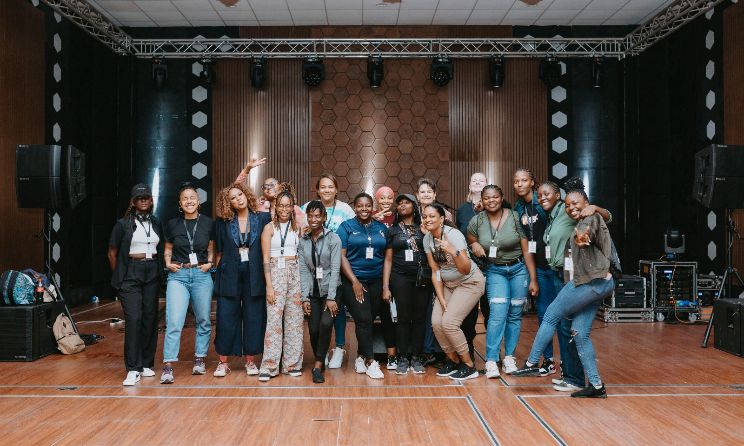
The Music In Africa Foundation (MIAF) is proud of its partnership with the Industrial Development Corporation (IDC) as a Strategic Implementing Partner (SIP) for its Social Employment Fund (SEF). Through this collaboration, MIAF is running a national programme that is creating jobs, addressing skills gaps, and strengthening South Africa's creative industries — in line with the SEF's overarching goal to generate work for the common good and build community value through employment, social contribution, and inclusive economic participation. Operating under the banner NEFCISA (National Employment Facility for Creative Industries in South Africa), the initiative is recruiting and training participants, matching them with host organisations, and has already placed 1 500 workers across the country — surpassing its original target of 1 000. NEFCISA is delivered through a network of 20 host organisations spanning five provinces, who are actively hosting participants and contributing to work for the common good across South Africa's creative and cultural industries. Key Objectives: Support employment and entrepreneurship in the creative industries. Offer skills development and training programmes. Foster partnerships between public and private creative sectors. Promote South African creativity at both provincial and national levels Foster community development through social contribution.

ACCES
ACCES

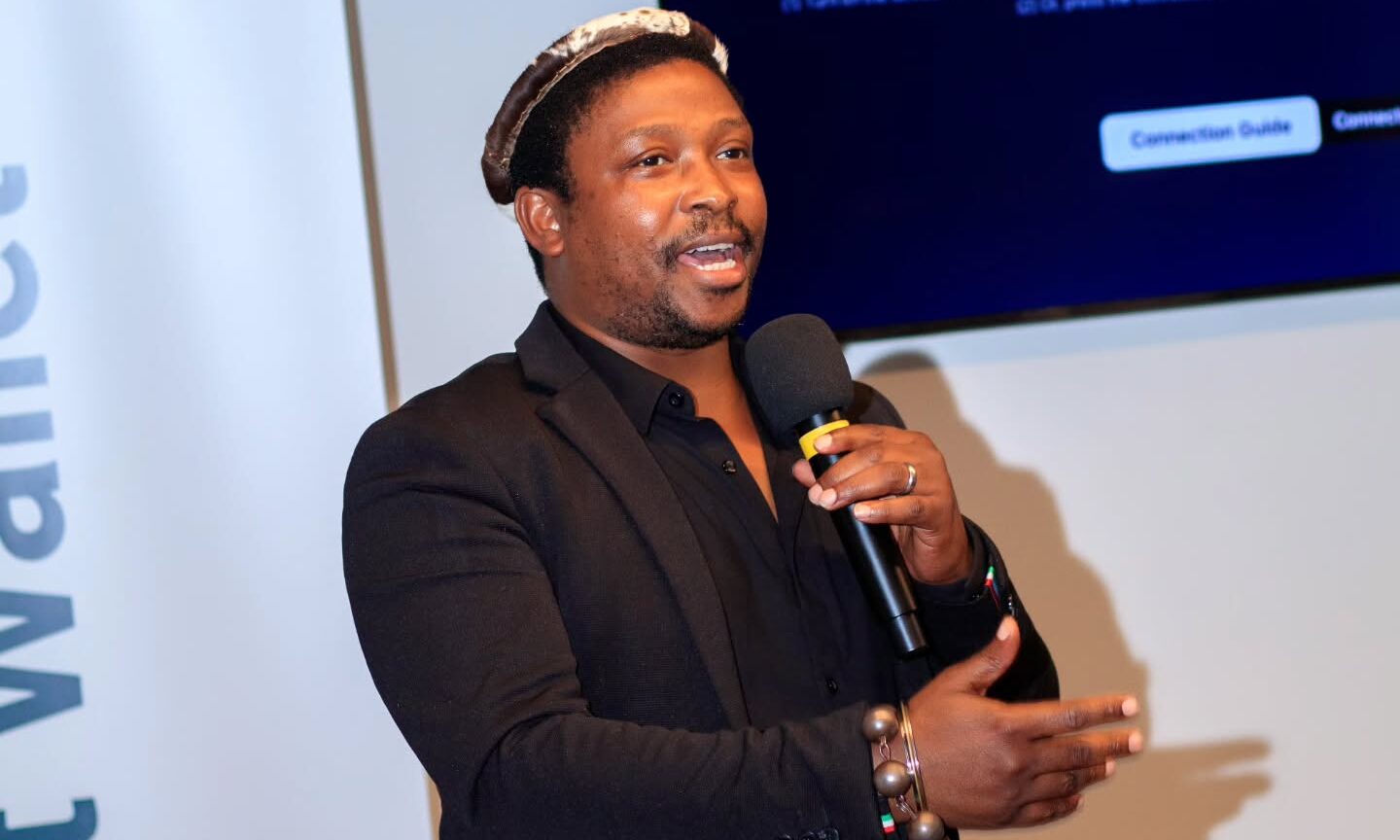
ACCES Conference and Showcase Festival is Africa's leading music industry gathering, bringing together the people shaping the future of the continent's music business. Artists, entrepreneurs, executives, investors, policymakers and cultural leaders from across Africa and around the world come to ACCES to build partnerships, exchange ideas, discover talent and create new business opportunities. Since its launch in 2017, ACCES has become the continent's premier platform for professional exchange and music market development. Combining a high-level conference with a curated showcase festival, networking, exhibitions and industry programmes, ACCES offers a unique space where creativity meets business and where African music connects with the global industry.

Gender@Work
Gender@Work

Music In Africa Gender @ Work is a three-year training programme aimed at upskilling and increasing the participation of female professionals in the African music sector. Launched by the Music In Africa Foundation (MIAF) in April 2019, the programme is connected to the MIAF’s ACCES music conference – a pan-African event held in a different African country every year. This connection enables the programme to reach new participants in a different African country every year. The programme marks the beginning of a more concerted effort by the Foundation to support the participation and inclusion of women in all facets of its programmes and the music sector in Africa as a whole. Over the three years, the programme will aim to address gender imbalances in the sector through training, lobbying, facilitating knowledge exchange and dialogues that foster the interest of women. The broader objectives of the programme are to: Provide industry training for women on critical music industry skills, focusing on: Stage management Electronic music production and recording Music business management Technical knowledge Provide an opportunity for both professional and aspiring women to benefit from the Music In Africa network and its broad range of activities in 2019, 2020 and 2021. Provide a solution-based platform in the form of a round table at ACCES with a view to identify challenges, discuss opportunities and lobby for the interests of female practitioners. Offer participants the opportunity to benefit from programmes offered by MIAF’s partners. Increase access to educational materials. Integrate participants in the broader ACCES programme to maximise experience and exposure to the industry. Record and present training materials on the www.musicinafrica.net, including but not limited to tutorials, templates and other best-practice materials. Communicate women-based themes that support the initiatives and messages of the programme. MAIN TRAINING ACTIVITIES Training in first country (Ghana): In the first year, participants will be trained on all aspects of stage management by a team of experienced stage managers from 10 to 17 November 2019. The programme will offer robust classroom training as well as practical, hands-on training in which participants will also be given the opportunity to manage various aspects of the ACCES performance programme. Training in second country: The second training iteration will take place at ACCES 2020 when the programme will diversify its course to include music production lessons and training on other music business topics. A round-table platform will also be introduced to coincide with the ACCES programme. Training in third country: The third training iteration will take place at ACCES 2021 in a different country, offering an advanced course. HOW DO YOU GET INVOLVED?  As a participant, facilitator or trainer: The programme enrolls up to 12 trainees every year. All opportunities are advertised publicly on this website, and will be added to this page. Please keep checking this page for new calls (below under UPDATES & CURRENT OPPORTUNITIES). As a partner Please contact Claire Metais at [email protected]. APPLY The call for applications for 2020 will be announced soon. The Music In Africa Gender @ Work programme is made possible with the support of the Prince Claus Fund, Siemens Stiftung and Goethe-Institut.

Sound Connects Fund
Sound Connects Fund

For cultural and creative practitioners and organisations operating in southern Africa, access to funding remains a major challenge. The COVID-19 pandemic has also had a massive impact on government policy, spending and the economy in general, and has seen spending on culture being moved further down the list of priorities. Further, the cultural and creative industries repeatedly cite four main areas where investment is needed for growth, which are increased visibility, mobility including access to new markets, finance and support structures.

Instrument Building And Repair Project

Experience the Vibrations African Instruments Exhibition online in 3D

Features

Bitter rivalry and backstabbing in Kenyan gospel

14 Dec 2015 - 13:50

cc-img flag-img

Kenyan gospel music has never had it so good. Gospel is played on mainstream radio and TV, fans are downloading the songs on their mobile phones like never before and most of the top-earning musicians are those who sing gospel. So, why are there concerns about the direction the music is taking?

Kenyan artist Bahati. Photo: www.citizentv.co.ke

If you call a mobile phone belonging to a Kenyan chances are the owner has downloaded a gospel song by a local singer as their callback tone. Kenyan gospel is now so popular that the country’s first TV station dedicated to local gospel music was launched in July. Gospel has grown into a multi-billion industry with fierce competition between artists for a slice of that cake.

As the popularity of gospel music in Kenya rises, the line between it and secular music becomes increasingly blurred. Some gospel artists have really pushed the boundaries of what is acceptable by adopting an image that leaves many fans confused about their belief in the Christian values they sing.

Some critics are of the view that Kenyan gospel cannot be considered a genre but rather, different styles of music whose only common link is in the lyrics that make reference to spirituality. The gospel songs are essentially modeled either on South African rhythms or Jamaican reggae/dancehall, or American Hip-hop or Congolese ‘soukous’.

A Kenyan ethnomusicologist Jean Kidula says Christian music in Kenya defies definition and that the only common factor is when the lyrics are in any way related to the Bible, or if the musicians claim to be Christians.

It used to be that “Christian music”, as it was then known, was sedate spiritual music often performed by church choirs and only played during religious occasions. Few, if any, were ever released commercially. There was a gradual change in the late 1980s as the first Gospel music show, Sing and Shine, was launched on Kenyan television and the image of singers changed from the robed choirs to trendy looking performers.

A singer who launched her career on this TV show while still a high school student would a few years later be at the very heart of the gospel revolution in Kenya. Esther Wahome’s single ‘Kuna Dawa’, hit the half a million sales mark in 2004, a record by any standards in Kenyan music, thrusting gospel music right into the mainstream. With its lively rhythm and a catchy chorus that exhorts people to give up their lives to Jesus, ‘Kuna Dawa’ was played in pubs, discos and other social places previously considered taboo for gospel.

Speaking about the impact of the song in a 2011 interview, Wahome said: “The purpose of my music is to set the captives free, so if a drunken man wants to sing along, let him, it shall be embedded in his mind and soon he will seek that dawa (medicine) that he constantly sings about loudly with his friends making merry.”

Her good looks and celebrity status made Wahome an advertiser’s dream and she was the subject of controversy when she signed a deal with East African Breweries, even though it involved endorsing a non-alcoholic beverage. Even politicians caught on to the wave of ‘Kuna Dawa’ when it was used as a campaign song during the 2005 referendum campaigns for a new Kenyan constitution.

The emergence of a second generation of contemporary gospel artists in Kenya has led to even more fierce competition and, in the process, some bitter disputes have dominated the media. Since 2013, there has been a high-profile feud (“beef” in the language of the gossip columnists) between two young performers, Willy Paul and Kevin Bahati, who both command a huge following. Bahati lit the fire when he accused his rival of stealing his music by bribing his (Bahati’s) producers to gain access to songs that he then recorded as his own.

The rivalry has spread to the annual gospel music industry honours, the Groove Awards. Both Paul and Bahati succeeded each other in winning the Male Artist of the year award in 2013 and 2014 and, just like other performers, have used the event whose winners are voted by the public, as a popularity contest. The organisers of the 2015 Awards used the event as a reconciliation platform to end the feud between the two performers but the truce did not last long. Paul stormed out of the event in a huff after watching his rival beat him to all the major honours of the ceremony, including the Male Artist of the Year Award.

In recent years even these awards have been dogged by complaints from some artists who claim that only those who belong to certain camps end up as winners. Though no evidence has been presented to support these allegations, such claims point to the suspicion and mistrust among gospel artists.

When he appeared as a guest presenter at the 10th Groove Awards in 2015, the outspoken rapper Octopizzo used the stage to warn gospel artists who are showing a bad example to their fans: “Don’t mislead people in the gospel circuit. My kids watch you and if you mislead them, I will come for you.”

If there is a group of Kenyan musicians that is caught in an identity crisis, then it is most of those who today profess to be gospel artists. There are valid questions about their belief in the very foundations on which gospel music is built.


Originally published on 17 July 2015 in This Is Africa


Please log in to post a comment.

Most popular

Disclaimer: Music In Africa provides a platform for musicians and contributors to embed music and videos solely for promotional purposes. If any track or video embedded on this platform violates any copyrights please inform us immediately and we will take it down. Please read our Terms of Use for more.

newsletter banner

Subscribe to our monthly Newsletter

Follow us on social media