































































Black Lives in Music (BLiM) have released the findings of their survey called Being Black in the UK Music Industry Pt. 1, which aimed to gather data on the experiences of music creators and industry professionals.
The report, which is the largest survey of black musicians and music industry professionals in the UK, revealed that many participants had experienced direct or indirect acts of racism in the music industry including hostile working environments, income inequalities and barriers to progression based on their ethnicity.
The report also found that some black artists were either given less studio time compared to their white counterparts, or refused performance opportunities at events or being told to change their musical vision. Black female artists in particular have been told by labels to adopt white/euro-centric standards as they did not know how to promote black female artists.
Key findings were: About 86% of all black creators said that there are barriers to progression. This number rises to 89% for black women and 91% for respondents who are disabled. Over 35% of black music creators have felt the need to change their appearance because of their race or ethnicity, rising to 43% of black female musicians.
In terms of mental wellbeing, about 31% of all black music creators believe their mental wellbeing has worsened since starting their music career, growing to 42% for black women. While 36% of black music professionals believe their mental wellbeing has declined, rising to 39% of black women. Meanwhile, approximately 38% of black music professionals, earn 100% of their income from music compared to 69% of white music professionals. And 57% of black music creators have seen white contemporaries promoted ahead of them despite being more qualified
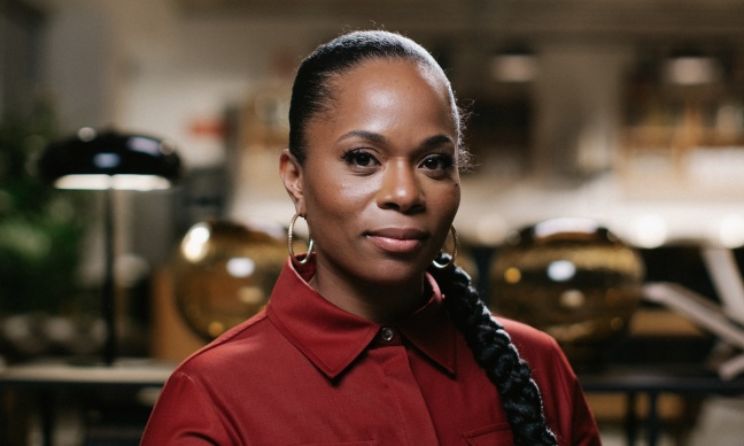
“The report highlights the racist culture and behaviours in the workplace, financial barriers and lack of investment in black music creators, and industry professionals unable to reach their career goals,” BLiM CEO Charisse Beaumont said. “The report also spotlights Black women being the most disadvantaged across all areas of the music industry and how all of these factors affect the mental health of Black creators and industry professionals.
“The data clearly shows that change is needed across the entire music ecosystem from grass root education, all the way up to record labels. I hope industry leaders read this report and hear the voice of those who spoke out. I hope this report evokes change in the way we do our music business which has greatly profited from Black talent.”
The BLiM Survey also made several recommendations to address the imbalances including transparency around the gender and ethnic pay gap, training programmes to increase diversity in middle and senior management in music companies and investment in grassroots music education.
The BLiM, in partnership with TuneCore, will host a weekly series of webinars called Being Black In The UK Music Industry from 13 October to 3 November. Each week, the report will be dissected by a black creator or industry professional in the UK.
Read the full report here, and interested participants can register for the webinar here.


Most popular

Top Naija songs of 2026
31 Mar 2026

Top Afrobeats songs of 2026
19 Mar 2026

Ghana: Mr Eazi and MOLIY’s ‘Comfort’ earns Urban Music Awards nomination
21 Oct 2026

Top amapiano songs of 2026
16 Feb 2026

Open call: CANEX Music Business Lab and Songwriting Camp
15 Oct 2026

Nigeria: CANEX WKND unveils 2026 programme
21 Oct 2026
Disclaimer: Music In Africa provides a platform for musicians and contributors to embed music and videos solely for promotional purposes. If any track or video embedded on this platform violates any copyrights please inform us immediately and we will take it down. Please read our Terms of Use for more.

Subscribe to our monthly Newsletter
Follow us on social media


Please log in to post a comment.