
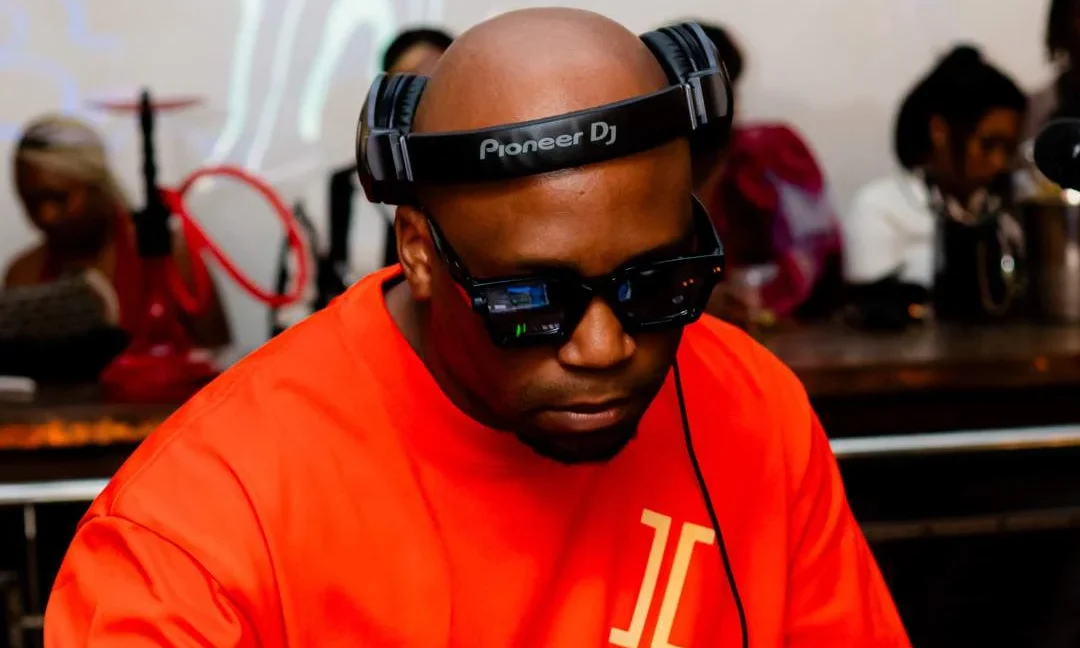
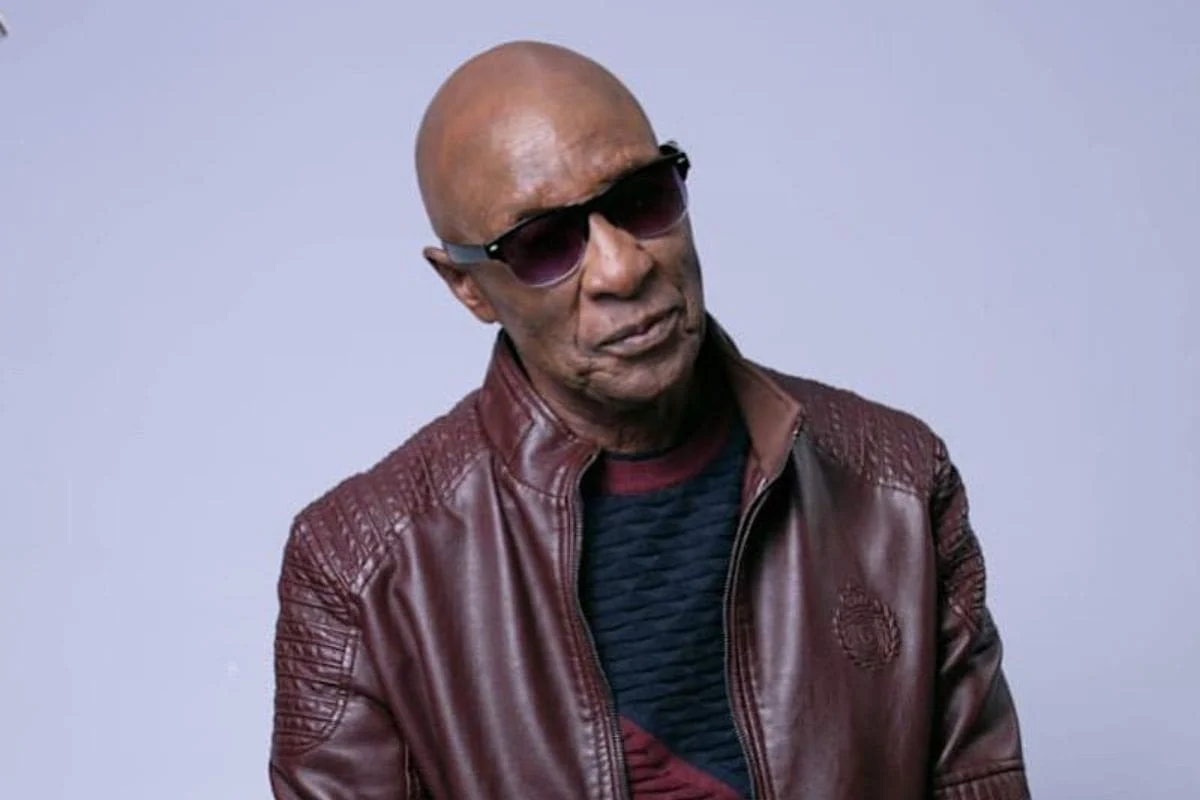
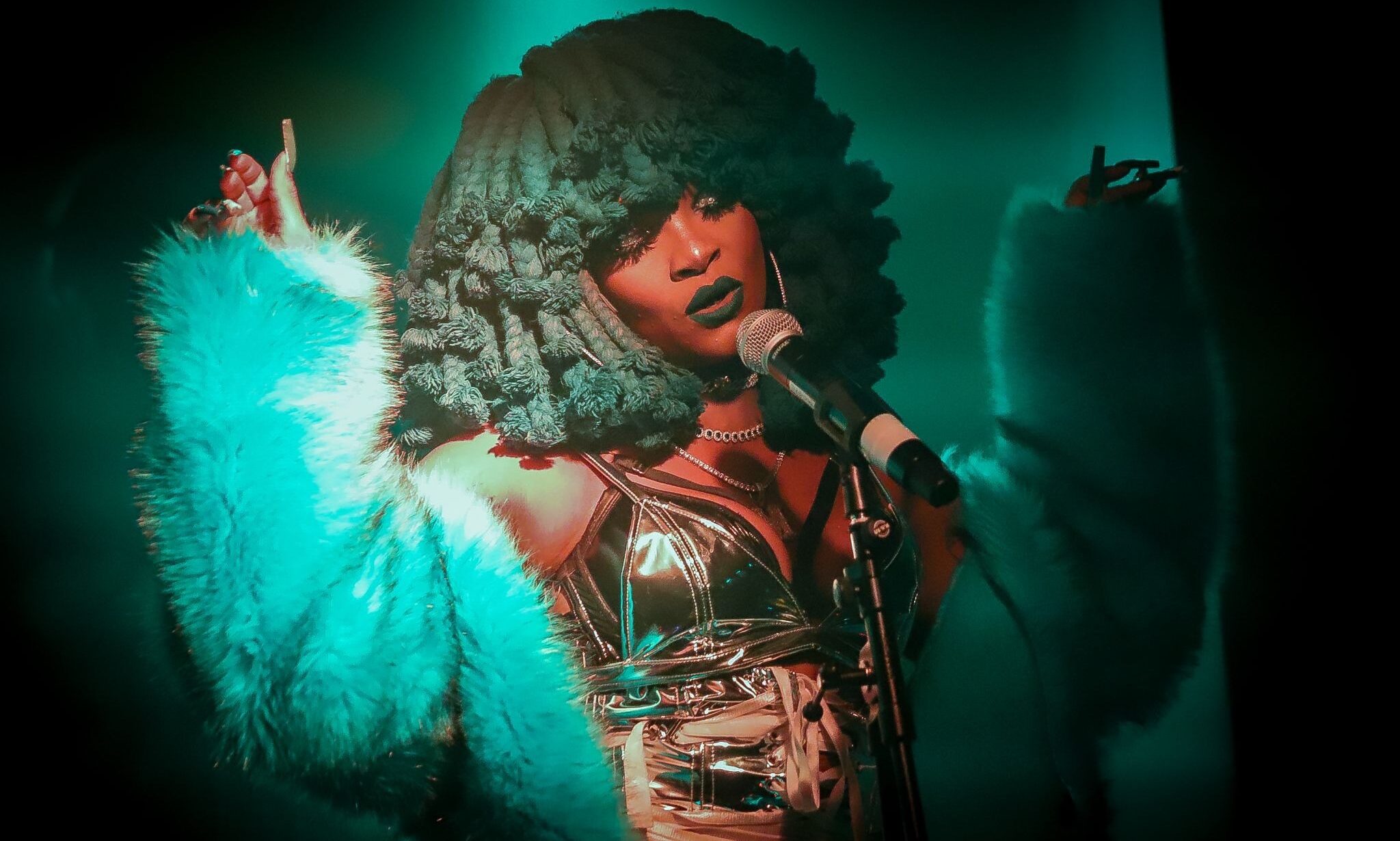
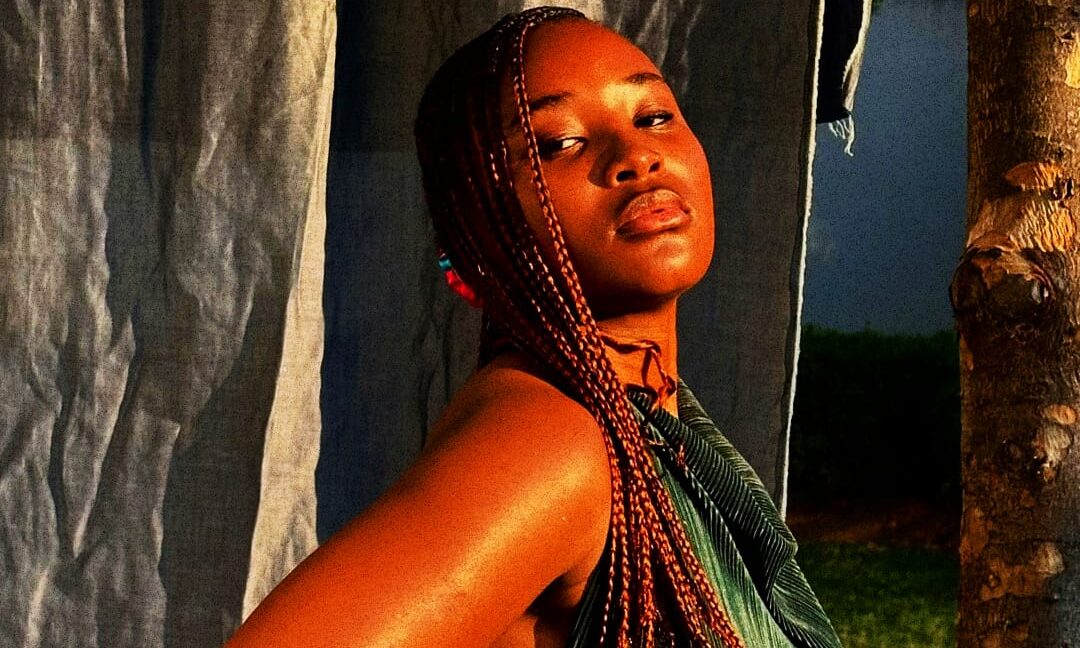






































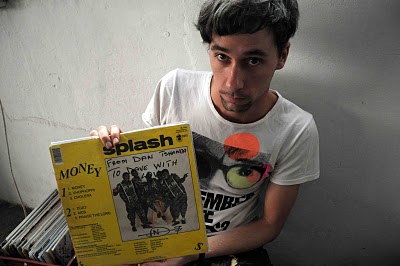


Bongeziwe Mabandla has earned a reputation as one of the hardest-working performers in South African music over the past few years, travelling extensively and performing all over the world, including as far afield as Japan, Australia, Europe and the USA.
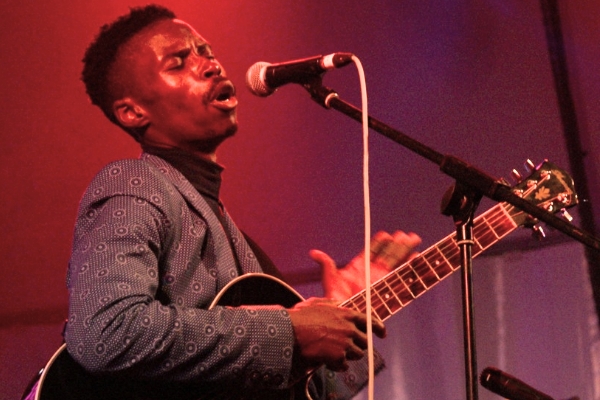
Since the release in 2012 of his widely acclaimed debut album Umlilo (which earned SAMA nominations for Best Newcomer and Best Adult Contemporary), hard work and perseverance has ensured that Mabandla remains a prominent figure on the scene. Now, in 2015, the young singer-songwriter from the Eastern Cape is poised to release a hotly anticipated second album, embark on his first tour of Canada and headline the popular MTN Bushfire Festival in Swaziland in May. He took some time to sit down with Music In Africa to talk about what he’s been up to recently and what the future holds for him.
Tell us a bit about your songwriting process for your second album…
I’d actually almost stopped really enjoying doing music, after writing Umlilo and performing it, and with the politics within the industry… But definitely writing has made me fall in love with music again. I had a great time writing. I feel like I lifted up a weight and put it down in songs, on paper. It was very hard, especially at the beginning. It’s taken the past year and a half… Just to be able to write music about things that I believe in, that was hard.
Needing to come up with a second album - it sounds great, but when you don’t have something to say, or when it’s just not the right time to make an album, it can become a mess. So I really felt like I interrogated myself with this one. Because I didn’t have a record company saying, ‘Get into the studio’, it became like a blessing. The years I didn’t record, I just kept on writing and writing… I hoped that when I would come in to record an album for the second time, it would be a little bit easier. But I see now, if I don’t give the album a hard push, even harder than my first album, it’s just not going to happen. That’s one of the great things with me not being able to instantly record. I would’ve had a very different album if I was just going to go into the studio and try to make an album. But with this one I’ve just been able to write songs.
It’s like a relationship. I write songs on guitar, then I leave it. Then the bassist will come and add his thing. Then we’ll go and record. It’s like each one feeds off each other. It’s not one single moment when the song happens… Instead of the whole traditional way, where I write the song in my head, and then I go to record it in the studio, and then the band follows, it’s more mixed together - the live influences the CD, the CD influences the live, the unplugged influences it. It’s just joining everything together.
What opportunities has travelling provided and how has it influenced your music?
Travelling has really influenced me. I was that musician who was kind of depressed about not making it in South Africa, feeling underrated… I never understood the power of festivals. I remember getting booked for festivals like Splashy Fen, that was one of the first, and I’ve played Rocking The Daisies, Sakifo on Reunion Island and Azgo in Maputo. Those festivals open doors. At first I thought I was just there to do a good performance then go home. I wasn’t aware of who was listening or watching. A lot of my bookings, especially overseas, have come from being seen at those festivals - sometimes it’s two or three years later.
I went to the UK early in my career. That was my first gig overseas. I come from a very small town in the Eastern Cape. Places like London, I never thought it would be possible for me to even see those places. It’s always inspiring, especially when you feel appreciated, in a foreign country. I felt like I came back from my travels really impacted by what I’d seen.
I released Umlilo in Japan - that was the whole reason I went there in 2014. The guys had seen me at Azgo and wanted to book me. They introduced the CD to different people in Japan and one of the labels was interested. So that was the aim, to release and promote the CD there. I was playing at different venues and also doing some collaborations with Japanese and Korean musicians. It was mostly festivals, like Sukiyaki Meets The World in Japan and the Gwangju World Music Festival in Korea.
I went to a residency in the USA called One Beat, which is like 40 musicians from around the world. It was in LA, Saratoga, San Francisco, for a month – in October 2014. At first I was just like, "A residency - what more do I have to learn?" Being with other people and having their opinions on your music was hard at first, but it was exactly those things that helped me. Being around musicians really helped me to do that.
I was in Australia, the last place I was at, and I remember thinking, "This is why I started making music". I’m definitely not saying the Australia is a better country than South Africa, but there were things that happened there that never happened for me here in South Africa. It was definitely the first time I felt that I’m really a musician. It’s the first time I walked around a city and there were posters of me everywhere. It’s the first time that shows were sold out. I was at AWME (Australasian Worldwide Music Expo) in Melbourne, Foundry616 in Sydney and the Mullumbimby Music Festival. It was great. The shows were packed and people are so respectful – even if they don’t understand the language. When I arrived in Australia, I played one gig. I got off the stage, came down and the manager was like, "Someone wants to book you for another tour next year". Those are things I used to daydream about. I used to think they would never happen.
I find that when you’re on stage performing, those are the times when things can happen, or not happen. So I would say to people to take live performances, especially at festivals but also generally, extremely seriously. I know it’s cheesy, but you never know who is in the audience listening.
What can we expect from you at this year’s Bushfire Festival in Swaziland?
This will be my first time at Bushfire. I’ve been trying to play there for years. From what I’ve heard, Bushfire is one of the best festivals. So I’m under pressure a bit, just because it’s been difficult to play there. And I’ve heard what great things it’s done for other musicians, specifically The Brother Moves On.
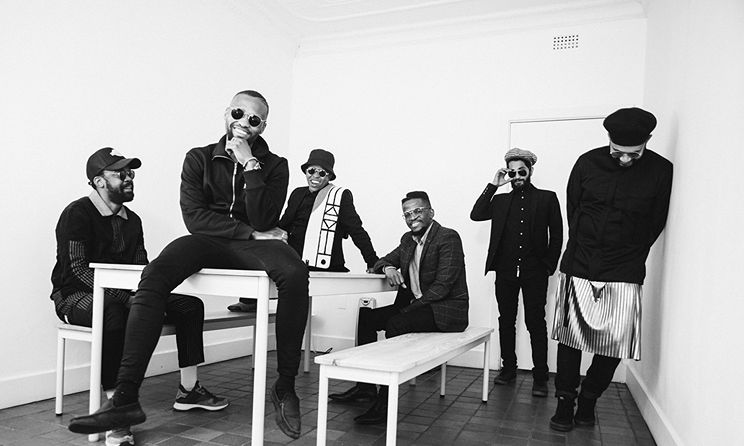
I’ve been travelling alone, playing alone, very acoustic sets. So it’s great that this year finally I’ve got some sets with the band. But it’s also weighing on my shoulders, because I’ve struggled a bit with live performances with my band in the past, after the first album. A lot of people didn’t really get the vibe. So it’s definitely something I’m very conscious of when I come to the new album, just trying to get it right. I had a very small band. I’ve replaced the drummer. And I had a keyboard, but I’m not playing with him anymore.
I’m gearing up with my band. We’re playing Azgo (the week before Bushfire) and Sowing The Seeds in March. I’ve got a whole lot of festivals that I’m playing at with my band, so I’m hoping by the time I’m at Bushfire, I’m going to be really hot.
And what else is coming up for you this year?
All these gigs are preparing me for my tour to Canada in July. That happened in Australia. Some people from Canada who run festivals saw the performance and booked me on the spot. I was pretending like it happens to me all the time, but I actually couldn’t breathe! It’s a two-month tour. The dates are going to be announced soon. We’re also hoping to go to the States while we’re there, because we’re staying for so long. But those dates aren’t confirmed yet. I feel like I’m living the life. I’ve been traveling alone, which has been a bit sad. Now it’s me with the guys on the road, around the world.
Then I’ll be releasing my album after that, that’s the main vibe for the year. I’ve recorded a few tracks, and I’m still recording a few. It’s a bit hard when you start travelling to make an album, but I’m finished writing, so there isn’t really much to do.
I’d love to play in Nigeria and introduce my music to that market. I might be going to play in Congo sometime this year, but it’s not confirmed yet.
I’m going to drop a single soon, called ‘Mangaliso’. It’s going to be on the full album. ‘Mangaliso’ means miracle, and it’s just about working very hard on achieving something, and to see a bit of that realized…


Most popular
Call for applications: ACCES 2026 Emerging Artist Spotlight Competition
01 Oct 2026

Top amapiano songs of 2026
16 Feb 2026

Top Naija songs of 2026
31 Mar 2026

Top Afrobeats songs of 2026
19 Mar 2026
Open call: 2026 Gender@Work music industry training in Johannesburg
03 Oct 2026
AFRIMA 2026: All the winners
12 Jan 2026
Disclaimer: Music In Africa provides a platform for musicians and contributors to embed music and videos solely for promotional purposes. If any track or video embedded on this platform violates any copyrights please inform us immediately and we will take it down. Please read our Terms of Use for more.

Subscribe to our monthly Newsletter
Follow us on social media


Please log in to post a comment.