

















































Bridging the gap – reflections on a music workshop
29 May 2015 - 12:29


By Gregg Tendwa
Friday and Saturday last week, a group of musicians, producers and lovers of music gathered to explore the subject of identity, tradition, innovation – and the role of technology in music production in relation to Kenyan music.
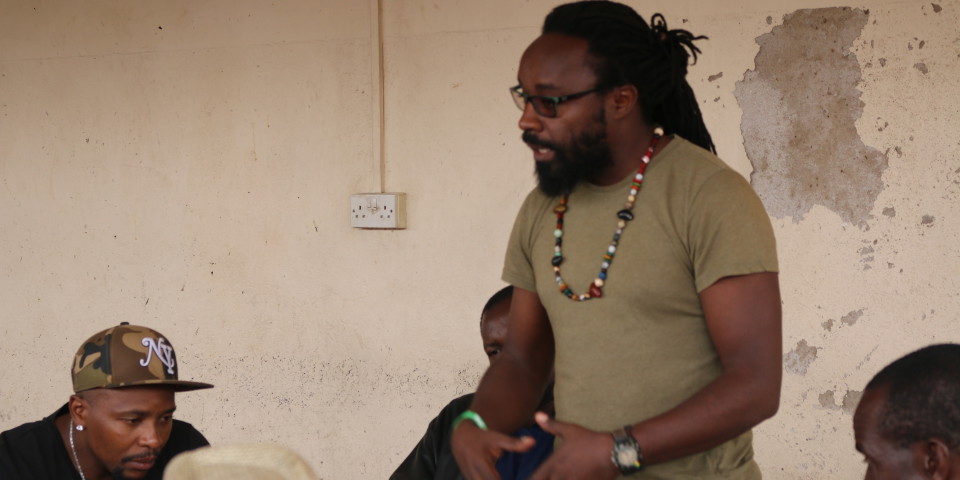
This event was an attempt to bridge the gap between the older and younger generations, and shed light on the changing nature of the creative process in the Kenyan industry.
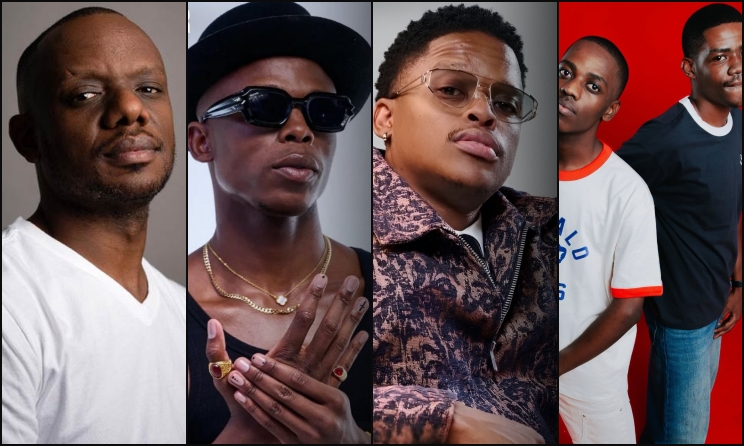
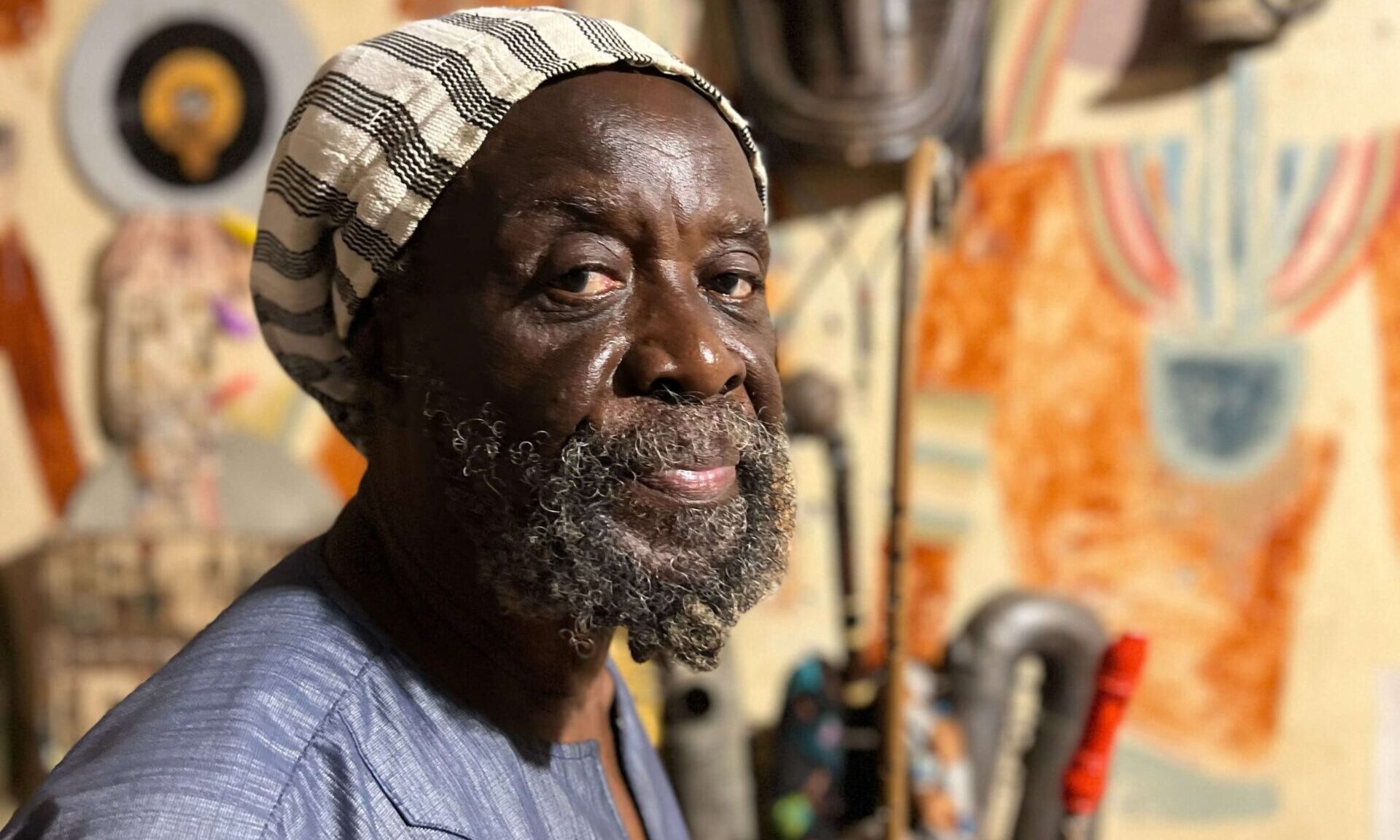
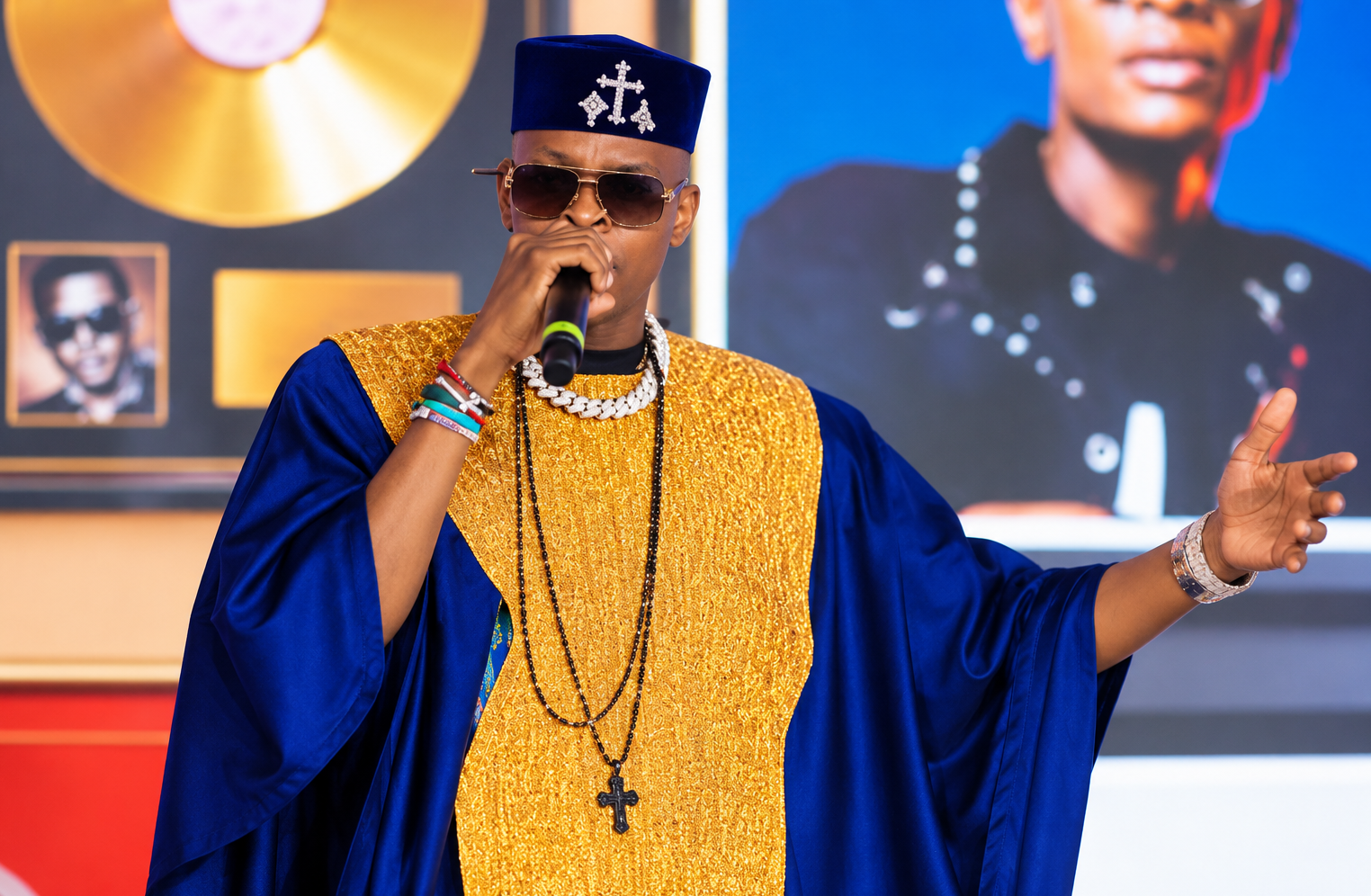
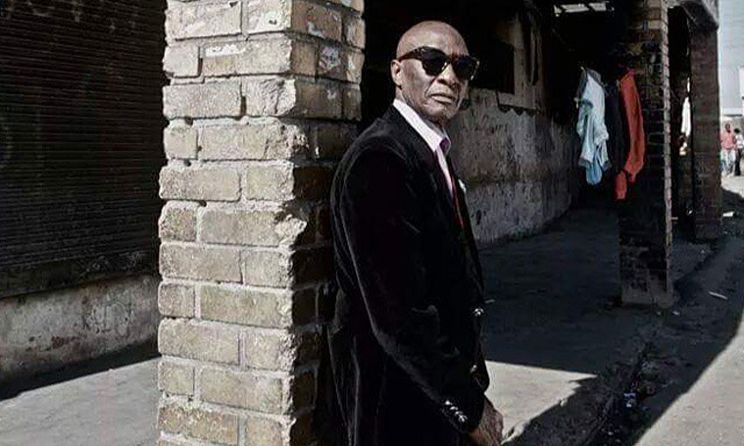
A team of musicians from Kenya’s rich history of musical past (John Nzenze and Peter Akwabi) teamed with younger musicians (Atti Sanna, Idd Aziz and Nafsi Huru) and producers (Nick Loder, Alai K and Jacob Solomon) and DJs (Gregg Tendwa, Brian Gugo and Richie Mwendwa) representing the digital age from the Santuri network.
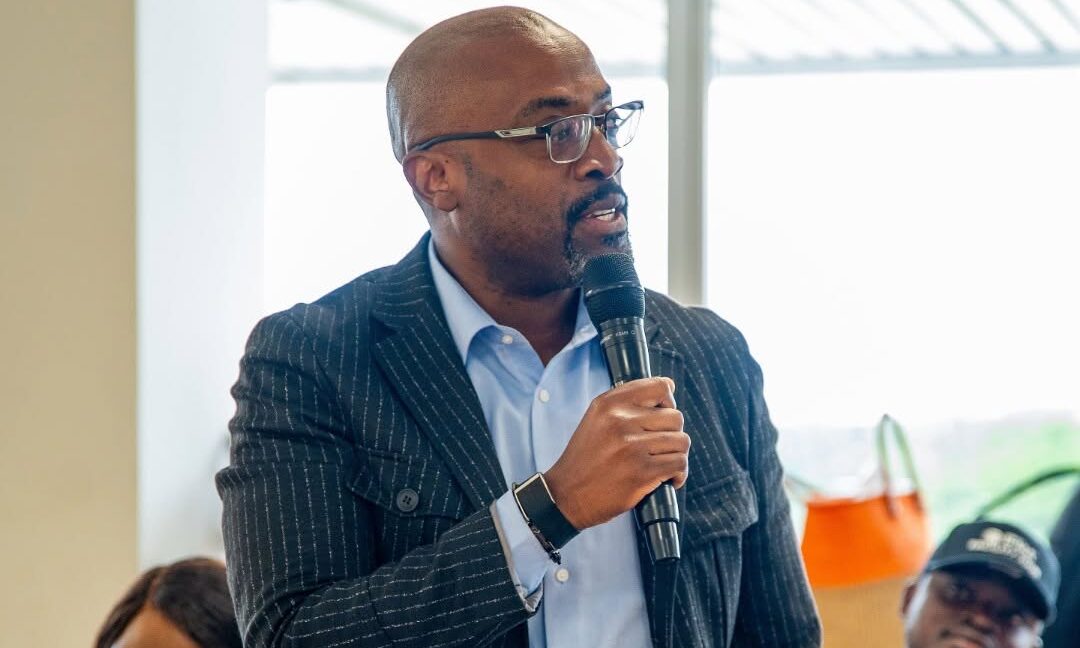
A studio recording session was conducted on Friday April 10, 2015 at Ketebul music located at the Go Down Arts Centre. This was followed by a seminar that took place at the Goethe-Institut Nairobi, investigating the results of the studio sessions by way of a discussion and concert. Bill Odidi moderated the discussion that featured guest speakers from the music industry, media, and cultural curators – Tabu Osusa, Sally Oyugi, Wawesh Mjanja, and Makadem.
In addition to being part of the panel of discussants, Peter Akwabi and John Nzenze performed some of their favorite tracks right before Yunasi band presented what is a possible format of bridging the gap in Kenyan context. Additionally, DJs Richie Mwendwa, Gregg Tendwa and Brian Gugo continuously sampled music from the Kenyan landscape, from vinyl to mp3.
At the very end of the 2 day activity, feedback received indicated that this was: a very healthy forum; a much-needed exercise; one that should be done more often; a good step in the right direction; the first of a kind; later in the evening, some people asked me – So, what next? What is the solution? How do we move from here? And that inspired me to wake up and write this piece.
Allow me to say that I could be naive, like any passenger who joins a train that has already set off. But also be warned that a passenger could potentially drive a train to destination. I am a teacher who learns by doing experiments; some that work, others that don’t. I became actively involved in the music industry after sitting down with elders in the fraternity and seeking wisdom to understand the art and architecture of music.
I therefore learn and teach others in the process, and thus the suggestions I share below are framed from responding to facts gathered in the course. As it stands, there is no single solution to the generation and artistic gap that currently exists, and neither is there a single way of solving the problems that are not uniquely Kenyan, but could be representative to the larger East Africa.
So what next?
First, we are mostly in agreements that the successful music industries – be it the west or the south of Africa, exploited their foundation and calibrated that foundation to fit the context of time. There was history, memory, recognition, and appreciation of the past in defining the present. Characteristic is Kenya is the ability for us to try and define music from space.
A section of the post fm musicianship has (unsuccessfully) tried to define their artist-centric genres to try and define music inspiration in space and time in Kenya. The styles rarely (earnestly) correlate to the rich culture, history and tradition, and their effect has often been short-lived and fashionista. Kapuka, kapungala, bengenge, are some identities constructed but have failed to become institutionalized beyond their performance stages – unlike styles such as benga and/or seben.
Picking ourselves from this denial is the first step to recovery; we must accept that we cannot anymore operate from air, as if there was not a foundation laid before us. We have to be the building blocks laid on the surface that is already available – such as Benga, and other distinct genres such as Omutibo, Chakacha, Taarab, Mwanzele, even Ohangla. The opportunity is that this generation could be credited for adding value to culture as opposed to discrediting, disregarding and discarding its roots. A tree can never grow from its branches.
It is common knowledge that a lot of African wisdom remains unwritten. It is largely passed through an experience – either orally or through apprenticeship and mentor-ship. We have made priests, fishermen, tailors, businessmen even herbalists through these styles of learning. This highlights the role and value of master classes, sessions conducted between the older and younger generation.
Lets us consider a way of starting and sustaining a placement program, where a protege is sent on placement to live and learn from a master. Let us organize sessions where the old and young work and play music together. Informal learning is the best, especially in a context like hours where a lot of indigenous knowledge is in no particular book or library.
This brings us to the role and function of the academia. Never before has nature’s call to developing and disseminating indigenous knowledge been any louder. More than ever, we have to filter indigenous knowledge into our education system. Our rhythms, our instruments, our nuances, have to be studied and documented. Our heart and soul of music has to be calibrated and taught with pride and honor in all possible forums. Efforts such as the Institute of Cultural Music are a step in this direction.
Experimentation is the best way of learning is through making mistakes, and adjusting accordingly. Let us not be afraid of making mistakes. We should overcome one of the biggest hurdles of our time and generation – the yoke of looking cool. Our generation is afraid of making mistakes because it wants to look cool and smart. Let us not give us when its not working.
Ongoing experimentation will help us develop an ethic, and by ethic I don’t allude to right or wrong, I am speaking of ethos – a culture, a way of doing things, a practice, a set of minimum standards, a must do threshold – practices that develop over time – experimentation should be our way of life, an ongoing exercise that gets us out of the cosmetic easy-way-out attitude of – if you want to make it Kenyan, sing in Swahili. If you want to make it jazz, play a saxophone.
Over time, I have seen intense selfishness with our generation of musicians and producers especially when it comes to generating and distributing content. There are two types of chicken, broilers and layers. Broilers are reared for meat, layers produce eggs. However, the life of a layer takes a turn when it stops laying eggs, it becomes available for meat.
So, like a chicken that’s kept on earth for eggs, we should be afraid of being slaughtered once we are done with laying eggs. We should tirelessly generate more and more content, generously and without surrendering. Lets fill the airwaves with our music. Let us fill the dance halls with our dance moves, let us fill the buses with our mixtapes, the radio will come to find us.
I am cognizant of the fact that it costs effort and resources to generate good quality content on a regular basis. But I am also amazed by legends such as Tabu Ley and Franco who released endless volumes of music in their lifetime. What lessons can we learn from them? How were they able to make it? How can technology help us bridge this gap?
Above all, a potential solution to the problems of our time lays in a movement that champions this cause. #BridgingTheGapMovement could potentially be built around self-propelling cells – drummers, DJs, producers, guitarists, vocalists, scholars, sound engineers – each of these cells igniting and keeping alight the main torch. The cells should frequently retreat in their context and at their convenience, and occasionally come together to organize a larger gathering – say once every 4 months (April, August, December) to catch up on the progress and compare notes.
As things stand, it will take years to change the course of a train that derailed years ago; one that keeps finding way inside a forest. We must develop the patience and insight that if this doesn’t come in our generation, that we comfortably rest assured that we left a frame good enough for the generation that comes next.
We must remain amicable within disagreements, unrelenting to achieving our vision, bold to mischief, candid to laziness and true to our intentions.


Most popular

Top Naija songs of 2026
31 Mar 2026

Ghana: Mr Eazi and MOLIY’s ‘Comfort’ earns Urban Music Awards nomination
21 Oct 2026

Top Afrobeats songs of 2026
19 Mar 2026

Top amapiano songs of 2026
16 Feb 2026
Open call: CANEX Music Business Lab and Songwriting Camp
15 Oct 2026
Nigeria: CANEX WKND unveils 2026 programme
21 Oct 2026
Disclaimer: Music In Africa provides a platform for musicians and contributors to embed music and videos solely for promotional purposes. If any track or video embedded on this platform violates any copyrights please inform us immediately and we will take it down. Please read our Terms of Use for more.

Subscribe to our monthly Newsletter
Follow us on social media


Please log in to post a comment.