








































NEFCISA
NEFCISA

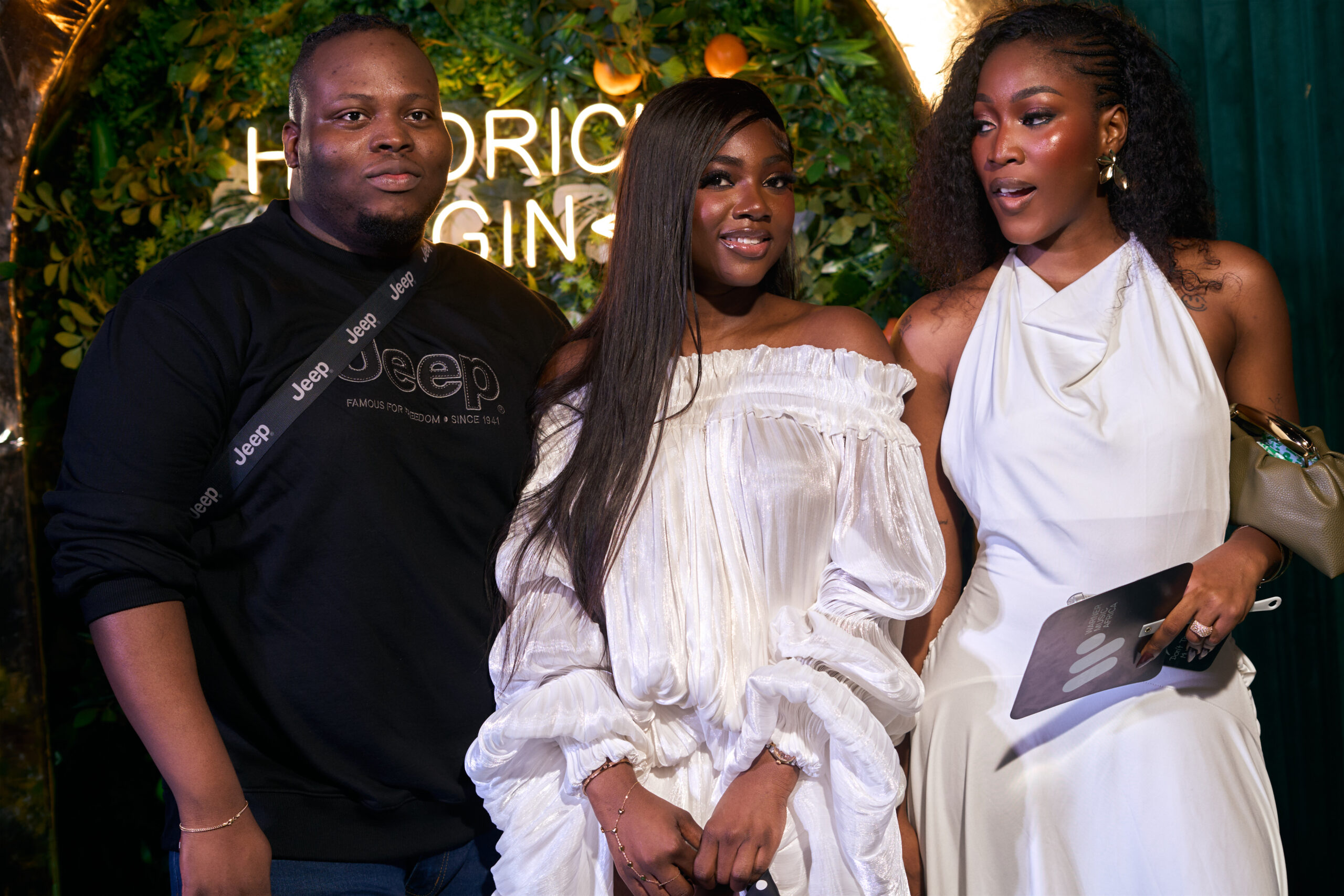
The Music In Africa Foundation (MIAF) is proud of its partnership with the Industrial Development Corporation (IDC) as a Strategic Implementing Partner (SIP) for its Social Employment Fund (SEF). Through this collaboration, MIAF is running a national programme that is creating jobs, addressing skills gaps, and strengthening South Africa's creative industries — in line with the SEF's overarching goal to generate work for the common good and build community value through employment, social contribution, and inclusive economic participation. Operating under the banner NEFCISA (National Employment Facility for Creative Industries in South Africa), the initiative is recruiting and training participants, matching them with host organisations, and has already placed 1 500 workers across the country — surpassing its original target of 1 000. NEFCISA is delivered through a network of 20 host organisations spanning five provinces, who are actively hosting participants and contributing to work for the common good across South Africa's creative and cultural industries. Key Objectives: Support employment and entrepreneurship in the creative industries. Offer skills development and training programmes. Foster partnerships between public and private creative sectors. Promote South African creativity at both provincial and national levels Foster community development through social contribution.

ACCES
ACCES

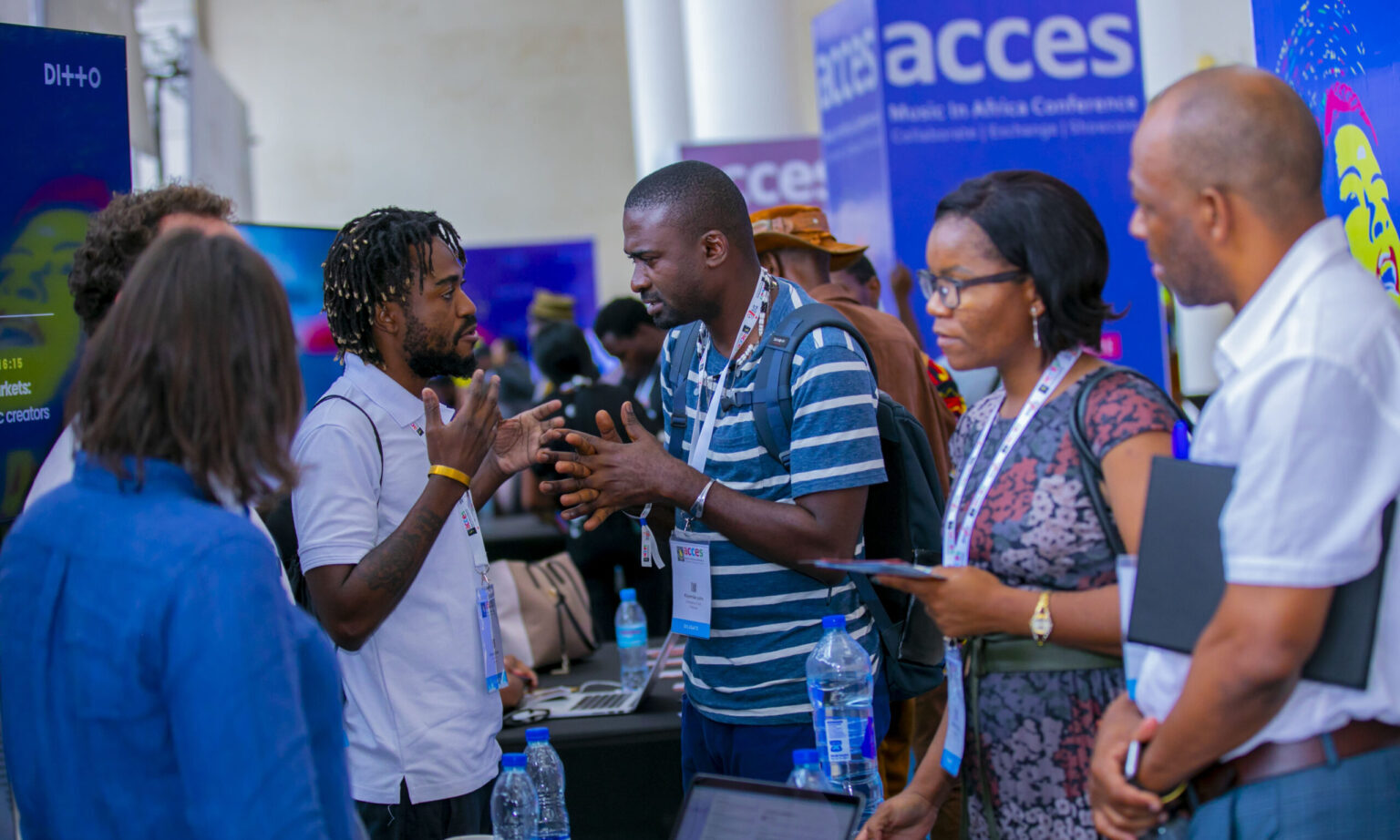
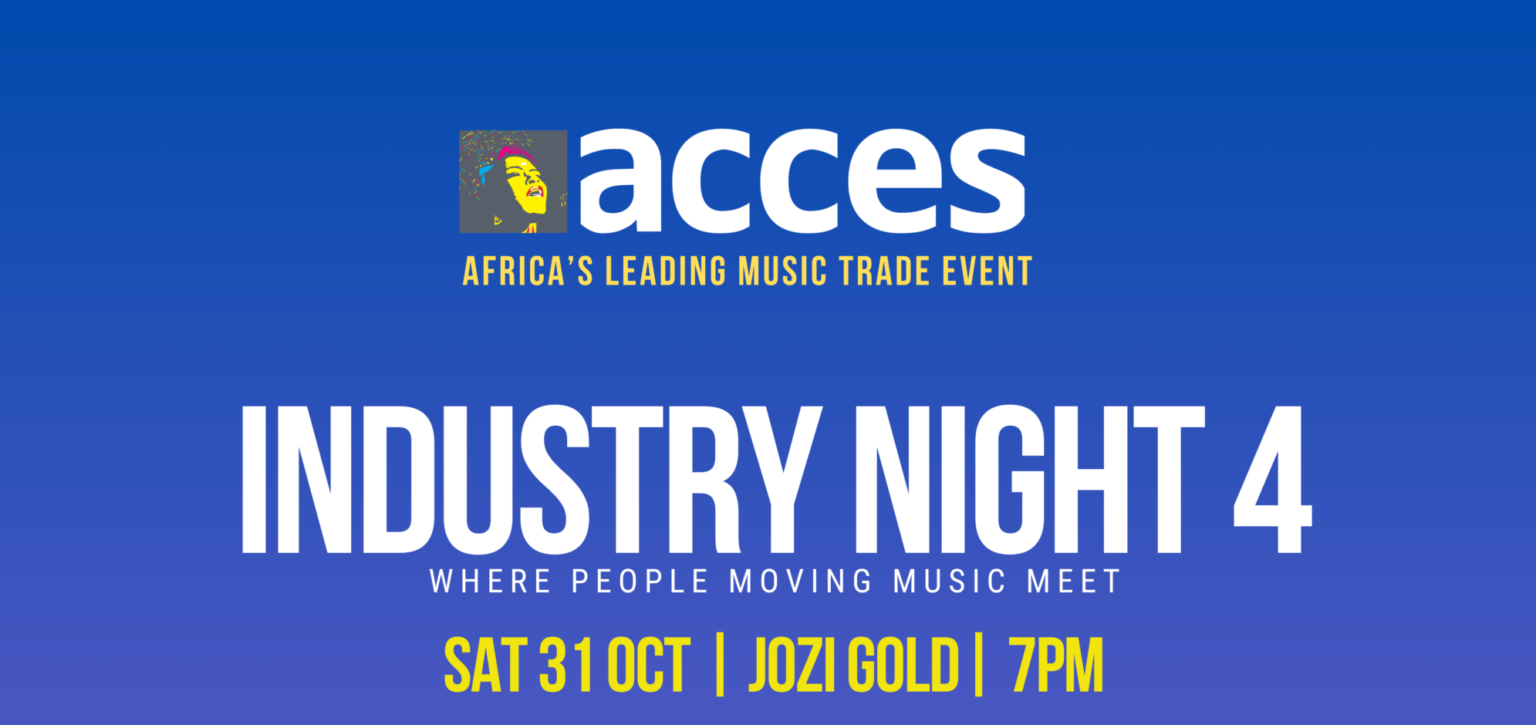
ACCES Conference and Showcase Festival is Africa's leading music industry gathering, bringing together the people shaping the future of the continent's music business. Artists, entrepreneurs, executives, investors, policymakers and cultural leaders from across Africa and around the world come to ACCES to build partnerships, exchange ideas, discover talent and create new business opportunities. Since its launch in 2017, ACCES has become the continent's premier platform for professional exchange and music market development. Combining a high-level conference with a curated showcase festival, networking, exhibitions and industry programmes, ACCES offers a unique space where creativity meets business and where African music connects with the global industry.

Gender@Work
Gender@Work

Music In Africa Gender @ Work is a three-year training programme aimed at upskilling and increasing the participation of female professionals in the African music sector. Launched by the Music In Africa Foundation (MIAF) in April 2019, the programme is connected to the MIAF’s ACCES music conference – a pan-African event held in a different African country every year. This connection enables the programme to reach new participants in a different African country every year. The programme marks the beginning of a more concerted effort by the Foundation to support the participation and inclusion of women in all facets of its programmes and the music sector in Africa as a whole. Over the three years, the programme will aim to address gender imbalances in the sector through training, lobbying, facilitating knowledge exchange and dialogues that foster the interest of women. The broader objectives of the programme are to: Provide industry training for women on critical music industry skills, focusing on: Stage management Electronic music production and recording Music business management Technical knowledge Provide an opportunity for both professional and aspiring women to benefit from the Music In Africa network and its broad range of activities in 2019, 2020 and 2021. Provide a solution-based platform in the form of a round table at ACCES with a view to identify challenges, discuss opportunities and lobby for the interests of female practitioners. Offer participants the opportunity to benefit from programmes offered by MIAF’s partners. Increase access to educational materials. Integrate participants in the broader ACCES programme to maximise experience and exposure to the industry. Record and present training materials on the www.musicinafrica.net, including but not limited to tutorials, templates and other best-practice materials. Communicate women-based themes that support the initiatives and messages of the programme. MAIN TRAINING ACTIVITIES Training in first country (Ghana): In the first year, participants will be trained on all aspects of stage management by a team of experienced stage managers from 10 to 17 November 2019. The programme will offer robust classroom training as well as practical, hands-on training in which participants will also be given the opportunity to manage various aspects of the ACCES performance programme. Training in second country: The second training iteration will take place at ACCES 2020 when the programme will diversify its course to include music production lessons and training on other music business topics. A round-table platform will also be introduced to coincide with the ACCES programme. Training in third country: The third training iteration will take place at ACCES 2021 in a different country, offering an advanced course. HOW DO YOU GET INVOLVED?  As a participant, facilitator or trainer: The programme enrolls up to 12 trainees every year. All opportunities are advertised publicly on this website, and will be added to this page. Please keep checking this page for new calls (below under UPDATES & CURRENT OPPORTUNITIES). As a partner Please contact Claire Metais at [email protected]. APPLY The call for applications for 2020 will be announced soon. The Music In Africa Gender @ Work programme is made possible with the support of the Prince Claus Fund, Siemens Stiftung and Goethe-Institut.

Sound Connects Fund
Sound Connects Fund

For cultural and creative practitioners and organisations operating in southern Africa, access to funding remains a major challenge. The COVID-19 pandemic has also had a massive impact on government policy, spending and the economy in general, and has seen spending on culture being moved further down the list of priorities. Further, the cultural and creative industries repeatedly cite four main areas where investment is needed for growth, which are increased visibility, mobility including access to new markets, finance and support structures.

Instrument Building And Repair Project

Experience the Vibrations African Instruments Exhibition online in 3D

Features

Cathy Matete: There’s no music like reggae

28 Sep 2021 - 12:35

cc-img flag-img

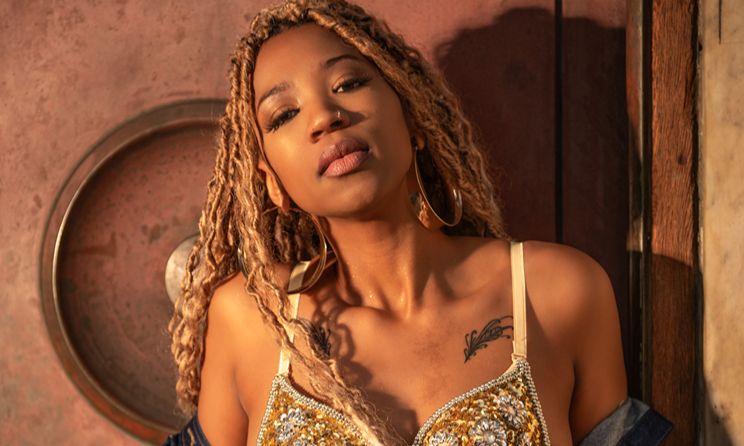
Cathy Matete is a Kenyan reggae musician whose path is materialising rapidly – and with precision. Rather than playing along with the industry’s capricious machinations that enthrone flavour-of-the-day pop artists, Matete’s musical aspirations are in service of a long, sustainable career. She has a knack for staying grounded to build a sturdy foundation for the future.

Cathy Matete.

Matete is among a group of female singers who have contributed to the development and export of Kenyan reggae on the global stage. Her style is lovers rock – a sub-genre of reggae riding on romantic sounds and content. The award-winning singer uses this style of music to empower young people and speak out against human rights abuses. She believes this is the only way of shake up unjust political systems.

Matete has collaborated with Jamaican artist Anthony B on her song ‘Wine Fi You’ and has appeared on various riddims, most notably the Black Vein Riddim featuring Duane Stephenson, Lutan Fyah and Kabaka Pyramid.

We caught up with the musician to learn more about her music and career, particularly after her big win at the 2021 Caribbean Afro Music Awards in the UK, where she was named ‘Best Up N Coming Act’.

LUCY ILADO: Congratulations on your win at the Caribbean Afro Music Awards.

CATHY MATETE: This is a win for me and my fans, the African women in reggae who are doing everything they can to push the sound out of the continent, and the reggae industry. It has come with its blessings, particularly requests for collaboration from reggae artists across the world.

Did you always know that you would do reggae, or was it an interest that you developed later?

My interest in reggae came much later after joining a local reggae band as a backing vocalist. What drew me to it was its positive themes. It draws people to each other, spreading the message of love, equality, justice. There’s no music like reggae.

What got you into making lovers rock?

The lovers rock sub-genre of reggae talks about the literature of the heart. I love talking about love and radiating it. My songwriting is influenced by the likes of Boyz II Men, Erykah Badu, Anita Baker, Beres, Dennis Brown, Alaine and Etana, whose music I grew up listening to.

Which of your songs resonates most with the audience when you perform?

Oh my. It has to be ‘No Retreat’ and ‘Revolution Time’. The first is about love, and who doesn’t want to be loved and sought after? The last tackles police brutality, which we all know has been rampant, and the world is tired of it. I am amazed at the response every time I sing these two songs.

Why the need to bring socio-political commentary into your music?

I am obliged to speak about issues that affect me directly and my community because I’m an artist and in a position of influence.

You are among the few women pushing reggae music in the region. Looking back at when you began, how has the industry evolved to embrace this genre today?

We are now seeing more representation of women and more equal opportunities than in the past. We are being played on mainstream radio. We are booked for a lot of shows, which is encouraging. We also have radio stations that strictly play reggae and promote local content, as well as regular reggae nights at clubs, online radio and podcasts that push African content.

Are there any areas that need streamlining?

The support is always bigger from the outside because the people who influence music here, like radio playlist curators, DJs and promoters, fail to support and push new or existing artists. I would say they need to normalise the research and promotion of new talent.

The offline success of reggae is not reflected in streams. What is the reason for this?

Time, patience and branding. Today, you need a good publisher, agent, public relations and good partners. Artists need to think about developing a brand. Think about selling merchandise and also invest in buying social media ads to promote your work.

The Kenyan reggae industry attracts many musicians from the Caribbean...

Kenya is undoubtedly the hub of reggae in Africa. It’s not just a genre for us, it’s a culture. Kenyans are the biggest critics of music. So, if your song does well here, then it will do well worldwide. We resonate with its positive themes. You should see the youth in their yards dancing and listening to reggae on and off work. We live for the vibe.

Kenya is heading into elections next year. Given the history of post-election violence, what can artists and leaders do to advocate for peaceful elections?

Politicians need to stop spreading false propaganda about their opponents and focus on sharing their vision and manifestos and exactly how they will revitalise the economy. The youth have no jobs, just certificates and no work to do. Also, artists need to collaborate in pushing the agenda of love, not only with the music they create but also in how they engage with the people in power. We must vote for what will propel this country forward.

Any words for those looking to follow in your footsteps?

It takes time to build a career. You have to go through the progression.

Please log in to post a comment.

Most popular

Disclaimer: Music In Africa provides a platform for musicians and contributors to embed music and videos solely for promotional purposes. If any track or video embedded on this platform violates any copyrights please inform us immediately and we will take it down. Please read our Terms of Use for more.

newsletter banner

Subscribe to our monthly Newsletter

Follow us on social media