


























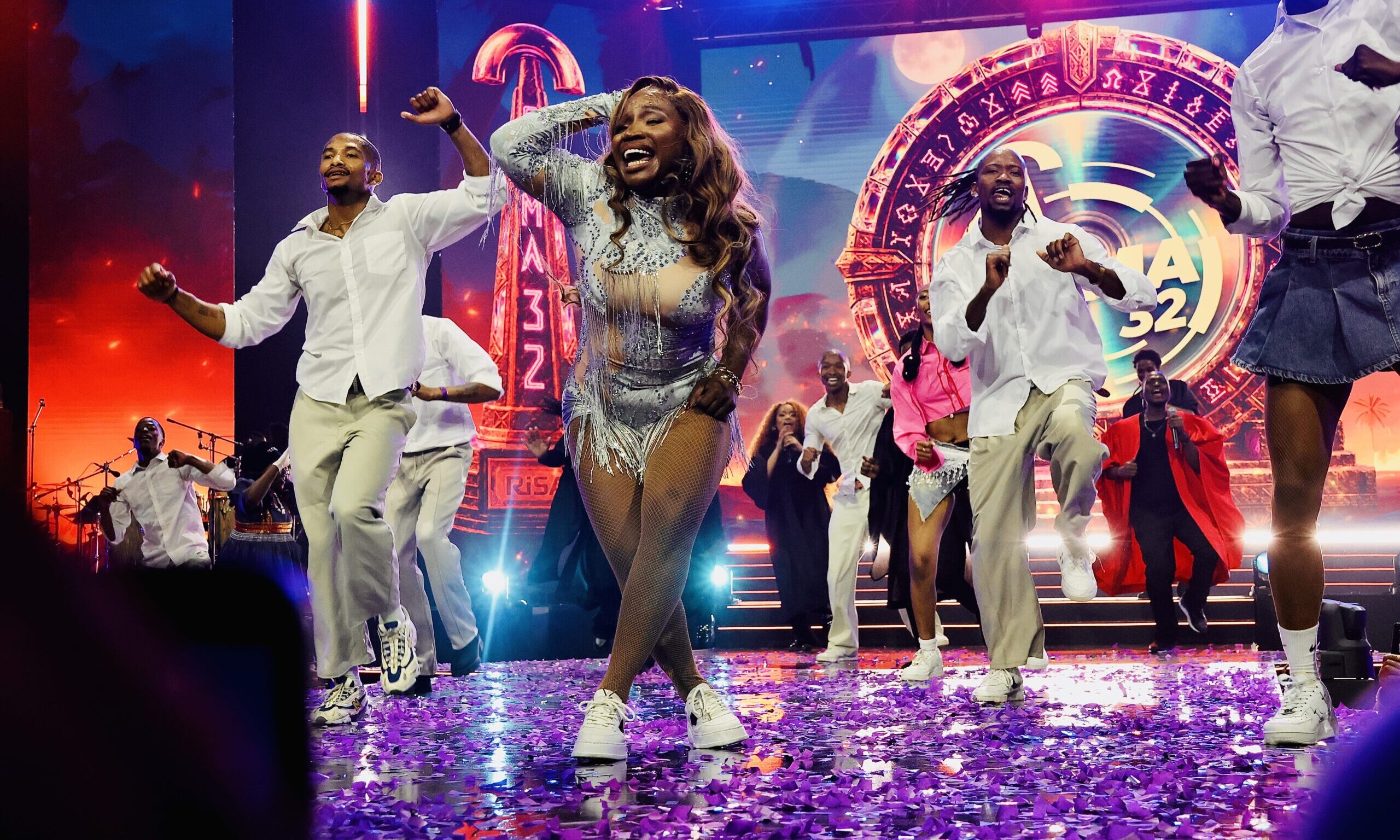
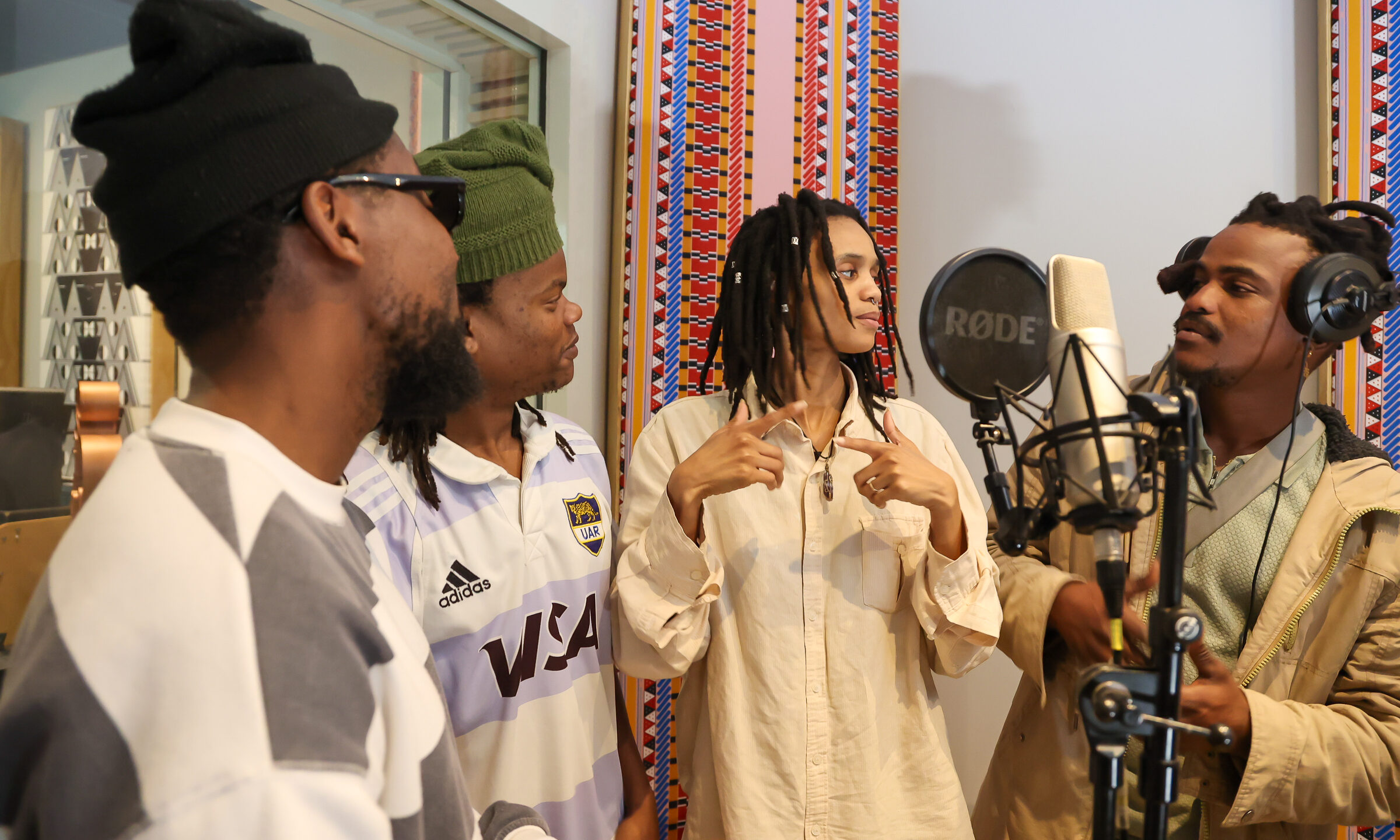























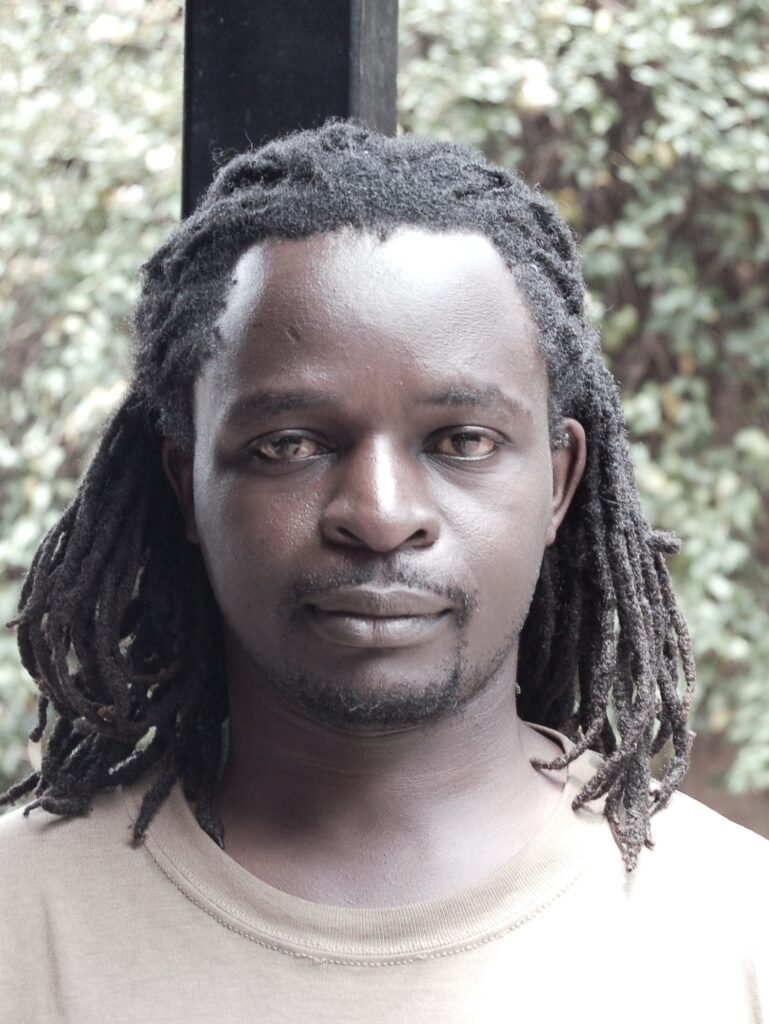


I was recently in Zanzibar to attend the landmark Sauti za Busara Festival and was curious to explore the story of taarab, the distinctly coastal music that has entertained the residents of the East African coast for over a century, and whose influence has grown further inland as far as Rwanda and crossed the Indian Ocean to the Arabian peninsula.
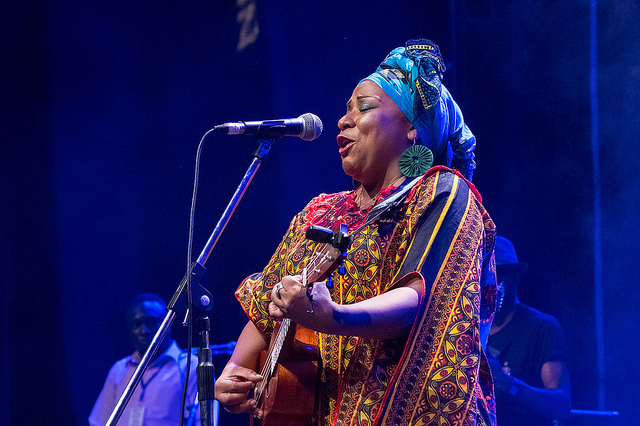
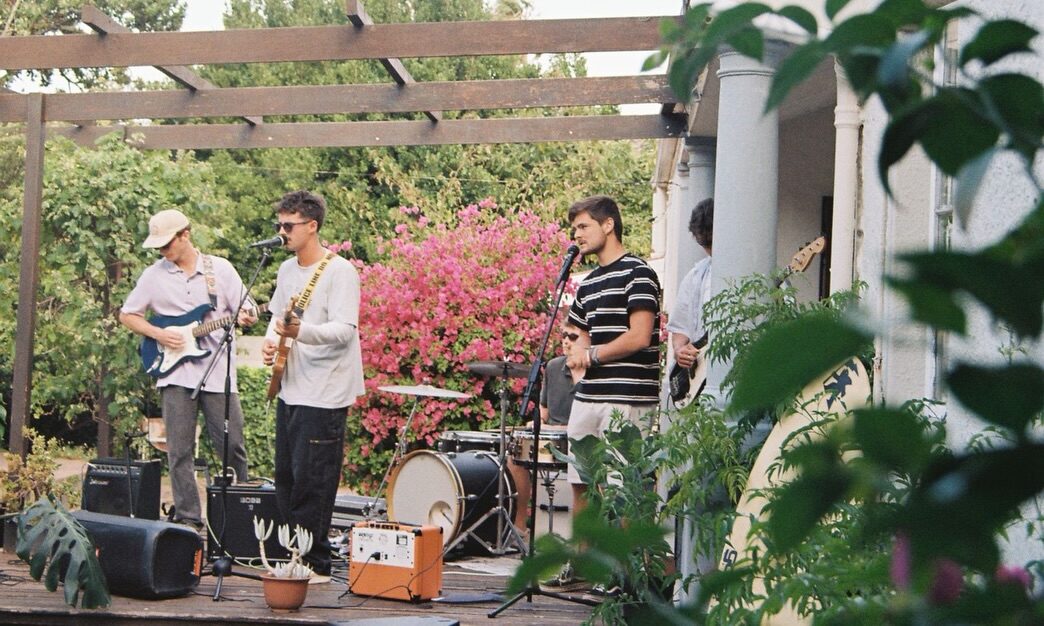
Over the four days that the Sauti za Busara festival lasted there was no doubt that taarab was an important ingredient of the festival activities. There was no day that went by without a taarab act, and going by the response of the audience, this music form is highly respected not just in Zanzibar but in mainland Tanzania and other towns along the East African coast. Among the taarab acts who graced this year’s festival were the iconic Culture Musical Club, UK-based Mim Suleiman, DCMA Young Stars, Kiki Kidumbaki, the Mgodro Group and Mohammed Ilyas & Nyota Zameremeta.
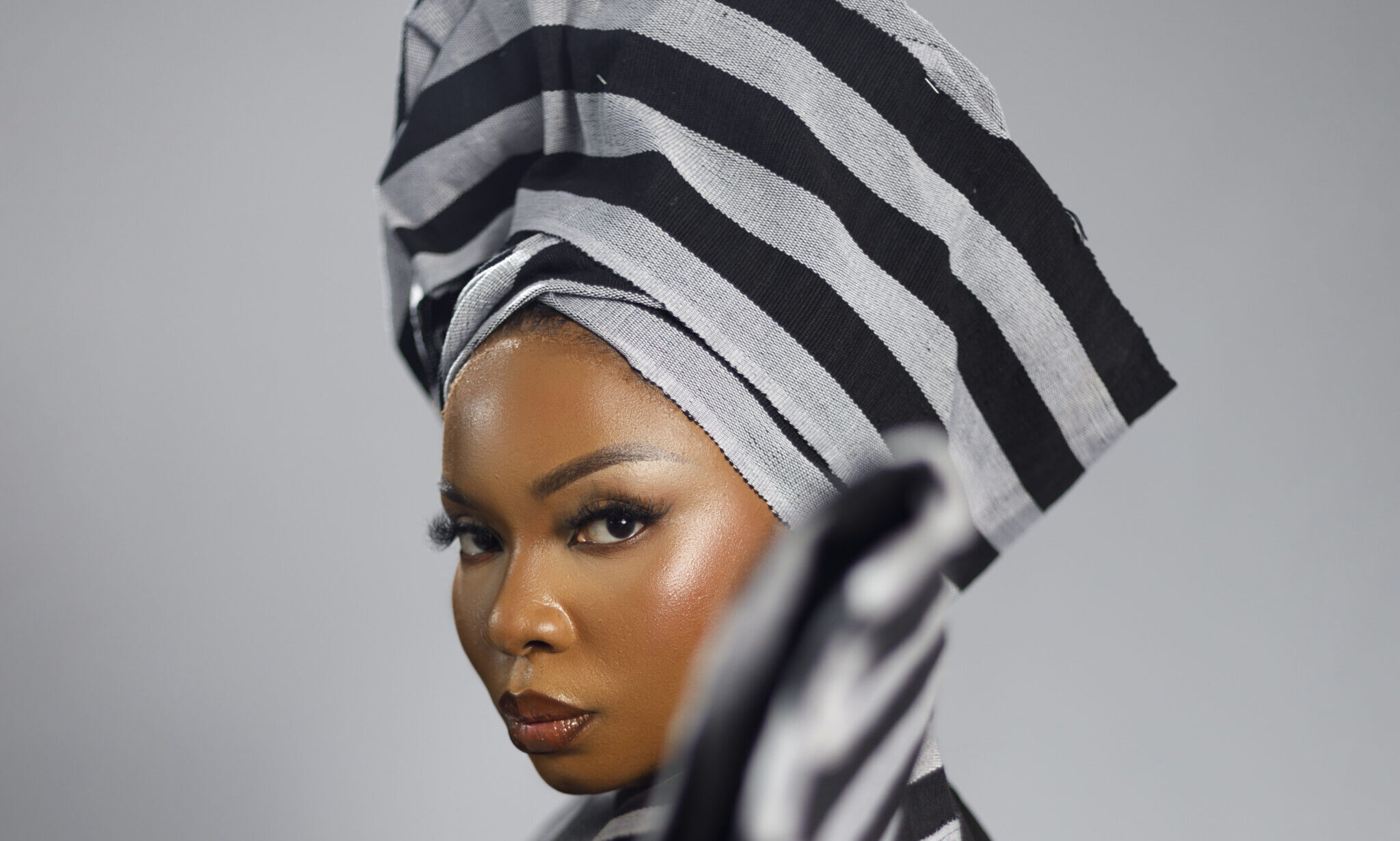
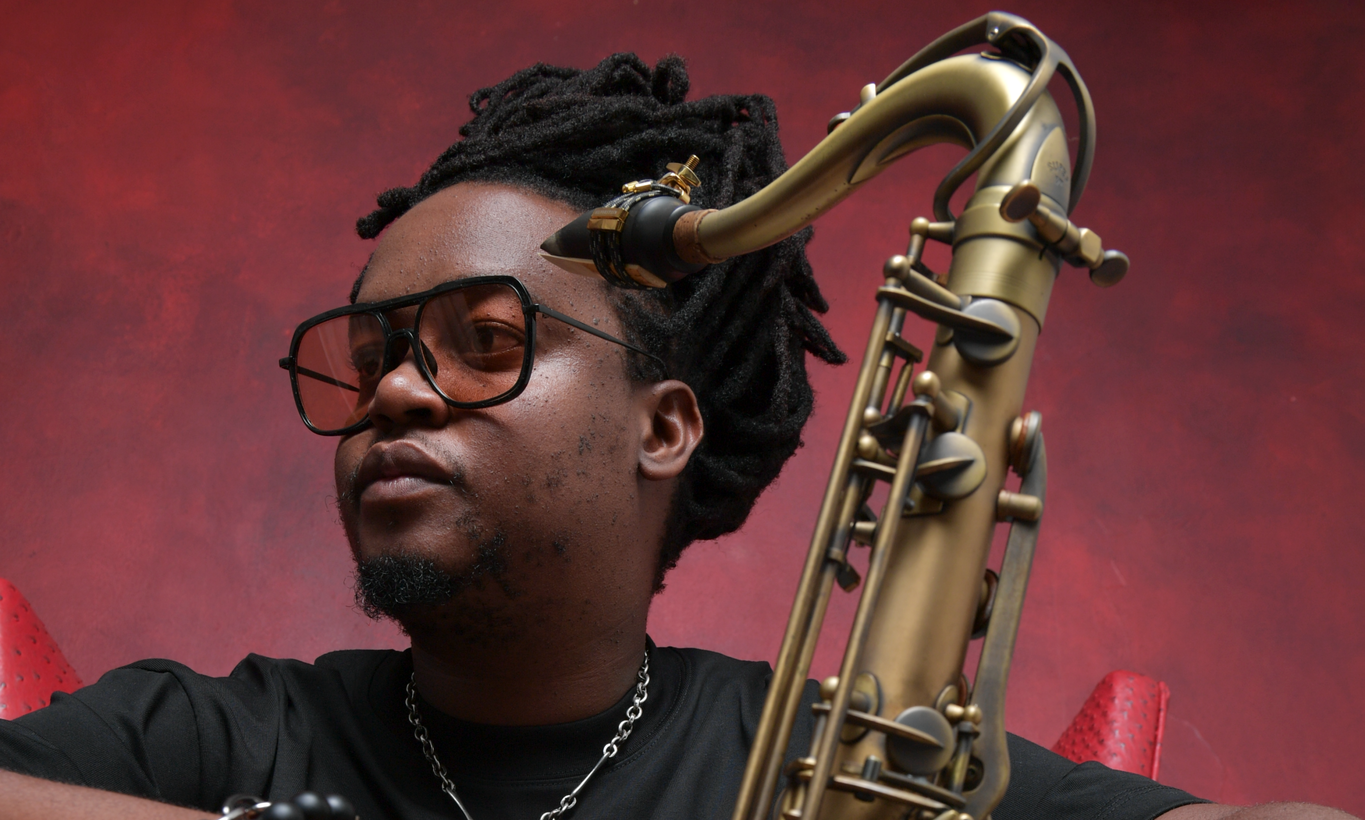
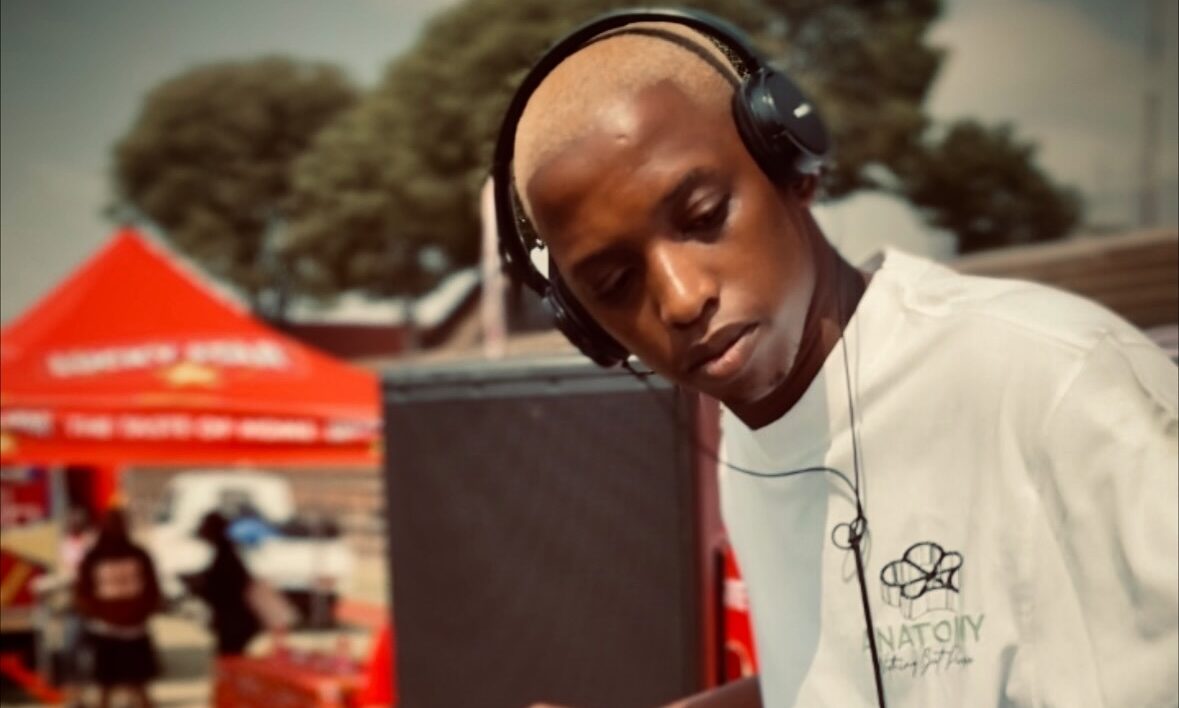
While it was evident that some groups were committed to retaining the music in its traditional form, it was also apparent that there is a crop of younger musicians who have chosen to experiment and chart new courses for taarab. One of them is the Bongo Flava sensation Ali Kiba, who incorporates elements of the music style in some of his latest compositions like Mwana, and who also performed at the festival. Here in Kenya we have Nyota Ndogo, Jua Kali and Prince Adio as some of the pop artistes who have sampled taarab in their music.
Taarab music emerged in Zanzibar over a century ago as court music for the Arab elite. Initially it leaned heavily towards Arabic music, but slowly the native Swahili people, led by Siti Binti Saad, a Zanzibari woman of slave descent, started to ‘Swahilize’ it, borrowing from their native music. As it spread further up the coast towards Mombasa and Lamu it lapped up Indian and Persian influences, spawning emergent stars like Mombasa’s ud virtuoso, poet and singer Zein L’Abdin and Ahmed Sheikh Nabhany, both of whom came from Lamu further up the coast. This experimentation has seen the genre morph into what is now called ‘modern taarab’, a confluence of various styles that defies categorization, but which nonetheless has its roots in the ancient sound that started in Zanzibar’s palaces and palatial residences of the late nineteenth-century.
I was curious about the variations of taarab on display at the Busara festival, specifically the sexually charged kidumbak and the illicit unyago that earned the late legendary taarab star Bi Kidude friends and foes in equal measure. I wondered what the town’s predominant religion, Islam, had to say about it.
According to Iddi Suwedi, one of the event’s judges and a former taarab player with the Culture Musical Club, the religious authorities were naturally opposed to the explicit dances and discouraged their adherents from participating in them. But then, somehow, they were unable to stop them. They had a strong audience, as exhibited at the sensational Kiki Kidumbaki shows that were staged at the festival, where fans demanded specific songs and expressed their displeasure openly when they were not played.
“These dances were traditionally designed to be performed in private to an adult audience,” said Iddi. “They were not just performed for pleasure, but were an avenue to pass important messages for adults, especially those touching on personal relationships. Often they were naughty and provocative, but they were masterfully composed, lending the lyrics to be interpreted in multiple ways. For instance a man or a woman could be expressing their love for or displeasure at someone in the audience. To a casual listener it wouldn’t be apparent. It is only the target who could discern the subtle personal hints that the singer intimated at. However, sometimes, like with the illicit unyago tradition, the lyrics could be openly confrontational and even insulting.”
For these reasons the performances required a mature audience and were restricted to late hours after the children had gone to bed. But nowadays that is no longer the case, thanks mostly to commercialization that has seen musicians dispense with the rules and traditions and take the show from the bedroom to the public arena in a bid for quick stardom.
“The one instrument that has ruined taarab is the electronic keyboard,” said Iddi. “When the modern taarab musicians did away with the traditional taarab instruments and introduced the keyboard and synthesizers they ruined the flavor.”
According to another Zanzibar native Said Bhai, emergent musicians should be allowed to experiment with fusions of taarab. “The situation is like this,” he said in an interview at Forodhani Gardens, “those musicians who do bongo flava for instance make use of taarab musicians; on the other hand the taarab musicians make use of the bongo flava musicians. This shows that if we insist on taking taarab back to the source we’ll be creating a conflict. You will create misunderstanding between these two sides.”
According to him, traditional taarab should remain the way it is, the same as bongo flava taarab. He believes the only way to achieve forward mobility is to strike a compromise between the two.“Insisting on taking taarab back where it started will be a very difficult thing that will have so many challenges,” he said. “Doing that will place bottlenecks in the way of emergent musicians. We should have a clear divide and allow this modern taarab to grow and sire new forms, just like parents look forward to their grandchildren.”
Said is a carpenter and musician specializing in making the quanun, a taarab instrument that is native to Turkey and Egypt, and which is slowly making headway in taarab music on the island. He is the only maker of that instrument in Tanzania.
If the sentiments are anything to go by, then we are likely to see even more innovation on this musical genre that has entertained the coastal residents of East Africa for over a century.


Most popular

Call For Applications : ACCES seeks a UK-based performer
10 Sep 2026

Top amapiano songs of 2026
16 Feb 2026

Top Afrobeats songs of 2026
19 Mar 2026
AFRIMA 2026: All the winners
12 Jan 2026
Open call: Goethe-Institut grants for Southern African creatives
08 Sep 2026
Open call: Ernst von Siemens Music Foundation 2026 funding programmes
04 Sep 2026
Open call: FAME Week Africa, Pressure Cooker Studios songwriting camp
09 Sep 2026
Disclaimer: Music In Africa provides a platform for musicians and contributors to embed music and videos solely for promotional purposes. If any track or video embedded on this platform violates any copyrights please inform us immediately and we will take it down. Please read our Terms of Use for more.

Subscribe to our monthly Newsletter
Follow us on social media


Please log in to post a comment.