



















































Cultural warrior Thomas Chauke honoured with presidential order
03 May 2016 - 12:42


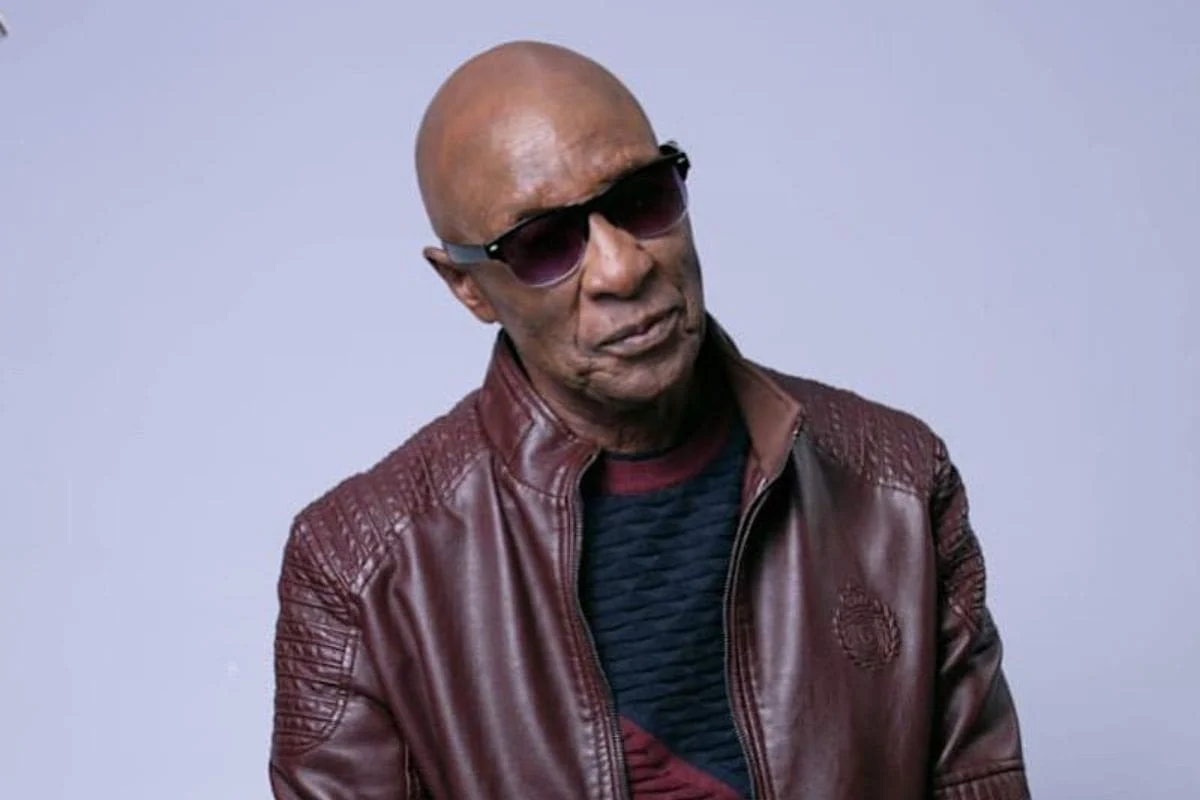
South Africa's King of Tsonga music, Dr Thomas Hasani Chauke, has been at the forefront of his genre for close to four decades - and he doesn’t seem to be slowing down.
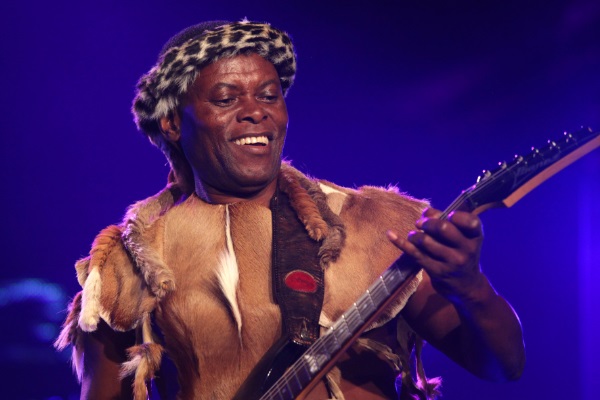
In fact, his trademark hypnotic sound – the electric guitar and the angelic voices of his female backers – appears to be getting better with the release of every album.
Chauke has earned a unique place in South African traditional music as a trailblazer. On Thursday 28 April, he was one of the South Africans rewarded for their remarkable achievements in various fields. Chauke received the Order of Ikhamanga in silver for his “contribution to the development and promotion of Xitsonga traditional music in the country”.
Despite the string of accolades and awards he has received in a 36-year career, Chauke says he never imagined being honoured with a presidential award. “It’s simply unbelievable. I never thought of that,” he says. “I thank people who have nominated me for this accolade. It’s special because it’s recognition of the fact that I have put the Tsonga people on the map.”
With a record release of 36 albums that neatly match his 36 year reign as the undisputed king of Tsonga traditional music, he has achieved phenomenal sales of over three million copies. All his albums have achieved gold, platinum or double platinum status. “My third album Shimatsatsa No.2 achieved double gold within a month of its release,” he said. It was only Shimatsatsa No.1 that took a while to achieve gold. I suppose that’s because the music was still new and few were familiar with it.”
His professional career as a recording artist started in 1980 at the Gramophone Records Company (GRC), a Gallo subsidiary. He was an unknown artist when he arrived there and his intention to record Tsonga music was greeted with scepticism by hardnosed recording executives. But even in those early years he had credentials he could use to persuade the music moguls to give him a recording deal – a merit certificate from Radio Tsonga (now Munghana Lonene).
Eventually, GRC boss Hamilton Nzimande agreed he could record a single but he was so impressed by his sound in the rehearsal studios, he approved a full album. The album was not an instant success but producer Thomas 'Makhul’endleleni' Motshwane had faith in his abilities and left with him when he joined rival company, Tusk. It was at Tusk that he experienced the first phase of his golden years, with Motshwane as his mentor and producer. “I am grateful to the late Mr Motshwane. He taught me a lot about the industry but, after eight years together, we eventually went our separate ways,” he recalls.
Tusk assets eventually became Gallo property and Chauke and his Xinyori Sisters stayed with them until he joined EMI in 1994. It was also in 1994 that he began to collect SA Music Awards statuettes in the traditional music category, only conceding defeat twice – to his son Themba Chauke and rival George Maluleke. He achieved the same golden success after the inauguration of the SA Traditional Music Awards, as well as a certificate of recognition from then KwaZulu-Natal premier Sbu Ndebele.
Munghana Lonene has been consistent in supporting Chauke’s career over the years and has bestowed on him 10 merit awards for his contribution to Tsonga culture, as well as a Lifetime Achievement Award. The Limpopo provincial government and the Greater Tzaneen Municipality have also honoured him. The University of Limpopo recognised him with an honorary doctorate for using culture as a nation building tool. The honour inspired the title of his 2012 album, Dokodela.
Born in 1952 in Saselamani village in Giyani, Limpopo, he left school at an early age to respond to his calling as a musician. “I used to visit drinking places not to drink but to listen to the singing of patrons. I enjoyed their singing of traditional Tsonga music so much that I even taped them. But when I started singing, I wrote my own music. Songs come to me in dreams and all I have to do is share them with people as prophetic teachings. I hardly write music from personal life experiences, although my music directly speaks to the experiences of people in this world.”
Chauke’s music addresses everyday social and moral concerns. His love of the guitar was evident from an early age when he crafted one out of tin. He later acquired a conventional guitar and got his first lessons from an uncle Daniel Makhuva Chauke. He later switched to the electric guitar, which defines his striking sound.
Despite his popularity in South Africa and countries such as Zimbabwe, Botswana, Lesotho, Mozambique, Malawi, Zambia and Uganda, Chauke still has to showcase his talent on world stages. “I believe there is a time for everything and I pray that one day I will get the chance to travel and share my music with the rest of the world. After all, music is a universal language that transcends racial, ethnic and cultural barriers.”
Career highlights
- 1980 – launches his professional music career with the release of a 10-track album titled Nyoresh under Gallo.
- 1994 – starts the trend of Chauke being a perennial winner at the SAMA awards when he scoops his first in the Tsonga traditional music category.
- 2000 – marks his 20th anniversary in the music industry with the release of Shimatsatsa No.20: Magidi-Mbirhi.
- 2007 – receives a Lifetime Achievement Award from Munghana Lonene FM for his pioneering contribution to Tsonga traditional music.
- 1999 – builds his own recording facility, Shahumba Studios.
- 2010 – receives an honorary doctorate in philosophy from the University of Limpopo. He also records his 30th album Shimatsatsa No.30: Jehovah.
- 2012 – Thomas Chauke Na Xinyori Sisters win another award at the SA Traditional Music Awards ceremony held on 27 October in East London.
- 2013 – He receives MTN SAMA 19 Lifetime Achievement Award.
- 2014 – Munghana Lonene honours him with a new award category, Dr Thomas Chauke Album of the Year.
- 2015 – Honoured with a Lifetime Achievement Award at the Samro Wawela Music Awards.
Originally published on 29 April 2016 in the African Independent.


Most popular

Top amapiano songs of 2026
16 Feb 2026

Call for applications: ACCES 2026 Emerging Artist Spotlight Competition
01 Oct 2026

Top Naija songs of 2026
31 Mar 2026
Open call: 2026 Gender@Work music industry training in Johannesburg
03 Oct 2026

Top Afrobeats songs of 2026
19 Mar 2026
AFRIMA 2026: All the winners
12 Jan 2026
Disclaimer: Music In Africa provides a platform for musicians and contributors to embed music and videos solely for promotional purposes. If any track or video embedded on this platform violates any copyrights please inform us immediately and we will take it down. Please read our Terms of Use for more.

Subscribe to our monthly Newsletter
Follow us on social media


Please log in to post a comment.