










































NEFCISA
NEFCISA

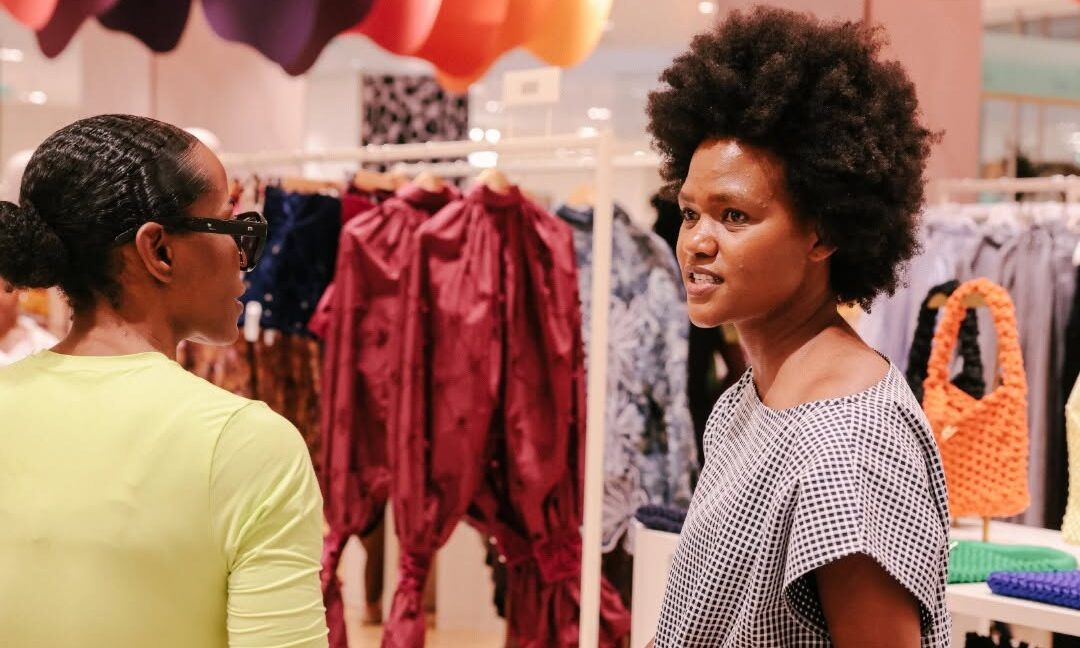
The Music In Africa Foundation (MIAF) is proud of its partnership with the Industrial Development Corporation (IDC) as a Strategic Implementing Partner (SIP) for its Social Employment Fund (SEF). Through this collaboration, MIAF is running a national programme that is creating jobs, addressing skills gaps, and strengthening South Africa's creative industries — in line with the SEF's overarching goal to generate work for the common good and build community value through employment, social contribution, and inclusive economic participation. Operating under the banner NEFCISA (National Employment Facility for Creative Industries in South Africa), the initiative is recruiting and training participants, matching them with host organisations, and has already placed 1 500 workers across the country — surpassing its original target of 1 000. NEFCISA is delivered through a network of 20 host organisations spanning five provinces, who are actively hosting participants and contributing to work for the common good across South Africa's creative and cultural industries. Key Objectives: Support employment and entrepreneurship in the creative industries. Offer skills development and training programmes. Foster partnerships between public and private creative sectors. Promote South African creativity at both provincial and national levels Foster community development through social contribution.

ACCES
ACCES

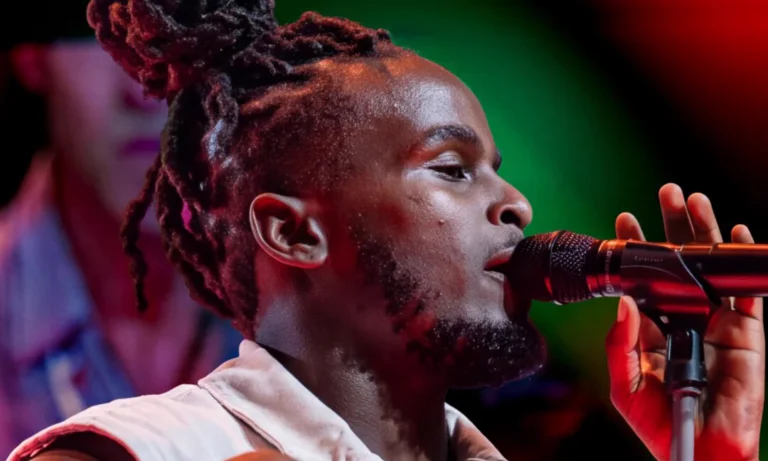
ACCES Conference and Showcase Festival is Africa's leading music industry gathering, bringing together the people shaping the future of the continent's music business. Artists, entrepreneurs, executives, investors, policymakers and cultural leaders from across Africa and around the world come to ACCES to build partnerships, exchange ideas, discover talent and create new business opportunities. Since its launch in 2017, ACCES has become the continent's premier platform for professional exchange and music market development. Combining a high-level conference with a curated showcase festival, networking, exhibitions and industry programmes, ACCES offers a unique space where creativity meets business and where African music connects with the global industry.

Gender@Work
Gender@Work

Music In Africa Gender @ Work is a three-year training programme aimed at upskilling and increasing the participation of female professionals in the African music sector. Launched by the Music In Africa Foundation (MIAF) in April 2019, the programme is connected to the MIAF’s ACCES music conference – a pan-African event held in a different African country every year. This connection enables the programme to reach new participants in a different African country every year. The programme marks the beginning of a more concerted effort by the Foundation to support the participation and inclusion of women in all facets of its programmes and the music sector in Africa as a whole. Over the three years, the programme will aim to address gender imbalances in the sector through training, lobbying, facilitating knowledge exchange and dialogues that foster the interest of women. The broader objectives of the programme are to: Provide industry training for women on critical music industry skills, focusing on: Stage management Electronic music production and recording Music business management Technical knowledge Provide an opportunity for both professional and aspiring women to benefit from the Music In Africa network and its broad range of activities in 2019, 2020 and 2021. Provide a solution-based platform in the form of a round table at ACCES with a view to identify challenges, discuss opportunities and lobby for the interests of female practitioners. Offer participants the opportunity to benefit from programmes offered by MIAF’s partners. Increase access to educational materials. Integrate participants in the broader ACCES programme to maximise experience and exposure to the industry. Record and present training materials on the www.musicinafrica.net, including but not limited to tutorials, templates and other best-practice materials. Communicate women-based themes that support the initiatives and messages of the programme. MAIN TRAINING ACTIVITIES Training in first country (Ghana): In the first year, participants will be trained on all aspects of stage management by a team of experienced stage managers from 10 to 17 November 2019. The programme will offer robust classroom training as well as practical, hands-on training in which participants will also be given the opportunity to manage various aspects of the ACCES performance programme. Training in second country: The second training iteration will take place at ACCES 2020 when the programme will diversify its course to include music production lessons and training on other music business topics. A round-table platform will also be introduced to coincide with the ACCES programme. Training in third country: The third training iteration will take place at ACCES 2021 in a different country, offering an advanced course. HOW DO YOU GET INVOLVED?  As a participant, facilitator or trainer: The programme enrolls up to 12 trainees every year. All opportunities are advertised publicly on this website, and will be added to this page. Please keep checking this page for new calls (below under UPDATES & CURRENT OPPORTUNITIES). As a partner Please contact Claire Metais at [email protected]. APPLY The call for applications for 2020 will be announced soon. The Music In Africa Gender @ Work programme is made possible with the support of the Prince Claus Fund, Siemens Stiftung and Goethe-Institut.

Sound Connects Fund
Sound Connects Fund

For cultural and creative practitioners and organisations operating in southern Africa, access to funding remains a major challenge. The COVID-19 pandemic has also had a massive impact on government policy, spending and the economy in general, and has seen spending on culture being moved further down the list of priorities. Further, the cultural and creative industries repeatedly cite four main areas where investment is needed for growth, which are increased visibility, mobility including access to new markets, finance and support structures.

Instrument Building And Repair Project

Experience the Vibrations African Instruments Exhibition online in 3D

Features

Felabration: The search for a new Fela continues

20 Oct 2016 - 23:18

cc-img flag-img

By IfeOluwa Nihinlola

The Afrika Shrine in Lagos was filled on the night of what would have been Fela Kuti’s 78th birthday. 
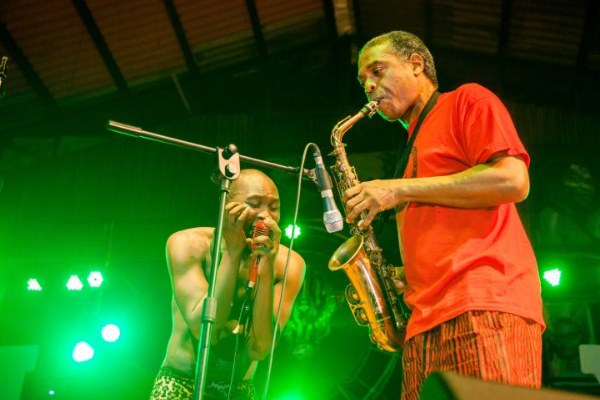
Femi ans Seun Kuti performing at Felabration. Photo: Ayo Akinwande

Outside the gates, where the festival spirit was very alive, a group of men moved around playing gangan and omele for guests to dance to. Inside the shrine, many jostled for seats, ordering drinks, and an eyo masquerade impersonator was serenading the guests.

It was October 15, the sixth night of Felabration 2016, themed ‘Everybody Say Yeah Yeah’. The space between the crowd and the roof was hazy — the combined effect of the stage lights and lit blunts blowing smoke into the air.

Seun Kuti was going to perform, but first a lineup of artists prefaced his act, starting properly with the Beninese Gangbé Brass Band. Femi Kuti brought the distracted crowd to attention as he accompanied the band to ‘Yoruba Ronu’. The crowd noticed, raising their fists as he played.

The acts that followed — Waje, Bez, Nneka — were a diverse trio, paying homage to Fela in their different ways. Of the three, Nneka’s beautifully plaintive voice — forced to close to screaming due to an underperforming sound system — was closest to Fela’s protest spirit as she sang, “Where did we go wrong?” But it was Seun Olota, joined by Akorede Sax, who brought the first explicitly Fela-like performance: Afrobeat, dancing back-up singers jiggling their butts to the crowd, and a full syncopating band.

Akorede Sax sang Fela’s ‘Zombie,’ stomping and twisting as he moved up and down the stage, and the crowd watched on with subdued interest.

Fela’s protest was more than the sound and words of his music. His was a life of protest, an iconoclast whose very existence became synonymous with a resistance to oppressive power. When the MCs — Emperor Jagz (formerly Jesse Jagz), Seriki, Vector, and others — took to the stage and started to rap, the crowd was roused. They joined in the chorus because this is what they connect with. Same happened when the DJ took over between acts and the anchor Omo Baba, a comedian, led the crowd in singing various hits. Olisa Adibua, who puffed on a cigar as he introduced the younger MCs, later joined Omo Baba. Hedonism, not protest, is the spirit of the times.

Seun Kuti and the Egypt 80 band finally took to the stage in the early hours of the morning, and here the crowd got as close as it would to Fela. He sang, played the saxophone, and writhed on stage like an earthworm touched by salt. A blunt was thrown to him and he lit it after thanking whoever rolled it. Taking a long pause, he delivered a lecture on the state of the country, trying to wake up the crowd to the injustice we face.

Sometimes the crowd hailed him and danced along. Other times they watched, content to gaze on the chest glistening with sweat and his tight leopard print trousers, reflections of the one whose birthday they had come to celebrate.

As Seun started ‘Higher Consciousness,’ two ladies by the stage connected the ends of their cigarettes, passing on the light. Seun later called out the king of Afrobeat, Femi Kuti, and the audience came alive again, roused by the latter's saxophone.

In Femi’s instrument lies the purest distillate of Fela’s music: a sound almost descending into chaos but with enough form to push a crowd to ecstasy. And as the night of Fela’s birthday passed, the wait for this age’s Fela continues. Maybe the question of conscious music is never going to be answered in this generation, at least not in the way many want it to be.

The country is due for a rapper who asks for something other than sex, a Fela who can spit on 16s. Someone to connect the blunt force of his skill with Fela’s fire, but then Nneka has tried to rouse the consciousness of her compatriots without enough attention.

As long as the people have Fela’s image, his sons, and his Shrine, they’ll continue this search. Yet whatever happens — whether they find the new age Fela or not — the show will go on.

Please log in to post a comment.

Most popular

Disclaimer: Music In Africa provides a platform for musicians and contributors to embed music and videos solely for promotional purposes. If any track or video embedded on this platform violates any copyrights please inform us immediately and we will take it down. Please read our Terms of Use for more.

newsletter banner

Subscribe to our monthly Newsletter

Follow us on social media