






















































The recently held 16th edition of MTN Bushfire affirmed yet again its status as one of the most significant music celebrations in Southern Africa, with more than 20 0000 fans attending the event in the scenic farmlands of eSwatini’s Malkerns Valley. Founded in 2006, the festival attracted a record attendance of fans from different countries to the small landlocked mountain kingdom.
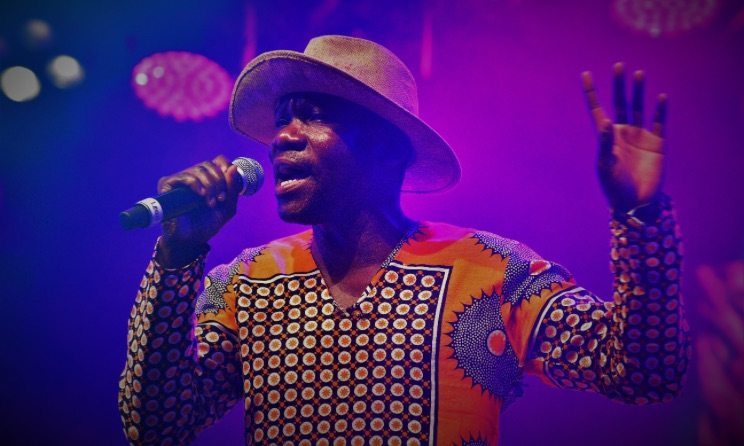
Mokoomba. Photo: Jonathon Reese
Festival director Jiggs Thorne and his two brothers co-own the farm where the festival is held. As a first-time visitor to the event, I travelled from Johannesburg to eSwatini’s Hhohho Region on 25 May – Africa Day. Upon arrival, a host of tents, food stalls, security barriers, and car-park demarcations were already set up outside the main festival arena, where various activities would take place. My arrival coincided with the EU Bushfire Schools Festival, which seeks to strengthen the national arts curriculum in eSwatini’s public schools by offering creative performances, workshops and outreach programmes.
Tourism and employment
There is no doubt that Bushfire is the most important source of tourism in eSwatini from an entertinament perspective. Awarded the Best Sustainable Event Award at the 2017 African Responsible Tourism Awards, the festival attracted fans from South Africa, Lesotho, Mozambique, Zimbabwe, Zambia, Malawi, Germany, the UK, US, Australia, Brazil, Germany and more.
The event provided employment to nearly 1 500 locals in logistics, sound, stage management, trading and general labour, the organisers said. While the school festival was underway, Simon Dawson, MTN Bushfire’s communications officer, took me on a tour of the festival grounds, explaining each activity and how the event had played a significant role in supporting the country’s creative economy. Since eSwatini has high levels of poverty and unemployment, the event’s benefits are largely short-term, but Dawson pointed out that the traders could sustain their families for three or four months after the event.
Corporate support and roundtable discussions
MTN eSwatini is the biggest sponsor of Bushfire. The festival also receives support from FNB, MTV Base, BET and Ballantine’s, and enjoys partnerships with the Music In Africa Foundation, USAID, United Nations eSwatini, Amstel, Sibebe Premium Lager, Steers, Coca Cola, the European Union and eSwatini Air, among others. There was significant engagement between fans and brands at the festival, which demonstrated that the private sector is playing an important role in shaping the local creative industry.
The festival featured a variety of platforms for discussions, poetry, comedy, workshops, art exhibitions and music performances – held at the MTN Bushfire Main Stage, the House on Fire Amphitheatre and the Ballantine’s Firefly Stage. There were also DJ performances at the Jägermeister and Meisterhaus stages. As part of the festival’s #ShareYourFire activation, a part of every ticket purchase goes towards supporting the Young Heroes NGO, whose partnership with Bushfire dates back to the first edition of the festival.
The festival kicked off on 26 May with the Arts Round Table panel discussions organised in partnership with the Africa Rising Music Conference (ARMC). The panels were aimed at empowering and creating bridges between artists and music executives, with industry professionals from Zimbabwe, Germany, eSwatini and the UK exploring ways to alleviate the challenges in facilitating connections between Africa and Europe.
Some of the topics discussed during the round table included A Gateway Into GSA (Germany, Switzerland and Austria), Empowering Female Voices and Music Journalism and Its Influence. Of significant importance was the Creating Synergies: Facilitating Brand-Event Exchange topic, which featured Thorne, Music In Africa Foundation deputy chairperson Marcus Gora, WOMEX’s Gaurav Narula and WISE Conference’s Philipp Grefer.
Gora took the opportunity to tell the attendees about the role that the Music In Africa Foundation plays to support the African music sector through knowledge exchange and fostering collaborations via different projects like the pan-African ACCES music conference.
“It is very important that there are a number of conferences that allow to leverage opportunities in the same way ACCES does,” he said. “ACCES was designed to move from city to city, which allows the event to be in different regions, and the dynamic is that we get to represent more voices and get more people to participate. We seek to formulate ways to fund mobility for artists and bands to be able to showcase. Apart from being a journalistic platform, Music In Africa also provides funding opportunities for artists and professionals around Africa. There is also funding that comes through Music In Africa to support specific projects. The Sounds Connects Fund is a good example of funding that has really been spread wide to different projects and recipients to try and bring more support for projects.”
In a music industry like eSwatini’s, where regional and diaspora collaborations are scarce, the ARMC-Bushfire partnership proved essential, with local artists voicing their concerns about the lack of corporate sponsorships and support for Swazi musicians. The concerns are similar to those that arose when MTN eSwatini cancelled its support for the Swaziland Music Awards, a vital recognition platform in the country that hasn’t been held since 2021. Local musicians now rely solely on the Social Media Awards and Gospel Awards, whose impact on the local music scene remains undefined.
Amazing performances and the power of CollaboNation
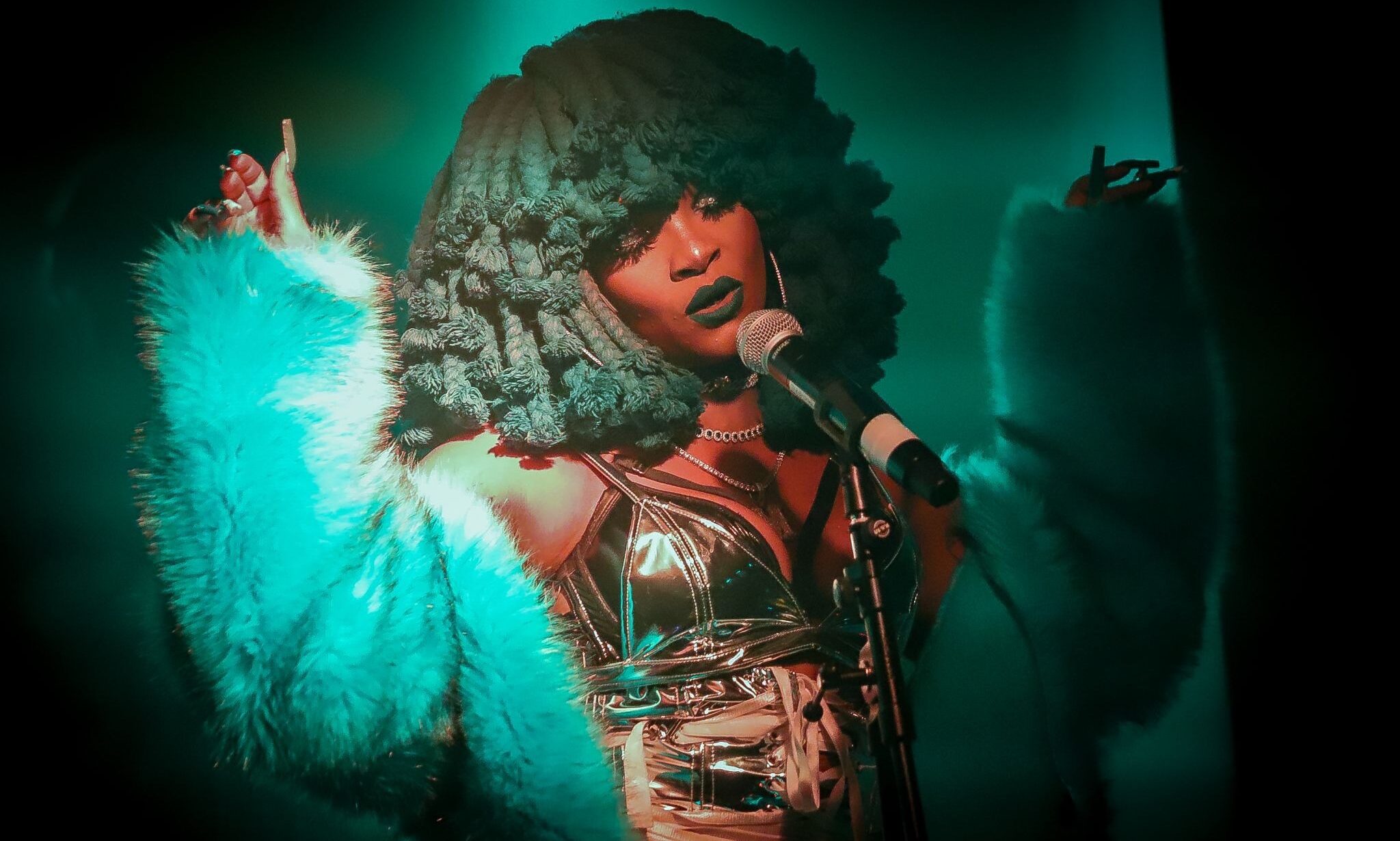
Festivalgoers were spoilt for choice at MTN Bushfire’s stages, where all kinds of genres were on display, including, amapiano, gqom, hip hop, Afro-tech and traditional, among others. In addition to being culture-inclusive, the performances gave fans good value for their money, with Mokoomba (Zimbabwe), Qibho Intelektual (eSwatini), Desmond & The Tutus (South Africa), Kabza De Small (South Africa), Black Motion (South Africa), Jack Parow (South Africa) and Sho Madjozi (South Africa) giving exhilarating sets. Other noteworthy performances came from Ami Faku (South Africa), Ghorwane (Mozambique), Megatronic (UK), Tamika, (eSwatini), Stogie T (SA) and Velemseni (eSwatini).
House on Fire’s CollaboNation project, supported by the Music In Africa Foundation’s Sound Connects Fund (SCF), also took centre stage, with the selected pairings, Thobile Makhoyane (eSwatini) and The Hood Brodz (Mozambique) as well аs Mokoomba and Morena Leraba (Lesotho), combining their talents to deliver amazing performances. The Sound Connects Fund is a multifaceted initiative designed to accelerate development and increase the capacity of the cultural and creative sectors in nine Southern African countries, namely Angola, Botswana, eSwatini, Lesotho, Malawi, Mozambique, Namibia, Zambia and Zimbabwe.
Throughout the event, screams and whistles could be heard from different parts of the festival grounds, with fans dancing and singing throughout the entire celebration. The fiesta provided a unique opportunity for fans, families and children to enjoy music in the outdoors while trying out an array of delectable food and beverages. A special part of Bushfire is its cultural connection, with music serving as a platform for connecting people from diverse cultural backgrounds.
“MTN Bushfire 2023 has exceeded all expectations,” Thorne told Music In Africa. “The fire shone brighter this year and all-round feedback has been extremely positive. A big thank you to the thousands of fire starters, partners, sponsors, service providers and festival team for another groundbreaking festival edition. See you in 2024!”
Big crowd and bathroom woes
With the music industry open to hosting events without restrictions after the lull of the COVID-19 pandemic, Bushfire had its biggest edition in terms of attendance this year. But the festival felt somewhat overcrowded, making it difficult for people to navigate the venue, especially in spaces where music performances took place. As a result, service delivery was a challenge throughout the festival, with fans standing in long queues to use the bathrooms. In some parts, particularly the Golden Lounge, the ladies shared the restrooms with the men, and some felt that their privacy was violated, which should be a cause for concern for the organisers. There was also massive traffic in the Amphitheatre area, with long queues from the bathrooms stretching past the media room, which made it difficult for the journalists to conduct interviews with the artists.
There were also complaints from some fans who said bringing chairs inside a venue like the Amphitheatre should not be encouraged since this would limit the space and could lead to injuries. Furthermore, a big artist like Kabza De Small shouldn’t have performed at the relatively small Ballantine’s Stage where many had gathered but could not move freely, with a stampede nearly occurring as they tried to get closer to the amapiano star. It also looked like there were people in the photo pit who weren’t supposed to be there (dancing or just standing around idly) while many photographers were denied access.
Despite these challenges, MTN Bushfire brought together an eclectic line-up of musicians and musical cultures, creating an unforgettable experience for everyone who was there.


Most popular

Top amapiano songs of 2026
16 Feb 2026

Call for applications: ACCES 2026 Emerging Artist Spotlight Competition
01 Oct 2026

Top Naija songs of 2026
31 Mar 2026

Top Afrobeats songs of 2026
19 Mar 2026
Open call: 2026 Gender@Work music industry training in Johannesburg
03 Oct 2026
AFRIMA 2026: All the winners
12 Jan 2026
Disclaimer: Music In Africa provides a platform for musicians and contributors to embed music and videos solely for promotional purposes. If any track or video embedded on this platform violates any copyrights please inform us immediately and we will take it down. Please read our Terms of Use for more.

Subscribe to our monthly Newsletter
Follow us on social media


Please log in to post a comment.