








































NEFCISA
NEFCISA

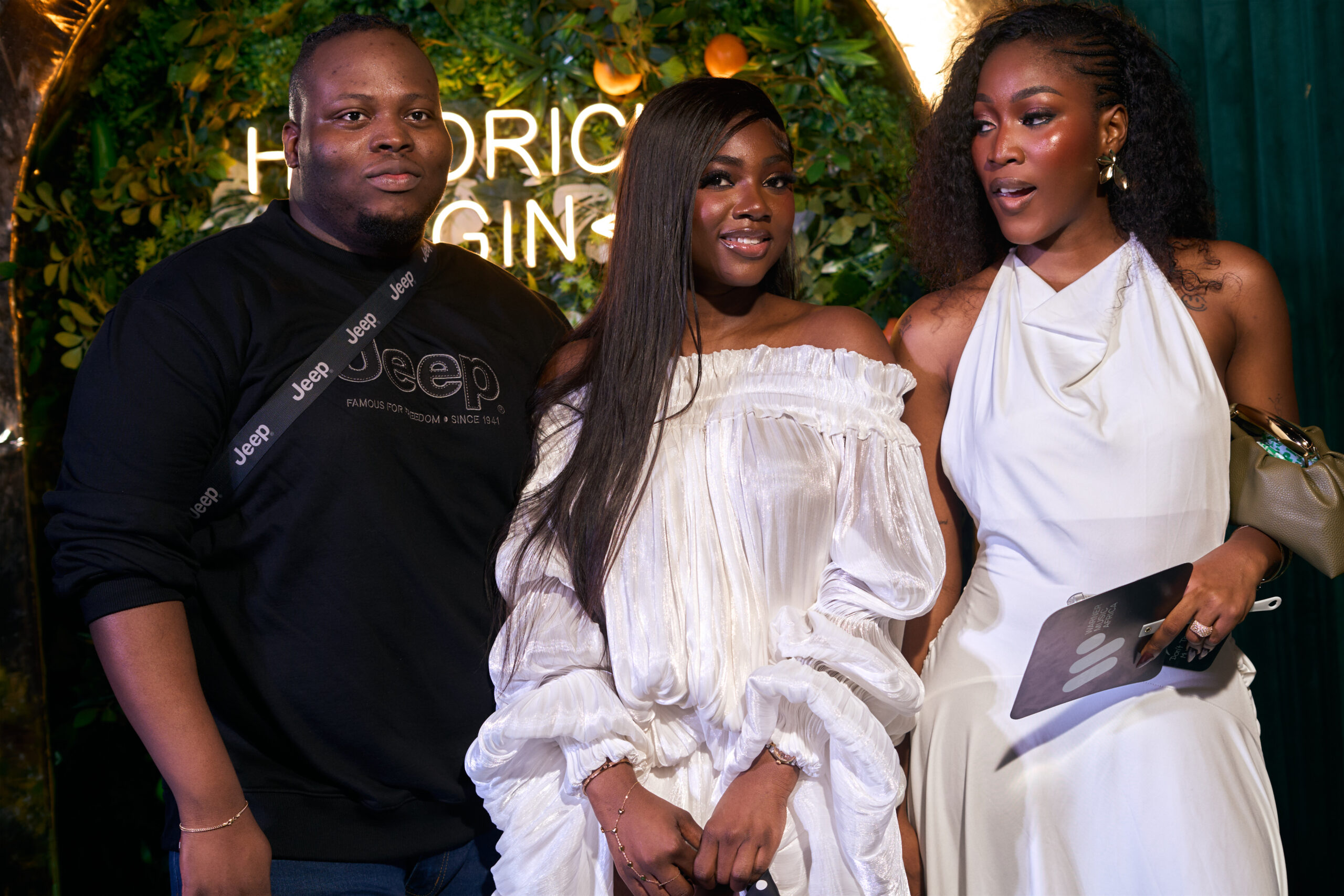
The Music In Africa Foundation (MIAF) is proud of its partnership with the Industrial Development Corporation (IDC) as a Strategic Implementing Partner (SIP) for its Social Employment Fund (SEF). Through this collaboration, MIAF is running a national programme that is creating jobs, addressing skills gaps, and strengthening South Africa's creative industries — in line with the SEF's overarching goal to generate work for the common good and build community value through employment, social contribution, and inclusive economic participation. Operating under the banner NEFCISA (National Employment Facility for Creative Industries in South Africa), the initiative is recruiting and training participants, matching them with host organisations, and has already placed 1 500 workers across the country — surpassing its original target of 1 000. NEFCISA is delivered through a network of 20 host organisations spanning five provinces, who are actively hosting participants and contributing to work for the common good across South Africa's creative and cultural industries. Key Objectives: Support employment and entrepreneurship in the creative industries. Offer skills development and training programmes. Foster partnerships between public and private creative sectors. Promote South African creativity at both provincial and national levels Foster community development through social contribution.

ACCES
ACCES

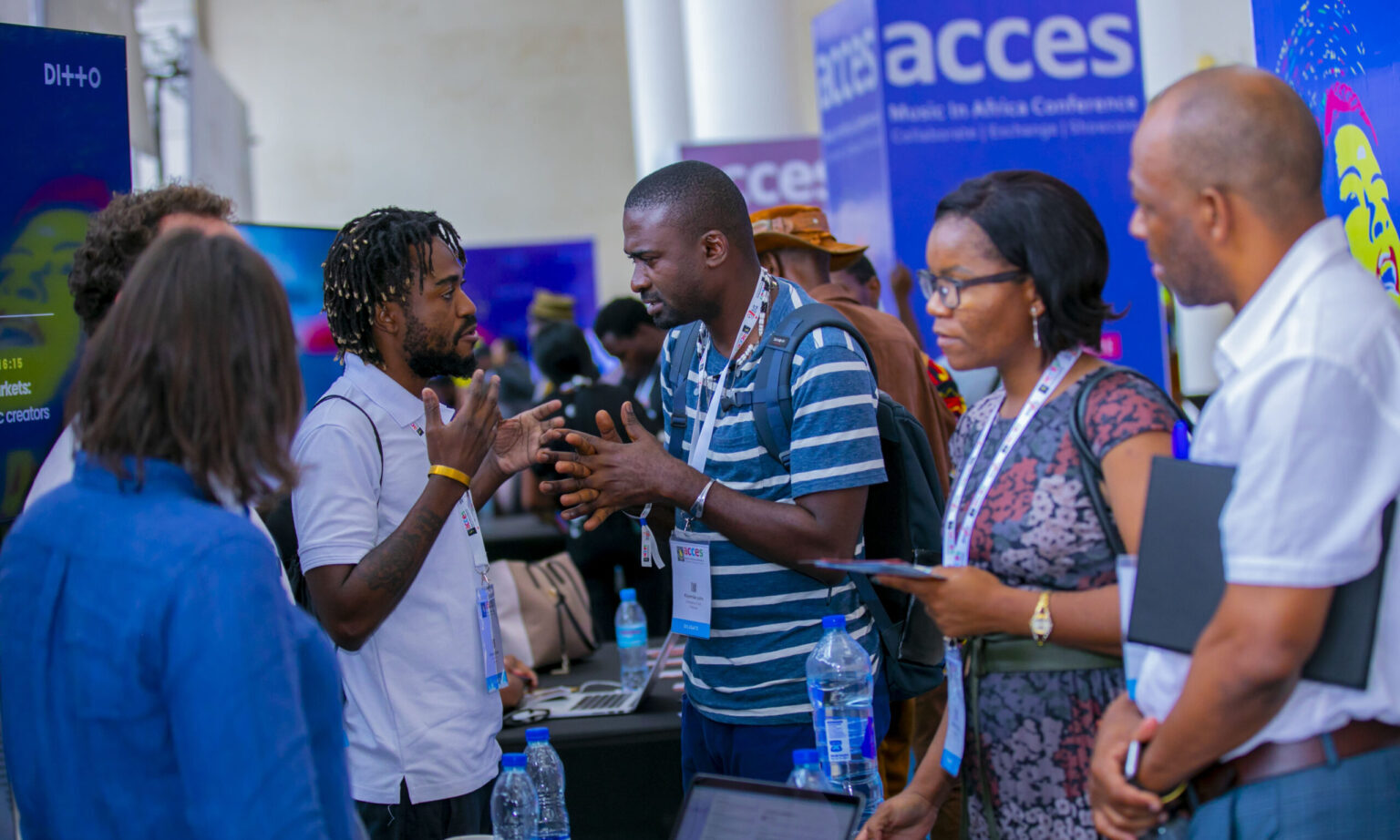
ACCES Conference and Showcase Festival is Africa's leading music industry gathering, bringing together the people shaping the future of the continent's music business. Artists, entrepreneurs, executives, investors, policymakers and cultural leaders from across Africa and around the world come to ACCES to build partnerships, exchange ideas, discover talent and create new business opportunities. Since its launch in 2017, ACCES has become the continent's premier platform for professional exchange and music market development. Combining a high-level conference with a curated showcase festival, networking, exhibitions and industry programmes, ACCES offers a unique space where creativity meets business and where African music connects with the global industry.

Gender@Work
Gender@Work

Music In Africa Gender @ Work is a three-year training programme aimed at upskilling and increasing the participation of female professionals in the African music sector. Launched by the Music In Africa Foundation (MIAF) in April 2019, the programme is connected to the MIAF’s ACCES music conference – a pan-African event held in a different African country every year. This connection enables the programme to reach new participants in a different African country every year. The programme marks the beginning of a more concerted effort by the Foundation to support the participation and inclusion of women in all facets of its programmes and the music sector in Africa as a whole. Over the three years, the programme will aim to address gender imbalances in the sector through training, lobbying, facilitating knowledge exchange and dialogues that foster the interest of women. The broader objectives of the programme are to: Provide industry training for women on critical music industry skills, focusing on: Stage management Electronic music production and recording Music business management Technical knowledge Provide an opportunity for both professional and aspiring women to benefit from the Music In Africa network and its broad range of activities in 2019, 2020 and 2021. Provide a solution-based platform in the form of a round table at ACCES with a view to identify challenges, discuss opportunities and lobby for the interests of female practitioners. Offer participants the opportunity to benefit from programmes offered by MIAF’s partners. Increase access to educational materials. Integrate participants in the broader ACCES programme to maximise experience and exposure to the industry. Record and present training materials on the www.musicinafrica.net, including but not limited to tutorials, templates and other best-practice materials. Communicate women-based themes that support the initiatives and messages of the programme. MAIN TRAINING ACTIVITIES Training in first country (Ghana): In the first year, participants will be trained on all aspects of stage management by a team of experienced stage managers from 10 to 17 November 2019. The programme will offer robust classroom training as well as practical, hands-on training in which participants will also be given the opportunity to manage various aspects of the ACCES performance programme. Training in second country: The second training iteration will take place at ACCES 2020 when the programme will diversify its course to include music production lessons and training on other music business topics. A round-table platform will also be introduced to coincide with the ACCES programme. Training in third country: The third training iteration will take place at ACCES 2021 in a different country, offering an advanced course. HOW DO YOU GET INVOLVED?  As a participant, facilitator or trainer: The programme enrolls up to 12 trainees every year. All opportunities are advertised publicly on this website, and will be added to this page. Please keep checking this page for new calls (below under UPDATES & CURRENT OPPORTUNITIES). As a partner Please contact Claire Metais at [email protected]. APPLY The call for applications for 2020 will be announced soon. The Music In Africa Gender @ Work programme is made possible with the support of the Prince Claus Fund, Siemens Stiftung and Goethe-Institut.

Sound Connects Fund
Sound Connects Fund

For cultural and creative practitioners and organisations operating in southern Africa, access to funding remains a major challenge. The COVID-19 pandemic has also had a massive impact on government policy, spending and the economy in general, and has seen spending on culture being moved further down the list of priorities. Further, the cultural and creative industries repeatedly cite four main areas where investment is needed for growth, which are increased visibility, mobility including access to new markets, finance and support structures.

Instrument Building And Repair Project

Experience the Vibrations African Instruments Exhibition online in 3D

Reviews

Funbi – Hallelujah

22 Mar 2017 - 14:38

cc-img flag-img

The gospel singer seeking an audience outside of his fellowship has a dilemma.

Funbi goes gospel on 'Hallelujah'.

Does he claim the specifically Christian audience of gospel music, a fan base limited but more loyal than the public? Or does he court the public, a fickle but infinitely larger audience?

It is partly this dilemma that has led to pop artists claiming the ambiguous 'inspirational' genre. Ambiguous, because one could argue that all songs are inspirational. The lusty ones might inspire feverish couplings; the solemn ones might inspire tears; pop might inspire dancing. This ambiguity serves one purpose: it allows both saint and sinner to come together in one playlist.

Nigerian popstars have gone further: Within an album, songs can go from talking near-tantric sex to thanksgiving. 2face mentioned weed in his first album and thanked God as the coda. Banky W runs through carnal encounters before a late chant of "have mercy Lord" on R&BW, his third album. The Nigerian pop act is encouraged to try on both a cassock and codpiece.

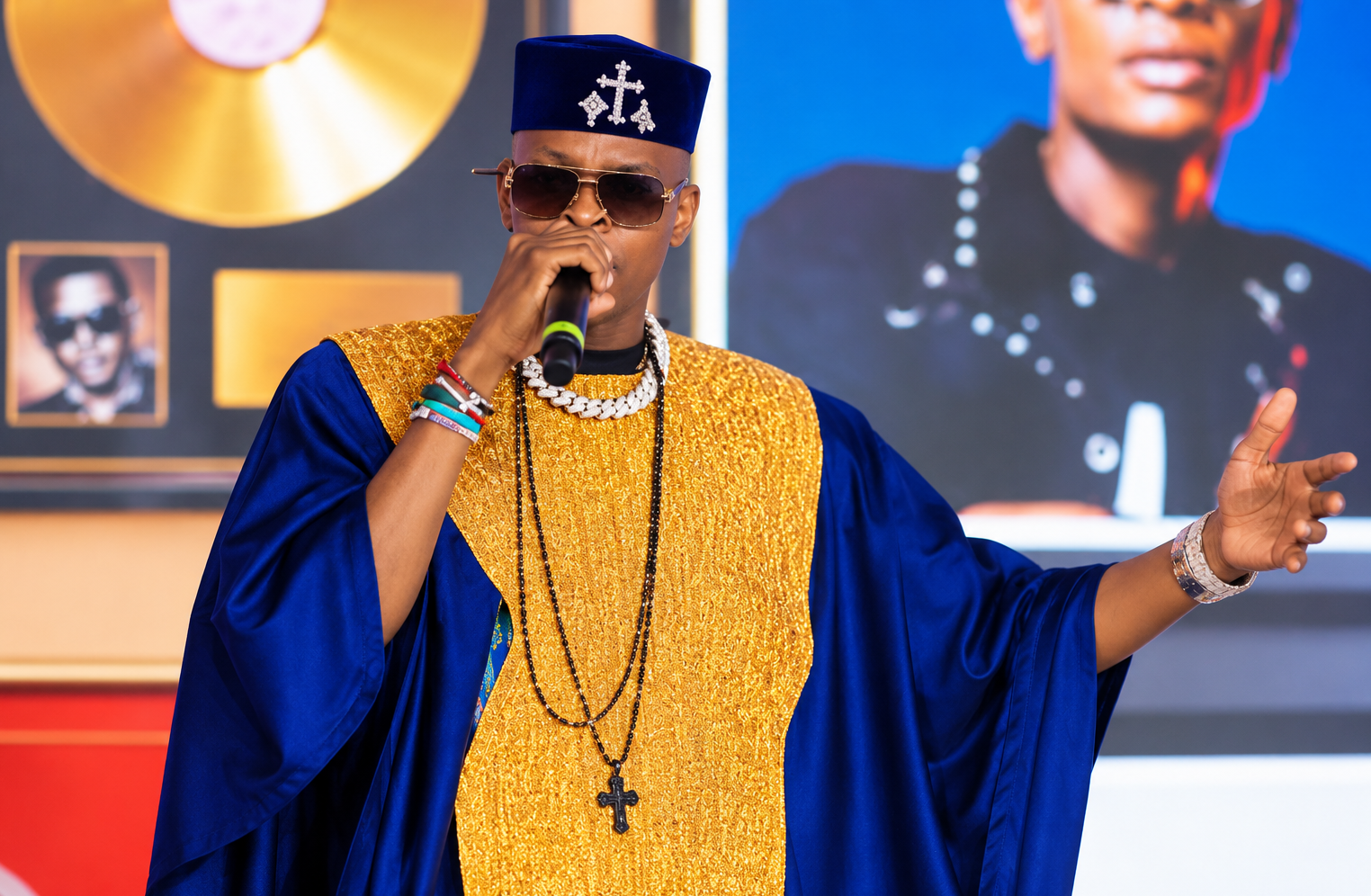
Somewhere within this is where R&B/pop act Funbi might be placed. He is not a gospel singer but has now released a single in the genre. His manner on the song 'Hallelujah'—which is being sold as a debut single even if a quick online search throws up at least one video of the man singing a half-decade ago—benefits from his semi-renowned crooner persona. It is not a love song, yet he sings about God’s goodness with about the same passion as he serenades a woman on 'Adore Her' alongside the rapper Poe. In the manner of R&B artists, Funbi fashions every syllable on ‘Hallelujah’ into a weapon of mass seduction.

No mention is made of Jesus, but this is a song with lines adopted from the Bible. “This ain’t lucky, no," he says. "Can’t you see the hands of heaven upon me yeah? This ain't lottery. This is 40 days and 40 nights, seek and ye shall find.” There is a structure to these lines, a foreshortened explication of how fidelity to God can bring about success. The song itself is carried on the wings of barely-there drums that retreat further in the verses.

‘Hallelujah’ already seems ready for use in praise and worship sessions in Nigerian churches. Funbi, though, seems to claim the inspirational genre. “My battles inspired this song … I hope it inspires you,” he said in a statement accompanying the song’s release.”

Even so, ‘Hallelujah’ represents a change for Funbi, who you will find on YouTube offering a version of Ed Sheeran’s ‘Thinking Out Loud’. You will also find him singing a version of Mr Eazi’s ‘Skin Tight’.

Although from different cultures, both songs are sung by Funbi in a way familiar to R&B fans. The songs are backed, in his rendition, by a spare sonic wall of mostly piano and strings, his crooning voice the focus. With ‘Hallelujah’ there is a bit of an about-turn in how he employs a familiar chant in the Yoruba language at the start of the chorus. He has perhaps come to the realisation that local languages and a recognisable, if amorphous, Nigerian manner are on the ascendancy. Successful non-singing singers like Davido and Wizkid have made lessons cribbed from American R&B acts needless and maybe useless on Nigerian radio.

Indeed, the gospel genre may be the only one in Nigeria in which actual singers still have currency. People learn to play the guitar in church and the genre even has an occasional rock act in Frank Edwards. The deployment of a Yoruba chant in music that appears influenced by Western acts suggests Funbi might have been taking lessons from outside of his fellowship.

Those secular lessons come up in the video. Our man seems to exist in the video as both subject and sex object, with shiny pectorals on show. The camera's eye roams the video’s waterfall and lush vegetation scenery but comes to rest on its beloved – the singer who is dancing in several snazzy outfits. It is a video for a gospel song but there is tacit acknowledgment of the commercial potential of sex appeal. You can almost hear the excuse for this corporeal coverage: it is the temple of God, it deserves its own exposure.

But of course, the song is the thing. Catchy, finely produced and well written with lyrics unabashedly name-dropping God as deliverer, ‘Hallelujah’ will find especial use by the faithful. Should anyone outside of the fellowship come to it—drawn by its sound, message or the singer’s chest—Funbi will count it all joy. Even when pop acts go gospel, they are wooing the world.

Artist: Funbi
Song: Hallelujah
Label, Year: Funbi Music, 2016

Please log in to post a comment.

Most popular

Disclaimer: Music In Africa provides a platform for musicians and contributors to embed music and videos solely for promotional purposes. If any track or video embedded on this platform violates any copyrights please inform us immediately and we will take it down. Please read our Terms of Use for more.

newsletter banner

Subscribe to our monthly Newsletter

Follow us on social media