


















































Ghana’s Delasi discusses the audacity of free thought
26 Apr 2024 - 10:24


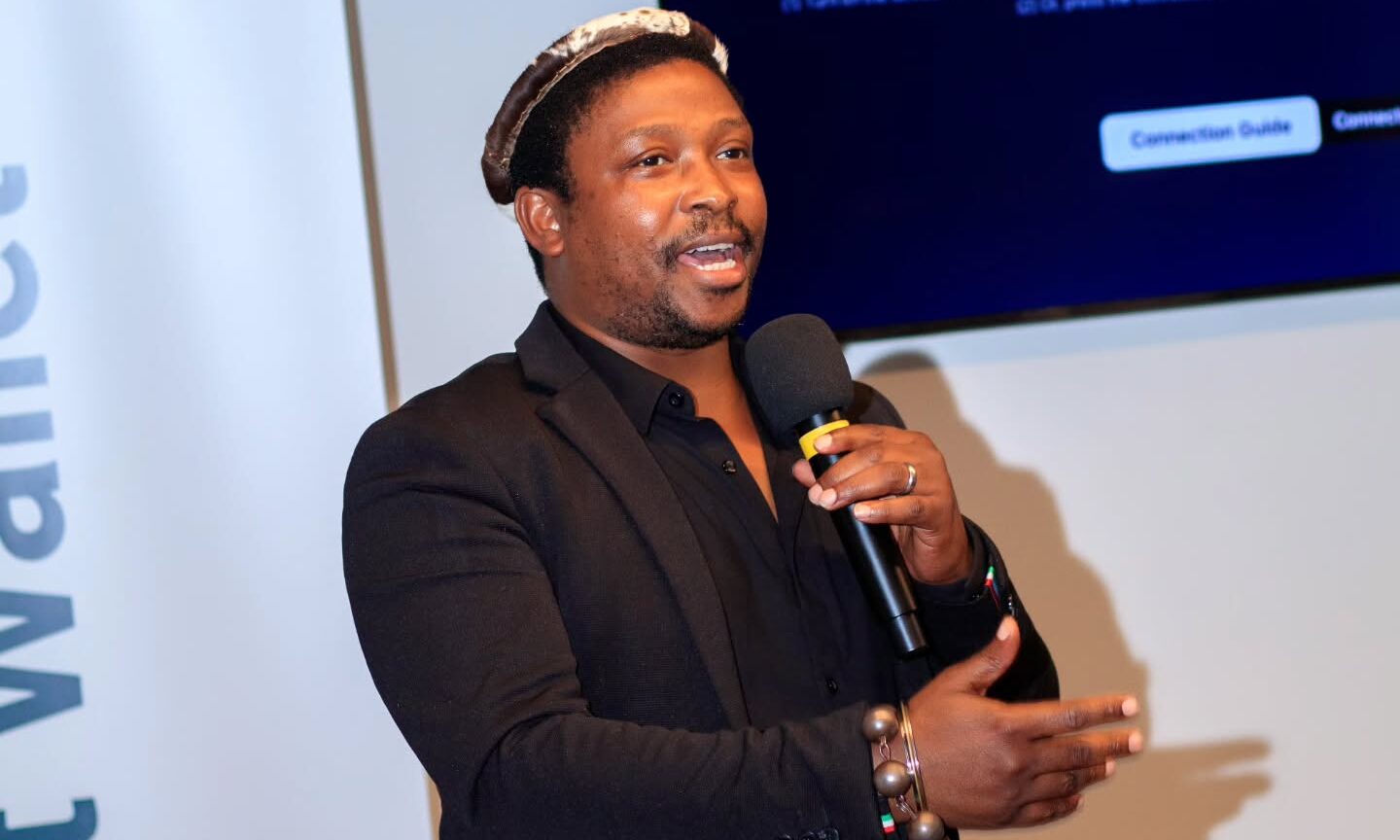
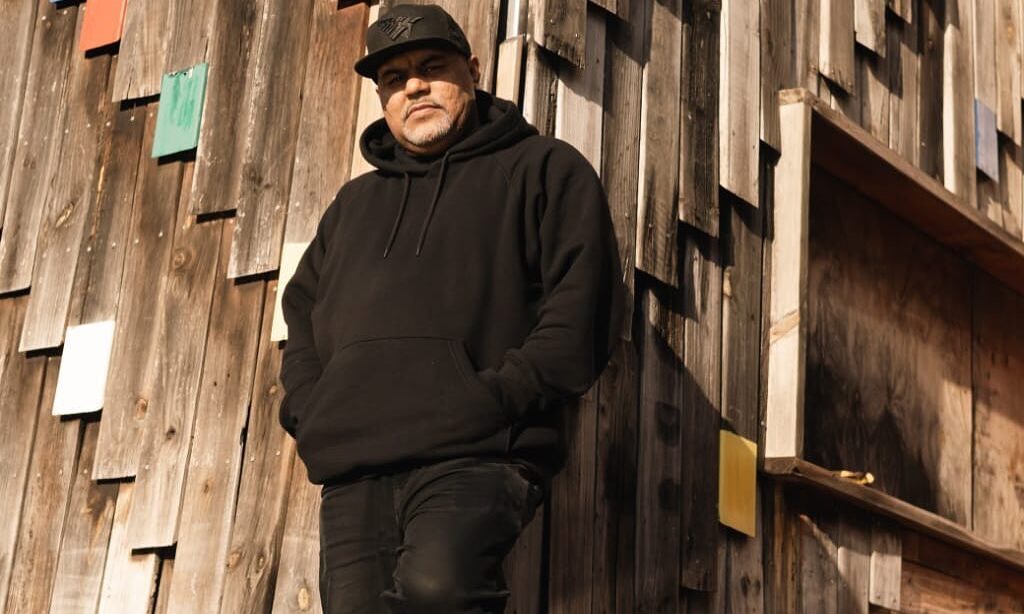
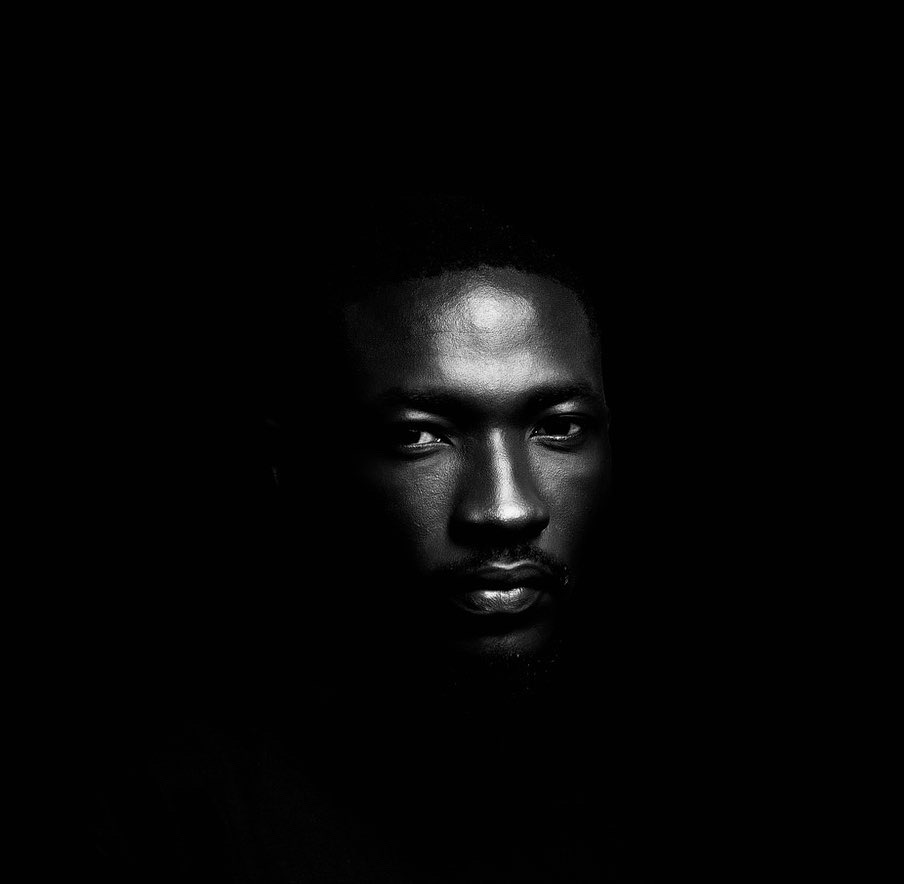
Ghanaian musician Delasi’s EP The Audacity of Free Thought is grounded in dense cogitation, which shouldn’t come as a surprise to those familiar with his work. Having maintained a steady output for something like a decade, the singer-songwriter, rapper and producer’s creative courage and sharp perspectives – across R&B, hip hop, funk, indigenous Ghanaian music and elements of jazz – have made him a truly compelling voice, landing him collaborations with industry giants like Hammer of The Last Two and Reggie Rockstone. His previous collection, 2015’s Thought Journey, is widely praised for its inquisitive exploration.

His latest, five-track project, released back in January on Gilles Peterson’s Brownswood Recordings, departs from the ‘independent artist’ routine. Brownswood, renowned as one of the world’s top indie labels, is credited with breaking artists like Kokoroko, Yussef Dayes, Swindle, Joe-Armon Jones, Shabaka and The Ancestors, Zara McFarlane and Ghostpoet.
“I was actively seeking a new home for my music. I couldn’t handle all the day-to-day operations, from admin to production to booking, by myself anymore,” Delasi says about the move to Brownswood. “I needed a team. Besides, the music was becoming much stronger and will continue to surpass what I can manage solo-wise. There’s great synergy with a roster of artists as eclectic as I am. Gilles has a strong reputation as a cultural curator, and I’m excited to see what this partnership will bring.”
His new deal notwithstanding, Delasi’s thoughts have remained his. He tells me about the meaning of the EP’s title: “To have kept on creating my art form in a vacuum without any real audience or support whatsoever from individuals and organisations alike, to where I live, to being constantly told to become someone else to be accepted or to fit in, to be told to ‘dumb it down’, and to my brazen stance of only creating what truly is inspiring to me is an audacious effort of self-belief.
“There were many hunger-filled days focused on a vision that seemed like I was the only one who could appreciate it. How do they constitute the foundation of the work? I’ve always stayed true to my myriad of influences, never chasing groupthink or trends.”
Delasi was raised on classical, jazz, soul, funk and R&B. He explored hip hop during his teenage years. Throughout his career and travels, he’s noted the interconnectedness between genres, from discovering parallels between benga in Kenya and Zimbabwean music, to recording traditional Berber, gnawa and Joujouka music in Morocco. Delasi also talks about noticing harmony between indigenous Inuit music and modern piano playing, as well as the widespread influence of polyrhythmic Ghanaian traditional music on global sounds.
Regarding technical models, Delasi cites a spectrum just as broad, starting with his father’s extensive vinyl collection. There’s also Ghostface Killah, a great resource about the art of storytelling. Collaborating with jazz musician Nii Noi Nortey has provided deep conversations about music and art. He has delved into literature, studying discipline and detail. Nigerian-British poet and novelist Ben Okri’s The Famished Road trilogy deeply influenced Delasi, leading to a quest to reconnect with his roots in the Volta Region where he absorbed traditional wisdom from family members before they passed away. This inspired him to infuse indigenous Ewe music and other African influences into his own music, and to write more in his mother tongue. These days, aside from bingeing on literature and music documentaries, he’s intrigued by Barry White’s sonic arrangements and dreams of collaborating with an orchestra.
Delasi describes himself as a “sponge” of his surroundings. His creative process involves incorporating sounds from his environment, such as chirping birds and creaking doors, as well as collaborating with musicians like Nii Noi Nortey to include in his compositions natural elements like the flow of the Densu River, in the Eastern Region of Ghana where Delasi is based. He recounts how a college playwriting class heightened his awareness of his environment. Inspired by a ‘game’ introduced by fellow Ghanaian artist Qalala, Delasi often crafts songs from snippets of conversations or random news items – like William Burroughs’ cut-up technique. Qalala also taught him rhythm and beat synchronisation in rap. These observational methods have become ingrained in Delasi’s daily life, often influencing his music without conscious recognition.
He nods at my comment about his deep and intellectual lyrics and commitment to weighty themes; he thanks me and hopes it leads to success soon. There isn’t a specific motive behind the themes that end up in Delasi’s work. He doesn’t champion political causes. The songs simply “write themselves off of whatever I am receiving in my immediate environment. I’m simply a mirror trying to capture some intriguing stories to tell. My tap water is currently fucked up. It is brown and not drinkable, so I am spending more than what is necessary on other means of drinking water after paying ridiculous amounts for utilities. If I decide to write a song titled ‘Undesired Cocoa Tea’, then you’ll know where this may have come from. It is the everyday frustrations of living in Ghana that find themselves into my ink and onto paper – nothing complicated or weighty except for what the average citizen is expected to bear in silence.”
I ask how central the focus track ‘Perception’ is to the EP, which he says is “prophetic insight into the future.” He sees the song as a hit and says that while its sonics have garnered more mainstream appeal, its lyrical content resonates deeply with listeners. It’s why he receives random messages from, say, Japan or Brazil, with senders expressing gratitude for how the song reflects their own feelings and uplifts them.
“The fulfilment in the mission is to receive those heartfelt messages about how my lyrics inspire or have touched someone,” he says. “To stay vulnerable within the writing, to express pain and emotions that will always be genuine for someone else to feel it – to relate to, relive and maybe learn from.”
On how The Audacity of Free Thought differs from his previous releases, Delasi says that while he has always had some level of creative control over the production, the key difference this time around is his increased hands-on approach while working with audio engineers Morgan Greenstreet and Dave Powell.
“Everyone needs to eat, everyone has bills,” he begins in response to a question about the place of commercial viability in art and its impact on maintaining authenticity. “This is a very competitive and sometimes malicious, predatory and exploitative industry where everyone wants to not pay the artist fair compensation. The artist pays for everything like everyone else but somehow he is not regarded as someone who deserves to be paid at all. So I say ‘no‘ a lot more than I would want to because of all the disrespect that can come toward an artist by a promoter. I have to keep thinking outside the box and have taken on several different roles in my musical journey just to survive.”
These roles have included everything from music journalism to copywriting, marketing, research assistance, acting, radio presenting, and voiceover work. Sadly, they have often paid better than music itself. While he’s been fortunate to receive grants for creative projects (Delasi is a 2021 recipient of the Prince Claus Fund in the Netherlands), he finds the application process draining and unpredictable. Therefore, he is wary of relying solely on grants and actively seeks unconventional projects and collaborations in academia, film, fashion and cultural heritage to secure better compensation.
Ultimately, Delasi prioritises authenticity. “I want to be thoroughly satisfied with the work first before it becomes commerce.” He says he’s been writing his legacy all along. It’s a mouthful: “A waakye-loving Ghanaian enthusiast, an advocate for rich aesthetics in storytelling away from the mundane, an avant-garde savant scientist, an advocate for putting alternative Ghanaian acts on, a propeller of the culture, an alchemist!”


Most popular

Top amapiano songs of 2026
16 Feb 2026

Call for applications: ACCES 2026 Emerging Artist Spotlight Competition
01 Oct 2026

Top Naija songs of 2026
31 Mar 2026

Top Afrobeats songs of 2026
19 Mar 2026
Open call: 2026 Gender@Work music industry training in Johannesburg
03 Oct 2026

AFRIMA 2026: All the winners
12 Jan 2026
Disclaimer: Music In Africa provides a platform for musicians and contributors to embed music and videos solely for promotional purposes. If any track or video embedded on this platform violates any copyrights please inform us immediately and we will take it down. Please read our Terms of Use for more.

Subscribe to our monthly Newsletter
Follow us on social media


Please log in to post a comment.