




























































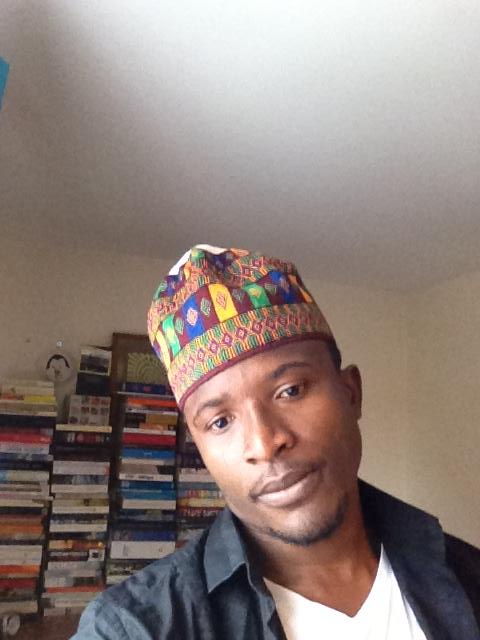


Hip hop music in Northern Nigeria is made up of a fusion of English words and dialects local to the region – especially Hausa, which is the most popular. This creates a form of creole used to express feelings to the rhythm of beats.
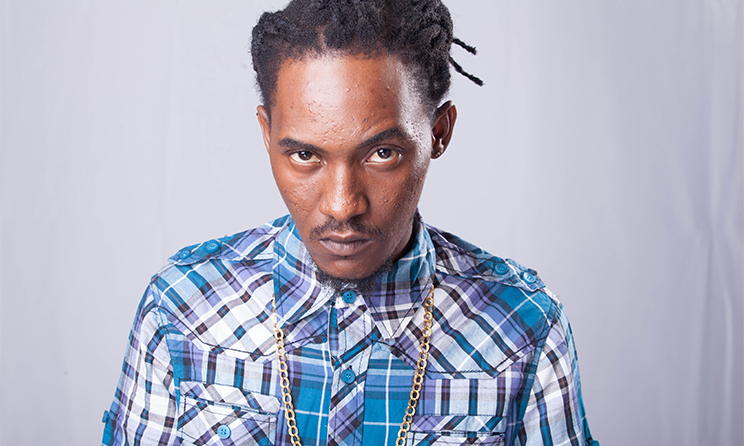
These hip hop beats are made from a mix of local instruments and Western electric beats. Sounds from talking drums, kalangu, goge, shantu, reed flute and tin rattlers are mixed with the piano, harmonica, electric guitar and recorded samples to create improvisations that are modern and appealing.
Music in Northern Nigeria has always had a hint of hip hop in its performance and rendition long before it left the palaces of kings, district heads and emirs. It can be argued that kirari – chants recited by wawan-sarki (court jesters) in royal palaces – and makada – praise singers that recite praises of nobility and sometimes announce the presence of great personalities as well as recount heroic feats by members of society – were a precursor to hip hop.
The north, with Kaduna as its centre, and Jos, sometimes called the 'Lighthouse of Entertainment', have histories that make the region part of the origins of contemporary Nigerian hip hop. It should be noted that Kano also has its clusters of thriving artistic talents. Hip hop artists from this region have not only achieved mainstream status but also continue to experiment with styles that have gained international audiences and recognition. And despite relocating to places like Lagos to be closer to the business of music once they become popular, many of these musicians retain strong ties to the north.
Pioneers of Northern Nigerian hip hop
Zaaki Azzay, one of the pioneering artists from Northern Nigeria to gain mainstream attention, released his first album in 1993. Originally from Benue, he lived in Kaduna before travelling to Lagos in 1991 aged 18 in search of a record deal he never got. He believed he couldn’t get a deal because he was doing hip hop at a time when dancehall and reggae were the prominent genres.
Hip hop crew Swat Root also emerged from Kaduna (the Crocodile City) in the 1990s. Members of the group were Six Foot Plus, Mode 9, Overdose (OD), and Terry tha Rapman. These artists did for Northern hip hop what Da Thorougbreds—Elajoe, Ill Bliss, Obiwon and B-Elect—did in and for the South. But Swat Root split up before hip hop became mainstream in Nigeria in the 2000s.
Before forming the hip hop group Trybesmen in Lagos, eLDee had paid his dues in Kaduna where he grew up making demo tapes to perfect his spontaneous, laid-back English and pidgin rap style. ELDee formed Trybesmen and independent record label Trybe Records in 1998. The impact of eLDee’s group is felt in the careers of the artists who came out of it, many of whom are now popular names in Nigerian hip hop. They include Freestyle, KB, 2Shotz, Sasha P, OlaDele, Timi and Dr Sid.
KD World, another pioneering hip hop group, was started in the Kaduna metropolis but later moved to Abuja. It included such artists as Dollar Sign, VT Coms, El Dot, GeeZee (later known as Gwan), Naydo, Pherowshuz, Sojay and OD, among others. Although this Northern group indigenised the genre, they failed to participate in the commercialisation of hip hop music concerts, endorsements and marketing that was occurring in Lagos.
Arewa vibe and the new school
The rise of M.I Abaga (Mister Incredible), Jesse Jagz (M.I Abaga’s brother) and Ice Prince of Chocolate City marked an epoch in Northern Nigerian hip hop. After MI’s ‘Talk About It’ became the talk of the country’s hip hop circuit, the three artists – all natives of Jos, Plateau State – released a single titled ‘Nobody Test Me’ off the album Everybody Loves Ice Prince.
The hip hop scene in Jos also had the Grip Boiz, a group of rappers and R&B singers consisting of Endia, J Milla, Young El and producer Chopstixx. The group stood out because of the independent and impactful projects by each of its members as well as their mainstream appeal.
The Cypher, a hip hop event started in 2007 under the auspices of Ahmadu Bello University’s Department of Fine Arts, was held on Friday nights at the sculpture garden at the university. It has featured performing artists such as Lobstah aka Brief Illness, Bash aka SickleCell, The Faculty (comprising Grandsun, Juice, Five Mics, Geezee and Chopstixx, now a mainstream producer), Ubams (known for his beatboxing), C-Gunz (Cannie Twins), Tee Cube, Snowflakes, Jimmy Slim, Bee XVI, Skimo, Aliyon, Lucase 2, S-Calibre and Focus.
Present state of Northern Nigerian hip hop
Some of the artists working in the north are known for their musicianship and the ability to pull crowds, but they do not have large platforms to showcase their talent. They perform at hangouts, cookouts, hotel lounges, parties and radio stations, where DJs such as DJ Abba of record label Yaran North Side, DJ Jakes Tudu, Mister Seth, DJ Abimbola of the defunct Mash Records, DJ Danja and DJ Biggie Smart encourage artists to send in their singles and demo tapes.
Now, the north has a many talents putting out high-quality work. Artists on the rise in the mainstream include Morell, whose song was also featured in Half of a Yellow Sun, a movie adapted from Chimamanda Adichie’s novel of the same title, socially conscious narrative rapper Kheengz, Yung, who experiments with elaborate storytelling, and ClassiQ. This class of emerged artists also includes Hench, who is known for lyrics similar to that of American MC Rakim, rapper and producer Krescendo and BOC Madaki (Blaq Ordained Champ or Barde Ogan Chasu)
Artists who have become regional celebrities and are finding their path to mainstream recognition include include Thrillz, Magnito, Shaleepz, Badung Gyang, Billy-O, Kevin Words, King Sniffy, Xdogginit, Ozee, Surgeon Dogg, Relyst, Raven, Erigga, Maxta, Likitre, Nomiis Gee, IBI, Rasheed Tha Wisdomist and Gaendulf of the defunct De Council crew.
Deezell, MC Rolex, Jahbwai, Genesis of Rhymes, Gunns, Fidwon, Rap Army, Mac D, Mac Fabulous, Halimusty, DIA (Dual Intelligence Artillery), BHP (Abyssinia, Ross), President Zik, D33, Mr HD, Kevin Words, Slow K, Feezy, Al’ Chaddas with his crew Cheezville and Lyrical Dr Smith are also MCs producing work from the region.
These musicians improvise American-style lingo and explore slang reflecting their daily realities. Their lyrical delivery and thematic preoccupations differ as much as the many accents in the region.
Gospel hip hop
Gospel hip hop has an expanding fan base and a great impact on the culture in Northern Nigeria. Though the musicians are sometimes affiliated to churches, some are simply identified by the names of their crews or movements. The following are gospel hip hop artists: Danbee, V Blaiz (an affiliate of Soul Flame, O.J Whyte, Chapta5ive and Spokesman of YWAP), Azi Ashoms of Purified Gospel Crew, Sold Out Clan, Cylent, Halo, Omie, ATC, A Foxx, Bapshang, Wondaboi 6ix, Pastor Sukana, Salmplus, The Preacher, Zino-P and Ben Williams.
Conclusion
Northern hip hop is thriving, with artists who use sound techniques and samples that reflect both the region's past and the evolving times. In the midst of its evolution, Northern Nigerian hip hop retains an uncompromising emphasis on quality content. Much work, however, needs to be done on copyright laws, production and the mastering of products.
Refrences
- Furniss, G. (1998) Short-Form Verbal Art in Poetry, Prose and Popular Culture In Hausa. Endinburgh: Edingurgh Univeristy Press.
- Duru, P. (2010) Singing In Hausa Boosted My Music. Vanguard. 30th May, 1.
This article is part of the Music In Africa Connects project, a multi-faceted development initiative aiming to support the music sectors of African countries affected by conflict. To find out more about Music In Africa Connects, click here.


Most popular

Ghana: Mr Eazi and MOLIY’s ‘Comfort’ earns Urban Music Awards nomination
21 Oct 2026

Top Naija songs of 2026
31 Mar 2026

Top Afrobeats songs of 2026
19 Mar 2026

Top amapiano songs of 2026
16 Feb 2026

Open call: CANEX Music Business Lab and Songwriting Camp
15 Oct 2026

Nigeria: CANEX WKND unveils 2026 programme
21 Oct 2026
Disclaimer: Music In Africa provides a platform for musicians and contributors to embed music and videos solely for promotional purposes. If any track or video embedded on this platform violates any copyrights please inform us immediately and we will take it down. Please read our Terms of Use for more.

Subscribe to our monthly Newsletter
Follow us on social media


Please log in to post a comment.