











































By Elspeth Chimedza and Shayzar Zimanyi
There is nothing as annoying as having your line disconnected while you are in the middle of a very important Skype call or planning your assignment by downloading valuable information from various sources off the internet. In an era where the World Wide Web gives a connection to the rest of the world, one must realise the value of the ability to share, network and influence other people from all walks of life, just by a click.
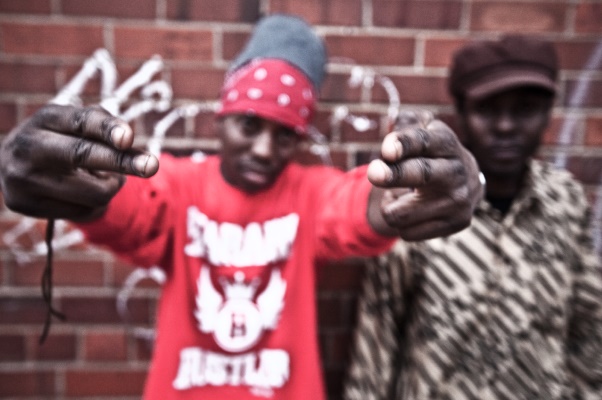
Talking about connections, are you one of those people who feel a powerful, indescribable bond to music? Is it that connection that makes you and the voice behind the melodies and rhythms practically your soul mate - that intuition that the writer wrote that song telling the story of your life? Probably most of us have.
Origins
In the modern world of urban music, a music genre as well as movement that has been very popular and has influenced mainstream pop culture is hip-hop. In the past few years, it has caused a dividing line in terms of cultural appropriation as black hip-hop artists and fans have fired back at white artists such as Macklemore and Iggy Azalea who not only perform the music but have won accolades that most have claimed they did not deserve because hip-hop is not the white man’s. So what is hip-hop that it makes people of colour so conscious of its ownership?
Hip-hop is a cultural movement that formed during the late 1960s among African American youths residing in the South Bronx in New York City. It is characterized by four distinct elements, all of which represent the different manifestations of the culture: rap music (oral), turntablism or DJing (aural), b-boying (physical) and graffiti art (visual). Hip-hop began in 1973 at a birthday party in the recreation room of an apartment building at 1520 Sedgwick Avenue in the west Bronx, New York City. This happened to be the residence of founding father of hip-hop, Clive Campbell - better known as DJ Kool Herc - who created the grassroots of hip-hop by creating rhythmic beats by looping breaks on two turntables, with the help of contemporary disc jockeys and imitators.[i]
In Africa, hip-hop is the new generation’s sound from Cape to Lagos, with artists such as Cassper Nyovest, AKA, Ice Prince and Sarkodie (amongst many others) not only gaining popularity in their own home countries and the continent but garnering fans and recognition in the international mainstream market.
In Zimbabwe, hip-hop makes up a small community of young people who have been influenced by American music culture. It is yet to see the same amount of commercial success as their African counterparts.
What about Zimbabwean hip-hop, which is dubbed ‘Zim hip-hop’? Although relatively unknown on the African continent, Zim hip-hop originated as far back as the late 1980s and had the first hip-hop group, Zimbabwe Legit, enter the US charts in 1992 with ‘Doin' Damage in My Native Language’.
It looked very promising in the 1990s, as one can see that the leading pioneers of African hip-hop were first birthed in Zimbabwe, such as Khuli Chana, Metaphysics, Chiwoniso, Legwan Shark (Piece of Ebony), Zubz and the late Mischief. Though the community was small, it achieved a lot internationally and had prospects of modifying the post-independence young generation’s musical and cultural tastes. However, with finance being in the older, conservative generation’s hands, hip-hop did not appeal to those who could financially promote the genre and grow the industry as well as its artists.
Urban Grooves
With the dawn of the new millennium also came a new dawn of artists and music in the form of Urban Grooves, an umbrella term for urban Zimbabwean music influenced by various genres, including R&B, hip-hop, reggae, sungura, mbira and kwaito, amongst others. In the hip-hop or rap section of this ‘movement’ rose artists such as David Chifunyise, Leonard Mapfumo, Ex Q, Pozee and Major Playaz, who largely created the culture of rapping in vernacular, as well as mixing with English, which created a mass appeal.
However, this generation failed to commercialise as well create a solid Zimbabwean urban culture that would not only increase their mass appeal but also create a legacy for generations to come. This led to the death of the movement, although some artists maintain that it is still alive yet holding on by a thread.
Reggae and Dancehall
As an observation, other than the key players of this time failing to launch was the fact that in the early 2000s Jamaican dancehall had gained worldwide appeal, as well as crossing over to other genres such as R&B and pop (with songs like Beyoncé’s ‘Baby Boy’ featuring Sean Paul’s, R Kelly’s ‘Snake’ and No Doubt’s ‘Hey Baby’). Zimbabwe was no exception to this craze, with clubs, parties, school dances as well as radio and television giving mass rotation to singles such as Sean Paul’s ‘Gimme The Light’, songs on the Diwali Riddim, TOK’s ‘Gyal You Lead’, Beenie Man’s ‘King of The Dancehall’, Kevin Little’s ‘Turn Me On’, Mr Vegas ‘Heads High’ and Elephant Man’s ‘Pon Di River’, to name but a few.
This genre had mass appeal amongst young people in Zimbabwe, from encouraging the party spirit which is very youthful, to the accents (with many young people attempting to learn Patois), the fashion (especially the green, yellow and red combination on clothing items such as sweatbands, t-shirts, etc.), and the use of marijuana, which many have claimed has inspirational and spiritual effects on individuals.
In retrospect, Zimbabwe was baptised as a reggae nation during its birth (independence) in 1980 by none other than reggae legend Bob Marley. Even Grammy-winning singer-songwriter Stevie Wonder’s 1980 hit ‘Master Blaster (Jammin’)’, which refers to Zimbabwe’s independence, has a reggae vibe to it. These were already signs that the musical marriage between Zimbabwe and Jamaica was a union that no man (or genre) could put asunder.
Dancehall’s growing appeal in the mid-2000s encouraged the emergence of Zimbabwean dancehall artists such as Sniper Storm and Winky D. A decade later, Zim-Dancehall has become the most popular genre in the country.
Sponsors and promoters are investing more in these artists, who are receiving a lot of airplay on radio. However, Zim hip-hop has remained stagnant and only familiar to a few. Now, with the closure of platforms such as Book Café, although it is rumoured to re-open, and Misty’s, amongst many venues, very few Zim hip-hop artists are well-known outside the hip-hop circles.
Zim hip-hop today: The disconnection
What does Zim-Dancehall have over Zim hip-hop, despite the fact that hip-hop has better production quality as well as a stronger presence on the internet? A connection!
So why is the current Zim hip-hop considered a disconnection? When one looks at demographics, most if not all Zimbabwean dancehall artists reside in the country’s high-density suburbs, where life is a struggle and one has to survive. So no electricity, challenges in going to school, being raised by a single parent (mainly mothers), etc. are some of the many struggles. That is what a dancehall artist will share in their music.
There have been hip-hop artists who have been caught up in ‘beefs’, so their music has negative messages that instigate violence but that’s a relatively small number. For the mainstream hip-hop artists, their lyrics are rather out of touch with the ordinary Zimbabwean. A typical Zim hip-hop song is either about clubbing, drinking expensive alcohol, women, being the greatest (when ironically no one on the African continent knows their achievements, music or name). Simply put, it’s a scene from the Fox TV show Empire, a life that in a third-world country with a frail economy is largely non-existent. People simply cannot relate to Zim hip-hop.
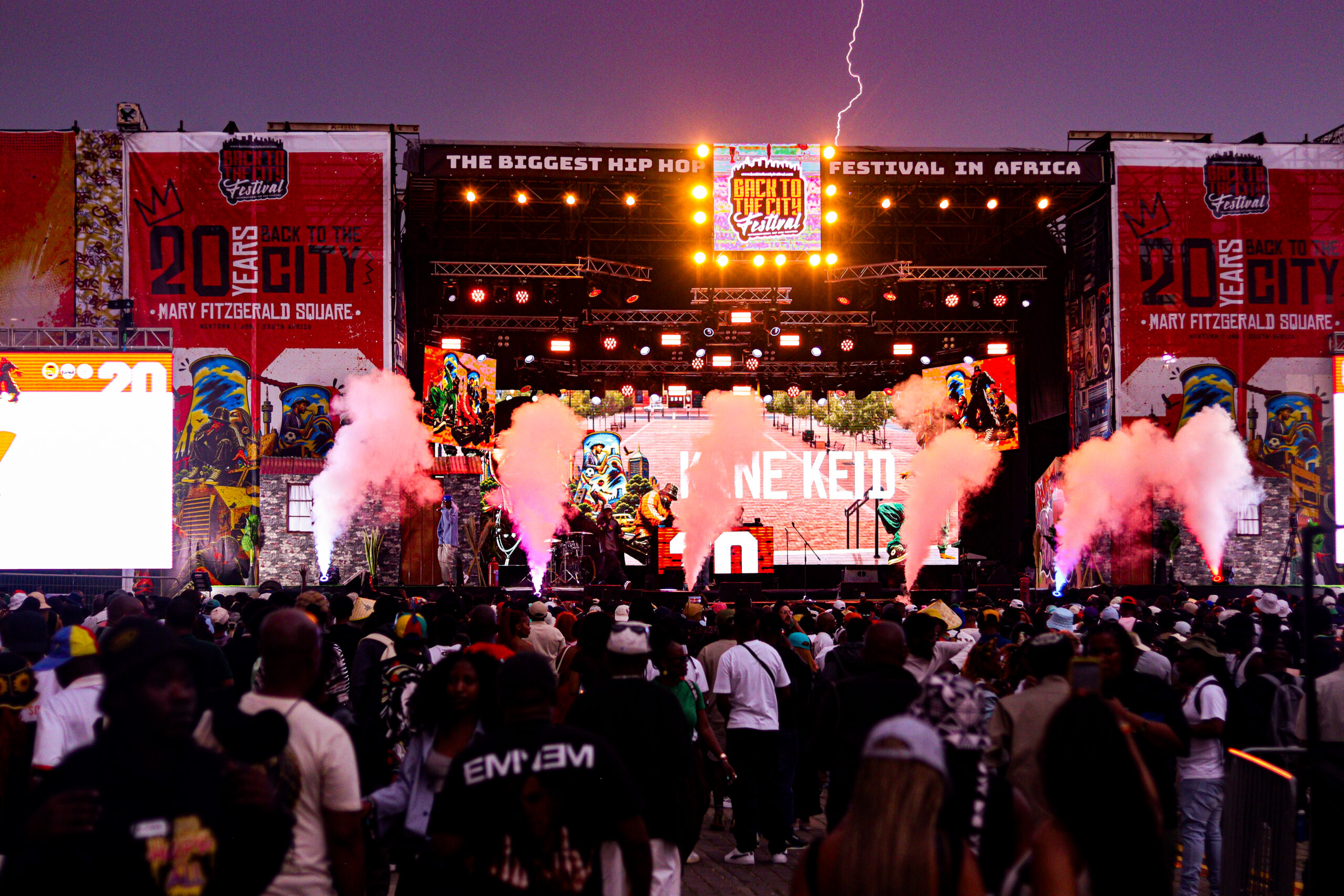
If we were to look at Cassper Nyovest’s recent conquest of to Fill Up The Dome in South Africa, which not only sold out but even received a presidential endorsement, Zimbabwe has not found even one rapper who has created enough mass appeal to fill up even a hall.
In conclusion, this disconnection can be fixed through realigning musicians’ attitude to their targeted audience. The ability to share relatable situations and stories, which even people outside one’s social circles and class can appreciate, speaks volumes for gaining mass appeal, as does the ability to create a lingo and fashion style that the mass can emulate, so as to create a recognisable culture. Most important is to have a business mind regarding the hip-hop brand. This includes being at the forefront to be known in other markets across the continent.
Truth be told, people often appreciate their own when they are associated with success that can be transferred from place to place, as well as generation to generation. In essence, hip-hop is the African story; it is African, so why should Zimbabwe be left out of this great connection?
[i] http://www.history.com/this-day-in-history/hip-hop-is-born-at-a-birthday-party-in-the-bronx
* Originally published as ‘Zim Hip Hop: The Disconnection’ in Groove Magazine International on 30 November 2015.


Most popular
Ghana: Mr Eazi and MOLIY’s ‘Comfort’ earns Urban Music Awards nomination
21 Oct 2026

Top Naija songs of 2026
31 Mar 2026

Top Afrobeats songs of 2026
19 Mar 2026

Top amapiano songs of 2026
16 Feb 2026
Open call: CANEX Music Business Lab and Songwriting Camp
15 Oct 2026
Nigeria: CANEX WKND unveils 2026 programme
21 Oct 2026
Disclaimer: Music In Africa provides a platform for musicians and contributors to embed music and videos solely for promotional purposes. If any track or video embedded on this platform violates any copyrights please inform us immediately and we will take it down. Please read our Terms of Use for more.

Subscribe to our monthly Newsletter
Follow us on social media


Please log in to post a comment.