

















































How can we improve Zimbabwe’s music industry?

07 Mar 2016 - 12:16


Zimbabwe’s creative industries have in recent years witnessed encouraging growth, both in terms of numbers of participants and quality.
I am yet to encounter stats detailing the financial returns, but one thing for sure is that a few young artists (such as Jah Prayzah, Sulu Chimbetu, Winky D, Soul Jah Love and Seh Calaz) have amassed fortunes in recent years.
Numerous challenges persist, however. This article looks at a few of them and suggests ways in which Zimbabwe’s music industry can still improve.
Recognise female musicians
Zimbabwe has a lot of amazingly talented female musicians, such as Edith WeUtonga, Hope Masike, Fungisai Mashavave, Diana Samkange and Bethany Pasinawako. It is sad, however, that I can’t mention any female names among the top earners in the country. To be honest, I am not privy to how much they make but I know most of them do not hold sold-out shows. Some of the ladies mentioned here have made inroads on the international market, performing for cosmopolitan audiences - unlike their male counterparts, who usually perform for home-sick diasporians. It is difficult to point out why they have not made a mark at home. Perhaps their music does not resonate with audiences at home?
Or is it that they lack the enthusiasm in performances that Zimbabwean audiences are accustomed to? Think about the vibrant performances of Sandra Ndebele a few years ago, for example. But again, Selmor Mtukudzi and Ammara Brown are energetic performers who still don’t attract bumper crowds.
So why do Zimbabwean audiences not seem willing to support their female artists? I might never come up with an answer to this, but I hope it’s something we can think about and try to address.
Utilise the power of social media
Zimbabwean artist manager Walter Wanyanya recently made the point on his Facebook page: "I search for one of the biggest artists in Zim at the moment and they don't have a channel and their videos are posted by random people with camera phones... Why do our artists not realize the income that comes from online content views and why do they let people who don't care about how they look online post videos on their behalf?"
To their credit, Zimbabwean female musicians (in particular Hope, Amara, Edith, Diana and Selmor) have embraced social media to keep in touch with their fans. It is quite a difficult task for them to expand their reach as they have to compete for attention - not only with their male counterparts but also with a lot of ‘felebs’ (Facebook celebs) who will do anything for fame. Some even post obscenities that get them a huge following, but our musicians (whether male or female) shouldn’t dare try that. Zimbabwe is a very conservative society and at times unforgiving. Remember, Zim-Dancehall was at one time labelled as music for a ‘lost generation’.
Regular updates on all social media (including those which are not very popular in Zimbabwe (such as Youtube, Vimeo, LinkedIn, Snapchat, Flickr or Instagram) are very important. However, for the local market perhaps one needs to focus on the most popular sites, such as Facebook. Posting on Facebook is unfortunately not the end of it, as many assume (at least judging by their actions). It is important for our artists to follow up on comments made by their fans, even those despising their art. Following up means acknowledging that “You are welcome and you are respected”. For example, Taps Mugadza follows up excellently: you feel he is on your team. It might be difficult for him now to follow up on the thousands of comments on his YouTube channel (particularly for his massive cover of Adele’s hit ‘Hello’, which has been viewed nearly 4 million times).
Of course Zimbabwe has problems when it comes to internet connectivity, but still, a comedian like Baba Tencen has been able to monetise his fame through social media (even if it means simply repeating his bread joke). And though not so well-known for his music, rapper CST also has a huge Facebook following. He responds to every comment, at least with a like or even a ‘lol’ at some dry jokes posted on his wall. Judging by what he writes, Facebook has transformed his life: he has made a career of posting on Facebook. His posts are close to people’s realities.
Imagine what would happen to any of our musicians’ profiles if they were able to identify as effectively with the masses for just a few weeks. There is nothing wrong with posting cute faces and fashion, but we know you for singing and we can hardly afford the clothes you are showing off!
The power of social media cannot be underestimated. YouTube in particular is a vital tool that Zimbabwean artists need to use to promote their music.
Harness the country's brain power
It’s also unfortunate that there is very little research (sometimes none at all) on Zimbabwe’s music industry. Our academics seem to be preoccupied with our musical traditions. Yes, it is very important to preserve and safeguard our musical heritage, but it is equally important to think of the future. The future of Zimbabwean music relies on how best we develop strategies and models through which our artists can operate viable businesses.
Academics often function in an almost Utopian world, apparently placing little value on the possibilities of actually applying their research findings to achieve practical outcomes. In this world, relevance is not an essential component of research, because there is no need to justify the importance of the research to anybody else. Academics are being forced by the ‘publish or perish’ syndrome to write articles that are largely inconsequential to the growth of today’s music industry. Maybe they are just lazy or a bit clueless…
I also think it’s worthwhile for musicians to hire graduates to be part of their administrative or management teams. Zimbabwe is currently faced with very high unemployment, so many graduates would presumably take this as an opportunity to be part of something meaningful. Some may be inexperienced or easily excitable, but we can’t take away the fact that the years they’ve spent in college have made them critical thinkers with the ability to contribute to growth in the Zimbabwean music sector. Some are very innovative and professional, but they just lack that opportunity to shine.
It is very important for any musician to have a vision of where they want to be after releasing that first hit song. Even more important is having a strategy to achieve your vision. Trained professionals, no matter how inexperienced, can make this mission possible
Conclusion
The creative industries, music in particular, have the potential to change and uplift society - especially during trying times, when people run to music for its palliative quality.
This article deliberately doesn’t focus on only one issue – or attempt to find concrete answers. One hopes it will stimulate debate on the various subjects raised. I didn’t even mention the mainstream media here, but I know they have taken us this far and they have the potential to take Zimbabwe’s music industry even further, provided that artists can consider the issues mentioned above and work hard to further monetise their talent and fame in order to make a living from their art.


Most popular
Call for applications: ACCES 2026 Emerging Artist Spotlight Competition
01 Oct 2026

Top amapiano songs of 2026
16 Feb 2026

Top Naija songs of 2026
31 Mar 2026

Top Afrobeats songs of 2026
19 Mar 2026
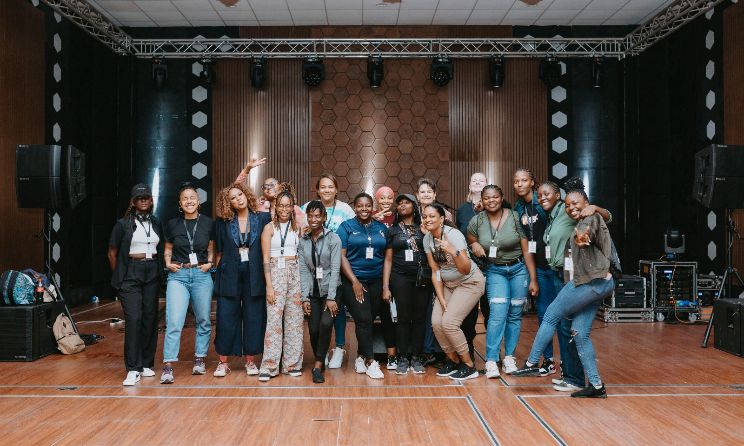
Open call: 2026 Gender@Work music industry training in Johannesburg
03 Oct 2026

AFRIMA 2026: All the winners
12 Jan 2026
Disclaimer: Music In Africa provides a platform for musicians and contributors to embed music and videos solely for promotional purposes. If any track or video embedded on this platform violates any copyrights please inform us immediately and we will take it down. Please read our Terms of Use for more.

Subscribe to our monthly Newsletter
Follow us on social media


Please log in to post a comment.