


























































By James Propa
Music promotion is one of the most important aspects of becoming an established musician. The process never stops, even after a musician is considered established, and largely determines the level of success an artist can achieve.

Many artists might have good music but it only plays in a few bars around their location, simply because they don’t know the right methods to use in order for their music to cut across the whole nation - or better still, the world. This overview text will attempt to explain what an artist needs to do so that their music reaches a large portion of the country and the continent. It will also explore what artists need to do to avoid becoming so-called “one-hit wonders” and instead stay relevant in the industry. In doing so it explores the specific context of Uganda, although much of what is discussed is relevant anywhere.
Understanding your audience
As an artist and for the team of people helping you, there is a need to understand the audience you are making your music for. This will help you understand the line you are supposed to take. After understanding your audience, you need to know which artists you are competing with for that particular audience - what kind of music are they making and what are their strong points? This will help you put out songs that can compete in the market.
Understanding your audience makes you know the radio stations, TV stations, nightclubs and bars that play your kind of music. Musicians often spend money trying to get airplay on radio and TV stations that do not even play their kind of music. For example, every aspiring musician wants their music to play on NTV The Beat[i], but that show does not play Kadongo Kamu or Band Music, so why would an artist doing these styles of music even bother trying so hard to get their song on NTV The Beat. There are more appropriate shows like Oluyimba Lwo on Bukedde TV[ii], which will play your song.
Approaching the media
One of the most challenging things for an artist is to approach presenters. This is because most rising musicians have always been told that you need a lot of money to get your song played on radio and TV. In reality, however, this is not the case. Many successful musicians have made it without needing to spend so much money. The best way to get the attention of any presenter is by creating relationships, not based on money but rather on friendship and loyalty.
There are many established radio DJs – such as Herbie K of Metro FM, DJ Wilbur of Ssuubi FM and DJ Jacob of Dembe FM, as well as TV personalities like Douglas Lwanga of NTV[iii] - who will not ask for money but rather appreciate good work and be willing to support it. The best way to get hold of these people is to approach them before their TV or radio show, introduce yourself and then make an appointment to meet another day to bring them your music. As a musician, whenever you are leaving your house you must keep a copy of your music with you. This is your career and you should always be prepared, because you never know who you might meet that day.
Radio and TV interviews
When is the right time to do an interview with major radio or TV shows that host musicians?
It is always good to let your song play on both radio and TV for at least two weeks so that you can get to know the momentum your song is taking. Then you can start getting hosted for interviews. You should keep in mind that however small the radio or TV station is, it is important if it plays and promotes your genre.
The major radio shows that host musicians include Uganda One hosted by Herbie K on Metro FM[iv]; Africa Koona hosted by DJ Jacob Omutuuze on Dembe FM[v]; and Africa Mukidongo on Ssuubi FM hosted by James Propa, DJ Nick and Lwasama[vi]. Those are some of the shows that typically host upcoming musicians and play music from upcoming musicians. TV shows that host upcoming musicians include NTV The Beat host by Douglas Lwanga[vii]; Jam 101 hosted by Calvin Da Entertainer on UBC TV; and Katogo hosted by Jaxta on Record TV[viii] These are some of the radio and TV shows that a rising musician should focus on to get an interview. Most of them are versatile and play a wide range of genres.
When a song starts getting airplay on TV and radio (or even before it does), there has to be good distribution of the song around the country to music and video libraries, music promoters’ computers and more. This is how your music is going to get heard.
A musician should make sure that when people want to get music on their mobile phones, they can get it either from online sources or on the ground from promoters themselves. Ugandan music is usually downloaded from local platforms like Hipipo[ix], Howwe[x] and BigEye[xi]. There are also international platforms where you can upload your music like Soundcloud[xii], MP3skull[xiii] and many others.
On the ground in Uganda, there are music promoters who know where to take an artist’s music so that it can disseminate to different parts of the country. Some of the best of these on-the-ground promoters include Kim Lee[xiv], Ram Singles[xv], Cool Kats[xvi] and Chris[xvii].
Live performances
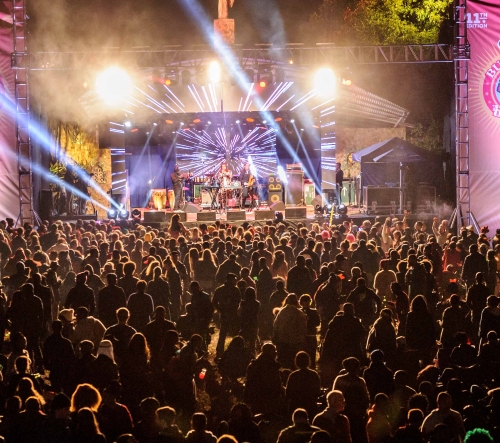
Live performances at music festivals and nightclubs help people to become familiar with your image and sound. It also helps artists to get spotted by music promoters and media personalities, who can help build your career. The main thing an upcoming musician should always remember is that this is business. You have many competitors, so it is seldom easy to get onto big stages at major events.
Even if you fail 10 times to get there, keep trying! At most popular live music events (for example the Campus Nights at Club Silk and Amnesia in Kampala), artists have to book well ahead of time. But at many music events, upcoming musicians perform for an hour or two before the main event begins. So always try to be at the venue ahead of time so that you get on the list of performers, even if it’s an opening slot.
How to survive after your first hit song
If you’re a new artist who has released a debut hit that has taken over the music scene and is playing on every countdown chart, every nightclub and street corner, that’s when your career really becomes challenging. You receive a lot of advice from so many people. Some of this advice is good; some is misleading. The challenge is to know what to do next and what song to release. One of the biggest mistakes many newly successful artists make is to let go of the team they had at the start. This is a mistake because these are the people who understand you the best.
The best way to move forward with your career is to get the right information. Talk widely to experienced people who understand music trends, for example the established media personalities who host or produce music shows. If most of them give you similar advice, then this is probably what you will need to do to survive. Be hungry for knowledge and never be too proud to ask for advice.
Following the above advice will not guarantee you success, but with the right amount of talent, hard work and some luck, it can help to establish you as a professional musician in Uganda’s thriving yet highly competitive music industry.


Most popular

Call for applications: ACCES 2026 Emerging Artist Spotlight Competition
01 Oct 2026

Top amapiano songs of 2026
16 Feb 2026

Top Naija songs of 2026
31 Mar 2026

Open call: 2026 Gender@Work music industry training in Johannesburg
03 Oct 2026

Top Afrobeats songs of 2026
19 Mar 2026

AFRIMA 2026: All the winners
12 Jan 2026
Disclaimer: Music In Africa provides a platform for musicians and contributors to embed music and videos solely for promotional purposes. If any track or video embedded on this platform violates any copyrights please inform us immediately and we will take it down. Please read our Terms of Use for more.

Subscribe to our monthly Newsletter
Follow us on social media


Please log in to post a comment.