
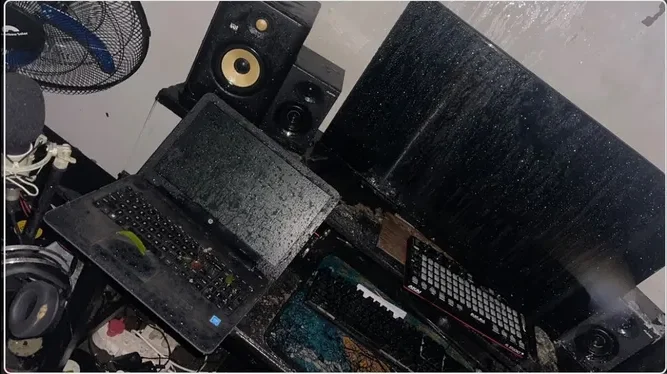





























































The impact of the COVID-19 pandemic on the South African live music industry has been stark and devastating, with 90% of industry professionals reporting a loss of income since March 2020.[1]

With the live performance sector still struggling to get back on its feet, musicians should look to monetise the equipment they own that is currently being underused, and to find ‘side gigs’ to fill the extra time available in their schedules. This article will focus on how South African musicians can use both the tangible assets (gear and recording space) and intangible assets (experience, skills and expertise) available to them to derive additional revenue streams.
Equipment rental
If you are a gigging musician, the chances are that over the years you have amassed go-to items of gear you regularly use for live sound and/or the studio environment. If the option of selling this equipment is unthinkable, why not consider creating an additional income stream by renting it out?
Writing for Sound on Sound, Matt Houghton argues: “Instead of letting your equipment sit idle when you don’t need it, you could consider loaning it, for a fee, to other people who can't afford to buy it, or who can’t justify the purchase for only a day or two’s work. The demand for the sort of equipment we all use is pretty high, be it multi-channel preamps, ADAT expansion units, esoteric outboard, nice guitars, amps and effect pedals, hi-res location recorders, or even full laptop recording rigs.”[2]
Similarly, in terms of live sound equipment, if you currently have PA system gear such as sound desks, speakers, subwoofers, and guitar or bass amps lying around that are not being used every weekend, why not consider renting these out to earn some additional income? They could be rented out to other musicians who have managed to secure a gig, or even to film and television production houses, which often require musical equipment for set dressing.
According to the Revenue Streams for Music Creators in South Africa 2022 report, equipment rental is the single biggest contributor to income derived from Services, with an average monthly income of R25 196.
Unfortunately, as of December 2021, global peer-to-peer equipment rental marketplaces such as Fretish have been put ‘on hold’ while the industry recovers from the adverse effects of the global pandemic.[3] However, this is usually not only a good place to list your rentals, but also a great resource for getting a sense of guideline rental prices.
There are many different theories about how to calculate your rental rate. The most effective way is to do market research and find out how much other companies are charging for similar gear rentals. Another technique is to take the value of the item and multiply it by your desired profit margin (150% is a good starting point), and then divide this figure by the amount of times you could theoretically rent the equipment out per month (for musical gear, 12 weekend slots is a reasonable figure).[4] Using this formula, we can see that a PA system valued at R20 000 should be priced at R30 000 to achieve 150% profit, and then divided by 12 to arrive at a figure of R2 500 per gig.
Be sure to protect yourself and your equipment. Not only should your gear be insured for theft and accidental breakages[5], but you must ensure that you have a signed rental agreement in place whenever you loan out your equipment. Make sure that you capture the renter’s details and make a copy of their ID document in the event of any disputes. An equal rental agreement template can be downloaded here and then customised to suit your needs.
Audio engineering
In the COVID-19 landscape, where smaller and remote gigs are predicted to flourish, there should be increased opportunity to provide services as an ad hoc sound engineer for house parties and small gatherings, televised/streamed performances, and at venues that don’t usually host musical events.
- As well as making use of platforms such as Sound Better and Upwork, be creative and seek out venues that do events such as poetry evenings, exhibition openings and book launches. Think of all possible places that could make use of a basic PA system, and offer your services directly to them.
- Rates for this kind of service vary depending on the event’s budget, and — as of end-of-year statistics for 2020 — the South African Freelancers Association (SAFREA) doesn’t have a live audio engineering category in their survey data. However, basic sound editing fees of R450-R550/per hour can be applied as a guideline for negotiations.[6]
- If you are including your own equipment in the engineering deal, ensure that you are properly compensated for this, and always remember to include a rental agreement (see above) to cover yourself in case your equipment is damaged at the event.
Ways to sell your expertise
Being a musician is, of course, more than just owning gear and knowing how to operate it. There are also many skills and industry insights that are picked up along the way, and which can be used to help you supplement your income.
Some opportunities for musicians to market their expertise include:
Writing about music, equipment, or other aspects of the industry in a journalistic capacity. According to Craig Anderton, “If you want to try music journalism, editors are always thrilled with someone who meets deadlines, turns in clean copy that needs little editing, writes in the style of the magazine, thoroughly researches any facts for accuracy, and of course, pitches a compelling story that will appeal to the magazine's readership.”[7] Rates from SAFREA indicate an average freelance writing rate of R3-R4 per word, or R400-R500 per hour, though these can vary depending on the publication’s format and budget, with online platforms tending to pay up to half as much.[8] The Revenue Streams for Music Creators in South Africa 2022 indicates an average monthly income of R5 252 for writing on music subjects
- Consultancy positions don’t come up very often, but keep your eyes open for adverts from schools, theatre groups and production companies that require some musical oversight on a particular project. The SAFREA website is a good resource for these opportunities, as is Visual Arts Network of South Africa (VANSA). The Music In Africa report reports an average monthly income of R7 928 for consultation services.
- Adjudication positions are another option for musicians to seek out, including adjudication in music competitions. Higher learning institutions such as AFDA and COPASA sometimes require external adjudicators for their graduation performance programmes, and similar opportunities can be found in schools across South Africa, particularly during exam periods. If you can find work as an adjudicator in music competitions, you can expect to earn a monthly average of R6 164 for your services – though these jobs are often much more temporary in nature.[9]
Video: Institutions such as AFDA require musicians to serve as external adjudicators for graduation performances.
Resources and citations
- [1] South African Cultural Observatory. (2020). Impact Analysis: Live Music and its Venues and the South African Economy during COVID 19. Nelson Mandela University. Accessed on November 30, 2021: https://www.southafricanculturalobservatory.org.za/download/691
- [2] Sound on Sound. (2007). 20 Ways To Create Cash From Your Audio Gear & Skills. Accessed on November 30, 2021: https://www.soundonsound.com/sound-advice/20-ways-create-cash-your-audio-gear-skills
- [3] Fretish. (2021). Hitting Pause. Accessed on November 30, 2021: https://blogfretish.wordpress.com/2021/11/27/hitting-pause/
- [4] O’Neil, R. (2020). How Much Should I Charge For My Rentals? Curate.co. Accessed on November 30, 2021: https://we.curate.co/blog/efficiency/tips/florist-rental-charge
- [5] https://www.fanews.co.za/article/short-term-insurance/15/general/1217/are-your-musical-instruments-covered/18655
- [6] Mathurine, J. & Mapaling, C. (2020). SA Freelance Media Industry and Rates Report 2019-2020. SAFREA. Accessed on November 30, 2021: https://safrea.co.za/wp-content/uploads/Safrea-Survey-Report-2020.pdf
- [7] Sound on Sound. (2007). ibid.
- [8] Mathurine, J. & Mapaling, C. (2020). ibid.
- [9] Music In Africa. 2022. Revenue Streams for Music Creators in South Africa.
This article is part of the Revenue Streams for African Musicians project, supported by UNESCO’s International Fund for Cultural Diversity in the framework of the UNESCO 2005 Convention on the Protection and Promotion of the Diversity of Cultural Expressions, the Siemens Cents4Sense programme, Siemens Stiftung, Goethe-Institut, the National Arts Council of South Africa and Kaya FM.
Editing by Kalin Pashaliev


Most popular

Call for applications: ACCES 2026 Emerging Artist Spotlight Competition
01 Oct 2026

Top amapiano songs of 2026
16 Feb 2026

Top Naija songs of 2026
31 Mar 2026

Open call: 2026 Gender@Work music industry training in Johannesburg
03 Oct 2026

Top Afrobeats songs of 2026
19 Mar 2026

AFRIMA 2026: All the winners
12 Jan 2026
Disclaimer: Music In Africa provides a platform for musicians and contributors to embed music and videos solely for promotional purposes. If any track or video embedded on this platform violates any copyrights please inform us immediately and we will take it down. Please read our Terms of Use for more.

Subscribe to our monthly Newsletter
Follow us on social media


Please log in to post a comment.