























































Interview: EMPIRE Africa director of operations Titilope Adesanya

14 Mar 2023 - 09:46


Since its entry into the African market early last year, a strategic move to tap into the continent’s vast potential, American distribution service and record label EMPIRE can substantiate big strides, including representing notable African acts and powering global collaborations.

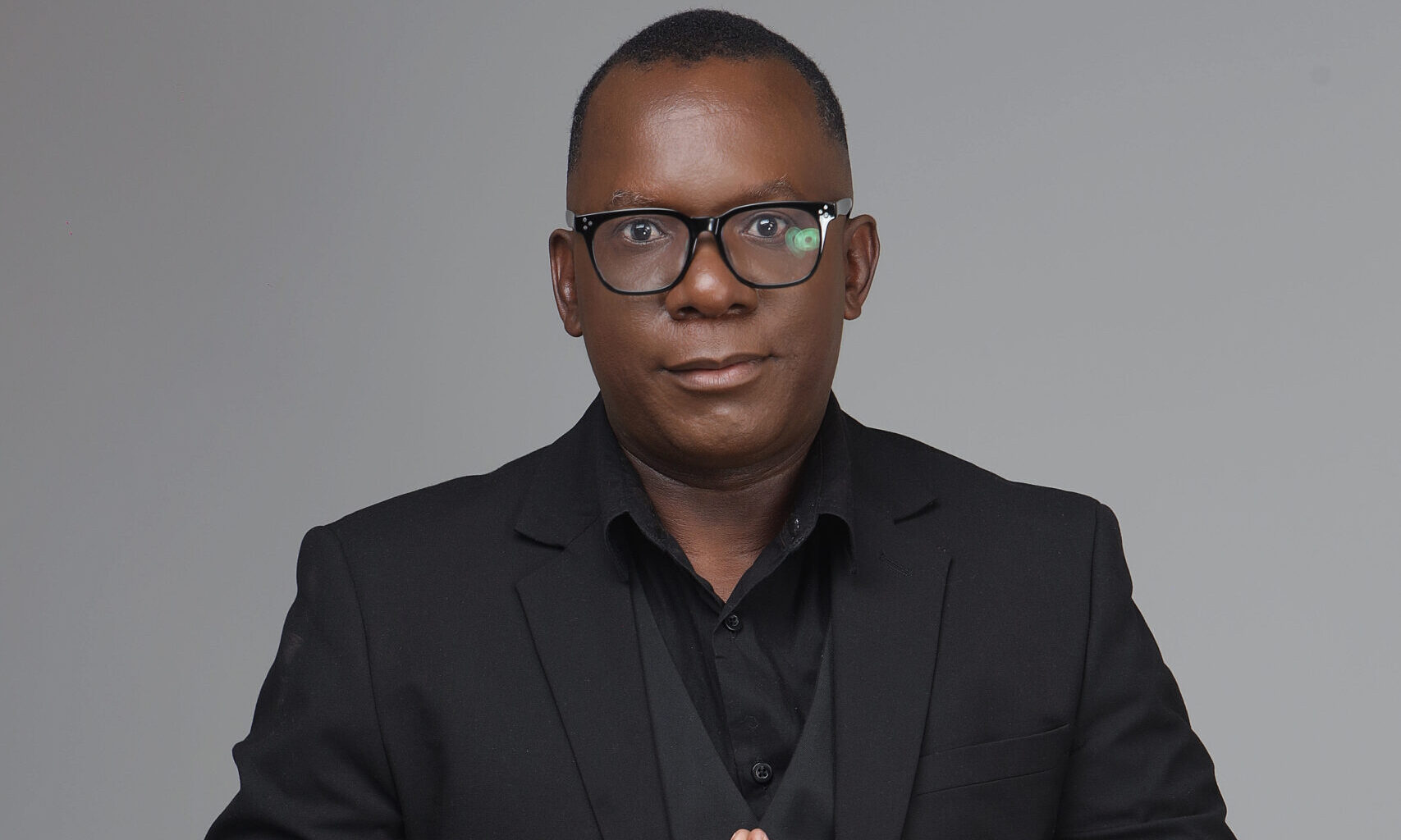
For Titilope Adesanya, EMPIRE Africa’s director of operations, a key milestone arrived in February when she was included in Billboard’s 2023 Women in Music list, which celebrates female professionals driving change in the industry.
Recently, during a video call, Adesanya tells me that her Billboard inclusion is a reminder that people are watching, and that there’s pressure on her to do better. Her goal now, she says, involves “finding the balance between appreciating what I’m doing at the moment and keeping up the work.” Our conversation also went into the success African artist have found through EMPIRE, and the role of African music in the global market.
Currently, Adesanya’s role at EMPIRE involves “project managing Africa”. Broadly speaking, this comes down to ensuring that everything is in order on release date, “including helping artists with everything they need to arrive to the final point, which is getting the music to the consumer and getting the most visibility possible at every stage.”
Adesanya attributes EMPIRE Africa’s success to the company’s passionate drive towards finding solutions, bringing an artist’s vision to life and forging strong partnerships. EMPIRE Africa collaborates with artists and their teams to achieve the best possible outcomes, as evidenced by the success of artists like Fireboy DML, Kizz Daniel and Black Sherif. This cooperative relationship, Adesanya says, has been crucial to the company's success.
About the organisation’s role in driving the global acceptance of African music in the past few of years, Adesanya starts by pointing out that the world is ready for something fresh. “We’ve been trying for years as much as now, from King Sunny Ade to D'banj, and right now we’re literally moving like an army of ants,” she says.
Adesanya also believes in the power of intentionality, citing examples such as plotting Fireboy DML’s performances in small venues outside Nigeria and EMPIRE’s partnership with Kizz Daniel to reach new audiences. She says EMPIRE’s team, led by founder Gazi Shami, made a strategic decision to expand beyond typical markets like Nigeria, Ghana and the US, and to be present wherever people are listening to their clients’ music.
She says EMPIRE’s value proposition to local indie labels and artists comprises reach, expertise and structured support. The company, she notes, boasts a team with vast experience across different areas to help its partners achieve optimal results by providing branding, publishing and licensing support. Additionally, EMPIRE leverages its expertise to secure placements for its artists.
“We recognise that there is more than one way to skin a cat and that there are many opportunities for artists to expand their reach beyond just their core fan base,” Adesanya says. “Making music is not only for the fans. You can make music for corporate, festivals, films, games, and so on , like what we did with Fireboy’s 2019 single ‘Scatter’, which was listed among the official tracks for EA Sports’ FIFA 21 football simulation video game.”
Adesanya confesses to being highly impressed by the African music industry’s evolution in recent times. For her, the terrain’s recognition of rightsholders behind the scenes, particularly in West Africa, has been transformative. The ecosystem is vast, and more professionals, she observes, are demanding credit for their work.
“We’re in a place where people understand the importance of producers and instrumentalists for the studio session. You have producers being listed – not only for split sheets or somebody’s computer, but they’re also been listed on the DSPs [digital service providers]. There is a similar thing happening with photographers. These are among the biggest transformations that I’ve seen and have been a part of.”
While Afrobeats is the continent’s biggest music export, hip hop enjoys healthy traction, with the likes of Black Sherif and fellow Ghanaian rapper Yaw Tog, as well as Nigeria’s Psycho YP, emerging as exemplary references. Adesanya says the aforementioned artists and their contemporaries are doing well in “pushing the gospel of their world and finding different ways to do it. Other hip hop artists had to wait a long while to be able to get some kind of structure or support.” For her, it is essential for hip hop artists from these parts to collaborate across genres and to look beyond the music to build brands – such as partnering with creatives outside the art form, such as fashion curators, visual artists and galleries, among others.
On facilitating global collaborations, Adesanya points to a fine line between intentional and organic partnerships, suggesting that the former can lead to the latter; EMPIRE takes an intentional approach to collaborations but still allows for organic connections to form. For instance, when Fireboy DML and US rapper D Smoke worked together on a track for the Nigerian’s sophomore album, the label’s A&Rs suggested D Smoke for a guest spot, even though Fireboy had all but finished the song. The collaboration ended up happening organically, with the label facilitating communication between the artists. Once an artist is out there, Adesanya says, the right opportunities and collaborators will naturally come their way.
A recent, unexpected collaboration between Ghana’s Kuami Eugene and Nigerian-American actor and singer Rotimi sparked new ideas for future projects. While Rotimi reached out to Kuami Eugene directly, Adesanya stresses that an intentional process was set in place to ensure that the collaboration was successful: “Rotimi’s decision to travel to Ghana to work with Kuami was intentional, but the collaboration itself was still organic.”
Ultimately, Adesanya believes that a key factor in the success of any company is the ability of its employees to work together. “Even though individuals may have different roles and titles, they cannot work independently. Cooperation among all team members, and the mutual support they share, is crucial for completing each project. Although a song may only last for a few minutes, it takes a lot of effort from many people to make it happen. At EMPIRE, we value and recognise teamwork as crucial for success, which is a marathon and not a sprint,” Adesanya says.


Most popular
Open call: 2026 Gender@Work music industry training in Johannesburg
09 Oct 2026

Top amapiano songs of 2026
16 Feb 2026

Top Naija songs of 2026
31 Mar 2026

Call for applications: ACCES 2026 Emerging Artist Spotlight Competition
01 Oct 2026

Top Afrobeats songs of 2026
19 Mar 2026
AFRIMA 2026: All the winners
12 Jan 2026
Disclaimer: Music In Africa provides a platform for musicians and contributors to embed music and videos solely for promotional purposes. If any track or video embedded on this platform violates any copyrights please inform us immediately and we will take it down. Please read our Terms of Use for more.

Subscribe to our monthly Newsletter
Follow us on social media


Please log in to post a comment.