





















































Joy of Jazz 2023: Transcending genre and generation
04 Oct 2023 - 15:18


By Patricia Yumba and Katlego Lekalake
Standard Bank Joy of Jazz Festival took place at Sandton Convention Centre in Johannesburg on 29 and 30 September. The festival unfolded over two magical days, each filled with its own unique charm and musical wonders.

More than 50 artists, including world-renowned jazz performers, took over the convention centre on these two nights. Like every year, the performances took place across four stages, namely Dinaledi, Conga, Mbira and Lounge.
The magic of Joy of Jazz, which has become an institution on the South African festival calendar, lies in the fusion between contemporary jazz and other genres like Afro-folk, Afropop, Afro-soul, amapiano and even traditional South African music. This fusion has helped the festival establish itself as more than an exclusive club for jazz connoisseurs, but rather a large and inclusive gathering for all music lovers.
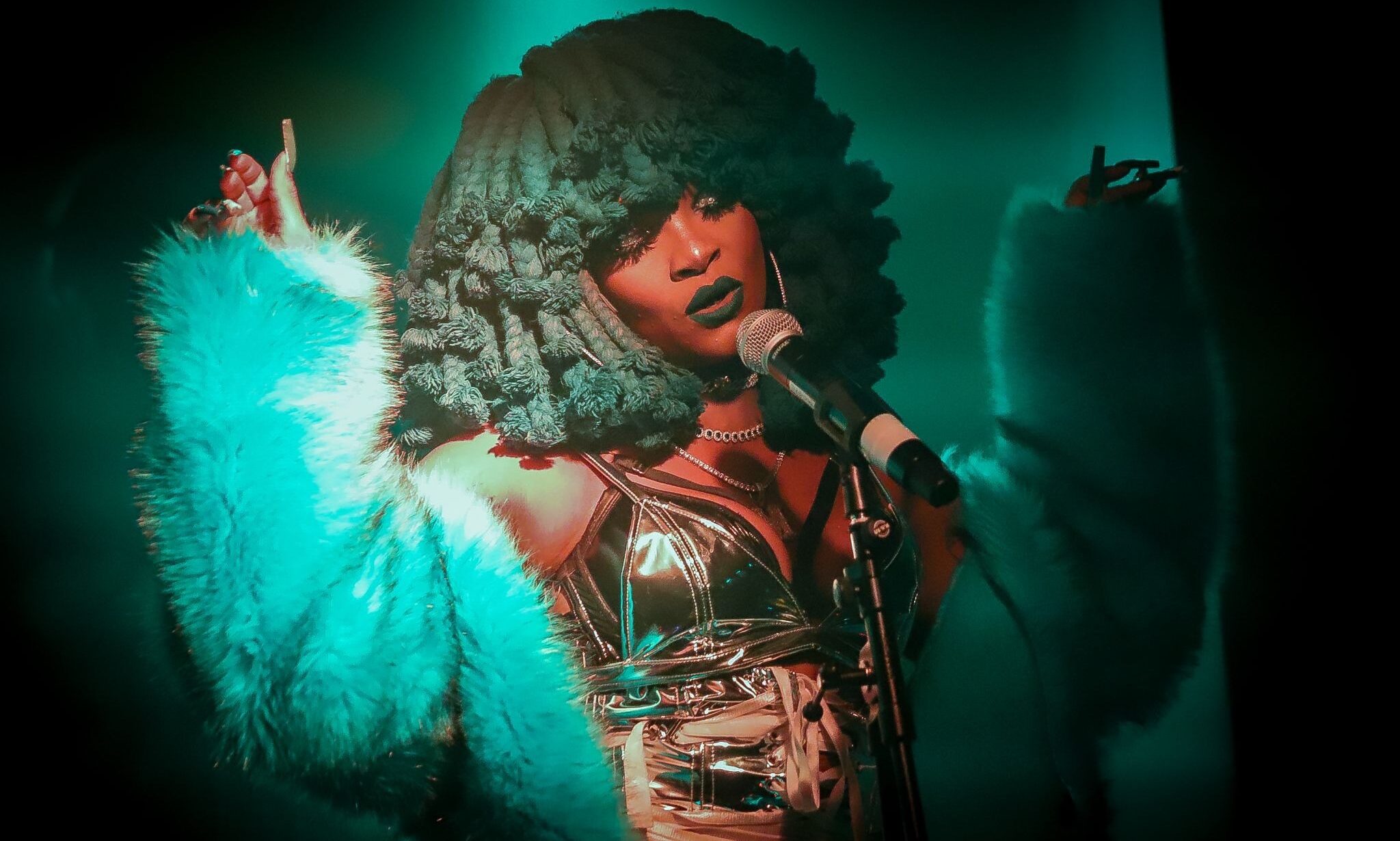
The Mbira Stage is where this was most apparent, with performances from artists such as Ami Faku, Buhlebendalo, Zonke, Langa Mavuso, Simphiwe Dana and Samthing Soweto. The stage was sponsored for a second year by the South African Music Performance Rights Association (SAMPRA) Development Fund, with the aim to support artists who are SAMPRA members by providing them with a platform to share their art with fans. The fund supports its members and the music industry at large in a number of areas, including funding for organisations, travel and touring, music production and live events.
Mbira Stage Day 1: Ami Faku, Buhlebendalo and Zonke
Opening the festivities on the Mbira Stage on Friday evening was Afropop sensation Ami Faku. Dressed in a long, body-hugging black dress, the Eastern Cape native captivated the audience, thanks to a versatile repertoire that touches on many genres, including amapiano. She wove a musical tapestry that exemplified the beauty of live music while creating an intimate atmosphere. The crowd sang along to many of her well-known songs like ‘Inde Lendlela’, ‘Abalele’ and ‘Imali’. When she sang ‘Asibe Happy’, the entire crowd joined in, dancing and singing along passionately. The chorus of the song could be heard resonating through the halls of the convention centre and into the streets.
Buhlebendalo followed, unflinchingly tackling the task of following Ami Faku’s upbeat set. Dressed in all-white and accompanied by an all-female band, the songstress took the audience on a journey of storytelling and sacred African spirituality with her blend of traditional Xhosa sounds and Afro-fusion elements. The singer’s performance was an invitation to gather around, listen and witness her summoning her spirit guides. While performing, Buhlebendalo would periodically burn impepho – a traditional ritual to acknowledge the presence of the ancestors. To close her performance, Buhlebendalo invited Sjava onstage for a rendition of their collaborative track ‘Ilanga’, resulting in an eruption of excitement.
South Africa’s ‘Queen of Afro-soul’, Zonke, also graced the Mbira Stage that evening. She took the public on a trip down memory lane with her hits. The crowd accompanied her on almost every song, and became ecstatic when she sang her soulful hit ‘Feelings’, which is now a classic in the South African Afro-soul catalogue.
Mbira Stage Day 2: Langa Mavuso, Simphiwe Dana and Samthing Soweto
Opening the performances on the Mbira Stage on the second night, Langa Mavuso mesmerised the crowd with his R&B and soul melodies. He gave an energetic performance, often lending the mic to fans to sing part of his songs while serenading the ladies in the front row. His performance was followed by Simphiwe Dana who had the difficult task of keeping up with his spirited set. After a languid start, her show eventually picked up pace with her interpretation of the famous Swahili love song ‘Malaika’, which was popularised by Miriam Makeba and Harry Belafonte. ‘Thina Sizwe’ was a standout moment that resonated deeply with the fans, and reminded everyone in attendance why Dana is one of South Africa’s most beoved singers.
However, the pinnacle of the evening came with Samthing Soweto closing the show. His performance was a whirlwind of highlights. Whether it was an elderly lady dancing exuberantly on a chair or the crowd chanting, “We want more, we want more!”, every moment was unforgettable.
Alexander Beets Quintet and Andreas Vollenweider & Friends
A challenge that Joy of Jazz attendees face is the tough decision of choosing which performance to watch. It’s a good problem to have, some might say, by being spoilt for choice of good music. However, the Joy of Jazz experience cannot be complete without watching at least some international acts.
Describing his performance as “60 minutes of kung fu jazz” to the Conga stage’s audience, Dutch tenor saxophonist Alexander Beets and his quintet delighted the crowd with their uptempo set. The show featured upcoming Brazilian alto saxophonist Lucas Santana. The instrumentalist, who is a rising star in the Brazilian and Dutch jazz scenes, was definitely the highlight of the set, with the crowd responding euphorically at his solos.
On the Dinaledi Stage, South African trumpeter Marcus Wyatt took the attendees on a mesmerising journey through space and time. The fusion of horns and interplay between Wyatt and the musicians accompanying him on stage created a captivating narrative that touched the depths of one’s soul and united festivalgoers in silent self-reflection.
Later in the evening, on the same stage, a performance by Andreas Vollenweider and Friends also stood out. For most listeners, the harp is a quiet and meditative instrument. Surprisingly, his approach to the instrument was rather lively, prompting loud cheers. The Swiss harpist engaged the elated crowd, stopping between songs to narrate anecdotes.
The performance was enriched with South Africans sounds when vocalists Ayanda ‘Pyramid’ Nhlangothi, Vusi Nhlapo and Vuyo Tshuma joined him onstage. Speaking to Music In Africa at the press briefing before the show, Tshuma described the performance as “soulful”, “heart-warming” and “something that must be experienced.” Nhlapo further described Vollenweider’s music as “truly magical” and explained that it had been a familiar soundtrack in the townships during the ’80s, playing in taxis, carwashes and shops. Ayanda Pyramid said she felt that she knew Volleweider through his music, long before getting a chance to meet him in real life. She confirmed the feeling of nostalgia and familiarity brought by his music, saying it reminded her of growing up at home. This explains the joyful response of the audience during the first notes of almost every one of his songs. There’s definitely a love story between Vollenweider and the South African public.
Other artists who performed at the year’s edition included American Grammy winner Robert Glasper, South African award-wining pianist and improvisor Nduduzo Makhathini, Inkabi Zezwe (Sjava and Big Zulu), and Zoë Modiga, among others.
Various tributes to departed South African jazz legends by artists such as Max-Hoba (Jabu Khanyile), Titi Luzipo (Gloria Bosman), The Masekela Band (Hugh Masekela) and Billy Monana (Allen Kwela) also took place.
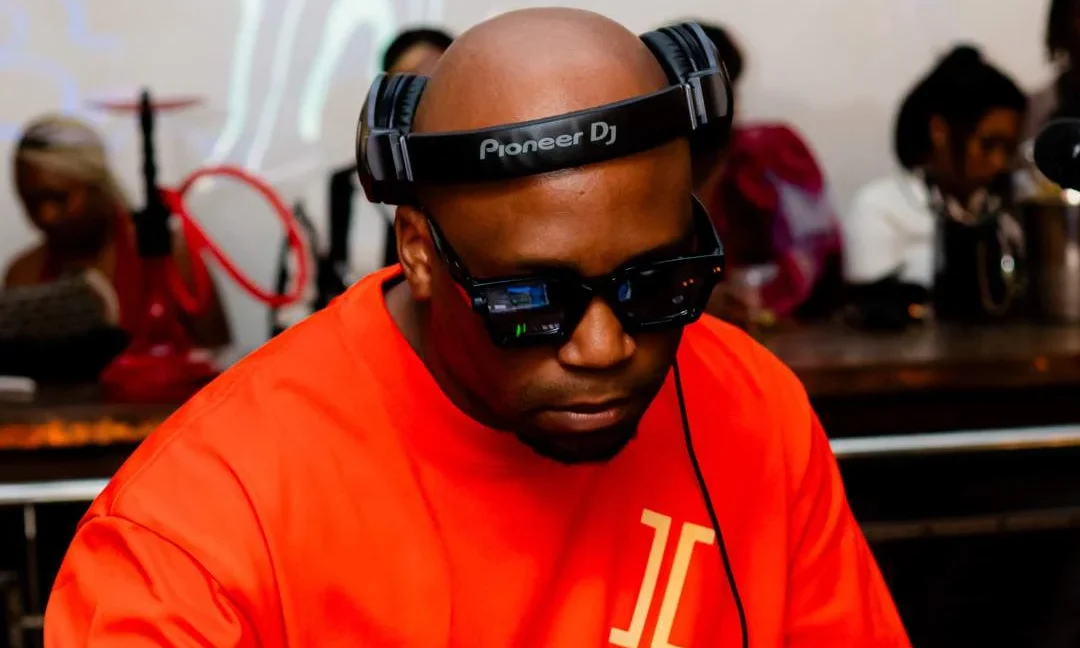
And finally, DJs like Kenzhero, Castro and Happy J took over the Lounge Stage with laid-back sets to entertain those wanting a more relaxed jazz experience, away from the crowded stages.


Most popular

Top amapiano songs of 2026
16 Feb 2026

Call for applications: ACCES 2026 Emerging Artist Spotlight Competition
01 Oct 2026

Top Naija songs of 2026
31 Mar 2026
Open call: 2026 Gender@Work music industry training in Johannesburg
03 Oct 2026

Top Afrobeats songs of 2026
19 Mar 2026

AFRIMA 2026: All the winners
12 Jan 2026
Disclaimer: Music In Africa provides a platform for musicians and contributors to embed music and videos solely for promotional purposes. If any track or video embedded on this platform violates any copyrights please inform us immediately and we will take it down. Please read our Terms of Use for more.

Subscribe to our monthly Newsletter
Follow us on social media


Please log in to post a comment.