


























































Kenyan musician Joseph Kamaru has died. The veteran artist passed away while he was undergoing treatment at MP Shah Hospital in Nairobi, Kenya. He was 79.
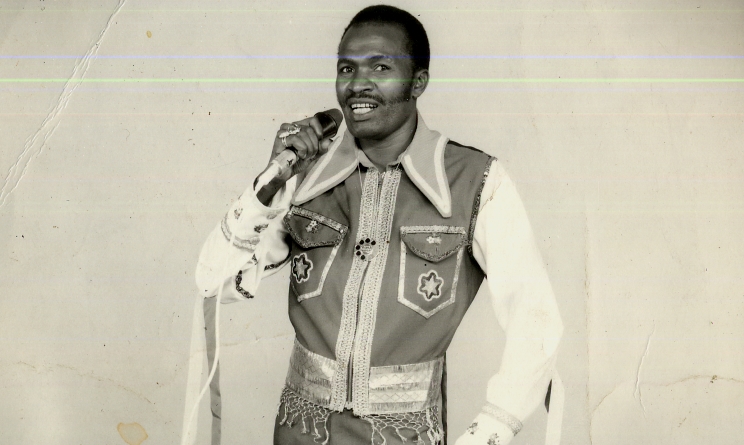
According to a family statement, Kamaru died about 9pm on Wednesday night after developing breathing difficulties. He had been battling Parkinson's disease for some time.
News of Kamaru's death sparked an outpouring of grief from politicians and music industry stakeholders.
“It was a blessing for us as a country to have had such a talented artist who played a big role in promoting the Kenyan brand of music," Kenyan President Uhuru Kenyatta said. "Indeed we will miss his educative music which was unique in many aspects. He was a courageous Kenyan who used his music talent to implore those in authority to fulfil their mandate by heeding to the voice of the masses."
Kenyan musician-turned-politician Jaguar wrote on Twitter: “Heartfelt condolences to the family, friends and fans of Joseph Kamaru. We celebrate his life as a legendary Kenyan musician. #RIPKamaru.”
Kamaru will be remembered for his 3 000 compositions and more than 1 000 recordings in Kikuyu, Swahili and English. This is according to the Retracing Kikuyu Popular Music documentary released in 2010 by Ketebul Music, in which Kamaru is credited as a consultant.
Kamaru’s impressive professional career begun in 1967 with the traditional style. He later shifted to the popular genre of benga. In 1993, Kamaru immersed himself in gospel before returning to secular music in 2008.
Ketebul Music boss Tabu Osusa says Kamaru’s shift from mwomboko to benga happened in the 1970s when kikuyu musicians began collaborating with musicians from other ethnicities.
“They borrowed skilful musicians such as Osumba Rateng from the Luo community, whose benga beat had already become a national centrepiece,” Osusa told Music In Africa.
“Kamaru was a legend. He was one of the greatest Kenyan musicians and can only be compared to the late Daniel Owino Misiani. The two were like the people’s watchmen in terms of taking on the government by singing about issues that affected common people.”
Osusa said Kamaru had revealed plans to set up a cultural centre for the Kikuyu community. “His death is an end of an era. It is now up to the younger generation musicians to ensure that the popular Kikuyu sound is not lost forever. I visited him two months ago at his home when I first heard of his illness but his death is still a shock,” Osusa said.
Kamaru will also be remembered for his collaborations with well-known visual artists. Kenyan comic strip artist and caricaturist Paul Kelemba, popularly known as Maddo, designed most of Kamaru’s album covers since the two struck up a friendship in the early 1980s.
“Kamaru was an icon and he has left us with something that is everlasting – his music,” Kelemba said. “His life was a definition of resistance and individuals like him will always be remembered by history. He commanded respect from both his peers and younger musicians. Each of them compared themselves to him not to be better than him but just to measure up.”
Kamaru’s hits include ‘Nuun Ucio’, ‘Wendo wa Cebe Cebe’, ‘Reke Nagwitikirie’ and ‘Gathoni’, among many others.


Most popular

Top amapiano songs of 2026
16 Feb 2026

Call for applications: ACCES 2026 Emerging Artist Spotlight Competition
01 Oct 2026

Top Naija songs of 2026
31 Mar 2026

Top Afrobeats songs of 2026
19 Mar 2026
Open call: 2026 Gender@Work music industry training in Johannesburg
03 Oct 2026
AFRIMA 2026: All the winners
12 Jan 2026
Disclaimer: Music In Africa provides a platform for musicians and contributors to embed music and videos solely for promotional purposes. If any track or video embedded on this platform violates any copyrights please inform us immediately and we will take it down. Please read our Terms of Use for more.

Subscribe to our monthly Newsletter
Follow us on social media


Please log in to post a comment.