






































Kyekyeku talks about being high on life with Ghanalogue project
23 Aug 2019 - 12:32


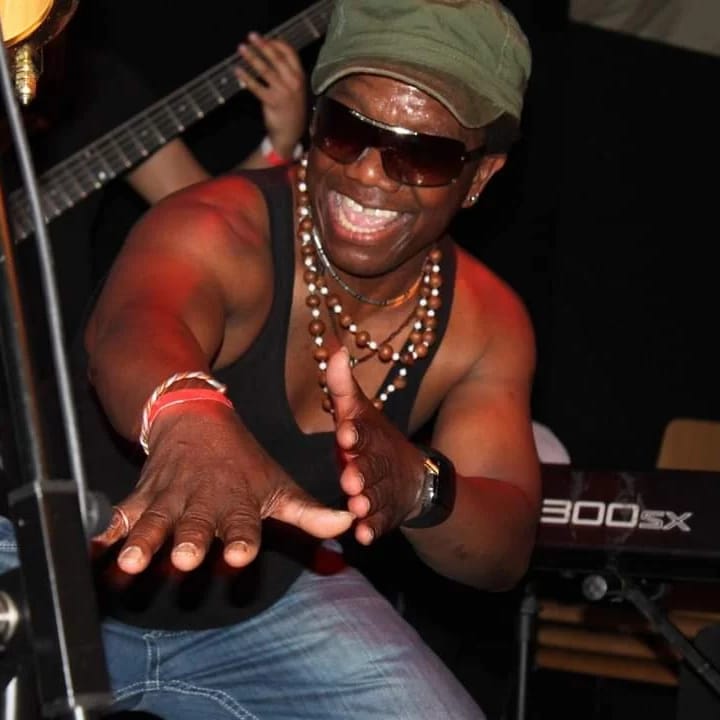
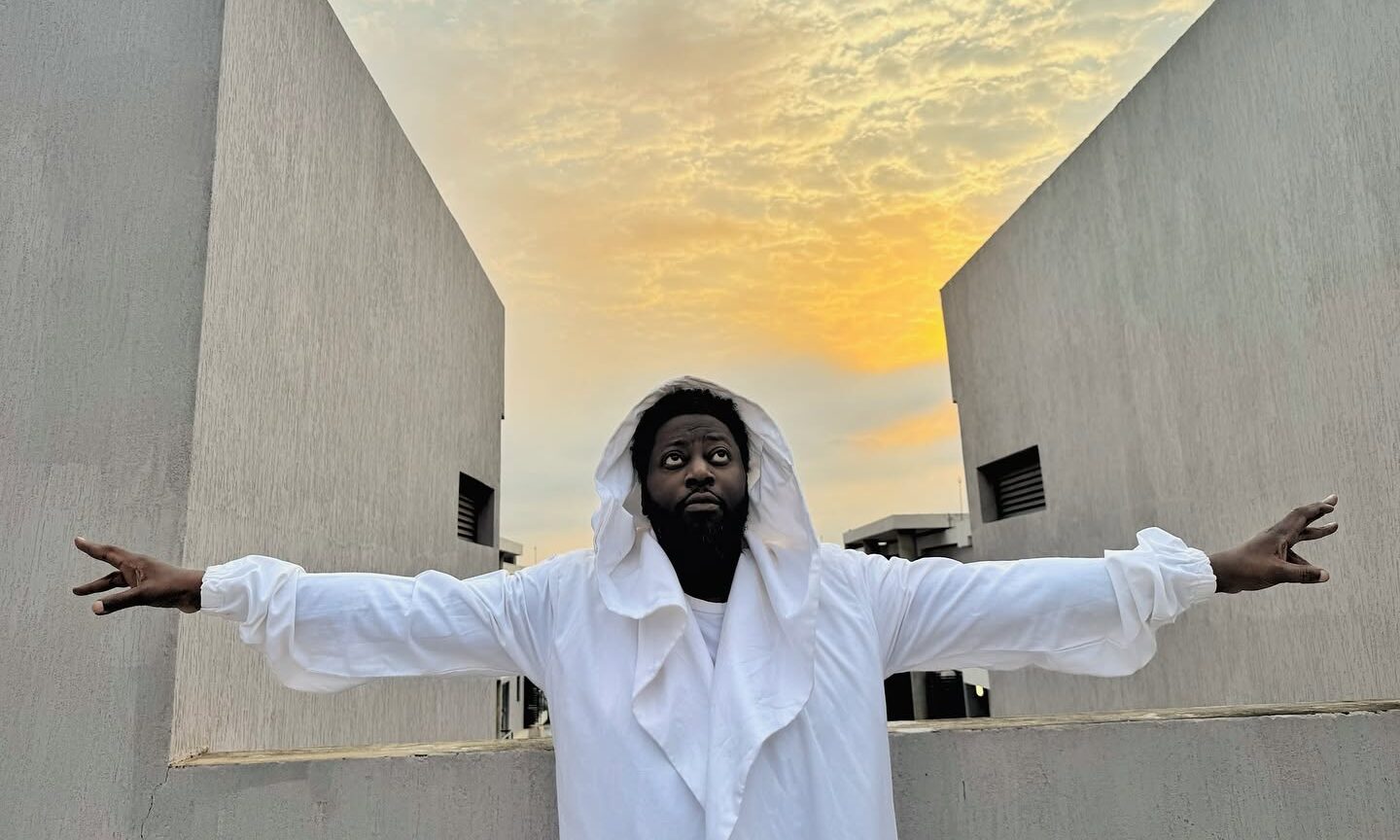
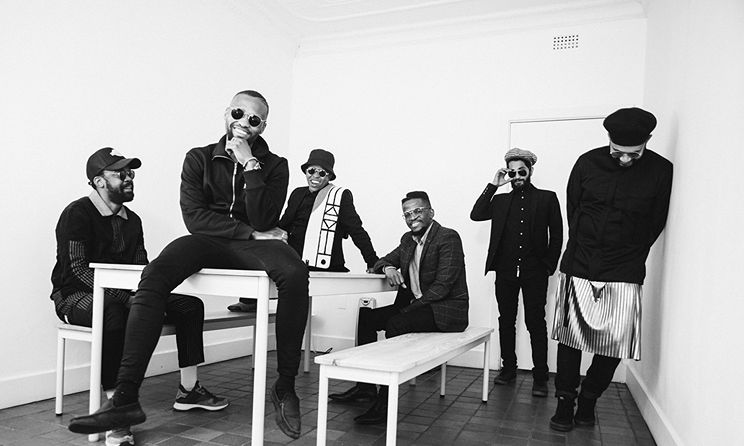
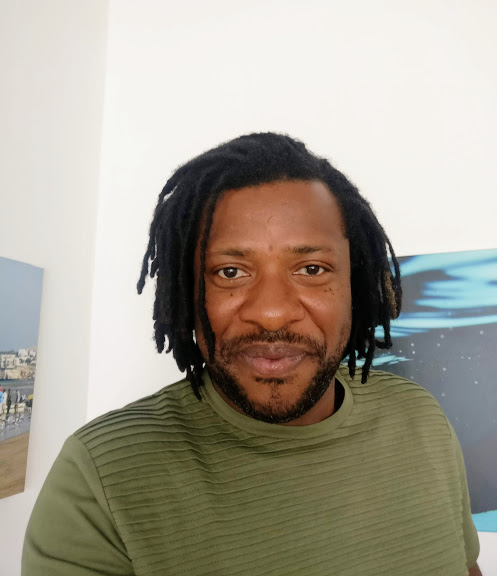
Kyekyeku is a highlife musician who has brought the genre to young Ghanaians in a style that is contemporary yet filled with nostalgia. Born in Jos, Nigeria, and raised in Ghana, Kyekyeku (pronounced ‘checheku’) is a creative force with a host of ideas. His dexterity on the guitar is impressive, and his band Ghanalogue Highlife is an exciting high-octane patchwork of the country's highlife, palm-wine and Afrobeat heritage.
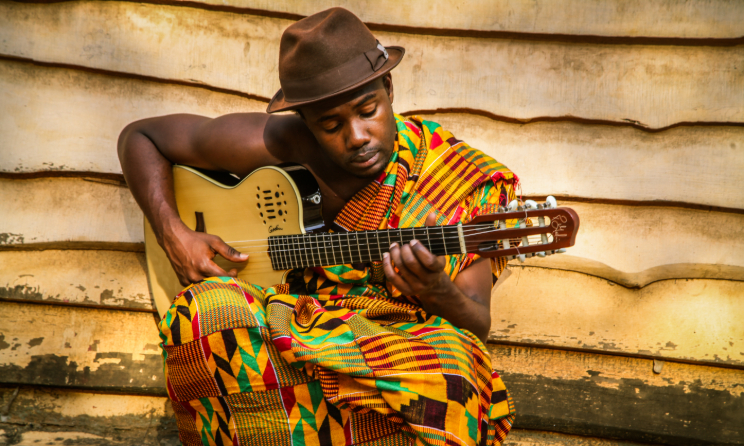
Kyekyeku has brought new excitement to his contemporaries, exploring and touring with music from Ghana and showcasing highlife and its modern iterations across Africa and Europe.
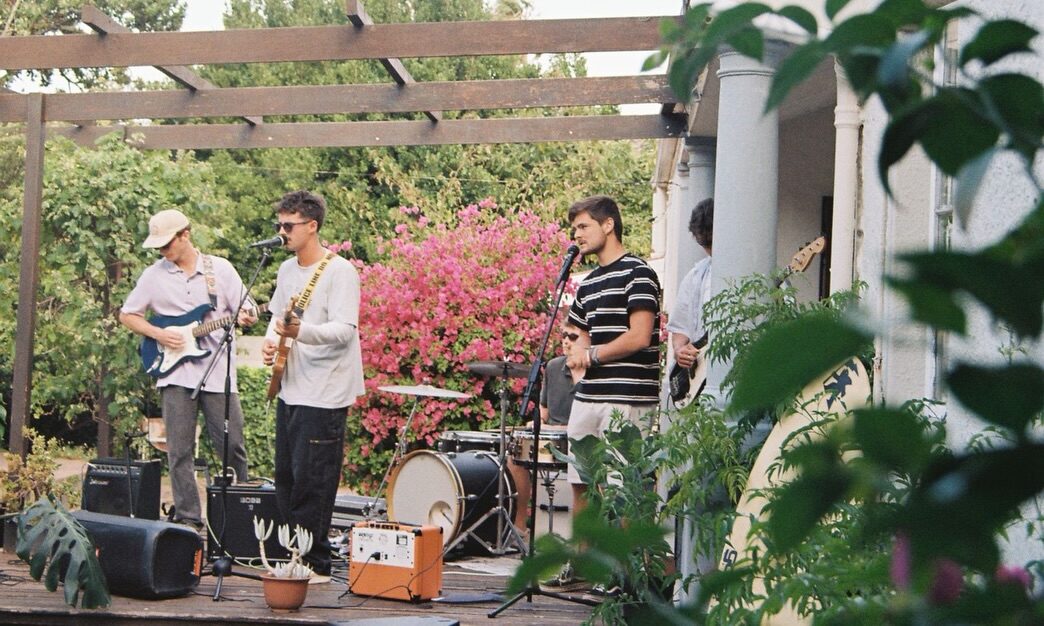
The band is well known on the Accra live scene and has performed at events such as MASA (Ivory Coast), Sauti za Busara (Zanzibar) and Visa For Music (Morocco), and shared the stage with Salif Keita and Richard Bona at the recent Stanbic Ghana Jazz Festival in Accra.
Ghanalogue will perform at Joy of Jazz festival in Johannesburg, South Africa, in September 2019 and then at the pan-Africa ACCES music conference in Accra this November.
MUSIC IN AFRICA: Who is Kyekyeku?
KYEKYEKU: Kyekyeku is a musician and bandleader of the project Ghanalogue Highlife. Still charting my path and it’s often difficult to say exactly who I am. But for sure I know that I am experiencing a lot with music and sharing that with Africa and the world.
How long have you been in music and what led you to becoming a musician?
Professionally, I have been doing music for about eight years. But I was always meddling with music from a young age. My first musical memories date from when I was about three years old.
I experienced a natural entry into music, first from hearing a wide variety of music on outdoor speakers, radio and my dad’s collection of LPs, cassettes and videos. However, the defining moment was when I started to play the organ at Catholic Church and when I met a great folk musician by the name of Koo Nimo from Ghana. Those two events led me to taking a decision to do music professionally.
I was born in Jos, Nigeria, near a Catholic convent. I got to hear hymns, canticles and church songs a lot, as my dad was the church organist. At age three, I was brought to Ghana by my mum and handed over to my grandparents. I lived the next five years in a little town in Ghana and that is where I got to hear all sorts of traditional music from Ghana. I was later taken to Accra to join my dad after he finished his studies at Ahmadu Bello University in Zaria, Nigeria.
In Accra, I grew up in a neighbourhood fully immersed in the new wave of ‘80s American hip hop and ‘90s sitcom culture. I was influenced in the way I saw the world through that mix, but then I realised I was losing touch with some Ghanaian traditions. So when it was time for secondary school, I went to a boarding school in Kumasi, a very cultural and traditionally oriented city in Ashanti. That was where I learnt more about my Akan background, highlife music and folk songs. I also got to hear of Fela Kuti and realised my dad knew him, but never told me anything about him. So I started to read more on him and listen to his songs, which became a major influence on my music.
The moniker ‘Kyekyeku’ is onomatopoeic and sounds musical. Is there a meaning to it?
It sure does. My real name is Eugene Oppong Ampadu. Kyekyeku… I just want to repeat that. It is pronounced as che-che-ku. I like it because stressing a name only serves for it to enter into people's consciousness. It is a very old name, an appellation to the name Oppong in Ghana. I think we have lost what it means, and it is a mystery which is why I like it.
What are you currently busy with?
Leading and directing my band, which has been active and visible through hard work, with performances in Ghana, Africa and Europe in the last few years. I am currently taking a break, during my ongoing tour. I have until 24 September when I resume major dates. But I am still performing with other collaborative projects in France until I resume with my group for the rest of the year.
Our final dates take us to Ghana [ACCES] MTN Music Festival and the Joy of Jazz festival in Johannesburg, South Africa. We have been on tour since June, with the whole month of July touring in Spain, with 12 concerts and festivals in that country alone.
How has the experience of playing in a touring band been for you? What’s next?
It has been an exciting, challenging and overall great experience. I was one of the few young people drawing attention and pushing for live music to be performed in Accra. I used to carry my whole sound system around to gigs because pubs didn’t have it. Back then, it was even difficult to perform originals because the audience wanted to hear American covers or songs they already loved. But I stuck to my guns with highlife and my own style. Soon things got moving and one thing led to another. Today I am proud to see a host of my young contemporaries forming bands and actually succeeding with massive tour dates in Ghana and Europe too. I may have contributed to this new wave in Ghana where young people are seeing bands as cool again.
I have self-released two albums: Higher Life on Palmwine [2015] and Sor [2017]. I prefer to perform live rather than record but that idea is getting balanced out with our upcoming album.
How do audiences respond to your music?
I feel fans are quite diverse in my case. We have been followed well in Japan where I got loads of downloads. In Europe people love the music and have stayed connected. In Ghana and Africa, we are always going against a massive tide of urban music, but we still feel the love. That’s why for me it means a lot to play live in front of people, to touch them in a way that I cannot in any other setting.
How would you best describe your music to people who have never heard you?
My music is integrally Ghanaian highlife with a tangent to Afrobeat. It’s a revival of the vintage sounds from the 1970s with punchy horns, rhythms and an overall pulsating vibe to have fun with, while engaging the self to be aware of our situation as humans.
What do you do with your time when you’re not performing or making music?
Sky watching is something I love. I do that to see if I can spot aliens. I have a young family and combining that with music is the greatest journey of life for me.


Most popular

Top amapiano songs of 2026
16 Feb 2026

Top Afrobeats songs of 2026
19 Mar 2026

Top Naija songs of 2026
31 Mar 2026
Open call: Goethe-Institut grants for Southern African creatives
08 Sep 2026
AFRIMA 2026: All the winners
12 Jan 2026
Sun-El Musician confirmed for ACCES 2026 in Joburg
15 Sep 2026
Open Call: Voices For Roxette invites artists worldwide to submit cover versions
15 Sep 2026
Disclaimer: Music In Africa provides a platform for musicians and contributors to embed music and videos solely for promotional purposes. If any track or video embedded on this platform violates any copyrights please inform us immediately and we will take it down. Please read our Terms of Use for more.

Subscribe to our monthly Newsletter
Follow us on social media


Please log in to post a comment.