


























































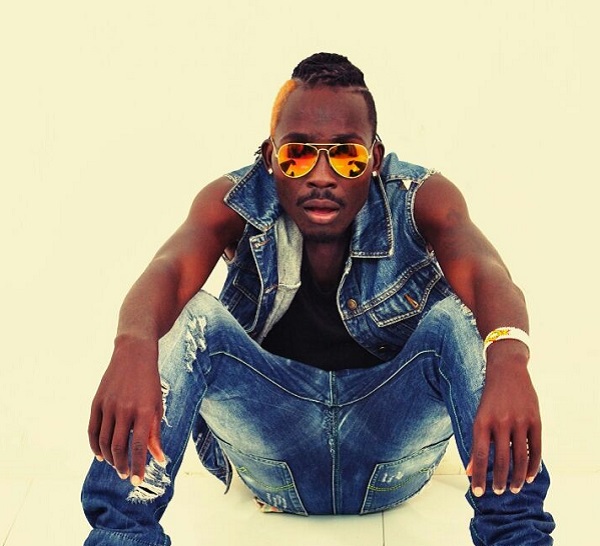
He wasn’t always Lal Daggy, the indomitable deaf artist making his voice heard against all odds. As a young boy growing up in his village in Msanda, Butere, Western Kenya, Douglas Munyendo had a stressful childhood, always on the receiving end of his step-mum’s insults and beatings. She would dismiss him as ‘too dark and deaf’.
Born hearing, he fell sick at age five and thanks to the mysterious illness coupled with neglect and lack of proper medical attention, he lost his ability to speak or hear.
When his father realized the boy could not jostle for attention with the other nine hearing siblings, he took him to Mumias Primary School for the Deaf and later Nyangoma School for the Deaf in Kisumu, where he completed his secondary education.
It was in secondary school that he got introduced to basic music education and folk dances. He won school music competitions and looked up to international artists like Lil Wayne and Snoop Dogg. He’d watch Mseto East Africa, a TV show that celebrates the region’s hip hop music and dream that one day he too would get there. But looking around, there was no deaf Kenyan, even African musician. At best, he thought, he’d be a dancer.
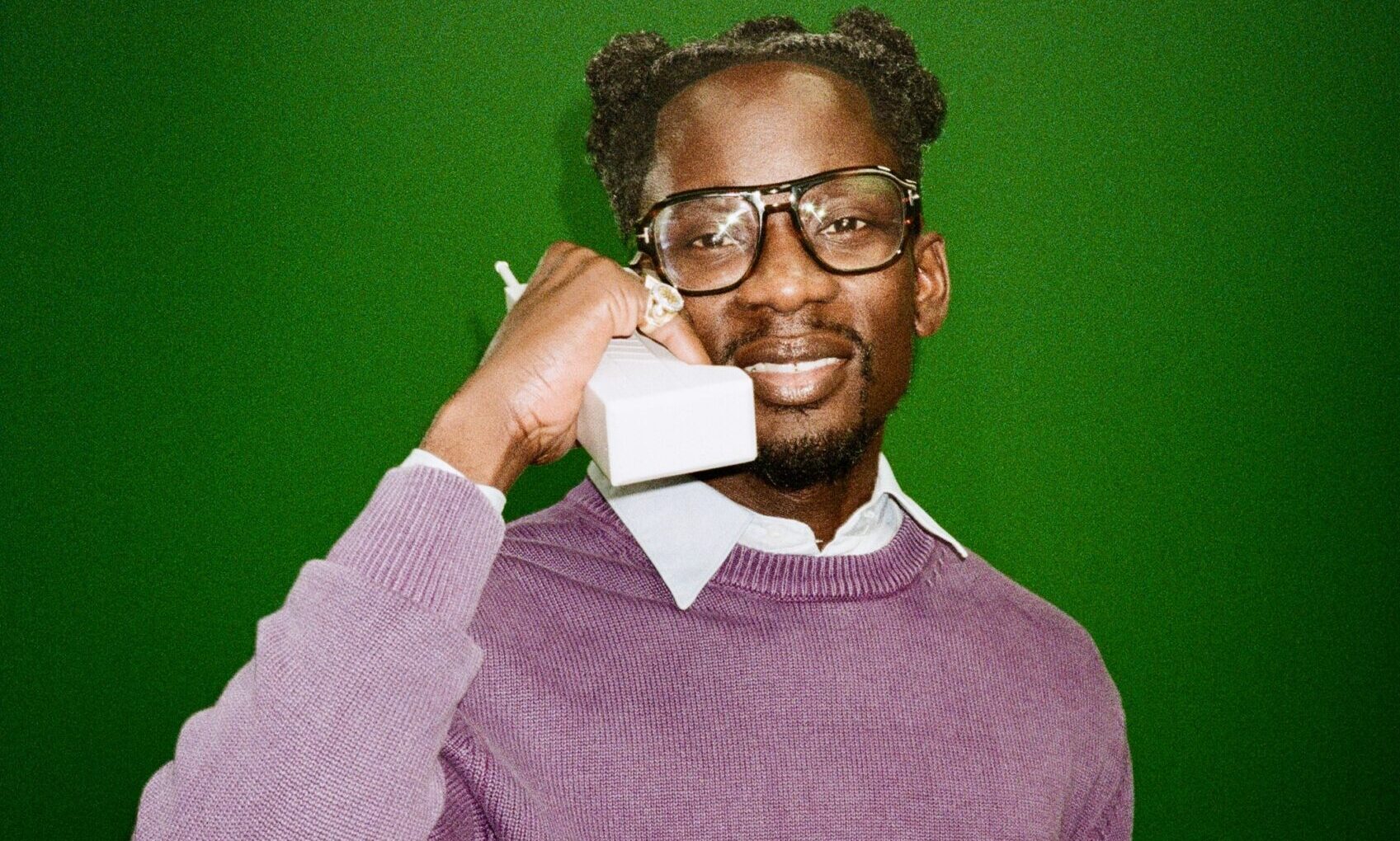
But Daggy has persistently put the obstacles behind him and can now hear the sound of victory approaching. He now moves from media house to media house granting interviews because his talent is undeniable and because he is breaking the ceiling for people with disability and changing perceptions about what they can and cannot do. In person he is animated, always gesturing and cracking jokes. Ripped jeans, printed t-shirt, dreadlocks peeping from underneath his cap and canvas shoes, Daggy’s look is every bit a hip hop artist’s.
He has a standing invitation to State House to perform for the President of Kenya, Uhuru Kenyatta, who lauded Daggy for looking past his disability and setting an example of hard work and self-belief to young people. The upcoming artist is just back from South Africa, where he was invited to participate in an advertisement shoot by Moonlighting Film Productions Ltd.
With six singles to his name, Daggy burst into the scene in 2013, with his smash hit ‘Story ya Machampion’ (The story of champions) where he narrates his journey of courage. He collaborated with hip hop heavyweight Nonini, who took the lyrics and voiced them in genge style.
His break came after he approached Bruce Odhiambo, the then chairman of the Youth Enterprise Development Fund, with a proposal that he help him record a song. Odhiambo, who is also a music producer, though willing to support him, wondered how to record a deaf-mute rapper. He roped in Nonini who was already working with people with albinism, approached the National Council for Persons with Disability and got Daggy a studio. ‘Story ya Machampion’ was released to much acclaim.
“It is the support that I’ve received from established artists like Nonini and Jaguar as well as from Odhiambo and my managers, Signs Media Kenya Ltd, that has pushed me this far.”
His favourite Kenyan artists are Rabbit, Sauti Sol and Nonini. Then there’s Diamond from Tanzania, AKA from South Africa and American artist Wiz Khalifa, who ranks right up there.
And that is exactly what readers would be curious about. How does a deaf person appreciate a song? How does he compose a melody and stay on the beat? How does Daggy dance to music he can’t hear?
His manager, Jared Getanda, explained: “Daggy writes all his music. Of course he can’t sing so we get someone to voice his raps, which he does in sign language. We get a voice that is matched to the style of the song. But music is a universal language and deaf people enjoy it too. There are lots of components to it – rhythm, melody, beat, pitch, tempo – and deaf people access these too, just differently,” he said.
Daggy explains it this way: “I like rap music because I need a heavy beat. One of the things I invest in is good speakers. I have big speakers. In my house I watch TV at full volume and like the videos where the lyrics run at the bottom. I only board the loudest matatus (public van transport) and sit at the front, right next to the speakers. So when I listen to music, I may not hear the melody, but I feel the vibrations and read the artist’s lips”.
But the artist who is now sought after for collabos and is working on one with leading gospel artist Christina Shusho reveals that the hustle has not been easy. In fact, music still doesn’t pay his bills: he is a part-time chicken farmer and gets odd jobs. He’s been a driver and matatu tout, washed cars and sold drinking water. However, since he moved to Nairobi in search of opportunities in music, his determination to be an acclaimed artist has never waned.
“When I started, we were a group of four deaf aspiring artists, but the rest have dropped off due to the challenges. People used to tell us to stop wasting our time. I stayed on, and now it’s paying off,” he said during an interview with Music In Africa.
He explained the challenges of being a deaf artist in Kenya, right from upbringing, where some parents don’t believe a deaf child can achieve as much as a hearing child. Getting information in the music industry is about talking to people, holding meetings and generating publicity in the media, and that is another limitation for the deaf. So he walks around with his sign language interpreter, Jack Owiti. Those looking for jobs hardly get past the application stage if they disclose they’re deaf because they rarely get invited to the interview. It doesn’t help that most people think deaf people cannot be musical because they cannot hear or sing the melody.
His manager has nothing but accolades for a musician who never quits: “Daggy is determined and has a sparky personality that draws people. He is bringing a revolution in the music industry and bridging the gap between the deaf and the hearing in Kenya. He is giving confidence to deaf young people, giving them permission to be anything they want to be”.
Looking to his future, Daggy sees lots of collaborations with local and international artists. He says the last 10 years have seen an unprecedented growth in the music industry and he is a beneficiary of this explosion.
“Young artists need the veterans to support them– feature in their videos and do collaborations with them,” he says.
Daggy intends to work with schools for the deaf to mentor young people in using their talents and to also support them with basic needs such as uniforms and school fees, which many of them struggle to meet. He is already running a programme for the deaf in Dandora, the low-cost neighbourhood from which he started his career.
Watch Daggy's video for 'Story ya Machampion' here:


Most popular

Call for applications: ACCES 2026 Emerging Artist Spotlight Competition
01 Oct 2026

Top amapiano songs of 2026
16 Feb 2026

Top Naija songs of 2026
31 Mar 2026

Open call: 2026 Gender@Work music industry training in Johannesburg
03 Oct 2026

Top Afrobeats songs of 2026
19 Mar 2026

AFRIMA 2026: All the winners
12 Jan 2026
Disclaimer: Music In Africa provides a platform for musicians and contributors to embed music and videos solely for promotional purposes. If any track or video embedded on this platform violates any copyrights please inform us immediately and we will take it down. Please read our Terms of Use for more.

Subscribe to our monthly Newsletter
Follow us on social media


Please log in to post a comment.