

























































Learn to play an instrument to better your music production

21 Nov 2014 - 10:51

by Richard Rumney
Many young aspirant composer / producers don’t come from a traditional music background but rather a DJing background with an interest in making dance and electronic music. After getting some all-in-one software package such as Fruity Loops (FL Studio), Reason or Ableton Live they begin making music using the tricks of the trade that modern software offers.
Before I carry on, it is important to note that good music is good music. There are countless examples of guys who have no background in music and end up making really solid tunes using software.
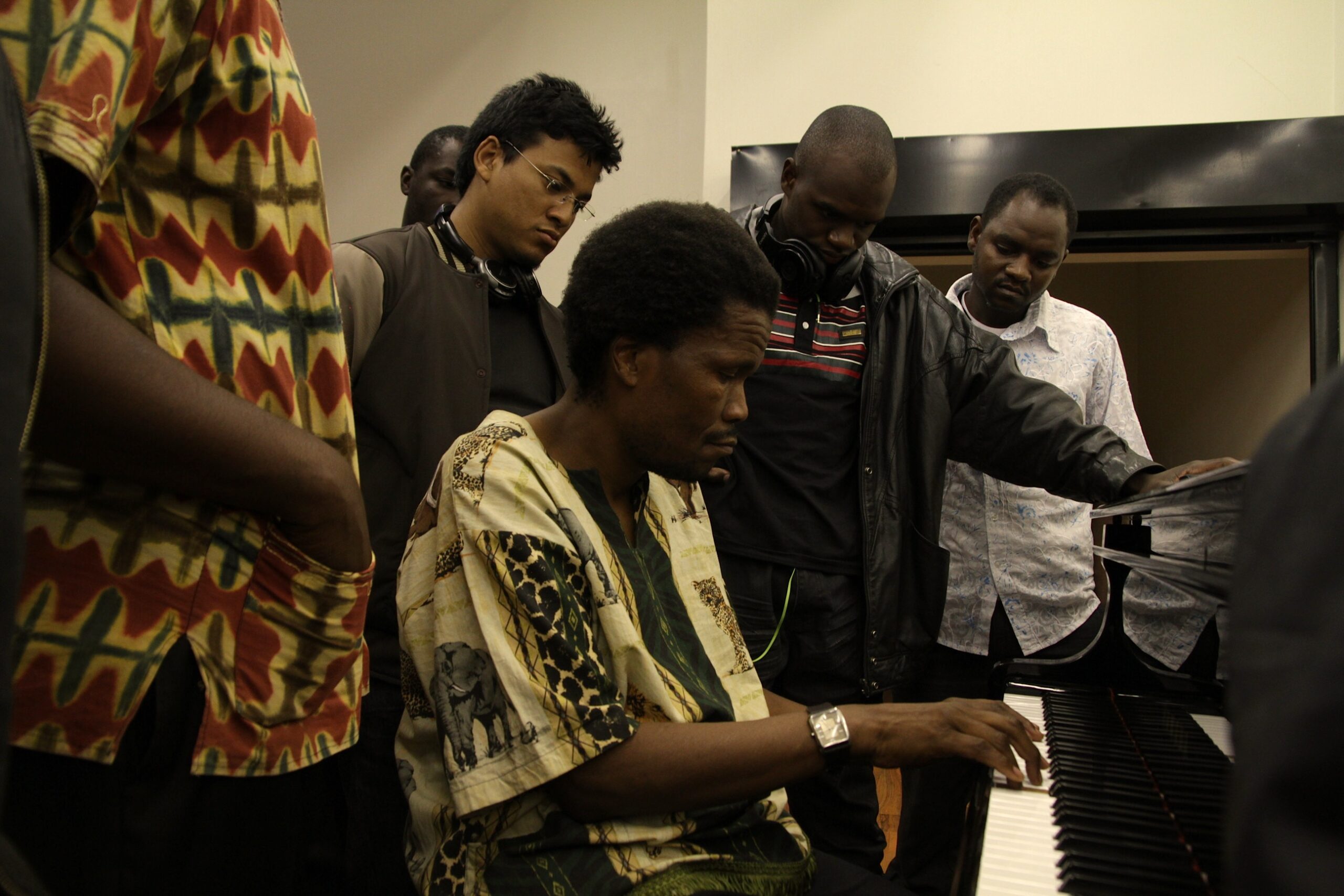
But this article is to encourage computer music makers to push themselves to be better musicians by learning to play a musical instrument. Being able to play an instrument has been the backbone of music for centuries and is one of the most enjoyable skills to have. Whether its keyboard / piano, guitar, bass, drums, percussion, wind or horn instruments, if you feel you are already making great music with just software and a controller, imagine what you could do if you could play like a pro.
Richness and depth of music
If you have a passion and love for music you’re likely to be able to take a keyboard and bang out a catchy melody just by using your ear. But melody is just the starting point for many songs. One needs to add harmony to the basic melody. And once you’re added harmony you might want to build on the structure of the song by looking at chord progression. The point is although a good melody is often fine on its own, it’s great to be able to harmonise and build upon the melody if you feel that the song could benefit from that. Learning to play an instrument will give you the basic music theory you need to be able to add a richness and depth to your music that you will struggle with otherwise.
Musicians have the ‘feel’
Of course you could study music theory without having to learn how to play an instrument. And modern software such as Ableton, Cubase and Logic have tools that do thing such as making sure that the notes you play stay in a chosen musical scale or others that build chords out of just one note as an example. But the end result, although musically perfect, often sounds too rigid. When you program in music the notes are all perfectly timed and play back at a constant velocity (volume). Playing and recording an instrument ‘live’ means that there are subtle variations in the timing and expression of the notes which makes all the difference. And the best part is that if you really play badly, you have the option of auto-correcting your performance if you really need to.
Nothing sounds better than the real thing
Although many instruments can be faithfully emulated by virtual software some musical instruments will just never sound as good as the real thing. Guitar, particularly acoustic, horn and wind instruments, bowed instruments to a degree, even many keyboard instruments such as piano and percussion instruments such as a drum kit, really need to be played and recorded to get an accurate sound representation. Of course if you are a producer you can hire session musicians to play your music but if you actually know how to play an instrument you can just record your own performance which is a lot cheaper and easier than hiring someone to do it for you.
Sampling: a limited resource
Most music software packages come with bundled copyright-free music sample loops that anyone can use in one’s music. This allows many music makers to get around the problem of not having an understanding of music and because the samples are often recordings of real instruments it helps people get around the problem of certain instruments needing to be recorded to sound right. But how long can you use samples before you create something original? If everyone has access to those same samples as you do, then you run the risk of your music sounding like many other producers out there. Just think about it: You’re all set to release a banging track with a catchy hook and then you hear that same hook in a shampoo commercial on TV. There’s nothing you can do about it, and unless you want your music associated with shampoo, you have to change the song. Better to make your own samples.
Improve your show
DJs are great entertainers and the iconic image of a guy with one headphone pressed between his ear and shoulder with two turntables in front of him has become as cool a look as a guy with a guitar swinging in front of his pelvis. But increasingly musicians and DJs are stepping behind the DJ booth to not only play other people’s records but also play their own instruments. Just look at Goldfish: Sure they make great music, but they wouldn’t be half as popular if they didn’t have such a great live show where they play real musical instruments in night-clubs and live music venues alike.
If you play in a band then this article would obviously be redundant to you. But if you are one of the many aspirant DJ/producers coming out of house-music-mad South Africa, you should really consider learning an instrument. You might want to just learn the basics or you might end up striving to become a virtuoso. In the end the time you invest in learning to play an instrument will really pay off allowing you to create rich, versatile music without restriction.


Most popular

Top Naija songs of 2026
31 Mar 2026

Top Afrobeats songs of 2026
19 Mar 2026

Ghana: Mr Eazi and MOLIY’s ‘Comfort’ earns Urban Music Awards nomination
21 Oct 2026

Top amapiano songs of 2026
16 Feb 2026

Open call: CANEX Music Business Lab and Songwriting Camp
15 Oct 2026

Nigeria: CANEX WKND unveils 2026 programme
21 Oct 2026
Disclaimer: Music In Africa provides a platform for musicians and contributors to embed music and videos solely for promotional purposes. If any track or video embedded on this platform violates any copyrights please inform us immediately and we will take it down. Please read our Terms of Use for more.

Subscribe to our monthly Newsletter
Follow us on social media


Please log in to post a comment.