
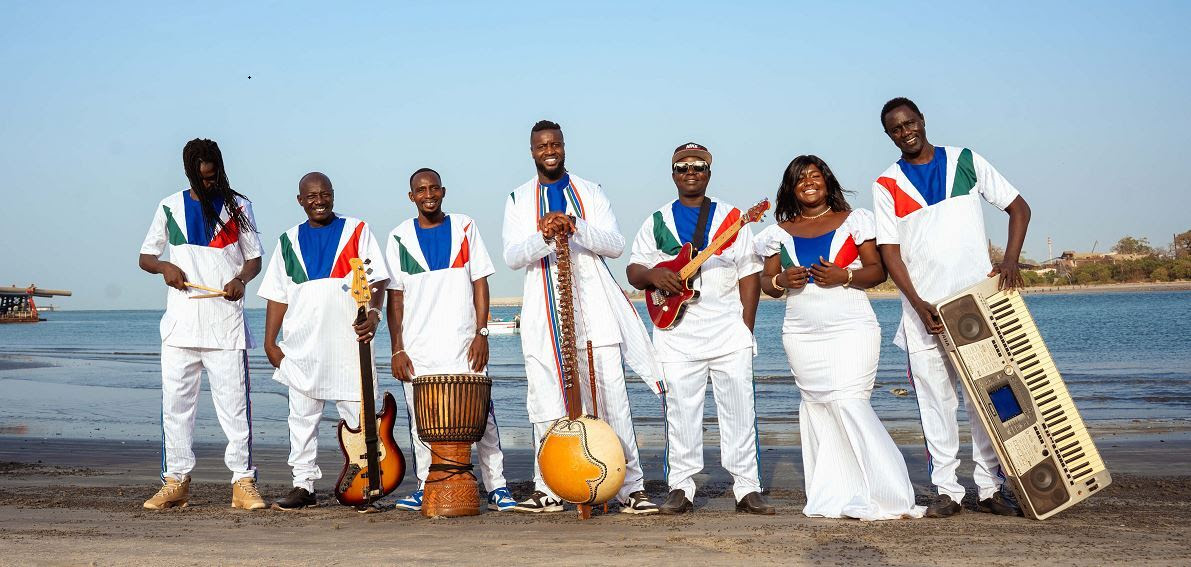
















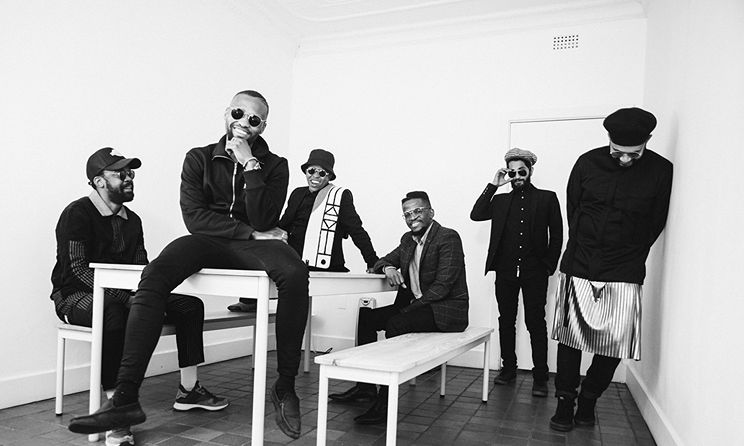








































The Limericks jazz band will perform at the fifth anniversary of Safaricom International Jazz Festival at Kasarani Training Grounds in Nairobi, Kenya, this weekend.
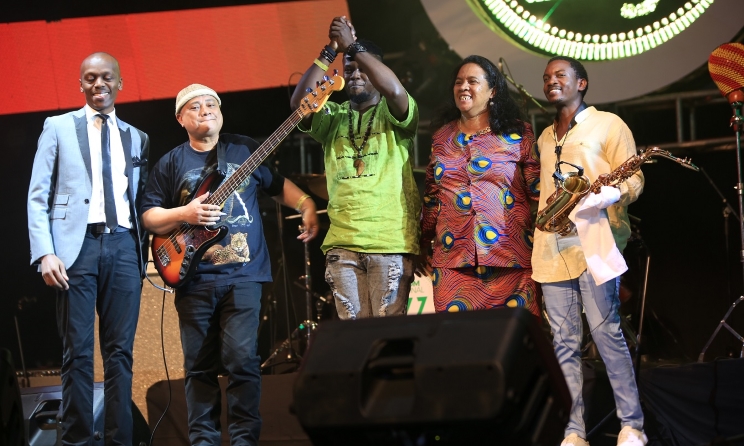
The charity festival is sponsored by Kenyan telco giant and mobile money transfer service provider Safaricom in efforts to raise funds for its Ghetto Classics programme, which is designed for slum kids in the cities of Nairobi and Mombasa. The festival has donated more than 37 million Kenyan shillings ($365 000) since it was first held in 2014.
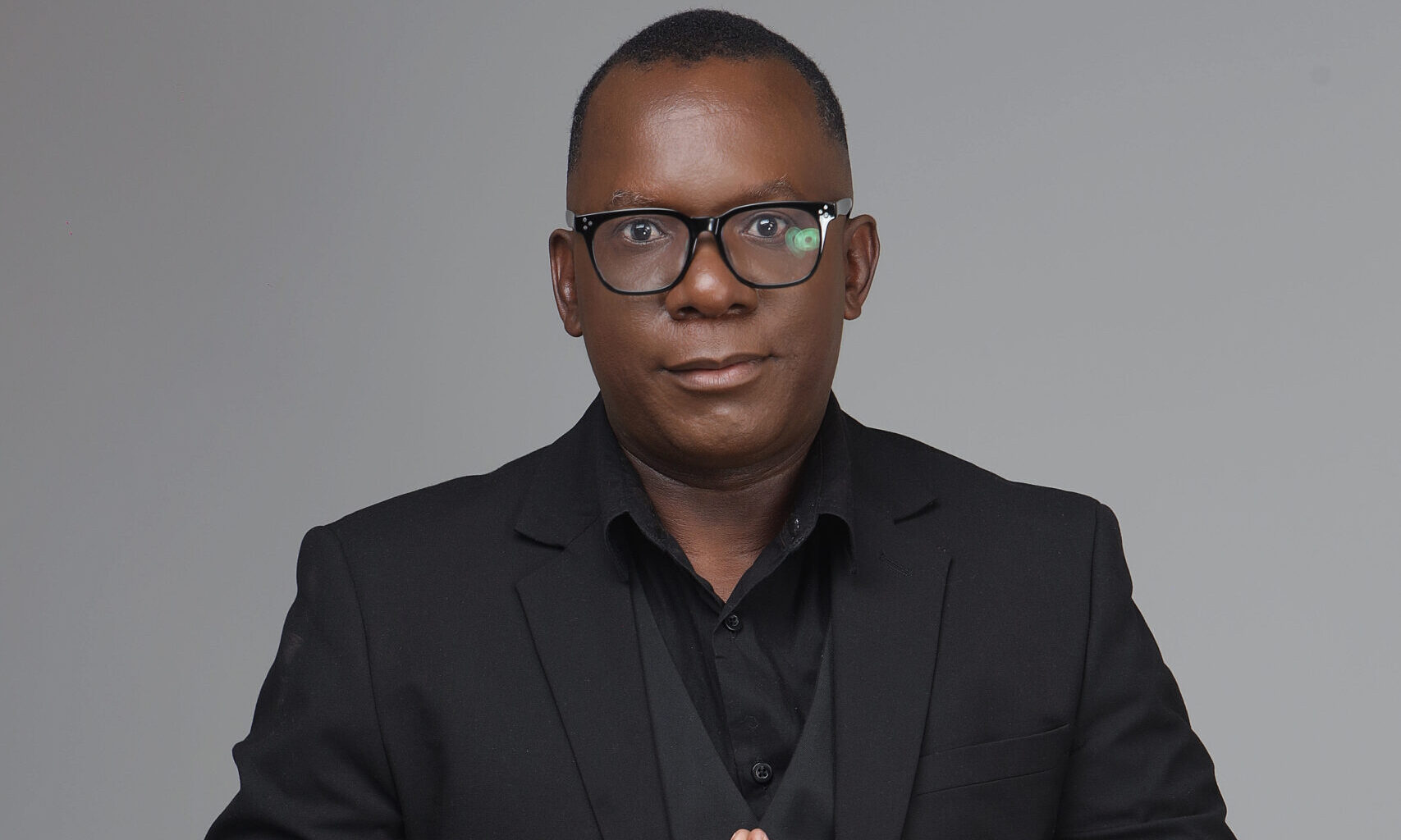
Music In Africa caught up with Limericks founding member, musical director and keyboardist Ken Mwara to talk about the formation of the group, the nickname ‘the United Nations of Jazz Bands’ and the mood among the band members before they share the stage with American jazz trio BWB (Braun-Whalum-Brown).
MUSIC IN AFRICA: What are your expectations of playing at Safaricom Jazz Festival and sharing the stage with BWB?
KEN MWARA: Our expectations are very simple: to have everyone in the audience on Friday night personally impacted by our music. Sharing the stage with BWB is a dream come true for us, as for any other musician, and we cannot wait to interact, have fun and soak in as much as possible from them.
This will not be your first performance at Safaricom Jazz. How beneficial has the experience of playing the festival been for your careers?
The Safaricom International Jazz Festival has opened up incredible doors for The Limericks in that before the festival some people in close quarters never knew about us. Now, everyone, and I mean everyone, knows about us. The other day, I went to watch Thierry Henry in Kenya and his personal bodyguard called me Mr Limericks!
Additionally, any time I forward the festival links to a potential client to watch the band in action, the deal is sealed – and without much haggling. That is the kind of eyeballs that the big stage has given to our band and brand as well as exposure to all manner of consumers of our craft.
As you know, all proceeds from the event will go to Ghetto Classics. What’s the band’s approach to charity and social responsibility?
We managed to visit the Ghetto Classics children at the M-Pesa Academy in November and it was the most overwhelming experience. For us, there is no other greater calling other than to impact another musician and pass on some of our skills, expertise and experiences that can better them professionally. To that end, we are planning to return to the academy to carry on with the programme we started.
Who assembled the band and why the nickname ‘United Nations of Jazz Bands'?
I started the band in 2007. Our vocalist Fafa had just come down from Madagascar and was looking for inroads into the live jazz scene. We were introduced by a mutual friend, and kicked off The Limericks. Then Danz, our phenomenal bass player, joined us a little later followed by Richie on drums and finally saxophonist Brian 'Buula' Mugenyi from Uganda. As you have already picked out from the composition of the band, more than half the members are not from Kenya. So this was the genesis of the coined phrase ‘the United Nations of Jazz Bands' used to describe The Limericks.
Jazz in Kenya was considered to be ‘the rich man’s music’ from as early as the 1950s. How do you see the Kenyan jazz scene at the moment?
The reception to jazz has changed dramatically as more and more people get acquainted to it. There is a lot more demand for jazz at establishments thereby creating employment for upcoming jazz musicians, as well as at weddings, events and corporate functions where experience and finesse in the craft plays a part for more befitting musicians.
There is no doubt that the Kenyan jazz scene has grown tremendously by leaps and bounds from the days when Jacob Asiyo, Mwai Lawrence and Chris Bittok started it all to the Safaricom International Jazz Festival platform. With that, young kids are now exposed to jazz music and in this social media and Internet age, they have all the resources at their disposal to dig deeper into it and refine it even further, thus making it no longer a rich man’s reserve but a passionate man’s indulgence.
What is the worst gig experience you’ve ever had?
There was this one time in high school at Starehe Boys Centre, when it was my week to play hymns at evening assembly. So I was to do the intro, then everyone starts after me. Ken being Ken chose one of the sweetest hymns, yet the hardest to play. I had rehearsed it for like a week and was more than confident, but somehow at that assembly hall, in front of about 1 000 students, my mind froze.
I started off the intro and after about two bars in I forgot everything. So, I started it again and froze again. Third time, same thing. After the fourth attempt and in the midst of bursts of laughter, the director, Geoffrey Griffin, walked up to me and in a calm manner asked me if I would like to choose a simpler hymn. Again, Ken being Ken, I said, no, I would try it one more time. I started the intro one last time and it worked. That was my most embarrassing performance ever.
Best experience?
Best would definitely be the Safaricom International Jazz Festival. We put a lot of work into our repertoire for almost a year and the results spoke for themselves. When Alune Wade called us back onstage to jam with him on the encore, we were absolutely humbled as this never happens normally. We didn’t see it coming.
How do you promote the band locally?
By formulating our own shows and that is why we did the To Hugh With Love tribute concert, which was a provenance production with the venue sponsored by Safaricom at the Michael Joseph Centre. We look forward to doing even more shows this year and taking the shows to every part of the country, be it in community halls, schools, churches, clubs or restaurants.
If your band were to be allowed to perform one song before the world ended, which would it be and why?
[Laughs] I think there would be as many answers to this question as the members of the band. However, if I really had to pick one song I would go for a Limericks rendition of ‘Round Midnight’. Picture Thelonius Monk featuring Miles Davis with a touch of Kenyan pentatonic harmonies, Ugandan counterpoint, and Madagascan rhythms, all amalgamated into that heavenly melody.
Catch The Limericks on Friday 23 February at the Safaricom International Jazz Festival. For more information, visit the festival’s official website.


Most popular
Open call: 2026 Gender@Work music industry training in Johannesburg
09 Oct 2026

Top amapiano songs of 2026
16 Feb 2026
Gambia: Suntou Susso announce UK tour for ‘The Path of a Griot’
09 Oct 2026

Top Afrobeats songs of 2026
19 Mar 2026

Top Naija songs of 2026
31 Mar 2026
Call for applications: ACCES 2026 Emerging Artist Spotlight Competition
01 Oct 2026
Disclaimer: Music In Africa provides a platform for musicians and contributors to embed music and videos solely for promotional purposes. If any track or video embedded on this platform violates any copyrights please inform us immediately and we will take it down. Please read our Terms of Use for more.

Subscribe to our monthly Newsletter
Follow us on social media


Please log in to post a comment.