




























































Linking Past To Present: African Music and the Archive

29 Aug 2017 - 17:42

Dr. Sylvia Antonia Nannyonga-Tamusuza, Makerere University and University of Pittsburgh (USA) graduate, is Associate Professor of Music and of Performing Arts and Film Department at Makerere University. Dr. Nannyonga-Tamusuza is the Coordinator of the Ethnomusicology in Uganda Projects and the founder and Curator of the Makerere University Klaus Wachsmann Music Archive. She recently gave a talk on Dialogic Archival Documentation in the Wits University Humanities Graduate Centre Seminar Room in the 29th of August 2017. This article is a summary of events and thinking through music and the archive in Africa and suggestions for contempory modes of archiving.
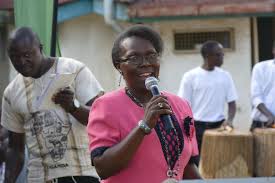
Dr. Sylvia Antonia Nannyonga-Tamusuza, Makerere University and University of Pittsburgh (USA) graduate, is Associate Professor of Music and of Performing Arts and Film Department at Makerere University. Dr. Nannyonga-Tamusuza is the Coordinator of the Ethnomusicology in Uganda Projects and the founder and Curator of the Makerere University Klaus Wachsmann Music Archive. She recently gave a talk on Dialogic Archival Documentation in the Wits University Humanities Graduate Centre Seminar Room in the 29th of August 2017. This article is a summary of events and thinking through music and the archive in Africa and suggestions for contempory modes of archiving.
An Archive is a collection of historical documents or records providing information about a place, institution, or group of people. Music archives usually include Audio-Visual materials that document the music of a people and narratives of musicians and contexts of music making. The archive is important in order to document knowledge and resources that are to be useful in the future. To repatriate is to send something back to its own country. In present day archives that are outside of Africa containing and documenting African need to be brought back to home soil.
Prof Nannyonga-Tamusuza's talk was focusing on Decolonizing the archive in order to return it to its home country and enhance its value by connecting it to present day users. She starts her talk off by suggesting that we need to ‘’advocate for a systematic, dynamic and dialogic documentation as a necessity to link audio-visual archival collections of the past into the present and that the archival community must have a dialogic relationship in order to connect audio-visual collections of the past into the present and if these archives are to have enduring value to future generations’’.
She mentions how Archives are colonized presently: Archives are seen to be a building housing materials, this building is housed outside of Africa usually in Europe and America and the context of Archiving was colonialism and Christianization. Colonial Archives are haunted by the colonial agenda and language barriers between collectors and communities being collected from.She further suggests that in order to decolonize the archive, archives need to be established in Africa and for Africans to set the Agenda. Archives containing african materials outside of africa to be returned to their home countries and to the original communities.
Archives are a mode of knowledge production and archiving is important to preserve music and to reconstruct meanings of old music and help present day communities to connect with music from their past.I believe that music journalism is a form of archiving as what music journalists are documenting and listening to now will become the past in about 60 years. Contemporary forms of archiving could be in the online sphere in terms of articles online and videos and recordings of songs. It is so much easier to store information, notes and recordings in the digital space.
Music journalists could also wear the archivists hat, we would approach the way we write about music in order to give future readers a glimpse of the music of today.
Nannyonga-Tamusuza's talk was an moment of reminding present day users and writers of music of the importants of preservation and docummention.


Most popular

Top Naija songs of 2026
31 Mar 2026

Ghana: Mr Eazi and MOLIY’s ‘Comfort’ earns Urban Music Awards nomination
21 Oct 2026

Top Afrobeats songs of 2026
19 Mar 2026

Top amapiano songs of 2026
16 Feb 2026
Open call: CANEX Music Business Lab and Songwriting Camp
15 Oct 2026
Nigeria: CANEX WKND unveils 2026 programme
21 Oct 2026
Disclaimer: Music In Africa provides a platform for musicians and contributors to embed music and videos solely for promotional purposes. If any track or video embedded on this platform violates any copyrights please inform us immediately and we will take it down. Please read our Terms of Use for more.

Subscribe to our monthly Newsletter
Follow us on social media


Please log in to post a comment.