




























































The live music industry in DR Congo: A complex, yet dynamic system.
06 Dec 2014 - 14:53


Congolese musicians lack qualified artistic agents such as managers. Furthermore there is no any known musical calendar of events. Still, the Congolese live scene is one of the more dynamic in Africa.
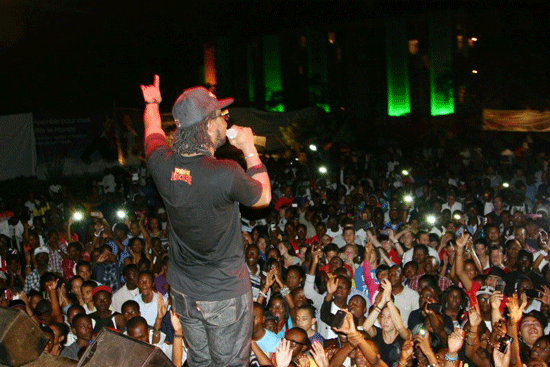
Kinshasa, African capital of show business.
Musical events in DRC have a particular reality. There is not a well-established event programming or a professional circuit. Furthermore, there are no regular events well-known by the local or international public. Concerts are organized randomly, according to the wishes of cultural promoters, producers, sponsors and patrons.
It is a complex environment with multiple realities. Only the most pragmatic ones survive. Professionals or amateurs, a chance is given to anyone to enter the field. In Kinshasa, like in others cities of DR Congo, shows are organized anytime, anywhere, especially over weekends or during holidays in the sole purpose of inflating the organizers and the musicians pockets. The types of live scenes that we find in DRC are concerts, festivals and showcases. They take place in different settings such as night clubs, soccer fields, outdoor settings, local streets, terraces, hotels and restaurants venues. The following venues are used the most by local promoters: Salon Congo, the parking and the pool of the Grand Hôtel; Chez Bibi; l’Extrême-Ma Campagne and l’Extrême downtown; Muguyla Guyla in Kasa-Vubu; l’amphithéâtre de la verdure situated in the National Museums of Congo; Muana Nteba situated on Boulevard du 30 Juin; Sainte Thérèse in N’djili; the Stade vélodrome in Kintambo; the Municipal field of Bandalungwa; Wallonie-Bruxelles center; the French Institute of Kinshasa – the Hall of Gombe; Planète J and Free Box; Zamba Playa; Mombonda Gecamines; Hôtel Invest and l’Hôtel de la Gombe.
Venues such as bars and cultural centres are less known by the public but offer quality performances. The following venues also host less known but talented musicians. For instance: K-Mu Theatre, le Théâtre des intrigants ; Chez Sébastien in N’djili; les Béjarts, l’Espace Mutombo Bwitshi (ex. Moto na moto abongisa) and Chez Starlette in Bandalungwa; Vis-à-Vis, Couloir Madiankoko, IMCA and Carrefour des jeunes in Matonge; Bikapi à Limete; Espace Ngindu in Limete; Chez le Champion in Huileries and l’espace Sadi in Lingwala; Congo Loisirs, Palm Beach, Music Club of Kinshasa (Sainte Anne College) in Gombe; la Colline and En vrac in Mont Ngafula.
Some other public venues sometimes host live shows such as the FIKIN (International Fair of Kinshasa), Maman Angebi Studio, Mongita Hall, the Zoo hall, the hall of the small zoo of Bibwa, Sono Beach, fairs, soccer fields, public squares in cities across different cities in DR Congo. FIKIN, the international fair of Kinshasa, it’s an annual event that takes place during every year end school holidays from July to August. Different types of musicians perform at that event. Amateurs or professionals, well known or unknown artists, newcomers and celebrities .Other fairs also happen during short or longer school breaks such as Easter or Christmas break. These shows are organized mostly by individuals well known in the local musical scene. They allow the public, sponsors, patrons and well established artists to discover new talents playing in small bands. Some are propelled into fame after these fairs.
The Palais du Peuple ( Palace of the Nation), built during the presidency of president Mobutu to host concerts and other events has been since 2003 turned into the national parliament and has been since closed to musicians for performances. It has the capacity to host several events at the same time for a day or longer because it has multi-purpose rooms. They are no shows taking place on this venue anymore.
Night clubs, lounges and bars are also used as concerts and showcases venues and are critical venues for the promotion of local music. Let’s mention among others: the Klubb, I-Level, Fiesta Club, Café Press, Voda Club 081, Planète Sono, Ngwasuma, Standing Club, Boyoma Boyoma, Chez Ntemba, Why Not, Kwilu Bar, Le Pentagone, Malebo Club, etc.
Congolese show-biz
Music business is almost non-existent in DR Congo. Musicians and show promoters agree on short term projects. But they don’t team up to organize a long term calendar of events. Impatience and cupidity define their relations. Musicians often don’t have managers or qualified music professionals to assist them with the management of their career. Often they do everything themselves although there is a working chain to implement in the show business if ones want to achieve great results, profitable to all.
As previously stated, there are no well-known local events. Few previously established events don’t exist anymore due to a lack of organization and management. Thus they have disappeared from the live circuit landscape.
We can mention the following past events, Ngomo Africa, Zaïre n°1, Variétés du Samedi Soir, Mega Concert, Giga Concert. The only few events that have survived are le Festival International des étoiles (International Stars Festival), the hip-hop festival AIRDICI and the Ngoma wa Kwetu Festival.
The situation is the same cross different cities in DRC, authorities don’t invest or don’t support music and event production. Live music is thus the monopoly of a small group of people or companies that are interested only in making profits. Musicians often interpret old classics on stage. The SOCODA (Congolese society of authors’ rights) does not control live performances yet. The national censorship commission is the only entity monitoring and sanctioning live performances.
Congolese public welcomes and support international performers and shows provided that communication and advertising around these events is efficient, structured and done well in advance. The promotion includes showing the artists’ videos and previous concerts on different local TV and radio channels plus posters, banners and online promotion well before the event. The lack of good quality performances is mainly due to a lack of modern infrastructures and professionals. Kinshasa, a city considered as the capital of African music by many because of the number of local artists lacks proper shows facilities and professionals such as sound and equipment renting companies.
The price of a concert ticket is the sole responsibility of the promoter and is not controlled by government services. There is not a structure that regulates or monitor this pricing process. Currently, banks and telecommunications companies cooperate with some events producers to sell tickets. Security companies are often involved as partners in the show organization and control tickets and access. An official of the urban division of Culture & Arts of the city - province of Kinshasa requiring anonymity, declared that events production participate in the national economy because the government collect taxes related to venues, banners advertising and others. A good organization and good management will allow the DRC to attract more event organizers on the ground in order to maximize its revenue.
Despite all this, artists are still creative and making their mark on the local scene
Despite all the difficulties encountered, the live scene in DRC is very rich and alive. Artists, musicians and dancers are very creative, good improvisers and work hard for their craft. They try to stay away from plagiarism by always presenting original and high quality work to their audience. Most orchestra and groups have headquarters, where daily rehearsals take place. Rehearsal times are known to the public who can assist to these rehearsals. The advantage of this live circuit is that it mixes artists from all different backgrounds- graduates from the National Institute of Arts (INA), artists from other conservatories, talented musicians and charlatans too. These artists’ main goal is to present a good show and to satisfy their public. Lingala is the language most frequently used in this environment, in Kinshasa and other provinces too. It seduces most of the listeners of Congolese music. Others languages are used but in fewer proportion. French, despite being the official language of the country is rarely used in songs. Only artists that perform in international cultural centres such as the French Institute of Kinshasa or the Wallonie-Brussels Centre that use it.
The live scene in DR Congo is definitely dynamic and promising. Investments are necessary to keep it competitive because without modern infrastructures and equipment, live shows will happen less frequently.
By Cinardo Kivuila


Most popular

Top Naija songs of 2026
31 Mar 2026

Top Afrobeats songs of 2026
19 Mar 2026

Ghana: Mr Eazi and MOLIY’s ‘Comfort’ earns Urban Music Awards nomination
21 Oct 2026

Top amapiano songs of 2026
16 Feb 2026

Open call: CANEX Music Business Lab and Songwriting Camp
15 Oct 2026

Nigeria: CANEX WKND unveils 2026 programme
21 Oct 2026
Disclaimer: Music In Africa provides a platform for musicians and contributors to embed music and videos solely for promotional purposes. If any track or video embedded on this platform violates any copyrights please inform us immediately and we will take it down. Please read our Terms of Use for more.

Subscribe to our monthly Newsletter
Follow us on social media


Please log in to post a comment.