
























































By Dean Karemera
A few years ago, Rwanda was not a hotspot for live music entertainment. On weekends, city folk (particularly the youth) would hop on a bus to neighbouring countries like Uganda or Burundi just to have fun - but that is now fast changing. This text provides an overview of the reawakening of the live music scene in Rwanda.
Venues
For starters, hotels, bars and restaurants in Kigali are becoming more creative in a bid to retain clients as competition in the entertainment industry continues to take an upward trajectory.One way that establishments are encouraging customers to remain in their seats has been the introduction of live-band performances, locally known as ‘Igisope’
While high-end bars normally spew out modern hip-hop, rock or Afrobeat songs throughout the week, regular bars have carved a niche by going for live performances by different bands that are cropping up. The culture of live bands, referred to locally as ‘orchestras’, is not new to Rwanda. Through the 1980s until the genocide in 1994, any hangout that did not have an orchestra playing risked losing its clientèle.
Although most bars play mainstream music, they always set aside a day or two for live band performances by various orchestras. Orchestras from the 1980s such as Ingezi and Impala still have their music played live by other ensembles. Abamararungu, Ingeri and Nyampinga are among the other new music ensembles that can be found performing around Kigali. Rwanda only has a handful of artists who stage album launches with live bands; the majority of musicians still prefer to do playbacks.
For example, Hotel Des Mille Collines by Kempinski[i] hosts live band music at their Pool Bar. The music is typically a mixture of slow Rn'B, soul and zouk by a talented in-house band. They also host visiting bands like the Gakondo Band, which specializes in traditional music and is made up of the talented Intore Masamba, Diana Teta and Jules Sentore, along with other instrument players. They usually play on Fridays.
Located within a kilometre of the Kigali International Airport, the Alpha Palace Hotel[ii] is another venue that offers live music in the form of jazz music at the snack bar. On top of the live jazz band music, there's live DJ mixing for revelers who want to dance the night away.
Festivals
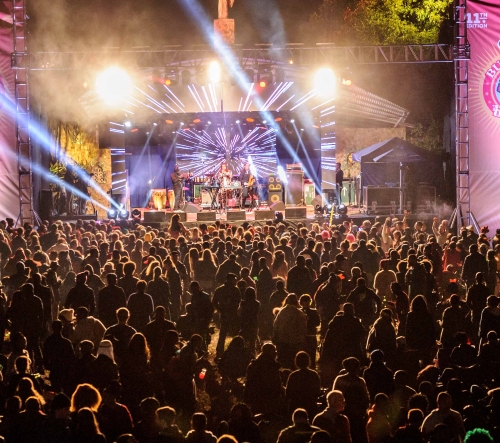
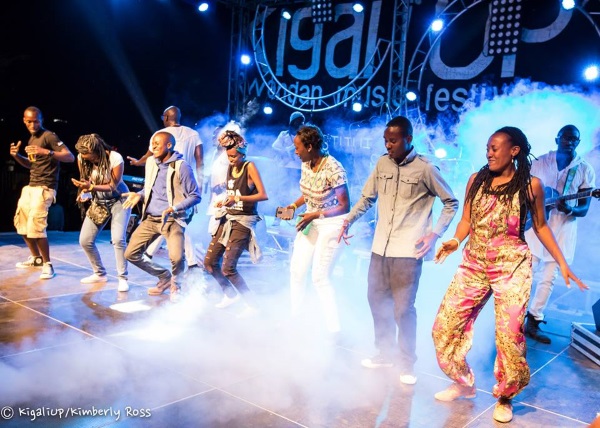
Beyond daily or weekly music events, each year KigaliUp festival brings together local and international artists in live performances and also conducts music workshops for local artists and music professionals from the region and beyond. The festival is the brainchild of one of Rwanda's most talented musicians, Mighty Popo, together with other stakeholders, to celebrate African music and musicians through hosting top talent in traditional, gospel, reggae and soul music. KigaliUp marked its fifth edition in July 2015.
The festival has managed to bring together well known Rwandan musicians as well as international musicians. This include Senegalese star Ismael Lo, Burundi’s Kidum, award-winning Rwandan artist Jean Paul Samputu, Tumi & the Volume from South Africa and the late Mbira songstress Chiwoniso from Zimbabwe.
Apart from KigaliUp, Primus Guma Guma Super Star (PGGSS) is another avenue that is being used to promote live music. This singing competition debuted in 2011 and brings together local artists on a countrywide tour. However, it only stages live music performances during the final rounds of the competition, while the biggest part of it is dedicated to playbacks. In 2015 musicians were only allowed to sing using playbacks in the verses but not for the chorus - which is termed 'semi-live'. PGGSS rewards winners at the end of the competition, which usually runs for six months, from March to August.
Hobe Rwanda cultural festival[iii] serves a rich variety of music. This festival is usually a two-day event and is aimed at promoting Rwandan culture through education, music and poetry. In 2015 the event was held between 5 and 6 September at the Serena Hotel and the Petit Stade. Rwanda's finest traditional and folk musicians livened up the event, including Mariya Yohana, Jean-Marie Muyango, Inganzo Ngali, Intore Masamba, Daniel Ngarukiye and Kalisa Rugano.
Renowned artist Pablo Picasso once said, “The purpose of art is washing the dust of daily life off our souls” - and that's exactly what the Ubumuntu Arts Festival[iv] is all about. Ubumuntu (literally translated as ‘humanity’) uses art to send a message about the importance of preserving and respecting humanity. It premiered in 2015 during the 21st commemoration of the genocide against the Tutsi. It immediately took the country by storm and is set to become an annual event, with dates for the second edition scheduled for 14-17 July 2016. The full commemoration usually takes 100 days, while the festival itself will take place in June at the Kigali Memorial Centre.
Promoters
Event organizing and promotion hasn't been fully embraced in Rwanda and it still lacks momentum. Many event management companies lack expertise, coordination and proper planning and several have been forced to close shop due to mismanagement. However, there are still a few that are making progress in the business.
East African Promoters (EAP)[v] are the brains and manpower behind Primus Guma Guma Superstar competition. Run by Joseph Mushyoma, EAP boasts of an experienced team with formidable and committed young people. The promoters also handle the Miss Rwanda beauty pageant and the end-of-year East African Party.
Positive Productions have managed to stand out among event management companies in the country. Managing director Judo Kanobana has handled some of the biggest events in the country, including the Groove Awards, which they co-hosted with Moriah Entertainment, and organising the annual KigaliUp festival. They were also preparing to welcome Belgian musician Stromae before he cancelled his 2015 concert.
Cube was launched in Rwanda in 2013 and has since established itself when it comes to events marketing, branding, public relations and digital marketing, among others. They provide services for the private sector and government agencies, as well as non-governmental organizations. They were the event organizers for concers by touring Nigerian stars Davido and P-Square.
The success of the above events and festivals and the growing capabilities of local event organizers have managed to put Rwanda on the entertainment map. A lot may still be lacking as far as diversity in live music is concerned, but the scene continues to grow in size, professionalism and popularity.


Most popular
Ghana: Mr Eazi and MOLIY’s ‘Comfort’ earns Urban Music Awards nomination
21 Oct 2026

Top Naija songs of 2026
31 Mar 2026

Top Afrobeats songs of 2026
19 Mar 2026

Top amapiano songs of 2026
16 Feb 2026
Open call: CANEX Music Business Lab and Songwriting Camp
15 Oct 2026
Nigeria: CANEX WKND unveils 2026 programme
21 Oct 2026
Disclaimer: Music In Africa provides a platform for musicians and contributors to embed music and videos solely for promotional purposes. If any track or video embedded on this platform violates any copyrights please inform us immediately and we will take it down. Please read our Terms of Use for more.

Subscribe to our monthly Newsletter
Follow us on social media


Please log in to post a comment.