













































Despite the lack of organization and structure of the local music industry, Congolese musicians have created a way to make a living from their art.
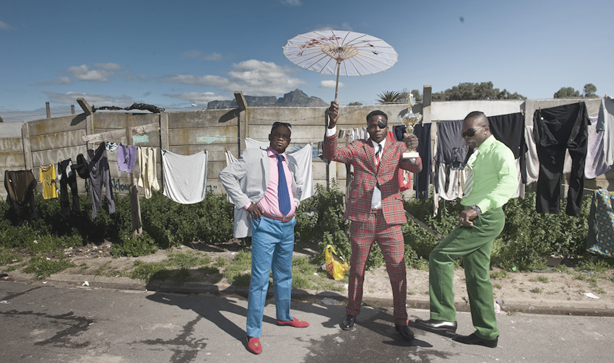
A Congolese artist’s dream: success, wealth and production contracts
In Kinshasa, the heartland of African music, the profession of musician is very ubiquitous. Popular discourse about artists is full of speculation. Music is king; its wide audience is constantly discussing and spreading news and gossip obtained from music columnists. When it comes to music, everyone seems to be informed. The lives of artists are a matter of public interest and nothing escapes the public scrutiny. On the streets of Kinshasa, one can hear all types of conversations about the assets and bank accounts of music stars, their production and advertising contracts, their international tours and popularity, their relationships and networks, the brands of luxury cars they own…
The lifestyle of Congolese musicians is a paradox. The revenues from the sales of albums, videos and concert tickets are inadequate and are often a source of conflicts between band leaders and their bandmates. Nonetheless, musicians have learned to make a living from their art by using artifices and seizing the opportunities available to them. The music stars in Kinshasa drive luxury cars, build mansions, and are almost always dressed in designer clothing. It seems they don’t have much to complain about and have learned how to "settle disputes amicably” with those who sabotage their work. One can’t help but wonder about the contrast between the expensive lifestyle of musicians and their sources of income. It is therefore logical to think that they have invented a new way of earning money from their art.
The “Libanga”, a reliable source of income for musicians
This article discusses the alternative sources of income for Congolese musicians and offers an in-depth analysis of the phenomenon of libanga, also called "libangitude", i.e. the practice of paying for a dedication. The libanga is an original practice invented by the Congolese music industry that has now spread to the musical culture of other countries.
For two decades, the group leaders have found it easier to appeal to private donors who tacitly or openly seek personal publicity. Artists still earn money through the sales of discs, local concerts and media appearances. Those opportunities help the musician to strengthen his relationship with his fan base which includes rich businessmen, politicians, and the average person; they are all engaged in a win-win exchange process and are brought together around a common passion: music.
Production contracts in Europe and other survival tricks
Truth be told, live concerts in Kinshasa are not profitable anymore. Many artists make more money by doing concerts in Europe. This has created a very complex lifestyle for local artists who are constantly travelling. Several of them have their wife and children living abroad. The lucky ones have obtained a residence permit in those countries. As a result, those artists often lead a double life: one in the West - which enables the children's schooling and the mobility of the musician parents – and another one in their home country. This explains why touring abroad is such a major event in the Congolese music industry. Also, gathering people around music facilitates "cooperation”, helps discuss business, and more importantly brings together people seeking some kind of recognition and those who wish to re-brand themselves [Translator’s note: cooperation is a term often used in DRC that means hustling].
At the height of the rivalry between the two leaders of the group Wenge Musica, the “Ngulu phenomenon” (illegal immigration network) turned out to be a reliable source of income. For a long time, band leaders sustained the hope of an entire generation of young followers dreaming to "see Europe one day and die." Unfortunately, it is a dream that has become difficult to achieve since the dismantling of the network. In 2004, Papa Wemba was arrested in France for aiding illegal immigration. Since then, it is very difficult for most Congolese artists to obtain a visa for the European-Schengen area.
In Kinshasa, there is the widespread belief among the public that the strength and success of an orchestra is measured by its ability to travel overseas. Europe -and more specifically Paris, Brussels and London- has a large number of Congolese immigrants, and is often seen as the hub that determines the success of musicians’ groups. Artists have long been promoting these cities to the public. Going to Europe implies that one is able to afford to live there and to acquire luxury goods and accessories associated with modern Congolese music. The libangitude pays more than one would think, but it’s difficult to say exactly how much an artist makes. Prices often vary according to clients. Libanga is so addictive that some clients are ready to pay throughout their lives.
Earning money by singing for beer manufacturers and other brands
Alcohol is very visible in Kinshasa. Beer manufacturers push people to drink. The two leading beer brands Primus and Skol are the main sponsors of artists alongside cell phone operators such as Vodacom, Airtel, Tigo, Africell and Orange. Beer companies such as Bralima and Bracongo have taken the lead in sponsoring music to the point of determining the rules of the game. They organize popular concerts and make sure the music advertises their products. Their marketing departments choose the artists that are going to represent the brands using criteria such as the popularity of the artist or their own ratings. This choice can be arbitrary. Sometimes the brands sign artists considered as has been and who will accept any contractual terms. The result is often a great concert which attracts big crowds, but the group is underpaid with most of the money going to the group’s leader. Artists compensate the little pay by mentioning a string of names during their stage performance.
Businessmen and politicians sponsor artists.
Artists thank businessmen and politicians in more specific terms. By singing the praises of their sponsors, the artists make them more visible and celebrate their status. The songs often combine the sponsors’ names with nicknames conveying their ambitions. In return, the artist gets money -unsolicited or upon request- or services. A lot of people in the Democratic Republic of Congo sponsor musicians, sometimes unknowingly and expecting nothing in return because they love the music and the artists. During a concert, one might give a 100 dollar bill to a group that will provide them with transportation [Translator’s note: in Congo, concerts’ audiences show their appreciation to the artists by laying money on their forehead while they are performing]. A fan may support the musicians by helping them pay for equipment rental. Politicians often use this type of small scale sponsoring. Franco was sponsored by Mobutu. Former Congolese Prime Minister Adolphe Muzito is remembered by artists as one of the most generous politicians; he was particularly fond of the singer Evoloko Joker (also known as Emeneya King). In DR Congo, musicians and politicians support each other and work very closely. In times of political turmoil and when conflicts arise between opposition and government, the artists and musicians who take a position in favor of one side or the other pay a high price.
Most Congolese who choose to do music ultimately stay in the field. Those who decide to change careers by obligation or desperation are rare. Many artists and musicians started by working in other fields. Some of the greatest leaders in the history of Congolese music tried politics to help and make a difference. Kabasele Tshiamala also called Kalle Jeef was a Chief of Staff under Patrice Lumumba. “Le Seigneur” Tabu Ley ran for the office of vice-governor of Kinshasa and did not limit himself to being only a musician.
A musician trained in the endurance school that is Kinshasa tries to make a living by finding alternative sources of revenues. The “libangitude” is one way to gain social status and a new identity; it also constitutes one of the most reliable sources of income for the musicians of Congo-Kinshasa. Making a living from music is a mystery in Congo which adds to the power of music.
By Serge Makobo


Most popular
Call for applications: ACCES 2026 Emerging Artist Spotlight Competition
01 Oct 2026

Top amapiano songs of 2026
16 Feb 2026

Top Naija songs of 2026
31 Mar 2026
Open call: 2026 Gender@Work music industry training in Johannesburg
03 Oct 2026

Top Afrobeats songs of 2026
19 Mar 2026
AFRIMA 2026: All the winners
12 Jan 2026
Disclaimer: Music In Africa provides a platform for musicians and contributors to embed music and videos solely for promotional purposes. If any track or video embedded on this platform violates any copyrights please inform us immediately and we will take it down. Please read our Terms of Use for more.

Subscribe to our monthly Newsletter
Follow us on social media


Please log in to post a comment.