

























































Music In Africa welcomed at African Creative Economy Conference
09 Nov 2015 - 14:55


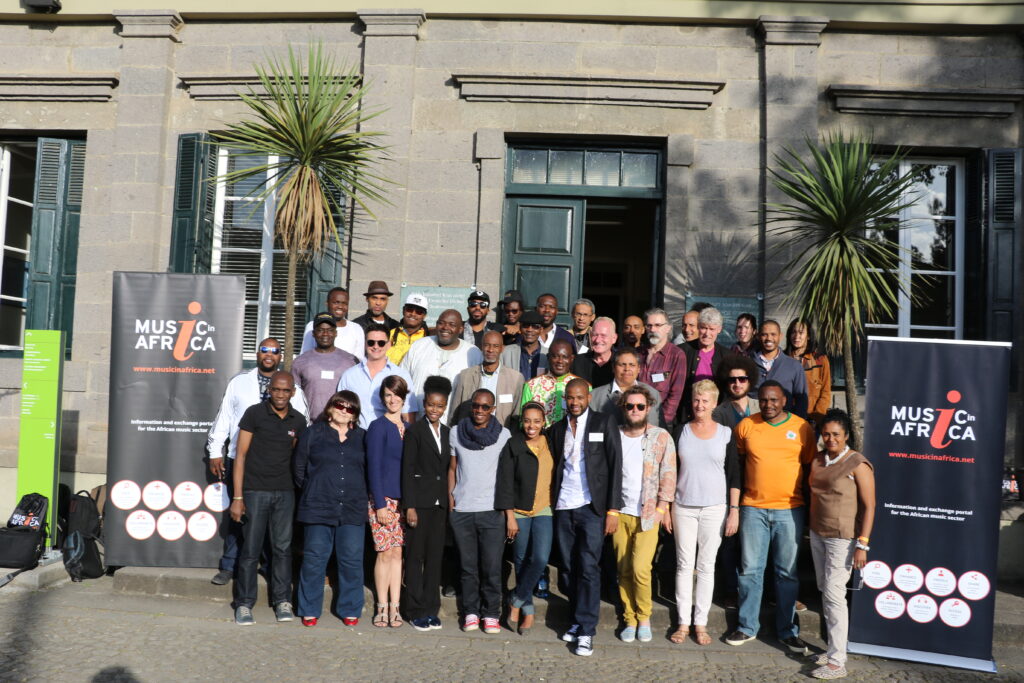
The second largest city in Cameroon, Yaoundé, also known as “the city of seven hills” was the setting for the fifth edition of Arterial Network’s African Creative Economy Conference (ACEC) on 9 and 10 October 2015. From across the continent and beyond, Arterial Network members, arts practitioners, policy makers, artists and activists congregated to discuss the advancement of the African creative sector.
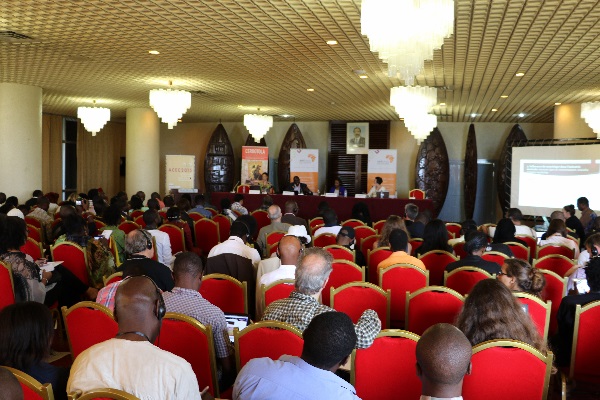
Placing thematic emphasis on African ownership of Africa’s creative economy, this year’s conference included home-grown initiatives and analysis affirming the meaningful contributions cultural practitioners in Africa are making to their communities, cities, countries, continent and the world. Some 150 delegates attended the conference, which was preceded by Arterial Network’s two-day conference, where members gathered to deliberate on policies, plans and programmes.
Music was a strong thread within the conference, thanks to Arterial Network’s partnerships with Music in Africa, who were hosting their annual general meeting and Le Kolatier music market, which provided quality music entertainment every evening throughout the conference period.
A panel discussion on the first day titled ‘Music and the economy’ was moderated by Faisal Kiwewa from the Bayimba Foundation in Uganda, a partner of Music In Africa. The panel also featured Music In Africa board member Andre Le Roux, who showed examples of well-conceived city-based initiatives to show how these projects were contributing to grow the vibrant live music scene in South Africa. Another partner of Music In Africa, Yusuf Mahmoud from Busara Promotions in Zanzibar, discussed the recent decision not to host Sauti sa Busara festival in 2016, highlighting the significant contribution of festivals to the local economy highlighting the need for support of such festivals through public private partnerships. The panel also featured local Cameroon music industry heavyweight Reuben Binam Bikoi.
In another panel that day, entitled ‘Technologies of Change’, the chairman of the Music In Africa Foundation, Ribio Nzeza Bunketi Buse from DRC, discussed the importance of digital tools for the production and promotion of music. Beyond the economic rationale and impact of online and mobile platforms, he noted their importance in terms of relative freedom from censorship and for making contested content available to wider audiences. The panel was moderated by Musonda Chimba and also featured Buni TV’s Marie Lora Mungai and Emma Kaye from Bozza.
Other panel topics at the conference included ‘Regional cooperation in central Africa’, ‘International cooperation and the African Creative sector’, ‘Redefining concepts and processes’, ‘Cooperation across borders and boundaries’ (which included contributions from Music In Africa contributor Telesphore Mba Bizo) and ‘Occupying our spaces’, focusing on the link between arts, culture and democracy.
Speaker presentations and discussions at the fifth African Creative Economy Conference provided high levels of information and inspiration. Insights into some of the exciting initiatives and directions being undertaken by creative practitioners and stakeholder agencies in Africa indicate very encouraging progress across the sector. Numerous challenges exist, such as funding shortcomings, lack of infrastructure, challenges around mobility, management skills, and access to resources, an absence of statistical data or tools and instruments by which to measure the creative economy, large gaps between formal and informal sectors, and constraints on freedom of expression in many countries. However, the fact that artists and arts organisations are succeeding indicates innovation, perseverance and resilience often in the face of daunting difficulties. A sense of greater openness by some governments to collaborate with artists and arts organisations signals new opportunities to work together in service of the cultural sector. Everyone shares similar objectives, to see the growth and development of the cultural and creative sector. Enhanced communication between like-minded role-players will go a long way toward coordinated projects and programmes.
Despite the challenges of organising such an event, Arterial Network and its partners have over the past five years made real the dream of a conference which would understand both physically and intellectually the varying contexts of the cultural sector and its associated creative economy. Arterial Network was one of the first organisations to place the issues of the creative economy in Africa in public conferences. This year’s edition completes a journey which began in Nairobi, Kenya (2011), then Dakar, Senegal (2012), Cape Town, South Africa (2013) and Rabat, Morocco (2014) and finally Yaounde in Cameroon. Having completed the conference cycle through all five regions of Africa, consideration now needs to be given as to how Arterial Network, its affiliates and associates can be effective in keeping these matters on the current agendas - through reports, other events, relevant structures, and particularly at government level, through strategic and coordinated advocacy, in order to work together to advance the creative sector in Africa.


Most popular

Top Naija songs of 2026
31 Mar 2026

Top Afrobeats songs of 2026
19 Mar 2026

Ghana: Mr Eazi and MOLIY’s ‘Comfort’ earns Urban Music Awards nomination
21 Oct 2026

Top amapiano songs of 2026
16 Feb 2026
Open call: CANEX Music Business Lab and Songwriting Camp
15 Oct 2026
Nigeria: CANEX WKND unveils 2026 programme
21 Oct 2026
Disclaimer: Music In Africa provides a platform for musicians and contributors to embed music and videos solely for promotional purposes. If any track or video embedded on this platform violates any copyrights please inform us immediately and we will take it down. Please read our Terms of Use for more.

Subscribe to our monthly Newsletter
Follow us on social media


Please log in to post a comment.