
























































“I want people to see Africa in new eyes, to have a very positive interest of Africa, to know that she is not dead; she is always alive and people can give confidence to Africa. We have a lot of strong people who really want to do something, who really want to participate in the universal development, but deeply to help Africa to give the place that Africa needs to have.” This quote attributed by the author to Baaba Maal sets the tone for this bold and adventurous work on South African jazz.
At first glance it may look misplaced, but a closer examination of the Senegalese music superstar’s wise words illustrates the fact that as a constantly evolving genre, it is essentially an African sound that draws its artistic creativity and inspiration from indigenous forms of musical expression. Therefore at its core, South African jazz is informed by the soul of the Mother Continent. There are other revealing quotes and wise observations from interviews with generations of South African musicians who have contributed to the rich legacy of our kind of jazz.
These are in-depth and interesting interviews that range from the early jazz pioneers like Hugh Masekela, Abdullah Ibrahim and Louis Moholo to contemporary stylists such as Marcus Wyatt, Moses Molelekwa and Moses Khumalo – the latter two mentor and protégé respectively who have sadly since passed on. “I’m seeing development in our music,” said the late alto saxophonist. “It has developed from mbaqanga and marabi to a style which can accommodate the youth and the elderly. I must say it is getting to a point where people could appreciate jazz.”
Ezra Ngcukana, a tenor saxophonist who was born into an influential Cape Town family of jazz musicians, says: “Jazz and freedom go hand in hand. If you are jazz orientated you are free from apartheid.” Actually this book carries an impressive number of amazing quotes like this. Leading female performers including Miriam Makeba, Dolly Rathebe and Sathima Bea Benjamin are also given a powerful voice. The role of various South African styles – marabi, mbaqanga, goema, kwela – in the development and evolution of SA jazz are explored.
Struan Douglas, a jazz journalist, trumpeter and self-confessed student of the jazz idiom, was born in Durban – a city that has bred some of the country’s jazz luminaries. When he attended a 1999 Mankunku Ngozi concert in Cape Town, his fate as a jazz appreciator and promoter was sealed. His musical journey across the country’s eventful jazz landscape has provided raw material for this book. Written in an accessible style free from jargon, The Story of South African Jazz is a multi-faceted work and informative manual with insights and anecdotes about the emotional and inspirational tale of our kind of African jazz.
Originally published in JazzLife on 28 September 2015


Most popular
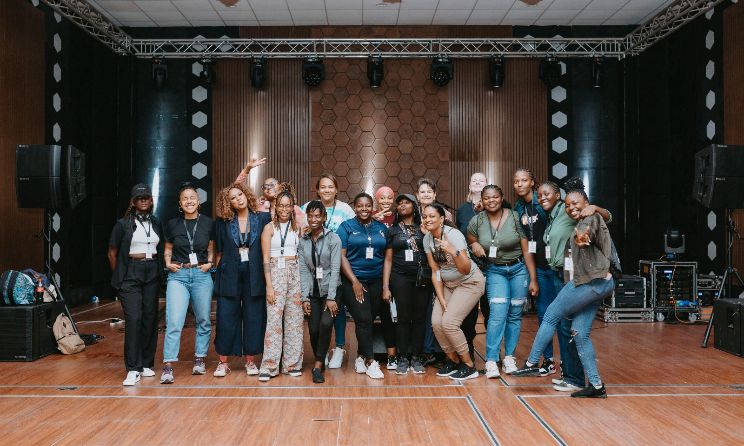
Open call: 2026 Gender@Work music industry training in Johannesburg
09 Oct 2026

Top amapiano songs of 2026
16 Feb 2026

Top Naija songs of 2026
31 Mar 2026

Top Afrobeats songs of 2026
19 Mar 2026
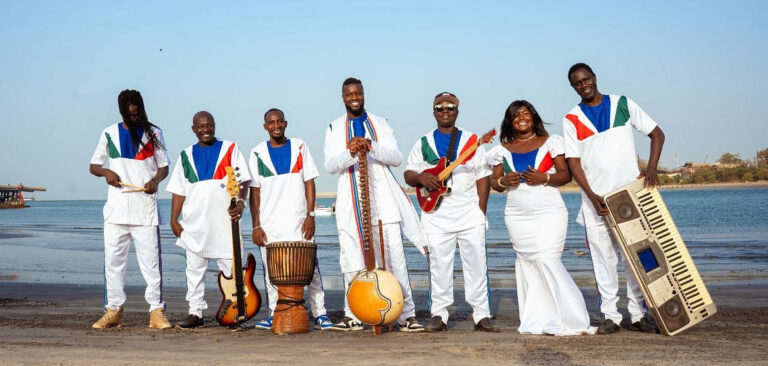
Gambia: Suntou Susso announce UK tour for ‘The Path of a Griot’
09 Oct 2026

Call for applications: ACCES 2026 Emerging Artist Spotlight Competition
01 Oct 2026
Disclaimer: Music In Africa provides a platform for musicians and contributors to embed music and videos solely for promotional purposes. If any track or video embedded on this platform violates any copyrights please inform us immediately and we will take it down. Please read our Terms of Use for more.

Subscribe to our monthly Newsletter
Follow us on social media


Please log in to post a comment.