

























































Most cities in Northern Nigeria are at a crossroad between modernity and traditional life. These cities are cosmopolitan, containing the diverse ethnicities that make up Nigeria. Therefore, for this article on nightlife in Northern Nigeria, Kaduna will be the focus, because it was the capital of the old Northern Region and its features are similar to that of most cities in Northern Nigeria.
In the 1980s and 1990s, Kaduna had a settlement pattern in line with the principles of its founding fathers, who forecast a northern space where all ethnic groups would be equal in status. Men of different faith and cultural orientation were neighbours, enjoying the variety a multicultural society provides. The city was home to a vibrant industrial sector: textile factories, a Peugeot assembly plant, Nigerian Breweries, a cement factory, a refinery and the glory days of the Nigerian railway services.
Most of these factories were located in Kakuri, Southern Kaduna. This area housed the workforce of these industries and was a microcosm of Nigeria, because of its diverse ethnic and religious composition. However, the seat of power was – and still is – in Kaduna North. Government ministries and their staff quarters were situated in Kaduna North. In those days Kaduna North had a rich nightlife.
In 2000, most states in Northern Nigeria instituted Sharia – a legal system modelled after the tenets of Islam. There was resistance and outrage over this law by adherents of traditional African religions and Christianity. This sparked a wave of violence across the region. During this crisis, lives and property were lost by all sides in Kaduna.
To resolve the conflict, the state government, under the leadership of Ahmed Makarfi, adopted Sharia in the Muslim-dominated Kaduna North. This heralded an exodus to the south of people who felt their lifestyle and safety was under threat. Muslims who lived in the Christian dominated Kaduna South also migrated north. The city became divided along religious lines.
This new arrangement is present in many northern states in Nigeria – like Jos, Kaduna and Kano – and has redefined nightlife in Northern Nigeria. While nightlife is more adventurous in the Christian parts of these cities, there are restrictions in areas dominated by Muslims.
Kaduna North: New Mecca
Kaduna North, now dominated by a Muslim population, is fondly called New Mecca. Most tertiary institutions in Kaduna have their main campuses in the north of the city, but at night the areas that light up this part of the city are mostly military bases: the mammy markets (markets attached to barracks) of 44 Barrack, the NDA Barracks, the Nigerian Air Force club (popularly known as NAF Club), Command Guest House, Kogi Guest House and Benue Guest House. Liquor is sold freely in these locations. And evenings are filled by the sounds of juju music and highlife. There’s also a guaranteed level of security that offers freedom to mingle.
This nightlife is sustained by an emerging pool of musicians, comedians, dancers, choreographers, DJs, fashion designers and models, who have launched their careers as university students, shuffling between studies and their passion. Musicians who have come out of this culture include rapper El Blash, Jerry Guda (Jplex), Timothy Amanga (Tim Cax), Racheal Lolo (Arewa Boss Lady), Ice Digs and Daniel Phillip (DJ X). Most of these artists often perform at social events in Kaduna North. They are the delight of guests at social gatherings at Command Guest House, NAF Club, and the Open Theatre at the main campus of Kaduna State University.
Even with all its limitations, Kaduna state is still quite liberal. This has brought a lot of emerging talents to the city. Hausa rappers like Morrell, ClassiQ, Hafeez and DJ AB have built a cult followership in the city, and the lyrics of their songs celebrate individualism and sheer determination to succeed in life.
Stylistically, the songs blend Hausa language and Pidgin English. Their fashion sense is shaped by a new-found obsession with motifs and symbols printed on Western designs and fabrics that celebrate the histories of their diverse cultural backgrounds. These images project royalty, agility and peace.
Kaduna South: New Jerusalem
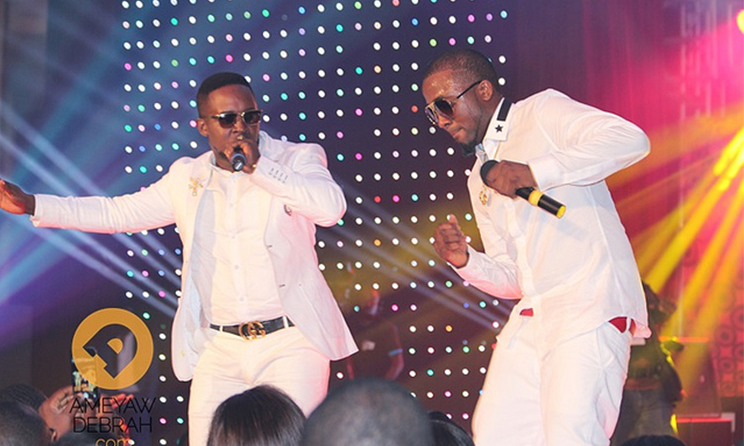
Southern Kaduna is dominated by Christians. But in recent times, with the commissioning of Yakowa Bridge, new settlements have emerged. These have provided an alternative route linking the south and the north. The settlements include Karji, Kamazou and Jan Ruwa. Kaduna South has a structured night economy. It is the centre for concerts and festivals. There's a wide choice of places to visit at night including Barnawa, Sabon Tasha and Narayi where rap battles and street cyphers are held. Kaduna South has hosted artists such as MI Abaga, 2Baba, Skales, Jesse Jagz and Ice Prince.
It is also a familiar spot for a host of Northern superstars. Artists such Lyrical Dr Smith, Kheengz, Snowflake, Freedie, Mai Martaba, Boc Madaki, Tony Wenom, Pson, Dia, Mr E Elaidrix and Shaxx have kept entertained audiences in locations such as Chimcherry, Viviana, House 50 and Firoro Beach at Mahuta GRA. Some of these musicians honed their skill and talents as undergraduate students at various universities in the region, such as University of Jos, University of Maiduguri, Ahmadu Bello University Zaria and Bayero University Kano. Their influence has taken them to major cities in Northern Nigeria, catering to a strong fan base in the region and beyond.
The subjects of their songs capture the travails of love, celebrate the beauty of life and sometimes provides criticism of the Nigerian government. For example, Dr Smith’s ‘Bulla’ laments the deceitful nature of politicians. The artists blend Caribbean Patois, Pidgin English, Hausa and street slangs in their lyrical output. Their dance steps appropriate reggae dance hall moves and a touch of traditional African steps.
Nightlife in Northern Nigeria is also sustained by a group of creatives who have initiated a movement called Arewa Connect. The aim of this enterprise is to create a network among artists that promotes visibility and opportunities. The group toured Maiduguri at the height of the Boko Haram insurgency in February 2016 including outings at Umaru Shehu Yar’Addua University in Katsina, and events at Bauchi among other cities in the north.
Although some states in Northern Nigeria are divided along religious lines, there are states such as Taraba, Gombe, Adamawa, Kebbi and Jigawa that have no palpable ethnic or religious divisions. However, there is little investment in music and entertainment in these states, and therefore almost no nightlife.
Nightlife in the north presents a world of possibilities for budding artists. Despite the stereotypical images of conservative Northern Nigeria portrayed by the media, millennials have carved a niche for themselves within the social structure of their societies through inventions in dance and music. The mind-set of most of these artists is to conquer the world or drag the global audience to their Northern Nigeria backyard.
This article is part of the Music In Africa Connects project, a multi-faceted development initiative aiming to support the music sectors of African countries affected by conflict. To find out more about Music In Africa Connects, click here.


Most popular

Top Naija songs of 2026
31 Mar 2026
Ghana: Mr Eazi and MOLIY’s ‘Comfort’ earns Urban Music Awards nomination
21 Oct 2026

Top Afrobeats songs of 2026
19 Mar 2026

Top amapiano songs of 2026
16 Feb 2026
Open call: CANEX Music Business Lab and Songwriting Camp
15 Oct 2026
Nigeria: CANEX WKND unveils 2026 programme
21 Oct 2026
Disclaimer: Music In Africa provides a platform for musicians and contributors to embed music and videos solely for promotional purposes. If any track or video embedded on this platform violates any copyrights please inform us immediately and we will take it down. Please read our Terms of Use for more.

Subscribe to our monthly Newsletter
Follow us on social media


Please log in to post a comment.