




































NEFCISA
NEFCISA

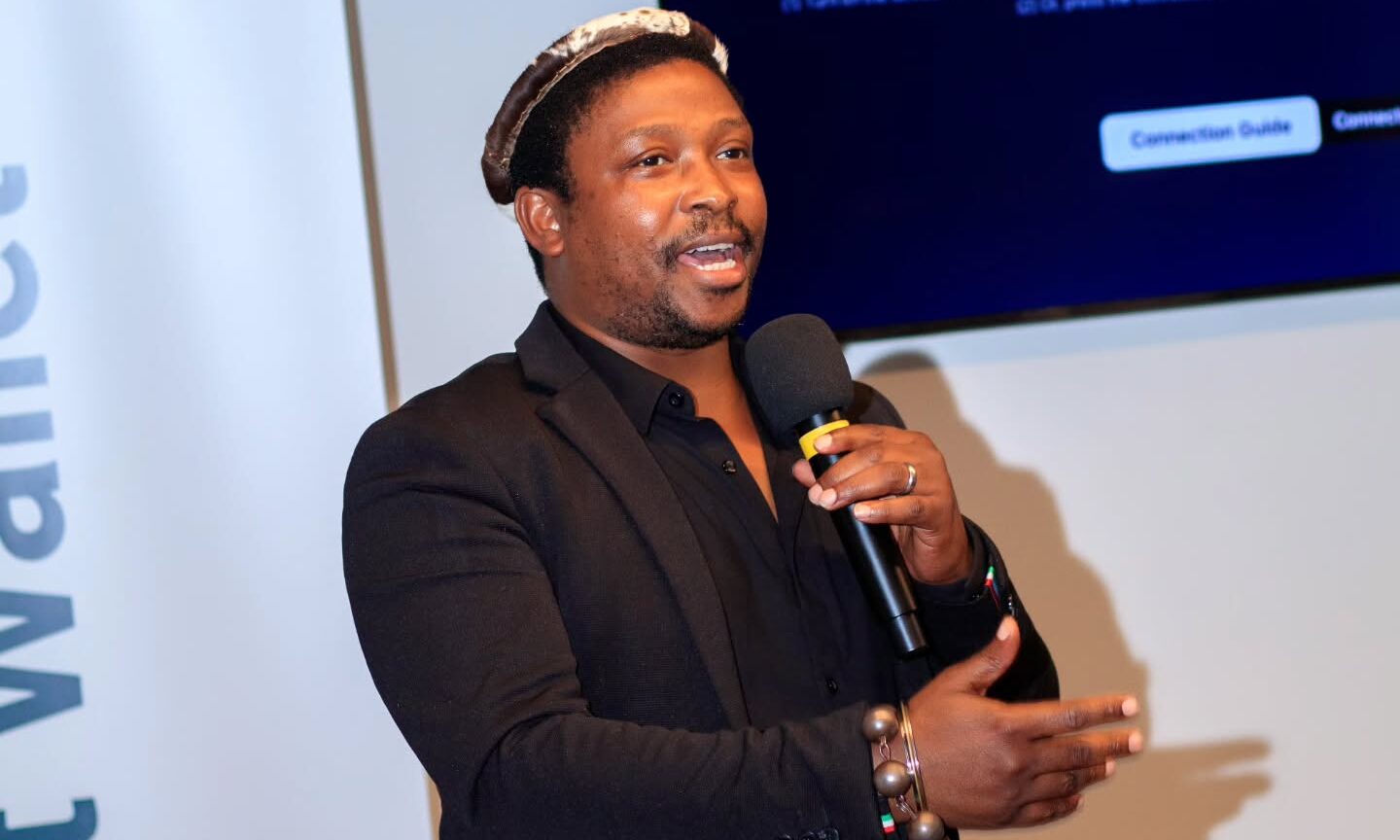
The Music In Africa Foundation (MIAF) is proud of its partnership with the Industrial Development Corporation (IDC) as a Strategic Implementing Partner (SIP) for its Social Employment Fund (SEF). Through this collaboration, MIAF is running a national programme that is creating jobs, addressing skills gaps, and strengthening South Africa's creative industries — in line with the SEF's overarching goal to generate work for the common good and build community value through employment, social contribution, and inclusive economic participation. Operating under the banner NEFCISA (National Employment Facility for Creative Industries in South Africa), the initiative is recruiting and training participants, matching them with host organisations, and has already placed 1 500 workers across the country — surpassing its original target of 1 000. NEFCISA is delivered through a network of 20 host organisations spanning five provinces, who are actively hosting participants and contributing to work for the common good across South Africa's creative and cultural industries. Key Objectives: Support employment and entrepreneurship in the creative industries. Offer skills development and training programmes. Foster partnerships between public and private creative sectors. Promote South African creativity at both provincial and national levels Foster community development through social contribution.

ACCES
ACCES

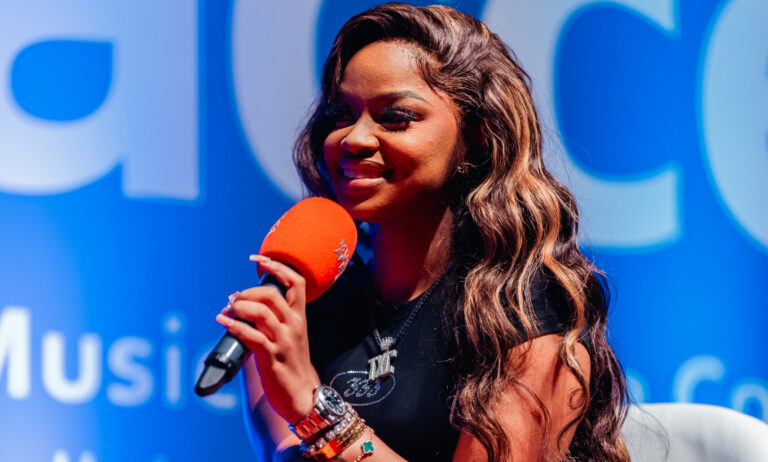
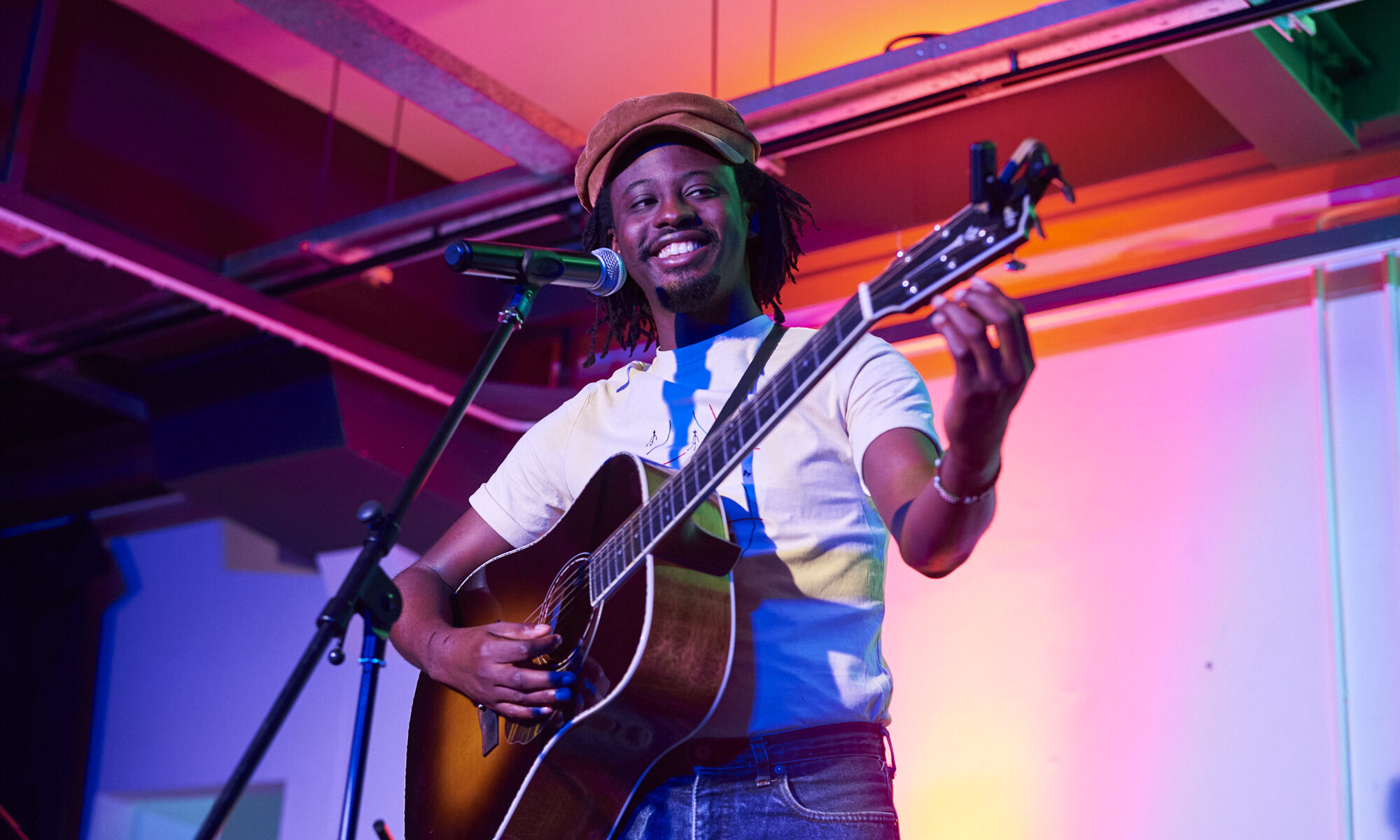
ACCES Conference and Showcase Festival is Africa's leading music industry gathering, bringing together the people shaping the future of the continent's music business. Artists, entrepreneurs, executives, investors, policymakers and cultural leaders from across Africa and around the world come to ACCES to build partnerships, exchange ideas, discover talent and create new business opportunities. Since its launch in 2017, ACCES has become the continent's premier platform for professional exchange and music market development. Combining a high-level conference with a curated showcase festival, networking, exhibitions and industry programmes, ACCES offers a unique space where creativity meets business and where African music connects with the global industry.

Gender@Work
Gender@Work

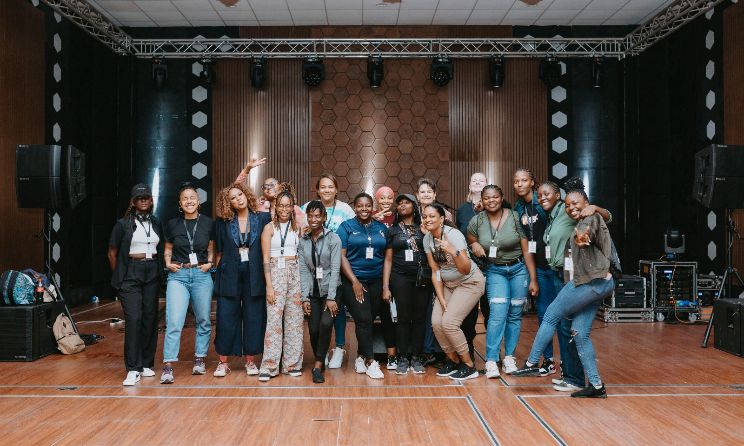
Music In Africa Gender @ Work is a three-year training programme aimed at upskilling and increasing the participation of female professionals in the African music sector. Launched by the Music In Africa Foundation (MIAF) in April 2019, the programme is connected to the MIAF’s ACCES music conference – a pan-African event held in a different African country every year. This connection enables the programme to reach new participants in a different African country every year. The programme marks the beginning of a more concerted effort by the Foundation to support the participation and inclusion of women in all facets of its programmes and the music sector in Africa as a whole. Over the three years, the programme will aim to address gender imbalances in the sector through training, lobbying, facilitating knowledge exchange and dialogues that foster the interest of women. The broader objectives of the programme are to: Provide industry training for women on critical music industry skills, focusing on: Stage management Electronic music production and recording Music business management Technical knowledge Provide an opportunity for both professional and aspiring women to benefit from the Music In Africa network and its broad range of activities in 2019, 2020 and 2021. Provide a solution-based platform in the form of a round table at ACCES with a view to identify challenges, discuss opportunities and lobby for the interests of female practitioners. Offer participants the opportunity to benefit from programmes offered by MIAF’s partners. Increase access to educational materials. Integrate participants in the broader ACCES programme to maximise experience and exposure to the industry. Record and present training materials on the www.musicinafrica.net, including but not limited to tutorials, templates and other best-practice materials. Communicate women-based themes that support the initiatives and messages of the programme. MAIN TRAINING ACTIVITIES Training in first country (Ghana): In the first year, participants will be trained on all aspects of stage management by a team of experienced stage managers from 10 to 17 November 2019. The programme will offer robust classroom training as well as practical, hands-on training in which participants will also be given the opportunity to manage various aspects of the ACCES performance programme. Training in second country: The second training iteration will take place at ACCES 2020 when the programme will diversify its course to include music production lessons and training on other music business topics. A round-table platform will also be introduced to coincide with the ACCES programme. Training in third country: The third training iteration will take place at ACCES 2021 in a different country, offering an advanced course. HOW DO YOU GET INVOLVED?  As a participant, facilitator or trainer: The programme enrolls up to 12 trainees every year. All opportunities are advertised publicly on this website, and will be added to this page. Please keep checking this page for new calls (below under UPDATES & CURRENT OPPORTUNITIES). As a partner Please contact Claire Metais at [email protected]. APPLY The call for applications for 2020 will be announced soon. The Music In Africa Gender @ Work programme is made possible with the support of the Prince Claus Fund, Siemens Stiftung and Goethe-Institut.

Sound Connects Fund
Sound Connects Fund

For cultural and creative practitioners and organisations operating in southern Africa, access to funding remains a major challenge. The COVID-19 pandemic has also had a massive impact on government policy, spending and the economy in general, and has seen spending on culture being moved further down the list of priorities. Further, the cultural and creative industries repeatedly cite four main areas where investment is needed for growth, which are increased visibility, mobility including access to new markets, finance and support structures.

Instrument Building And Repair Project

Experience the Vibrations African Instruments Exhibition online in 3D

Reviews

Niniola – Maradona

01 Jun 2017 - 14:55

cc-img flag-img

Artist: Niniola
Song: Maradona
Label, Year: Naija Review, 2017

niniola-yellow-background

The videos of Niniola work her own sensuality subtly. Some of her songs hint at a liberated sexuality.

That first statement proceeds from Niniola’s beauty and her physical response to music: she really can dance. The second proceeds furtively to English-speaking listeners because sexual sections of her lyrics are almost entirely in Yoruba.

Her latest single ‘Maradona’, a cool number compared to older singles ‘Soke’ and ‘Shabba’, is about a cheating boyfriend whose pelvic ministrations have been offered generously to many women including the singer’s girlfriends.

The cooler vibe is at one with the singer’s resigned tone on this remarkable song. Niniola adopts a Nigerian slang taken from the great footballer, whose name was famously the nickname of former head of state Ibrahim Badamosi Babangida, quite a politically adept leader. Here, Maradona is working a sexual ministry. Are you Maradona? she queries because the titular playboy plays the field too much. Are you a telescope? she asks. He looks at every woman walking past.

We mostly hear only the aggrieved. Maradona gets a small chance at defence, a detail repeated in the video. At the end he is humiliated at a poolside party—but he recovers in time to attempt to charm yet another lady.

The video and song offer two ways by which women handle a cheating partner. While comeuppance is served in the video, the song shows exasperation. Only listening to the song gives the impression that the relationship will continue. The video adds some complication to the relationship. And romantic relationships in many forms are at the centre of the Niniola oeuvre. Joyfully, she plumbs the ways men and women are with each other.

There is talk of a wedding cake on ‘Akara Oyibo’, lust is all around on ‘J’ete’, a promiscuous man shows up on her song with DJ Spinall, ‘Ojukokoro’. And on perhaps her most popular song ‘Soke’ her lyrics go from talking dance—”In the time of ijo Shina, I was the dancing genius”—to demanding not to be treated like a loose basket, a reference she makes in crudely explicit Yoruba.

And yet she has been chaste in her videos. As said there is sensuality—she’s a young attractive woman after all—but so far no video has shown her in anything more than an amorous embrace with her male characters. She gets close on 'J'ete' but for most of the time that the male lead is onscreen in the video for ‘Jigi Jigi’, he is alone. Her viewers are welcome to hear evil; seeing it is a different matter.

On ‘Maradona’, some explicit Yoruba once again comes up as she sings the character’s explanations: She said I should close my eyes, open my legs—that she'll lick it. He seems to be saying these are not propositions to be ignored.

The tension between her harmlessly groovy beats, well borrowed from South African house, her not-overtly-seductive sweet voice, and these Yoruba explicities makes for some head scratching: she could be the non-kissing tease or the risque singer. As is well known, the Nigerian music industry isn’t quite as indulgent of female performing acts as it is of male ones. Yet Niniola hasn’t quite taken the route of some of her female colleagues. Yemi Alade filmed a steamy video with R&B man Dipp not long after she appeared on the scene. Chidinma shared a kiss with Flavour. And from her very first video, Tiwa Savage, pop queen of the sex vibe, was a frankly sexual personality. Niniola is no prude but she doesn’t want your catcalls either.

Although ‘Maradona’ is not a sad love song, it marks the first time the way a man is with a woman in a Niniola song is less than joyful. There are no wedding bells ringing, no pillow talk, only female complaint. Even on ‘Ibadi’, where a desired man gawks at another girl, the sentiment was agreeable: “I stand up...and dance, ’cos...I know that’s what you like.” Not this time.

‘Maradona’ is another step on Niniola’s journey to capturing the many patterns of heterosexual relationships. Her frequent collaborator, Sarz, supplies production, slowing things down on the song, emphasising vocals over jaunty beat, apt for such a sour story. So while you can dance to ‘Maradona’, you are also haunted by its moodiness, by the lady's lament. The song's subject may be a new place for Niniola but in just over three minutes, she makes it home.

Please log in to post a comment.

Most popular

Disclaimer: Music In Africa provides a platform for musicians and contributors to embed music and videos solely for promotional purposes. If any track or video embedded on this platform violates any copyrights please inform us immediately and we will take it down. Please read our Terms of Use for more.

newsletter banner

Subscribe to our monthly Newsletter

Follow us on social media