























































No HIFA in 2016 as organisers prepare ‘Next Level’ revamp
09 Dec 2015 - 12:03


This is old news but very few publications have reported this important change at one of Africa’s top music festivals.
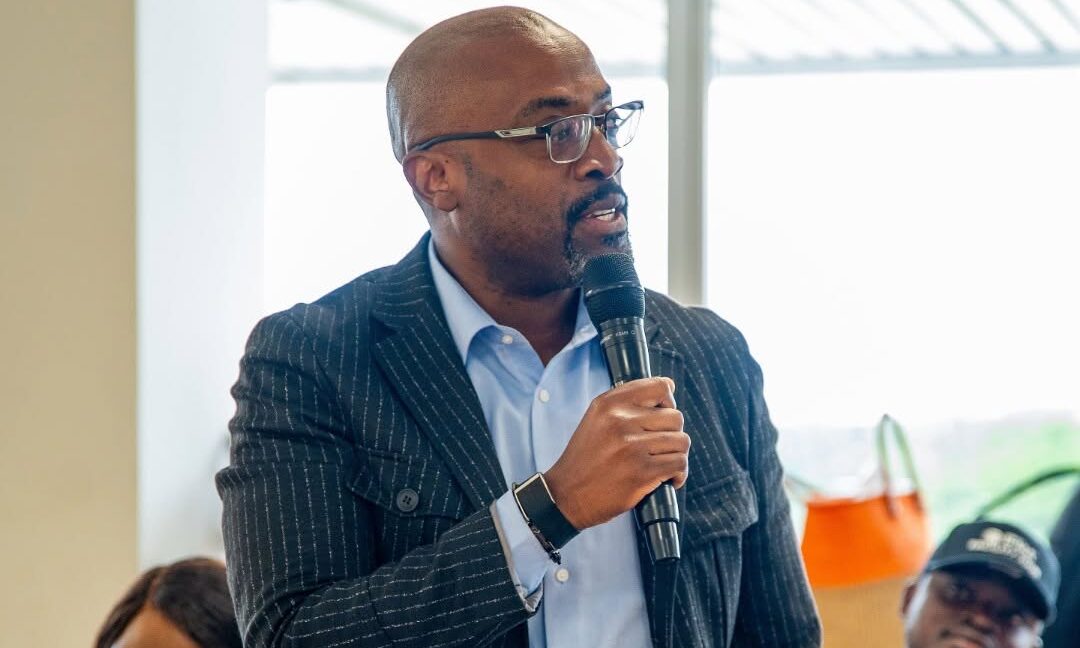
There will be no Harare International Festival of the Arts (HIFA) in 2016. The cancellation was confirmed by the festival founder Manuel Bagoro during a press briefing at the Royal Harare Golf Club in Zimbabwe’s capital on Thursday 29 October.
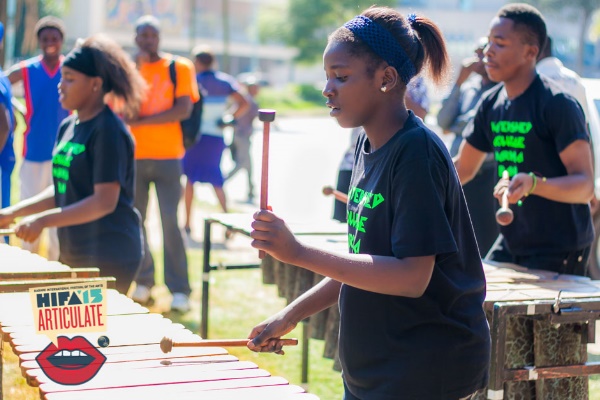
However, unlike the recent cancellation of Sauti za Busara in Zanzibar due to a lack of funding support, Bagoro stated that the Zimbabwean festival’s traditional six-day programme will be replaced by various activities spread throughout the course of the year, building up to a new look HIFA in 2017. He said the festival hopes to expand and to include more people.
“HIFA 2015 was really remarkable, but after the festival we began to ask ourselves how to illuminate the initiative not only for our organisation but for the whole arts sector in Zimbabwe,” said Bagoro.
“We have decided to embark on a mission of developing local artists in different ways so we have introduced a new programming set that is going to sustain the festival in 2017.
“By combining our key strengths in line with our mission, we came out with five new programmes, each serving a different purpose, which will sustain the festival in the next 18 months. The five are HIFA Events, Presents, Engaging, Amigos and the new sporting venture, HIFA Play. Through these five branches, we will be expanding our reach into various parts of the country and engaging with artists in those areas at a more intense level.
“Through areas such as HIFA Events, we will be hosting world-class concerts at key dates during the year. This will see us bringing in international acts in collaboration with embassies and the cooperate sector. These might be one-off concerts or we can have a full weekend of events featuring various artists. HIFA Events will be focusing on developing world-class show producers. HIFA Engage will see us going into the community and engaging with various key players to develop arts at grassroots level, while the Amigos bit will see us educating people more about who we are.
“The new factor to our programming is HIFA Play, which will see us venturing into sport. What we are basically trying to do is to fuse art and sport. We are saying, when a huge crowd gathers for a match, where does art fit in? Therefore we are looking at half-time shows where a local band can entertain the crowd before the match resumes.
“A lot of work is involved during the 18 months and this is an employment opportunity for many,” revealed Bagoro, as reported in Zimbo Jam.
Mixed reactions
While the news came as a disappointment to many musicians and music lovers, organisers of other music festivals in Zimbabwe felt HIFA’s cancellation could benefit them, arguing that HIFA hogged the spotlight in terms of the sponsorship allocated to local arts festivals. Raisedon Baya, director of Intwasa Arts Festival in Bulawayo, told B-Metro: “The assumption is the HIFA gets the lion’s share of sponsorship that goes towards festivals. With that being the case, the hope is that things will be more decentralized and these sponsors will be prepared to bring the big artistes to other festivals.”
“It’s never a good thing to celebrate something negative. This is a dark cloud that is engulfing the arts community and while every cloud has a silver lining, it is not good to concentrate on the silver lining. We must look at the bigger picture,” said Baya. “What this means is that artistes will have to look at alternatives because most of their work is geared towards a debut at HIFA. The general sentiment is that the works of artistes should be showcased at HIFA before it is show to other festivals afterwards.”
Next Level
HIFA was established in 1997 and held its first festival edition in 1999. The country’s biggest arts event, HIFA has come to be seen as an important symbol of positivity in Zimbabwe during times of ongoing political turbulence and economic uncertainty. HIFA’s organisers have dispelled the notion that 2016 will be a gap year, reminding critics that what was once an annual six-day arts fiesta will in 2016 change its format to host a number of activities spread across the year as build up to 2017.
The festival’s executive director, Maria Wilson, insisted that HIFA was not going anywhere. “We are here to stay,” she said, in an article published in New Zimbabwe. “What you are about to see is expansion that will create more platforms for artists and their development. For the next 18 months, we will be building up to the next HIFA as you know it will be in 2017.”
The 2017 edition will be held under the theme ‘Next Level’, said Wilson.
In early November, the festival announced on Facebook, "HIFA's always been more than a six-day event", and unveiled the logos for the 2017 projects. On their website, the organisers revealed more information about the five new programmes:
- HIFA Presents: Over the next 18 months, HIFA will present major shows with visiting and local artists as well as 2/3-day celebrations of particular artistic genres. It hopes to inspire and surprise audiences with innovative thinking, creative ideas and unexpected collaborations.
- HIFA Engage: This programme will work on Outreach and Development projects, using arts and culture as a vehicle for change and nation-building. This programme will establish four major creative learning and community projects running over the next 18 months, culminating with performances/exhibitions at HIFA 2017:
- The Travelling Carnival: a professional development, skills exchange and field support programme working across the country.
- Voices of 1000: a national schools creative learning project leading to a major mass choral happening at HIFA 2017.
- The City Project: a public art programme exploring and transforming aspects of public transport in Harare.
- HIFA Access: meetings, symposia and collaborative brainstorming conversations aimed at strengthening and emboldening the Zimbabwean cultural sector.
- HIFA Play: A programme presenting sports events with an emphasis on high production and entertainment values. Through these projects, HIFA plans to explore ways to marry sports with arts and culture while promoting Zimbabwean artists and corporate partners.
- HIFA Events: A programme providing first-class professional services for conferences, brand launches as well as corporate private events.
- HIFA Amigos: A bold audience development programme for HIFA Presents events throughout the year, as well as for the Zimbabwean arts sector more broadly.
The website also offers this message: “We all need to hold on to our hopes, dreams and imaginations – the arts and creative thinking help us to do that. HIFA is going to the next level to develop a meaningful and dynamic role in celebrating the arts in Zimbabwe – we hope you’ll step up with us!”


Most popular

Ghana: Mr Eazi and MOLIY’s ‘Comfort’ earns Urban Music Awards nomination
21 Oct 2026

Top Naija songs of 2026
31 Mar 2026

Top Afrobeats songs of 2026
19 Mar 2026

Top amapiano songs of 2026
16 Feb 2026
Open call: CANEX Music Business Lab and Songwriting Camp
15 Oct 2026
Nigeria: CANEX WKND unveils 2026 programme
21 Oct 2026
Disclaimer: Music In Africa provides a platform for musicians and contributors to embed music and videos solely for promotional purposes. If any track or video embedded on this platform violates any copyrights please inform us immediately and we will take it down. Please read our Terms of Use for more.

Subscribe to our monthly Newsletter
Follow us on social media


Please log in to post a comment.