




























































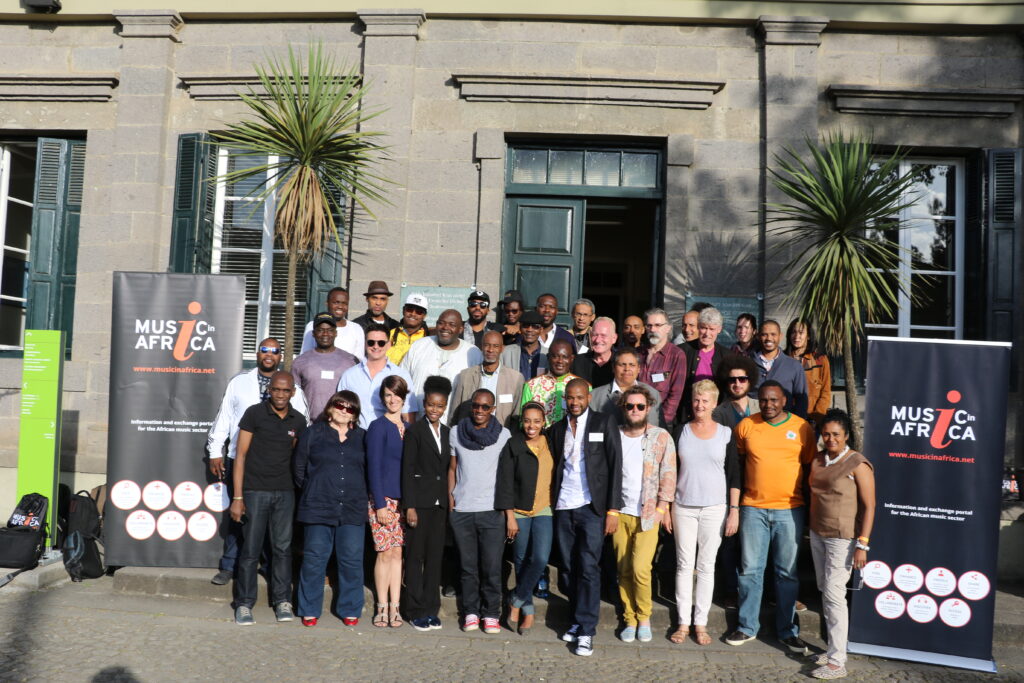


The nominees have been announced for the 2016 Kora All-Africa Music Awards, with the continent's best artists set to battle it out for their respective categories for Africa’s most lucrative – and arguably most prestigious – music awards. The ceremony will take place at the Windhoek Country Club in Namibia on 20 March 2016.
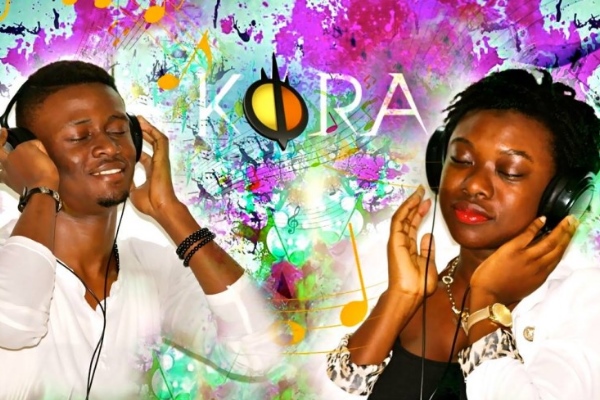
Unlike the majority of African music awards that tend to focus on the larger music industries of Nigeria and South Africa, for example, the Kora selection panel has gone out of their way to include musicians from across the continent, meaning the musicians from smaller nations like Gabon, Equatorial Guinea, Djibouti, Eritrea and Madagascar also get their chance to compete. The Pre-Selection Comittee for Kora 2016 is made up of Kora Artistic Director Alexandre Asse, Yola Semedo (Angola), John Max (Namibia), Alain Auriant (Mauritius), Lamia Yattar (Ivory Coast) and Fabrice Oye Bekale (Gabon).
Winners from every category will go home with the coveted Kora trophies and cash prizes of US$20 000 or US$50 000, and a mammoth $1 000 000 cheque for the Best Artist of the Continent, the nominees for which have not yet been revealed.
Besides the various regional categories for male and female performers, other continent-wide categories allow for a diverse mix of artists to go head to head against one another. These include categories for Spritual and Traditional music. In the ‘Best Album of the Year’ all regions of the continent are reprened, with Bebe Cool (Uganda) up against West Africans Suzana Lebrano (Cape Verde) and Tinariwen (Mali), The Soil (South Africa) and EES (Namibia) from Southern Africa, and Cameroonian rapper Jovi representing Central Africa.
No southern African acts are in the running for Best African Group, which will see Bracket (Nigeria) compete against Double Bangz (Sierra Leone), Sauti Sol (Kenya), Toofan (Togo), X-Maleya (Cameroon) and Bana C4 (DRC).
When it comes to the nominees for the Legendary Award, South Africa’s ‘Princess of Africa’ Yvonne Chaka Chaka (South Africa) is up against Teddy Afro (Ethiopia), Amr Diab (Egypt), Coumba Gawlo (Senegal), Werrason (DRC) and P-Square (Nigeria).
The full list of Kora nominees is as follows:
Most Promising Male Artiste of Africa
- Reekado Banks (Nigeria)
- Chem Edine Boudra (Algeria)
- Numerica (Cameroon)
- Odyai (Madagascar)
- J Rio (Gabon)
- Yamoto Band (Tanzania)
Most Promising Female Artiste of Africa
- Bading M (Gabon)
- Yemi Alade (Nigeria)
- Nelida Karr (Equatorial Guinea)
- Daphe (Cameroon)
- Naima Kay (South Africa)
- Kaaki (Ghana)
Best Male Artist – West Africa
- Flavour (Nigeria)
- Serge Beynaud (Cote d’Ivoire)
- Bisa Kdei (Ghana)
- Nelson Freitas (Cape Verde)
- Atumpan (Ghana)
- Davido (Nigeria)
Best Female Artist - West Africa
- Tiwa Savage (Nigeria)
- Adiouza (Senegal)
- Efya (Ghana)
- Sessime (Benin)
- Sissao (Burkina Faso)
Best Male Artist - East Africa
- Jose Chameleone (Uganda)
- Eddy Kenzo (Uganda)
- Diamond Platnumz (Tanzania)
- Emmanuel Jal (South Sudan)
- Sat-B (Burundi)
- Tendros Erinias (Eritrea)
- Awaleh Adan (Djibouti)
Best Female Artist – East Africa
- Irene Ntale (Uganda)
- Victoria Kimani (Kenya)
- Vanessa Mdee (Tanzania)
- Juliana Kanyomozi (Uganda)
- Knowless Butera (Rwanda)
- Avril Nyambura (Kenya)
Best Male Artist – Central Africa
- Cano (Equatorial Guinea)
- Ferre Gola (DRC)
- Tresor Mvoula (Congo)
- Frederick Gassita (Gabon)
- Mawndoe Celestine (Chad)
- Calema (Sao Tome & Principe)
Best Female Artist – Central Africa
- Charlotte Dipanda (Cameroon)
- Cindy Le Coeur (DRC)
- Syssi Mananga (Congo)
- Queen Koumb (Gabon)
- Mani Bella (Cameroon)
- Bussine Mbadinga (Gabon)
Best Male Artist - Southern Africa
- C4 Pedro (Angola)
- AKA (South Africa)
- Gazza (Namibia)
- Coreon Du (Angola)
- Petersen (Zambia)
- Piksy (Malawi)
Best Female Artist – Southern Africa
- Moneoa (South Africa)
- Elize Detlinger (Namibia)
- Bruna Tatiana (Angola)
- Lusha James (Mozambique)
- Pah Chihera (Zimbabwe)
- Busiswa (South Africa)
Best Male Artist - North Africa
- Tamer Hosny (Egypt)
- Lochi DK (Algeria)
- Ahmed Soultan (Morrocco)
- Saber Houari (Algeria)
- Kafon (Tunisia)
- Ayman Al Atar (Libya)
Best Female Artist - North Africa
- Samira Said (Morrocco)
- Sherine Abdel Wahab (Egypt)
- Zina Daoudia (Morrocco)
- Sarah Ayoub (Morrocco)
- Amani Swissi (Tunisia)
- Latifa (Tunisia)
Best African Group
- Bracket (Nigeria)
- Double Bangz (Sierra Leone)
- Sauti Sol (Kenya)
- Toofan (Togo)
- X-Maleya (Cameroon)
- Bana C4 (DRC)
Best Male Artist – Spiritual Music
- D-Naff (Namibua)
- Hatim Ammor (Morocco)
- Kabelo Eric (Botswana)
- Kidum (Burundi)
- Eugen Ablodevi (Togo)
- Eddy Kamoso (Burundi)
Best Female Artist – Spiritual Music
- Rebecca Malope (South Africa)
- Gloria Muliro (Kenya)
- Lara Georges (Nigeria)
- Kanvee G Adams (Liberia)
- Sarah Hagos (Eritrea)
- Samira Adzabe (Gabon)
Best Group – Spiritual Music
- Simply Chrysolite (South Africa)
- VM Six (Namibia)
- BNG (Nigeria)
- 24 Elders (Kenya)
- Eden (Cote d’ivoire)
- Penuel Cantorum (Benin)
Best Traditional Music Artist – male
- Mathias Walukaga (Uganda)
- Mrisho Mpoto (Tanzania)
- Stanlux (Togo)
- N’Dulo Kitoxi (Angola)
- Kandla Kora (Guinea)
- Demba Tandla (Mauritania)
Best Traditional Music Artist – Female
- Cecile Kayirebwa (Rwanda)
- Dobet Gnahore (Cote d’ivoire)
- Sham Geshu (Eritrea)
- Abey Lakew (Ethipia)
- Erna Shimu (Namibia)
- Hope Masike (Zimbabwe)
Best Traditional Music Group of Africa
- Makwakwa Cultural Ensemble (Botswana)
- Trio Teriba (Benin)
- Groupe Kiltir (Reunion)
- Babylone (Algeria)
- Bayuda Du Congo (DRC)
- Les Espoirs De Coronthie (Guinea)
Best Artist of the African Diaspora
- Maltre Gims (DRC/France)
- Teeyah (Cote d’ivoire/France)
- Mokobe (Mali/France)
- Singular (CAR/France)
- Martin Hod (Benin/France)
- Jessica Dorsey (Caribbean/France)
Best Video of the Year
- Eddy Kenzo - ‘Zigido’ (Uganda)
- Tiwa Savage – ‘My Darlin’ (Nigeria)
- Flavour – ‘Golibe’ (Nigeria)
- Cano - ‘African Baby’ (Equatorial Guinea)
- Jose Chameleone - ‘Wale Wale’ (Uganda)
- Korede Belo - ‘God Win’ (Nigeria)
Best Collaboration of the Year
- ‘Adaobi’ – Don Jazzy, Reekado Banks, Di’Ja & Korede Bello
- ‘Mantsayadch’ – Ahmed Soultan, Dizzy Dros, Dj Van, Manal BK, Muslim & Shayfeen
- ‘Mayday SOS’ – JJK & Bracket
- ‘Adonal’ – Sarkodie & Caspro
- ‘Africa Baby’ – Cano, Wizzboyy, Mafikizolo & The Dogg
- ‘Tusimame’ – Emanuel Jal, Vanessa Mdee, Juliana & Syssi Mananga
Best Album of the Year
- Bebe Cool - Go Mama (Uganda)
- Suzana Lebrano - Vitoria (Cape Verde)
- The Soil - Nostalgic Moments (South Africa)
- EES - Authentic Rebel (Namibia)
- Tinariwen - Emmaar (Mali)
- Jovi - Mboko God (Cameroon)
Legendary Award
- Amr Diab (Egypt)
- Yvonne Chaka Chaka (South Africa)
- Teddy Afro (Ethiopia)
- Werrason (DRC)
- P-Square (Nigeria)
- Coumba Gawlo (Senegal)
Best Hip-Hop Artist
- Sarkodie (Ghana)
- Hamzaoul Med Amine (Tunisia)
- K.O (South Africa)
- Stanley Enow (Cameroon)
- Kiff No Beat (Cote d’ivoire)
- Wakazi (Tanzania)
Best Urban Music Artist
- Mi Casa (South Africa)
- MzVee (Ghana)
- DJ Arafat (Cote d’ivoire)
- Dama Do Bling (Mozambique)
- Fanicko (Benin)
- Sally Boss Madam (Namibia)
For more details visit the Kora Awards website or watch the video below.


Most popular

Top Naija songs of 2026
31 Mar 2026

Top Afrobeats songs of 2026
19 Mar 2026

Ghana: Mr Eazi and MOLIY’s ‘Comfort’ earns Urban Music Awards nomination
21 Oct 2026

Top amapiano songs of 2026
16 Feb 2026

Open call: CANEX Music Business Lab and Songwriting Camp
15 Oct 2026
Nigeria: CANEX WKND unveils 2026 programme
21 Oct 2026
Disclaimer: Music In Africa provides a platform for musicians and contributors to embed music and videos solely for promotional purposes. If any track or video embedded on this platform violates any copyrights please inform us immediately and we will take it down. Please read our Terms of Use for more.

Subscribe to our monthly Newsletter
Follow us on social media


Please log in to post a comment.