













































Nyege Nyege: Challenging convention and unlocking opportunities
30 Aug 2023 - 12:46


Few African music events have generated as much buzz in recent years as Uganda’s Nyege Nyege festival. Built on the DIY indie subculture ethos, Nyege Nyege is the go-to event for thousands of alternative music fans, from East Africa and beyond, hankering for a primal concert experience. The colourful event was named among the top 30 new festivals in the world in 2017 and has shattered the myth that East Africa lacks the vibrancy to create and sustain a global festival culture. It has also revealed the possibilities that abound in the African live music scene and the importance of betting on local talent.
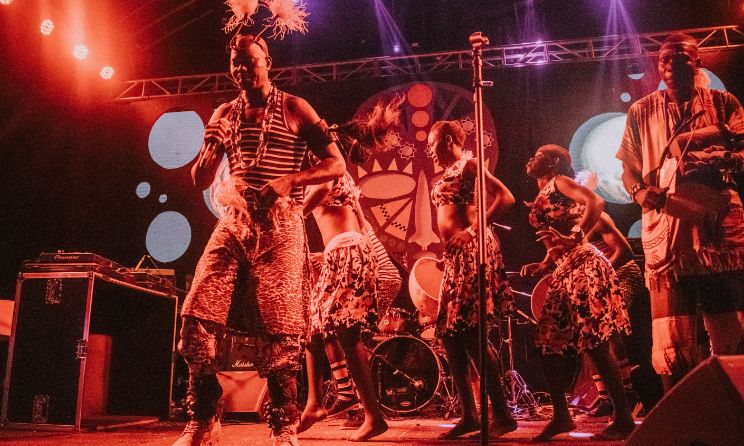
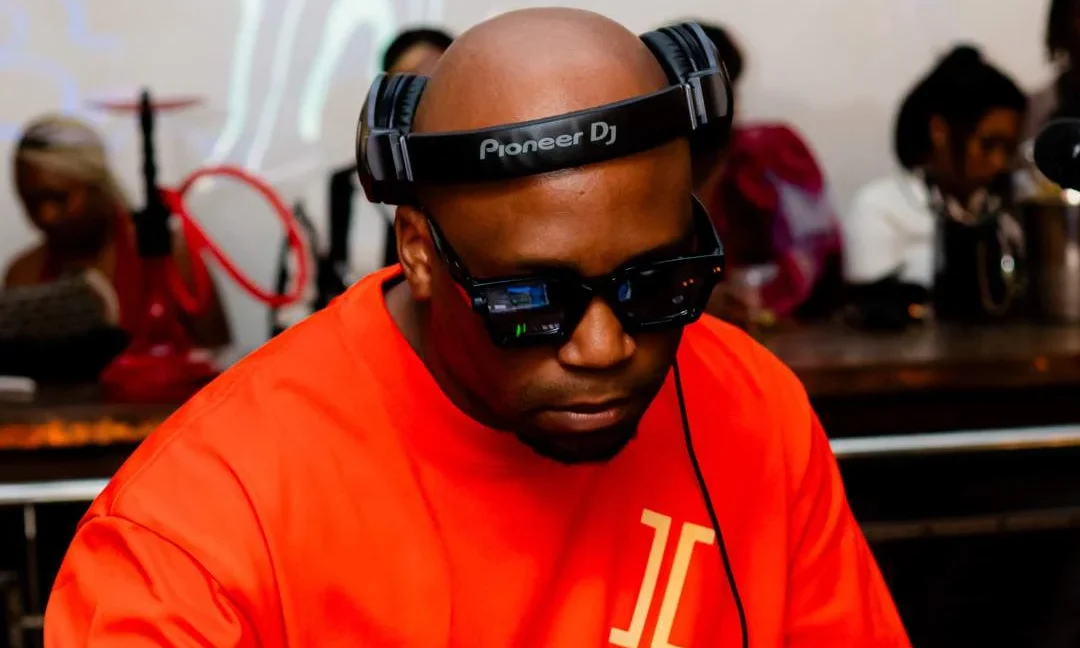
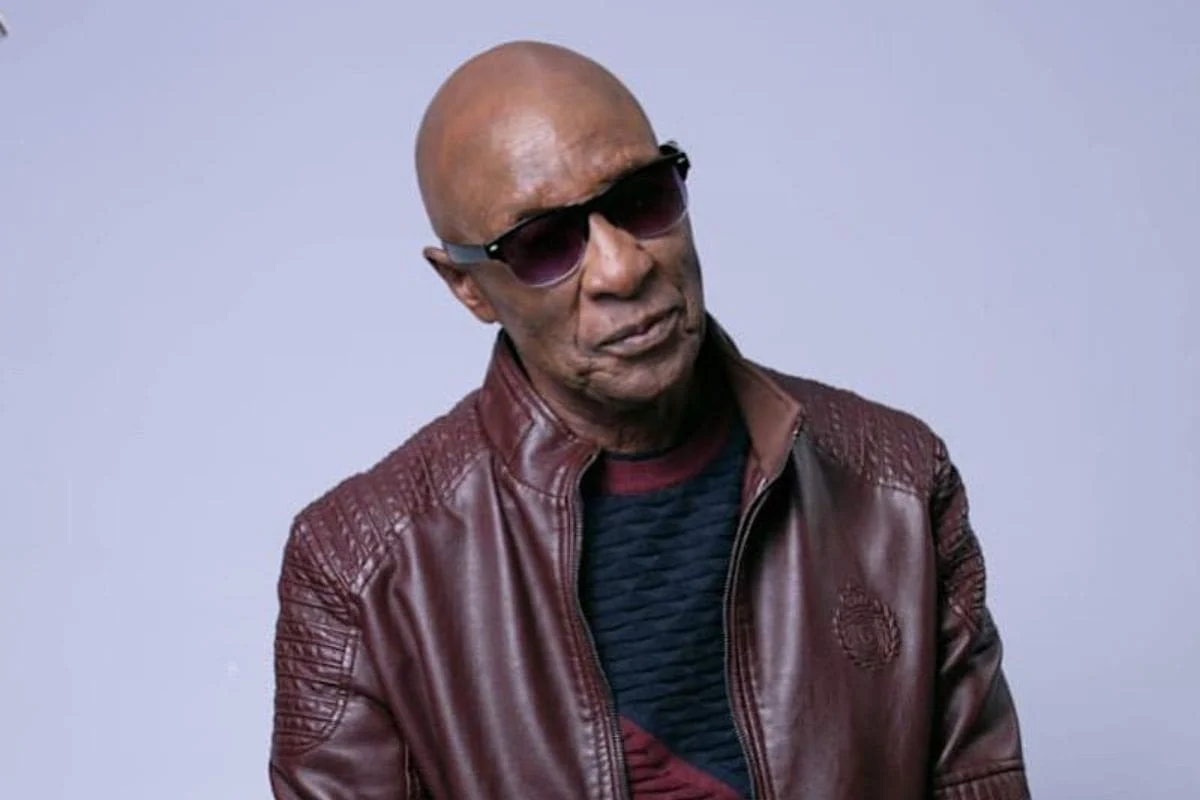
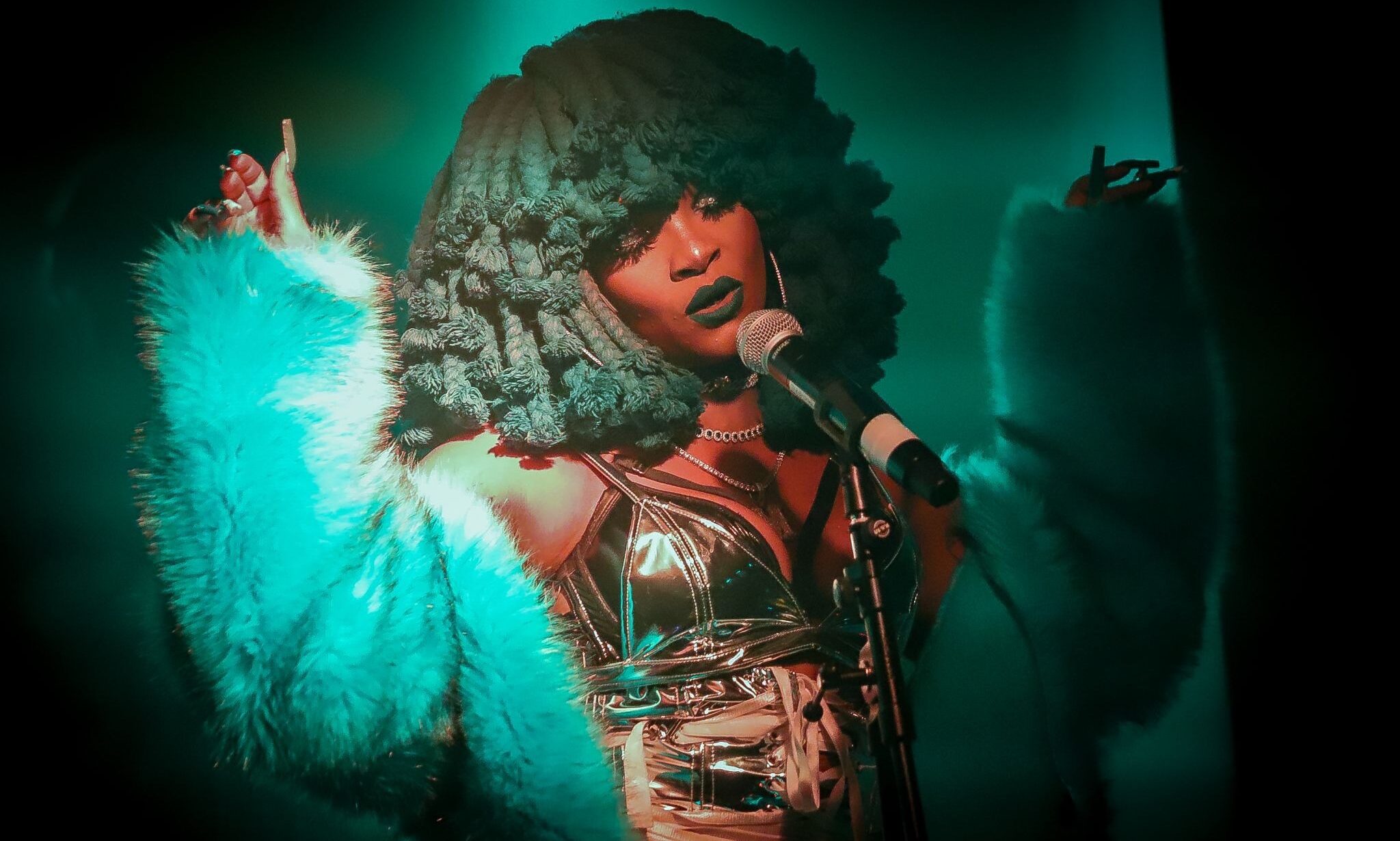
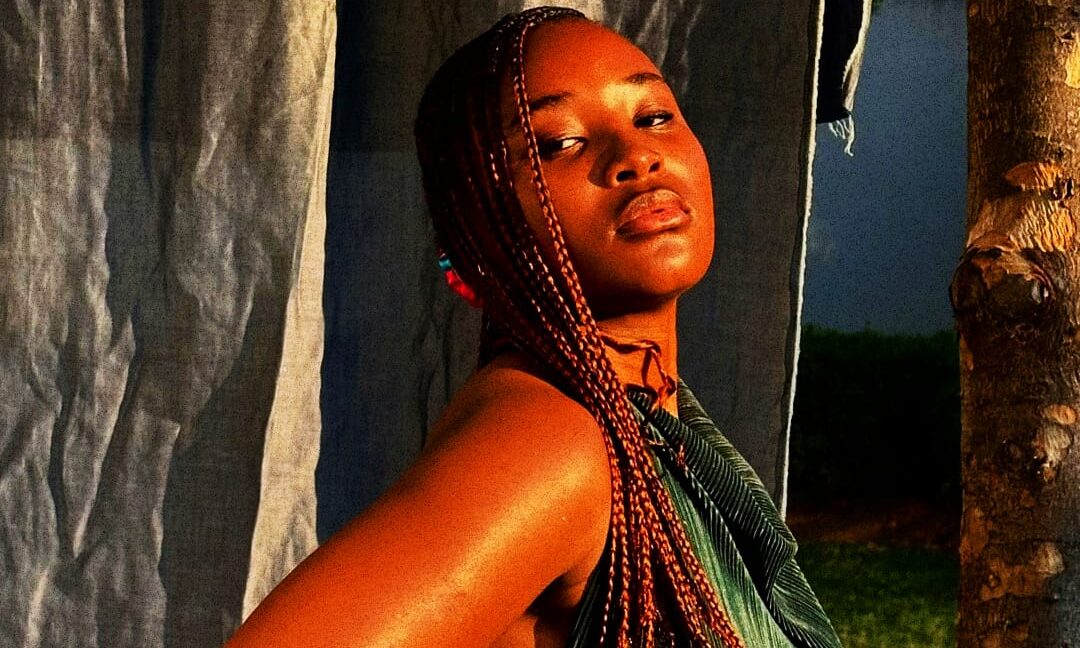
Since its inception in 2015, Nyege Nyege has not only provided a platform for East African underground artists but featured eclectic line-ups of top African acts such as Sho Madjozi (South Africa), Jagwa Music (Tanzania) Etran de L'Aïr (Niger) and Orchestre Les Mangelepa (Kenya), among many others.
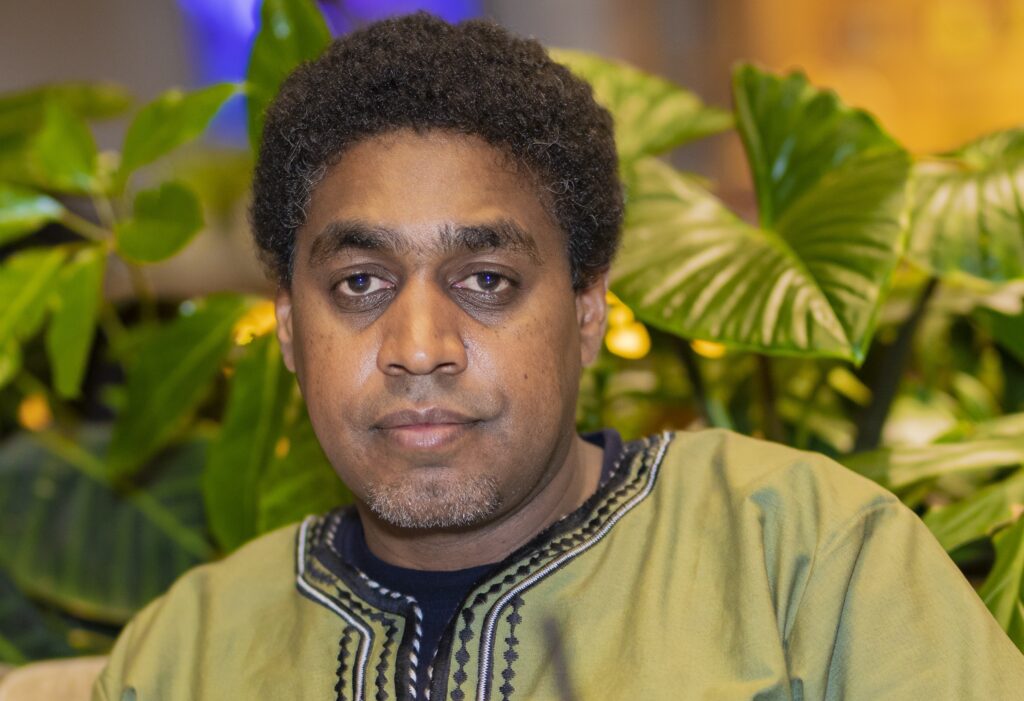
As the organisers gear up for the 2023 edition in Jinja from 9 to 12 November, festival co-founder Derek Debru spoke to Music In Africa about what makes the festival tick.
MUSIC IN AFRICA: Why is it important to hold such an event in Uganda?
DEREK DEBRU: It’s very important for many reasons. For artists, the festival has become an important showcase platform. Every year we welcome over 40 music industry professionals and festival programmers from all over the world, and it’s probably the reason why we get a huge amount of requests – over 20 – a day to perform as soon as the festival is announced.
Uganda has suffered a negative image globally and by holding the festival it also portrays a more positive aspect of the country, one that shows that it’s culturally rich with extremely welcoming people. Today, Ugandans are aware of other top festivals like Tomorrowland and Coachella, and when international media covers Nyege Nyege, it creates a sense of pride that Uganda is also hosting a globally respected festival
We also can’t underestimate the economic benefits of the festival, as many Ugandans directly benefit from jobs and business opportunities arising from the event. Finally, the East African music industry has long been overshadowed by other music powerhouses on the continent such as South Africa, Nigeria, Congo and Ghana, to name just a few, but Nyege Nyege has drawn the world’s attention to the talent that exists here and many local artists are beginning to reap the benefits like being invited to perform internationally.
What goes into the selection of artists?
It’s a very difficult process because so many artists wish to attend. Initially, the festival was set up to showcase artists we work with who suffer because of creating music that doesn’t fit the mainstream. Nigerian, Jamaican, American and Ugandan pop music still takes most of the space, yet there’s a lot of really exciting music from the region that deserves more attention. By introducing local audiences to these unknown acts, we are able to build new fan bases while at the same time creating opportunities for the artist to further their careers.
We try to showcase diverse genres of music from outsider artists from Kenyan metal to Tanzanian singeli. Nyege Nyege might be the only event in the region they are likely to be programmed for. We also showcase a lot of traditional music, with more than 10 traditional troupes booked at the festival each year. Being pan-African in essence, we always invite artists from all over the continent. This year we are highlighting artists from countries where the Nile River passes – Uganda, Ethiopia, Sudan and Egypt – as a way to connect with each other.
By having seven stages we are able to book over 300 artists and propose a very diverse and broad range of acts. This year’s line-up will be announced in September and will feature East Africa’s most exciting new acts as well as those from music power houses such as Nigeria, South Africa and Brazil. This year, the festival will start with a two-day music conference, on 7 and 8 November, allowing artists and industry players to connect and learn.
How are you dealing with opposition from conservatives who have lobbied for the festival’s cancelation over the years?
It’s always been very important not to antagonise any opposing views to the festival and rather work on common ground with everyone. Since its inception Nyege Nyege has always engaged with a variety of stakeholders, especially our host community where we provide business and job opportunities, and stakeholders at government and city level.
Opposition to the festival is always grounded on the false impression that the festival promotes moral decadence and devil worship, yet the reality on the ground is that beyond being a great party, Nyege Nyege is first and foremost a platform to showcase Ugandan and and East African artists, promote Uganda’s cultural diversity and act as an economic booster for tourism and the local economy.
Last year, we were fiercely defended by many government stakeholders, and the Ministry of Ethics came to witness the benefits of the festival and the reality on the ground. The popular support of the festival has made it more difficult to shut down and we don’t expect more problems this year. Obviously, it’s always hard to see the festival portrayed as such and we continue to invite everyone to see for themselves what the event is really about.
What can be done to make the festival sustainable and attract more sponsors and partners?
Attracting funders and sponsors has always been difficult, but hopefully as the festival grows it will attract more interest. The festival was not built on commercial principles, which is why it has yet to turn a profit. This makes it harder because people assume the festival is commercially successful. But by growing the brand internationally and holding events all over the world, we can make the case for the festival being an attractive event for sponsors and funders interested in growing the East African creative industry.
What other challenges are you facing?
Apart from financial sustainability and fighting negative perceptions, drawing audiences who rarely get exposed to alternative music from East Africa is a challenge, with many people thinking this is geared towards foreign tourists. This is the reason we’ve tried not to book headliners in order to sell tickets, but instead attract audiences who wish to be surprised and later on will take an interest in these musicians and foster a stronger local economy for local artists.
The festival industry in Uganda is also still small. Unlike South Africa, for example, we have few service providers ready to service a festival of 20 000 people. Hopefully, as more festivals grow in Uganda, we will have a strong service industry.
Buy tickets to Nyege Nyege 2023 here.


Most popular
Call for applications: ACCES 2026 Emerging Artist Spotlight Competition
01 Oct 2026

Top amapiano songs of 2026
16 Feb 2026

Top Naija songs of 2026
31 Mar 2026

Top Afrobeats songs of 2026
19 Mar 2026
Open call: 2026 Gender@Work music industry training in Johannesburg
03 Oct 2026

AFRIMA 2026: All the winners
12 Jan 2026
Disclaimer: Music In Africa provides a platform for musicians and contributors to embed music and videos solely for promotional purposes. If any track or video embedded on this platform violates any copyrights please inform us immediately and we will take it down. Please read our Terms of Use for more.

Subscribe to our monthly Newsletter
Follow us on social media


Please log in to post a comment.